
When we cannot see what lies ahead, we look for clear answers. We wonder whether a choice will lead to a good outcome, when our waiting will end, or whether we are moving in the right direction. Into these questions, Psalm 119:105 speaks of God’s word illuminating our feet and our path. Reading this verse in context helps us understand how prayer for God’s guidance can lead to obedience in everyday life.
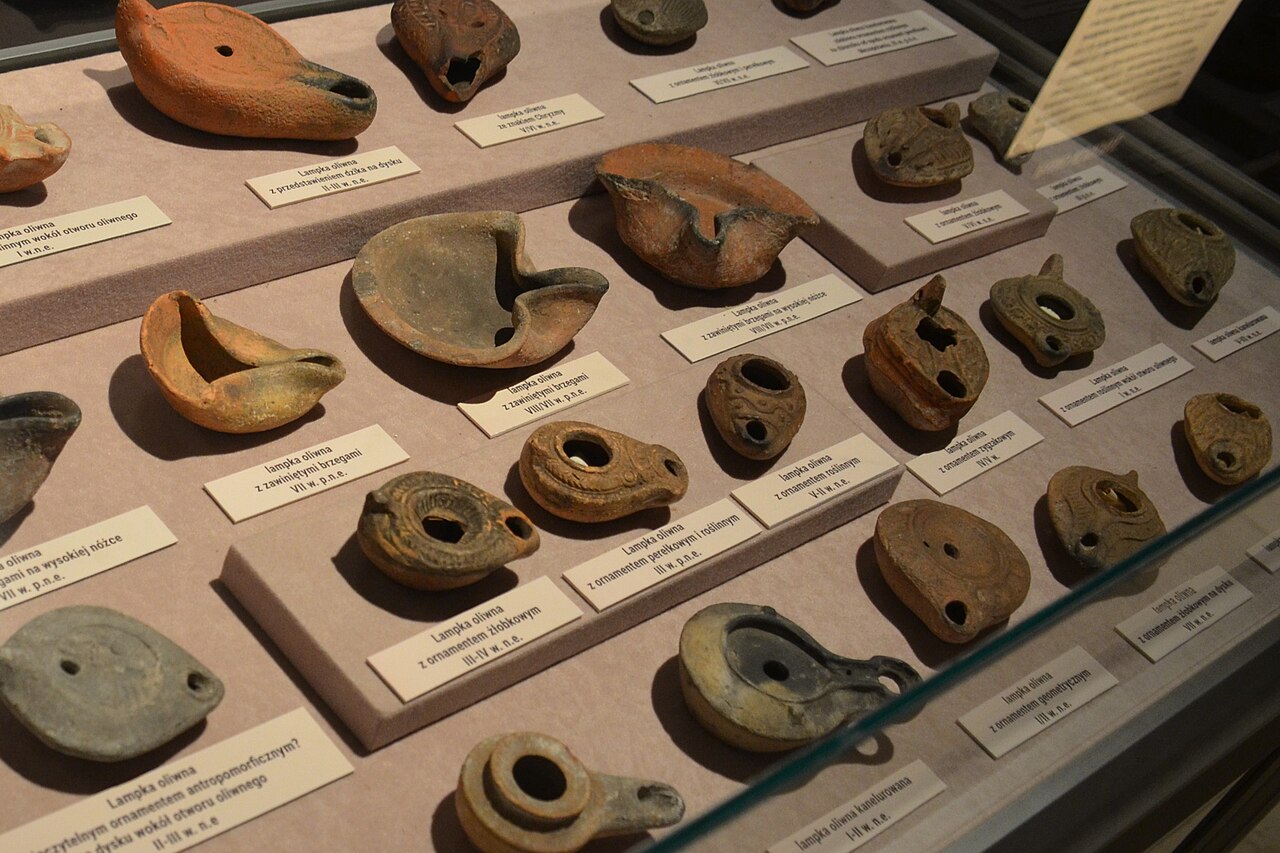
The Verse: God’s Word Illuminates Our Feet and Path
Your word is a lamp to my feet, and a light for my path.
Psalm 119:105, WEB
Scripture quotations in this article use the World English Bible (WEB). In this confession, God gives the light, and we who listen to his word walk by it. Notice the pairs: lamp and light, feet and path. The two expressions show, side by side, that God’s word guides the steps of our lives. This verse gives us no basis for insisting that the lamp refers only to the near future while the light refers only to the distant future. Its imagery emphasizes a life that walks in dependence on God’s word.
As we pray with this verse, we can tell God about our particular circumstances. We can also ask whether we have already decided what answer we want to hear. If we read Scripture only as a statement of approval for our plans, we will struggle to remain open to its teaching and correction. Our confession that we follow the light should include humility: a willingness to examine our judgment again in the light of God’s word.

Reflection 1: The Light Leads to Steps of Obedience
In Psalm 119:97-104, the psalmist loves and meditates on God’s teaching, avoiding evil paths in order to obey it. The wisdom he describes is connected to the direction of his life. In the verse immediately after our central passage, Psalm 119:106, the person who confesses the light of God’s word resolves to keep God’s righteous ordinances. The surrounding verses bring meditation and obedience together.
Psalm 19:7-11 also connects God’s word with wisdom, joy, and enlightened eyes. The word renews people and warns them. Receiving comfort and recognizing wrongdoing as we read Scripture are therefore not contradictory experiences. Because this teaching gives life, it can also expose habits that harm us and lead us to turn from them.
For example, think of a time when you might want to hide a mistake at work. Your first question may be how others will judge you if you tell the truth. Yet as you meditate on Scripture, the first thing to examine is how to act honestly and fulfill your responsibilities. A small action, such as correcting something you concealed or asking for help, can become that day’s act of obedience. This is not a promise that honesty will never cost you anything. It is an application of the truth that you can act according to God’s word even when you do not know every outcome.
Reflection 2: We Depend on God’s Word Even in Suffering
Psalm 119:107-110 describes great suffering, danger to life, and traps set by wicked people. The psalmist who confessed God’s word as light still faced hardship. In those circumstances, he asks God to preserve his life, seeks instruction, and remembers the word. We therefore cannot explain this verse as a guarantee that believing it will help us avoid every danger or know future events and outcomes in advance.
In Psalm 119:111-112, the psalmist continues by finding heartfelt joy in God’s teaching and inclining his heart to practice it to the end. That joy is not described as something possible only after circumstances become comfortable. This context helps us hold together prayer that speaks honestly about hardship and a heart willing to keep learning.
When we are exhausted, we do not have to pretend to be fine as we come to Scripture. We can tell God about our fears and burdens that feel too heavy, and ask for help. Like the psalmist, we can also pray to be taught. Some problems require thorough conversation, checking the facts, and time for careful thought. We should take care not to bypass those processes in the name of trusting God’s word, or treat a sentence that happens to catch our eye as an immediate guarantee that a particular choice is right.
Even when we cannot reach a conclusion today, there may still be something good we can do now: finish our assigned work faithfully, seek needed help, or listen to someone carrying a burden alone. We do not have to explain every scene ahead before we can begin to obey. If you feel unsure what to do, read the passage again and write down one action you can responsibly take now.
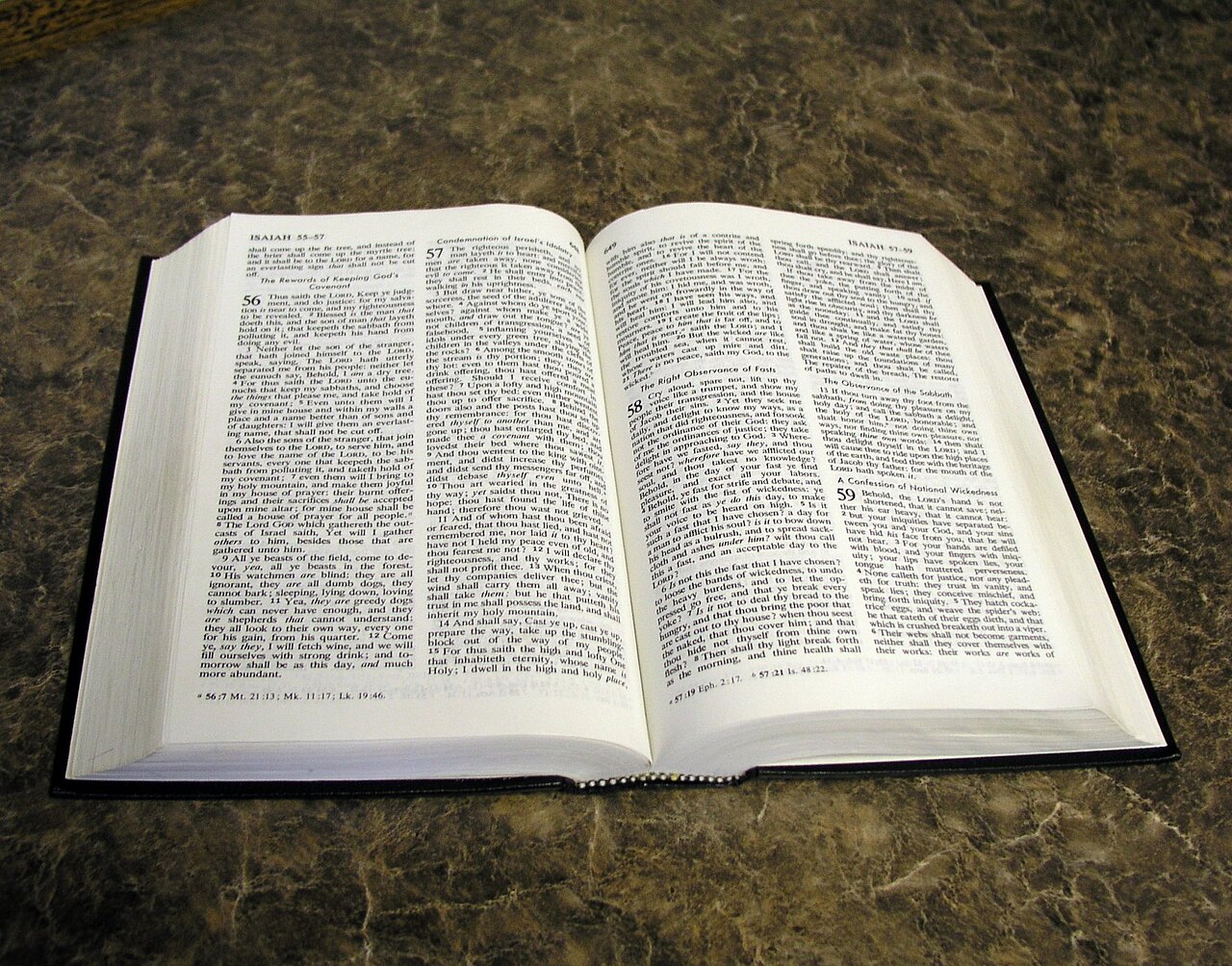
Reflection 3: God’s Guidance Includes Teaching and Correction
Proverbs 6:20-23 urges us to keep parental teaching in our hearts and receive its guidance. The passage connects commands and teaching with a lamp and light, while also connecting corrective instruction with the way of life. A warning about temptation follows. Here, light is not a decoration that always makes us feel comfortable; it is teaching that helps us recognize a wrong direction.
2 Timothy 3:14-17 explains that Scripture gives wisdom leading to salvation through faith in Christ Jesus and is useful for teaching, rebuking, correcting, and training in righteousness. Its purpose includes equipping God’s people to do good works. Reading alongside this New Testament teaching helps keep a life shaped by Scripture from shrinking into a boast about achievements in self-improvement. We are people who believe in Christ and continue to learn under the teaching of Scripture.
If you remember words of yours that hurt someone, you can examine that situation again. Instead of repeating explanations of why you were right, consider what you need to acknowledge and how to apologize. Conversely, if your strongest impulse is to correct someone else, ask what the passage says first about your own attitude. Prayer for the light of God’s word becomes prayer that also examines your own speech and actions.
Background for Memorization: Remember the Context and Meaning
As you memorize Psalm 119:105, begin by reading Psalm 119:97-112 slowly. Notice how love for God’s word, a resolve to obey, and prayer amid suffering connect with one another. The meaning of this short verse becomes clearer as you do. Remembering the context helps you avoid adding a formula for success or predictions about the future that the passage does not provide.
The verse itself is well suited to learning in two lines. Picture the feet and lamp in the first part, then the path and light in the second. Read the WEB text printed above carefully and accurately. Next, briefly cover the screen or page and say the verse aloud. Compare it with the text again, checking for words you omitted or changed. Remembering the reference and translation as well will help you make the source clear when you share it with others.
After memorizing, write down that day’s application in one sentence. Make the action specific: report honestly on your work, stop speaking harshly and hear the other person out, or begin an apology you have put off. This does not mean mixing your own words into the biblical sentence. It is a way of recording the passage you memorized and the application you drew from reading it, keeping the two distinct.
James 1:22-25 compares someone who hears the word without acting on it to a person who looks in a mirror and soon forgets what they look like. In light of this passage, our question after memorization cannot stop at how fluently we recited the words. We also need to consider how the word we remember sheds light on today’s choices and attitudes. On a day when we have not practiced it well, we can reflect honestly instead of hiding our failure, read Scripture again, and decide on the next step.

Questions for Today
- As I read Psalm 119:105, what am I asking for most earnestly? How will I bring that request to God in light of the passage’s context?
- What part of my speech or actions today needs another examination in the light of God’s word?
- What is one honest and good action I can take even though I do not yet know the outcome?
- How will I record the passage I memorized and my application separately, then reflect on my practice at the end of the day?
A Prayer for Walking by God’s Word
God, when uncertainty about the future unsettles my heart, help me open your word again. I bring you my fears and ask for your instruction. Help me receive the comfort of your word and listen to the teaching that corrects me. As I trust in Christ Jesus, help me examine today’s words and actions and turn what I learn into small acts of obedience. Even in hardship, help me seek your aid and keep your word in my heart. In Jesus’ name I pray. Amen.
References
- Psalm 119, Korean Revised Version (KRV) — the central passage and its context
- Psalm 19, KRV — the wisdom and joy of God’s word
- Proverbs 6, KRV — lamp, light, and the guidance of instruction
- 2 Timothy 3, KRV — Scripture’s usefulness and good works
- James 1, KRV — hearing and doing
- Psalm 119:105 parallel translations — verification of the WEB wording