
Genesis 13 ended with two men going separate ways. Lot chose the well-watered plain of the Jordan that looked good to his eyes, and “Lot lived in the cities of the plain, and moved his tent as far as Sodom” (Genesis 13:12, WEB). The text immediately added, “Now the men of Sodom were exceedingly wicked and sinners against Yahweh” (Genesis 13:13, WEB). Abram, following the land of promise that God had shown him, moved to the oaks of Mamre at Hebron and built an altar there to Yahweh (Genesis 13:18).
Genesis 14 shows what happened after that parting of ways. Sodom is swept into a war waged by the kings of the ancient Near East, and Lot is carried off as a captive. Abram races through the night to rescue his nephew, and on the way back he meets two kings: Melchizedek king of Salem, who comes out with bread and wine and blesses him, and the king of Sodom, who holds out the spoils and proposes a deal. The chapter may look like a brief war report, but Scripture later returns to this very scene in Psalm 110 and Hebrews 7 to explain Jesus, our eternal High Priest. Scripture quotations in this article are from the World English Bible (WEB), which is in the public domain.
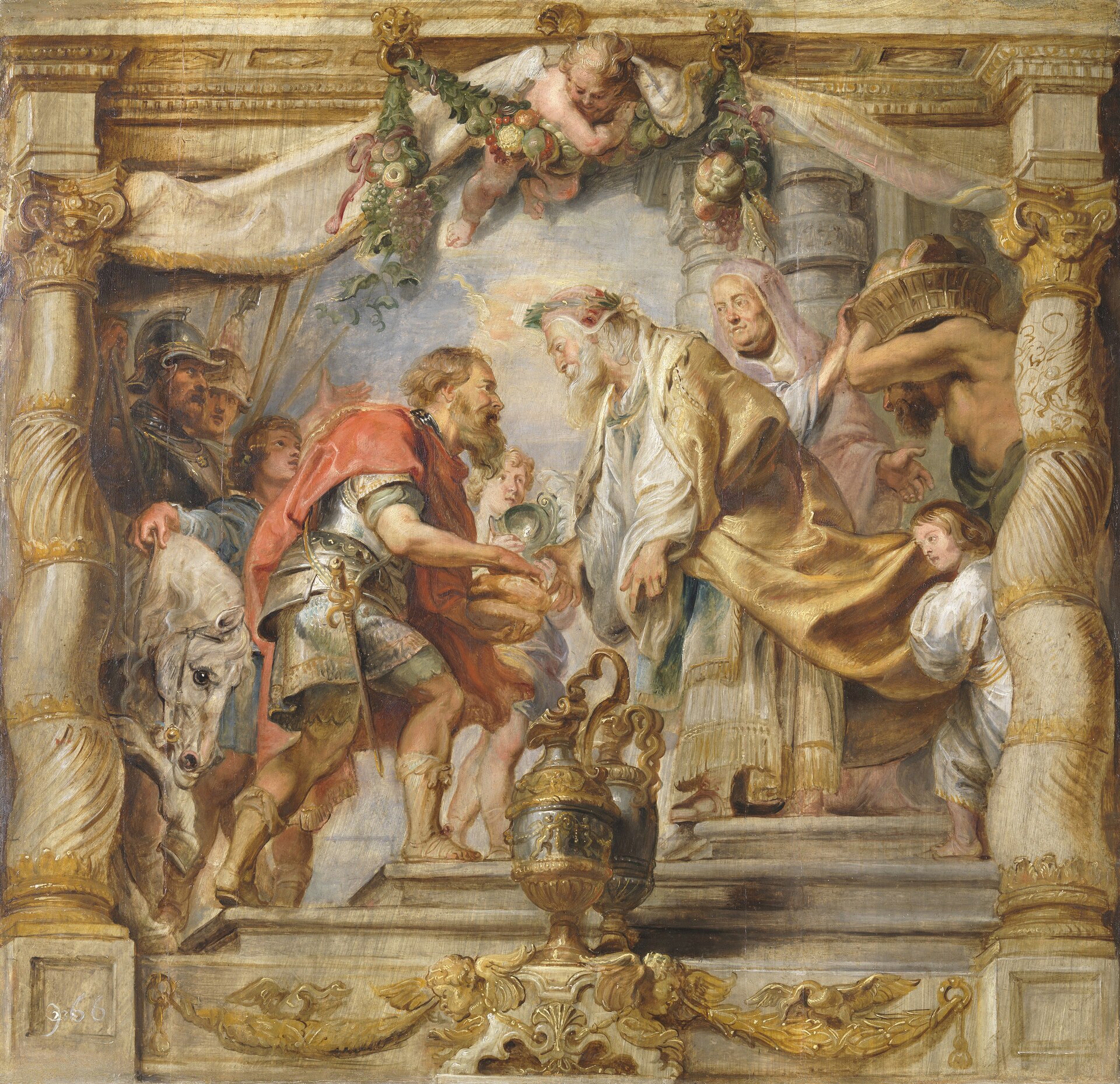
Text — Genesis 14 (WEB)
It happened in the days of Amraphel, king of Shinar, Arioch, king of Ellasar, Chedorlaomer, king of Elam, and Tidal, king of Goiim, that they made war with Bera, king of Sodom, and with Birsha, king of Gomorrah, Shinab, king of Admah, and Shemeber, king of Zeboiim, and the king of Bela (the same is Zoar). All these joined together in the valley of Siddim (the same is the Salt Sea). Twelve years they served Chedorlaomer, and in the thirteenth year, they rebelled. In the fourteenth year Chedorlaomer came, and the kings who were with him, and struck the Rephaim in Ashteroth Karnaim, and the Zuzim in Ham, and the Emim in Shaveh Kiriathaim, and the Horites in their Mount Seir, to Elparan, which is by the wilderness. They returned, and came to En Mishpat (the same is Kadesh), and struck all the country of the Amalekites, and also the Amorites, that lived in Hazazon Tamar. The king of Sodom, and the king of Gomorrah, and the king of Admah, and the king of Zeboiim, and the king of Bela (the same is Zoar) went out; and they set the battle in array against them in the valley of Siddim; against Chedorlaomer king of Elam, and Tidal king of Goiim, and Amraphel king of Shinar, and Arioch king of Ellasar; four kings against the five. Now the valley of Siddim was full of tar pits; and the kings of Sodom and Gomorrah fled, and they fell there, and those who remained fled to the hills. They took all the goods of Sodom and Gomorrah, and all their food, and went their way. They took Lot, Abram’s brother’s son, who lived in Sodom, and his goods, and departed.
Genesis 14:1-12, WEB
One who had escaped came and told Abram, the Hebrew. Now he lived by the oaks of Mamre, the Amorite, brother of Eshcol, and brother of Aner; and these were allies of Abram. When Abram heard that his relative was taken captive, he led forth his trained men, born in his house, three hundred and eighteen, and pursued as far as Dan. He divided himself against them by night, he and his servants, and struck them, and pursued them to Hobah, which is on the left hand of Damascus. He brought back all the goods, and also brought back his relative, Lot, and his goods, and the women also, and the people.
Genesis 14:13-16, WEB
The king of Sodom went out to meet him, after his return from the slaughter of Chedorlaomer and the kings who were with him, at the valley of Shaveh (that is, the King’s Valley). Melchizedek king of Salem brought out bread and wine: and he was priest of God Most High. He blessed him, and said, Blessed be Abram of God Most High, possessor of heaven and earth: and blessed be God Most High, who has delivered your enemies into your hand. Abram gave him a tenth of all. The king of Sodom said to Abram, Give me the people, and take the goods to yourself. Abram said to the king of Sodom, I have lifted up my hand to Yahweh, God Most High, possessor of heaven and earth, that I will not take a thread nor a sandal strap nor anything that is yours, lest you should say, I have made Abram rich. I will accept nothing from you except that which the young men have eaten, and the portion of the men who went with me: Aner, Eshcol, and Mamre. Let them take their portion.
Genesis 14:17-24, WEB
Context — Two Men Parted, One Story Continued
Genesis 14 falls into three parts: first, the war between four kings from the east and five kings of the Jordan plain, and Lot’s capture (Genesis 14:1-12); next, Abram’s pursuit and rescue (Genesis 14:13-16); and finally, Abram’s meeting with two kings on his way home (Genesis 14:17-24).
The chapter is tightly bound to the chapters on either side. In chapter 13, Lot had only moved his tent toward Sodom, but in chapter 14 he is already described as Abram’s nephew who lived in Sodom (Genesis 14:12). A man who had camped near Sodom had become a resident of Sodom, and Sodom’s fate became his fate. And when Abram refuses the king of Sodom’s goods at the end of chapter 14, chapter 15 continues at once with God’s word: “… Don’t be afraid, Abram. I am your shield, your exceedingly great reward” (Genesis 15:1, WEB). It is the promise that God himself becomes the reward of the man who lays down the rewards people offer. With that flow in mind, let us walk through the text.
Exposition
1. Lot Taken Captive in a War of Nations (Genesis 14:1-12)
The text opens with unfamiliar names of kings: four kings from Shinar, Ellasar, Elam, and Goiim, and five kings of Sodom, Gomorrah, Admah, Zeboiim, and Zoar. The cause of the war is plain: “Twelve years they served Chedorlaomer, and in the thirteenth year, they rebelled” (Genesis 14:4, WEB). The kings of the plain, who had served Chedorlaomer king of Elam for 12 years, turned against him in the 13th year, and in the 14th year Chedorlaomer and his allied kings set out on campaign. Striking one people after another, they reached Mount Seir and Elparan by the wilderness, then turned back, struck the peoples of Kadesh and Hazazon Tamar, and faced the five kings of the plain in the valley of Siddim (Genesis 14:5-9).
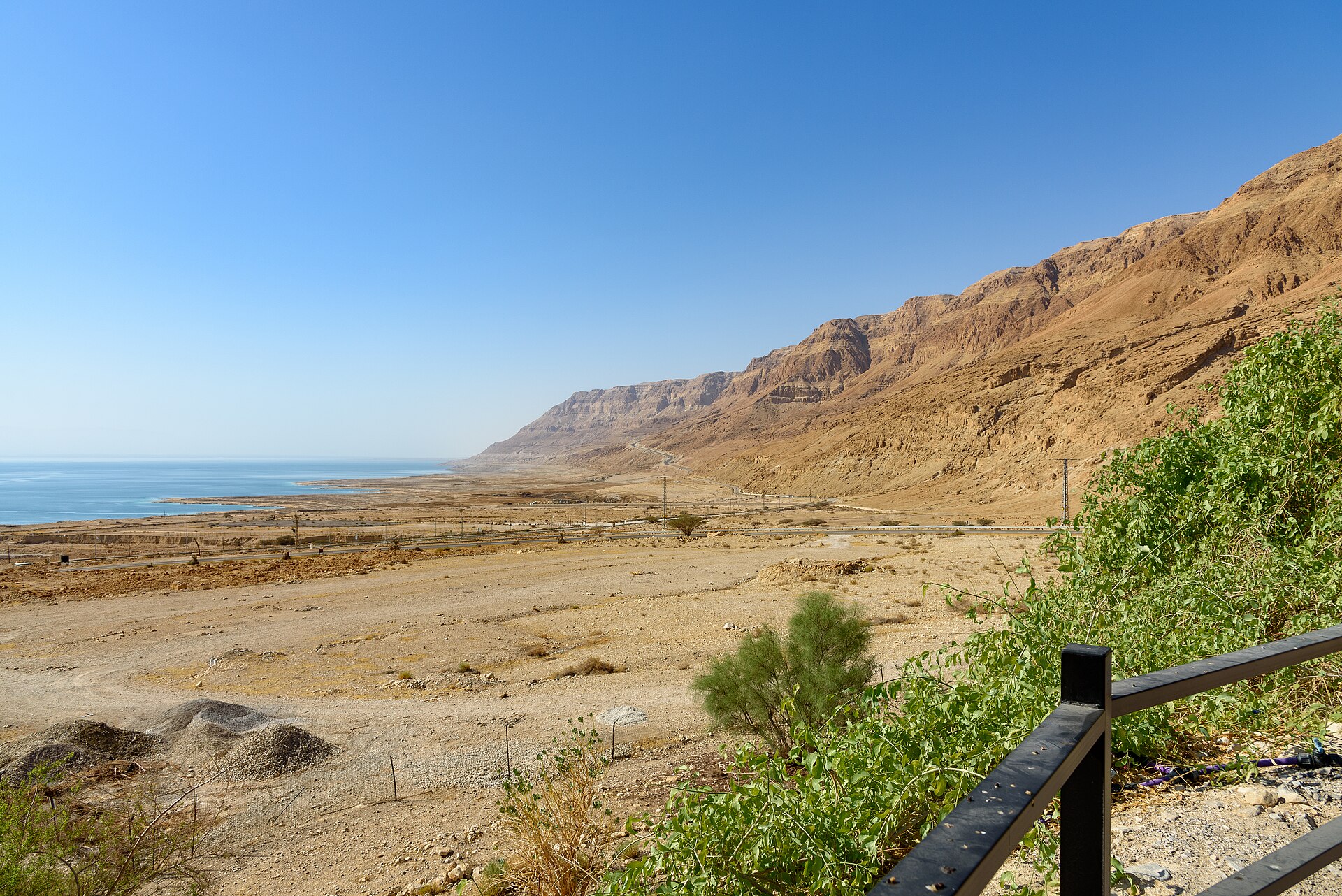
The battle ends almost before it begins: “Now the valley of Siddim was full of tar pits; and the kings of Sodom and Gomorrah fled, and they fell there, and those who remained fled to the hills” (Genesis 14:10, WEB). The text identifies this valley with what is now the Salt Sea, the Dead Sea (Genesis 14:3). The Dead Sea region has long been known for bitumen (asphalt) that floats up on its waters, and ancient Greek and Roman geography called it by the name Asphalt Lake. The tar pits the Bible mentions fit the real character of this region.
Yet the focus of the text is not the war of kings but one man: “They took Lot, Abram’s brother’s son, who lived in Sodom, and his goods, and departed” (Genesis 14:12, WEB). The well-watered land that Lot had chosen by sight (Genesis 13:10-11) lay on the path of war, and the wealth he had built up passed into other hands in a moment. Still, Scripture does not portray Lot as a man cast off. Second Peter later testifies of Lot in Sodom: “for that righteous man dwelling among them, was tormented in his righteous soul from day to day with seeing and hearing lawless deeds” (2 Peter 2:8, WEB). Lot was righteous, but he stayed in the wrong place, and that place made him a captive. The text quietly shows that even a believer can be deeply wounded by where he pitches his tent.
2. Abram Runs Through the Night for His Brother (Genesis 14:13-16)
The news arrives through one man who escaped: “One who had escaped came and told Abram, the Hebrew” (Genesis 14:13, WEB). At that time Abram was near the oaks of Mamre, where he had built an altar at the end of chapter 13. Lot was the one who had left Abram on his own and picked the good land. Abram had reason to say that the consequences of that choice were Lot’s to bear. Yet the text records not a single line of hesitation on Abram’s part.
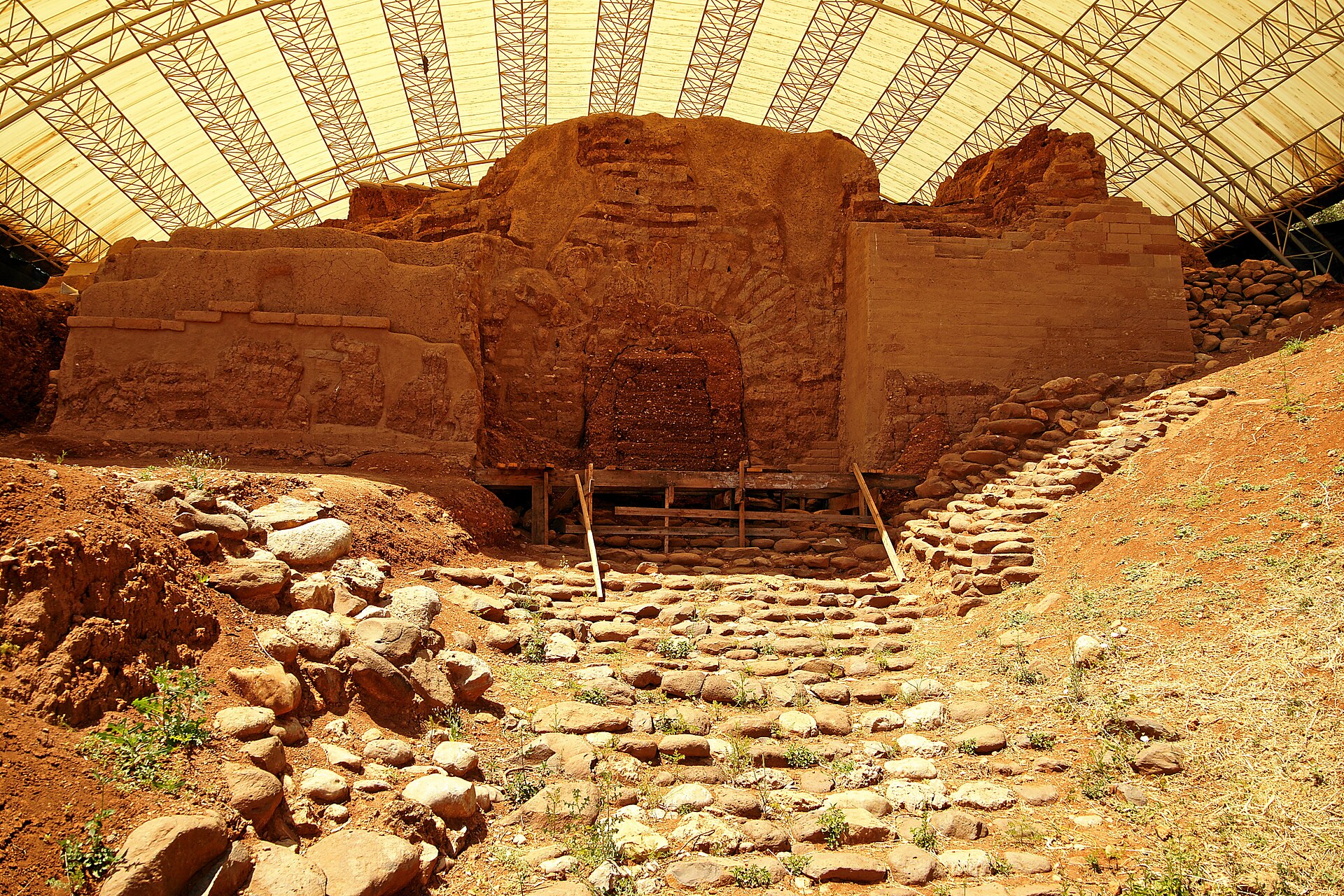
“When Abram heard that his relative was taken captive, he led forth his trained men, born in his house, three hundred and eighteen, and pursued as far as Dan” (Genesis 14:14, WEB). The confession he made in chapter 13 while stopping a quarrel, “for we are relatives” (Genesis 13:8, WEB), now becomes action. Proverbs describes this kind of love: “A friend loves at all times; and a brother is born for adversity” (Proverbs 17:17, WEB). Abram leads the 318 men raised in his own household and chases the allied army of the four kings all the way to the far north. In Scripture, Dan is used as a name for the northern end of the land of Israel, as in the expression from Dan to Beersheba (Judges 20:1).
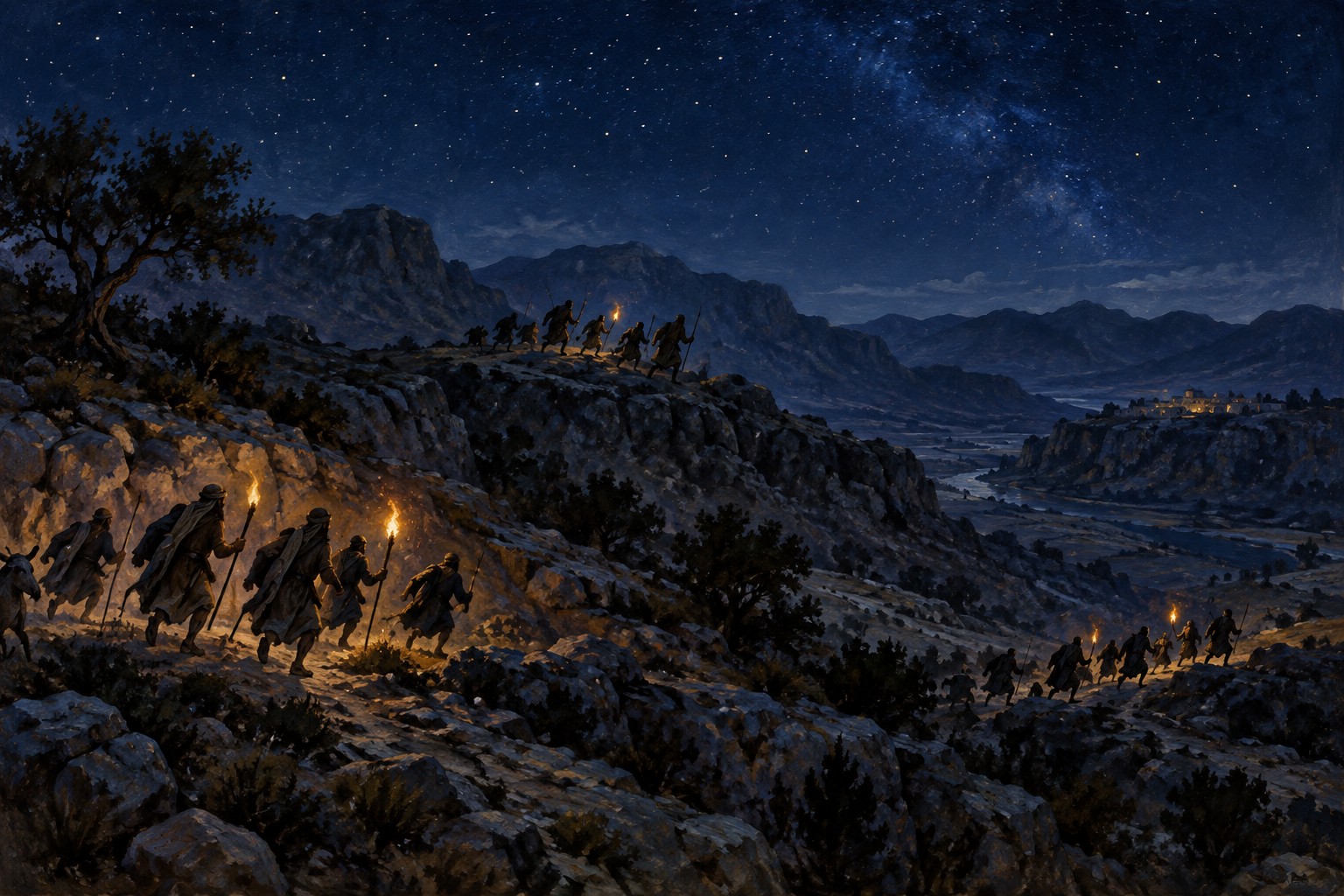
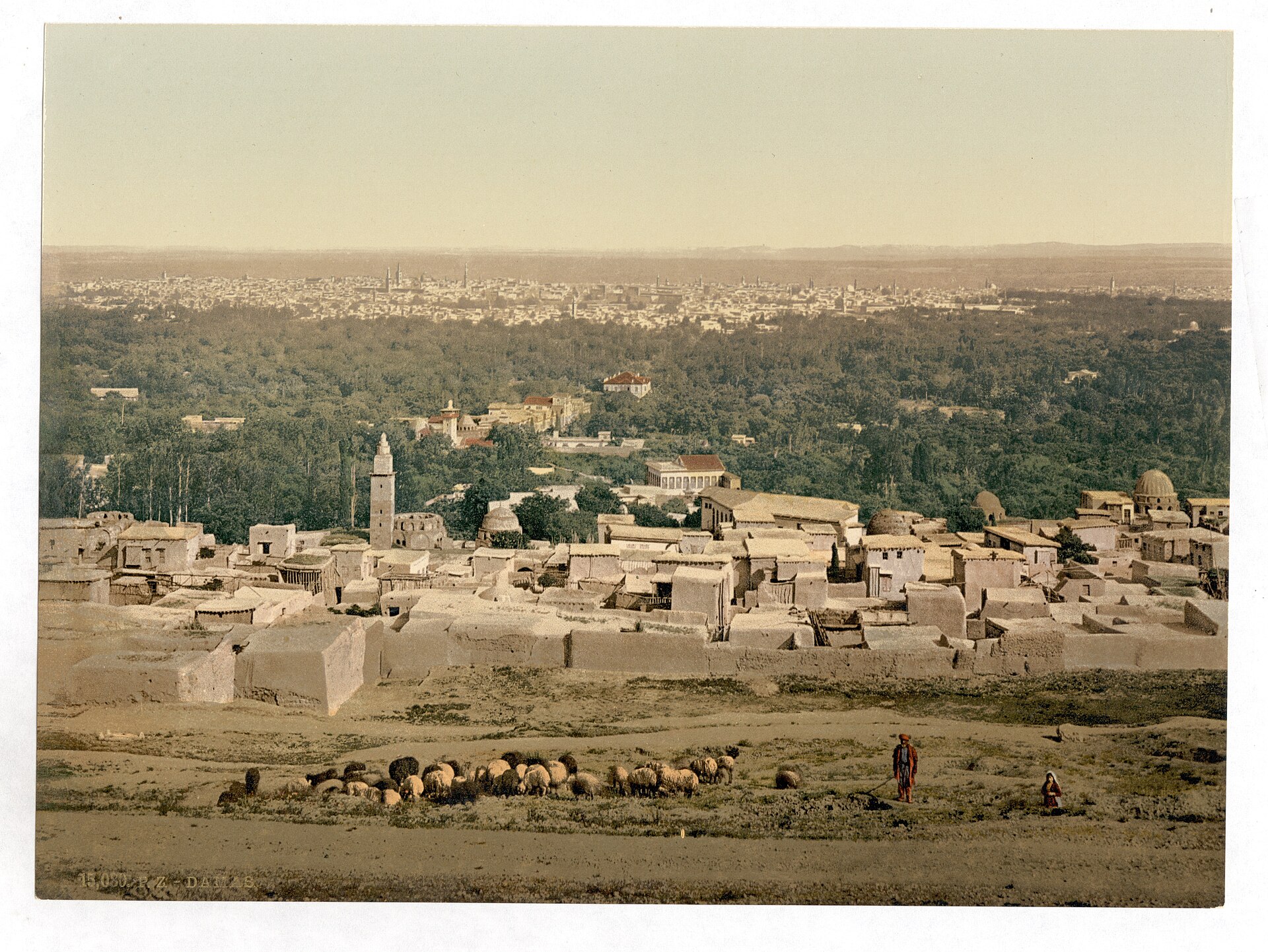
“He divided himself against them by night, he and his servants, and struck them, and pursued them to Hobah, which is on the left hand of Damascus” (Genesis 14:15, WEB). Abram divided his men, attacked by night, and pursued beyond Damascus. The text sums up the outcome this way: “He brought back all the goods, and also brought back his relative, Lot, and his goods, and the women also, and the people” (Genesis 14:16, WEB). Abram brought back not only Lot but also the people and goods of Sodom. The nephew who had left him, and even the people of a city recorded as wicked, came home because of Abram’s rescue. It is a scene in which the promise God gave when he called Abram, that he would be a blessing (Genesis 12:2-3), begins to take concrete shape on a battlefield.
First John calls for this kind of love in one sentence: “My little children, let’s not love in word only, neither with the tongue only, but in deed and truth” (1 John 3:18, WEB). Abram’s love showed itself not in words but in footsteps that ran through the night.
3. Melchizedek King of Salem Brings Out Bread and Wine (Genesis 14:17-20)
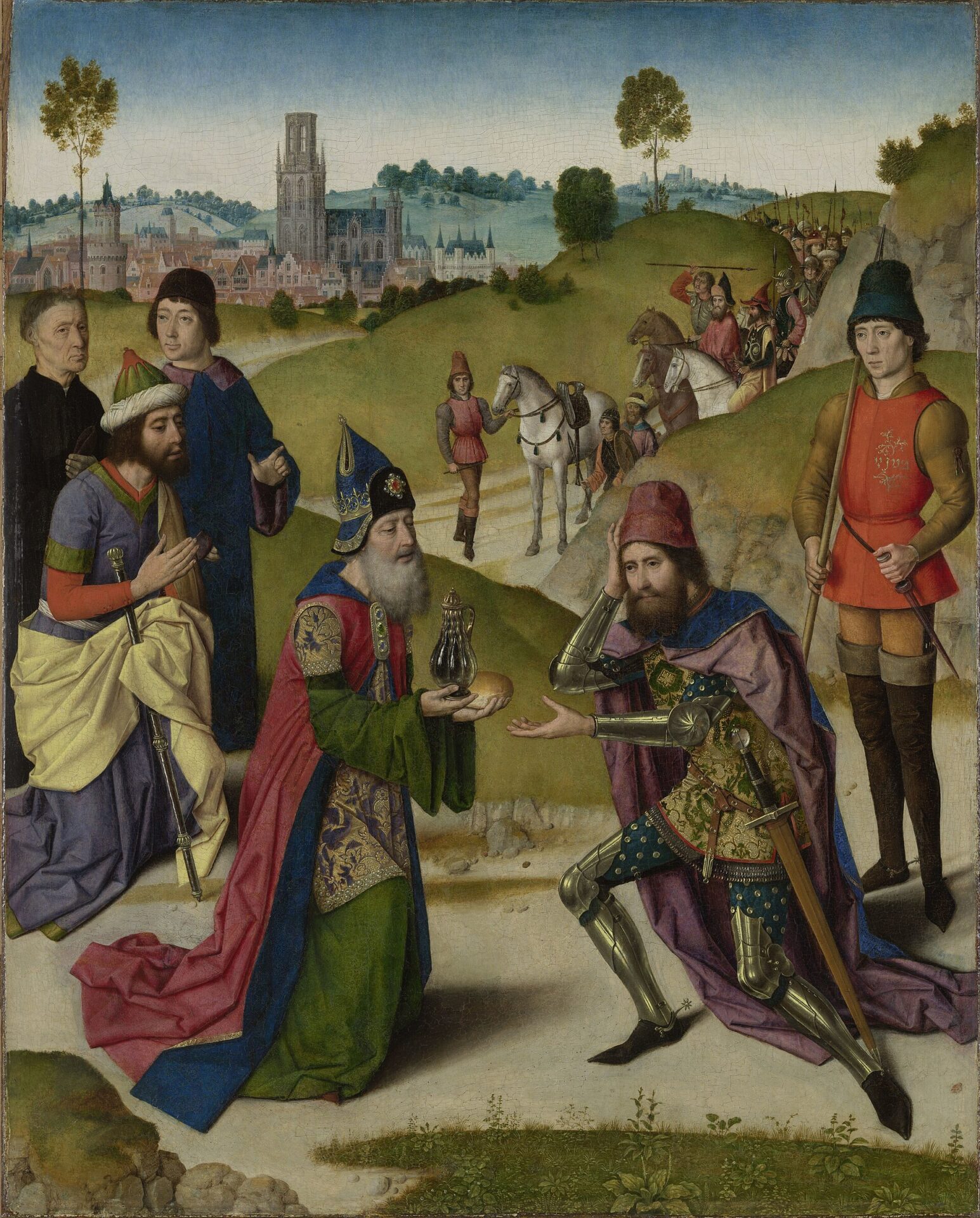
The king of Sodom comes out to the valley of Shaveh, the King’s Valley, to meet Abram as he returns in victory (Genesis 14:17). But before the king of Sodom can speak, the text brings in a completely unexpected figure: “Melchizedek king of Salem brought out bread and wine: and he was priest of God Most High” (Genesis 14:18, WEB). He was a king and at the same time a priest of God Most High.
Melchizedek’s blessing reads: “Blessed be Abram of God Most High, possessor of heaven and earth” (Genesis 14:19, WEB). Then he reveals who the true victor of this war was: “blessed be God Most High, who has delivered your enemies into your hand” (Genesis 14:20, WEB). Abram and his men ran through the night and fought, but it was God who delivered the enemies into Abram’s hand. It is just as Proverbs confesses: “The horse is prepared for the day of battle; but victory is with Yahweh” (Proverbs 21:31, WEB). In response to this blessing, Abram gave Melchizedek a tenth of what he had gained (Genesis 14:20).
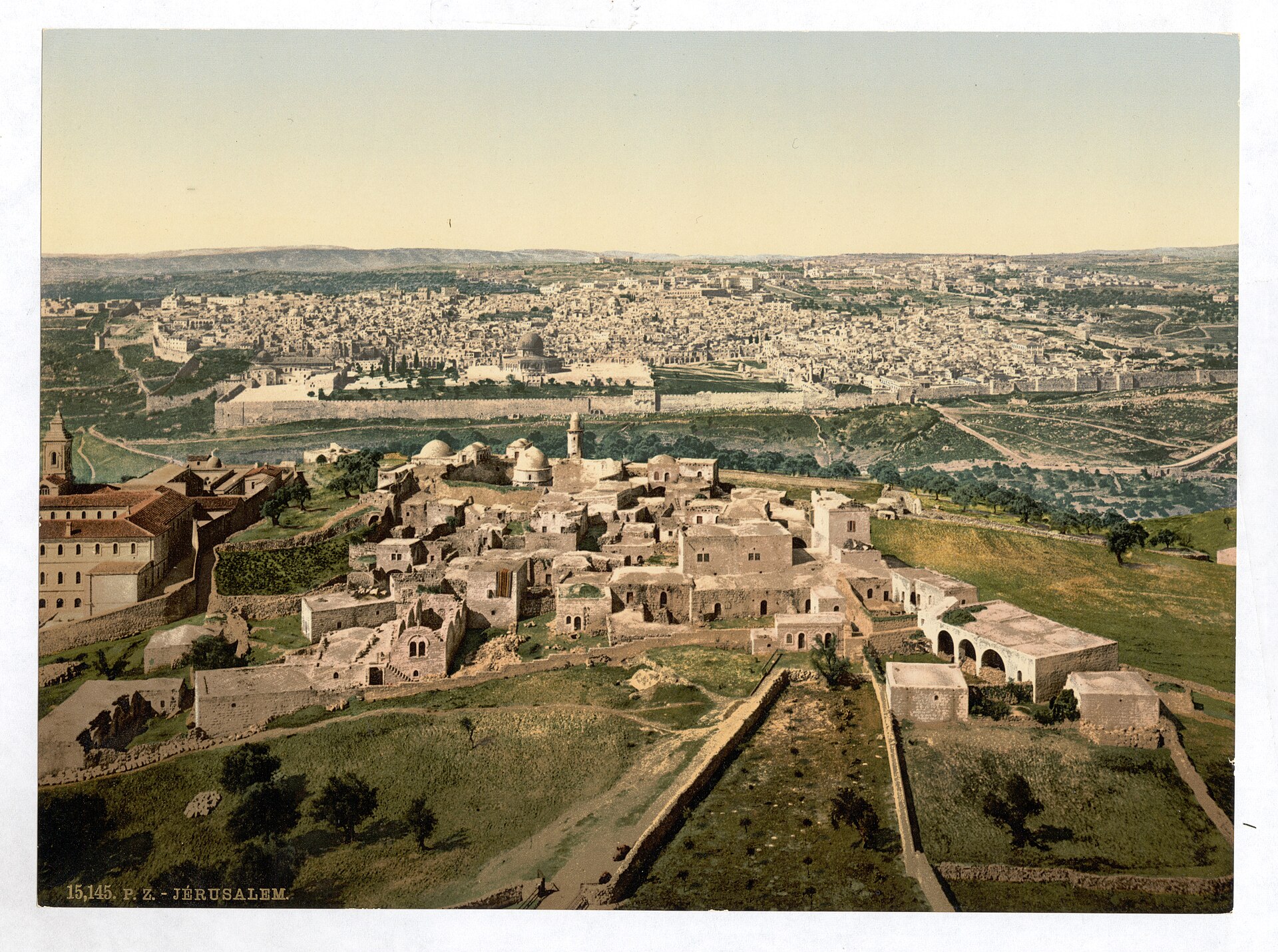
The text does not explain further what the bread and wine mean, and Hebrews 7, which deals with this scene, does not mention that detail either. What Scripture repeatedly draws attention to is who Melchizedek was and what he proclaimed. Genesis records nothing about Melchizedek beyond these three verses. Yet Scripture does not forget his name. It appears again later in the Psalms as God’s oath: “Yahweh has sworn, and will not change his mind: You are a priest forever in the order of Melchizedek” (Psalm 110:4, WEB). The same psalm sings of this king ruling in the midst of his enemies (Psalm 110:1-2). The name Salem also reappears within Scripture, where a psalm sets Salem side by side with Zion: “His tabernacle is also in Salem; His dwelling place in Zion” (Psalm 76:2, WEB).
Hebrews reads these two texts, Genesis 14 and Psalm 110, together to explain Jesus. First it unfolds the meaning of the name: “being first, by interpretation, king of righteousness, and then also king of Salem, which is king of peace” (Hebrews 7:2, WEB). Then it draws attention to the fact that Genesis records no genealogy for him: “without father, without mother, without genealogy, having neither beginning of days nor end of life, but made like the Son of God), remains a priest continually” (Hebrews 7:3, WEB). Hebrews itself immediately explains what this means: “but he whose genealogy is not counted from them has accepted tithes from Abraham, and has blessed him who has the promises” (Hebrews 7:6, WEB). His priesthood did not come from bloodline or from the lineage of the law. The same man, called Abram in Genesis and Abraham in Hebrews, the new name God gave him (Genesis 17:5), received a blessing from Melchizedek and gave him a tenth even though he was the ancestor who had received the promises. Hebrews sums up the meaning this way: “But without any dispute the lesser is blessed by the greater” (Hebrews 7:7, WEB).
All of this points to one Person: “where as a forerunner Jesus entered for us, having become a high priest forever after the order of Melchizedek” (Hebrews 6:20, WEB). The priests of Levi had to be replaced because of death (Hebrews 7:23), but “he, because he lives forever, has his priesthood unchangeable” (Hebrews 7:24, WEB). So Hebrews concludes: “Therefore he is also able to save to the uttermost those who draw near to God through him, seeing that he lives forever to make intercession for them” (Hebrews 7:25, WEB). The king and priest who blessed Abram on his return from battle was a picture that showed in advance the eternal King and High Priest who even now intercedes for us.
4. Not a Thread nor a Sandal Strap — Abram Refuses the King of Sodom (Genesis 14:21-24)
Now the king of Sodom speaks: “Give me the people, and take the goods to yourself” (Genesis 14:21, WEB). On the surface it is a generous offer. But Abram’s answer is firm: “I have lifted up my hand to Yahweh, God Most High, possessor of heaven and earth” (Genesis 14:22, WEB). To the name of God that Melchizedek used in his blessing, Abram adds the name Yahweh. He confesses that God Most High, whom Melchizedek praised, is none other than Yahweh, the God Abram had worshiped at Bethel and at Mamre (Genesis 13:4, 13:18).
Then he gives his reason for refusing: “that I will not take a thread nor a sandal strap nor anything that is yours, lest you should say, I have made Abram rich” (Genesis 14:23, WEB). Abram wanted to leave no room for anyone to say that the king of Sodom had made him rich. Just two chapters earlier, out of fear, he had lied, and as a result he had received sheep, cattle, servants, donkeys, and camels from Pharaoh (Genesis 12:16). Compared with that time, the Abram of this chapter is a different man. It was God who had promised to make him a blessing and to make his name great (Genesis 12:2). He had no reason to receive that blessing from the hand of the king of Sodom.
At the same time, Abram did not impose his conviction on others. He let the young men keep what they had eaten and let his allies Aner, Eshcol, and Mamre take their share (Genesis 14:24). He himself took nothing, just as he had sworn before God, while respecting the rightful share of others. And to Abram, who came home empty-handed, God said in the very next chapter that he himself would be his shield and his exceedingly great reward (Genesis 15:1).
Theme — What Genesis 14 Means in the Whole of Scripture
The loudest voice in Genesis 14 belongs neither to the kings of the east nor to the men who fought with Abram. It belongs to God Most High, possessor of heaven and earth, whom Melchizedek and Abram confessed together (Genesis 14:19, 14:22). Even while kings were making and breaking alliances and fighting over land, the Owner of heaven and earth was God, and it was God who delivered the enemies (Genesis 14:20).
This scene does not end within Genesis. Psalm 110 promised an eternal priest in the order of Melchizedek (Psalm 110:4), and Hebrews proclaims that this promise was fulfilled in Jesus Christ (Hebrews 6:20, 7:15-17). And the risen Jesus said to his disciples: “Jesus came to them and spoke to them, saying, All authority has been given to me in heaven and on earth” (Matthew 28:18, WEB). On the basis of that authority he then commanded them to make disciples of all nations, and promised to be with them always, even to the end of the age (Matthew 28:19-20). The promise that all the families of the earth would be blessed through Abram (Genesis 12:3) continues, in Jesus the eternal King and High Priest, as the mission of his disciples going out to all nations.
Application
-
Go to rescue a brother in the wrong place rather than blame him. Lot became a captive because of his own choice, yet Abram did not argue over who was responsible; he rose up at once. Beside us, too, are brothers and sisters who have collapsed under the consequences of wrong choices. The word that calls us to love not in word or tongue only, but in deed and truth (1 John 3:18), asks for concrete steps toward them.
-
After a victory, praise God first. Melchizedek did not praise Abram’s courage; he praised God, who had delivered the enemies into his hand (Genesis 14:20). Whenever things go well and we are tempted to credit our own effort and planning, we need to return to the confession that victory is with Yahweh (Proverbs 21:31).
-
Discern the rewards the world holds out to you. The king of Sodom’s offer looked like fair spoils of war, but Abram would not receive wealth from that hand. What we receive, and from whose hand, reveals whom we truly depend on. A person who believes that God is our exceedingly great reward does not stake his identity on so much as a thread or a sandal strap (Genesis 14:23, 15:1).
-
Rely on Jesus, our eternal High Priest. Melchizedek appeared once, blessed Abram, and disappeared, but Jesus lives forever and intercedes for us (Hebrews 7:25). Even on days when we are weary and have fallen, we can draw near to God with confidence through him. And relying on the authority in heaven and on earth that he has received, we go out on the mission of sharing the gospel with the person beside us today and building that person up as a disciple.
References
- bible.com — Genesis 14, Korean Revised Version (KRV, Korean Bible Society)
- bible.com — Genesis 13, Korean Revised Version (KRV)
- bible.com — Psalm 110, Korean Revised Version (KRV)
- bible.com — Hebrews 7, Korean Revised Version (KRV)
- bible.com — Matthew 28, Korean Revised Version (KRV)
- Wikipedia — Dead Sea
- Wikipedia — Dan (ancient city)
- Korean Bible Society