
Most of us remember a moment when we should have spoken about our faith but swallowed the words instead. We did not want to spoil the mood, we were not sure we could explain it well, or we worried about looking odd, so we let the moment pass. Romans 1:16 lets us hear Paul’s confession in exactly that place. He is not ashamed of the gospel, and the reason is not the speaker’s courage or eloquence. It is that the gospel is the power of God for salvation to everyone who believes.
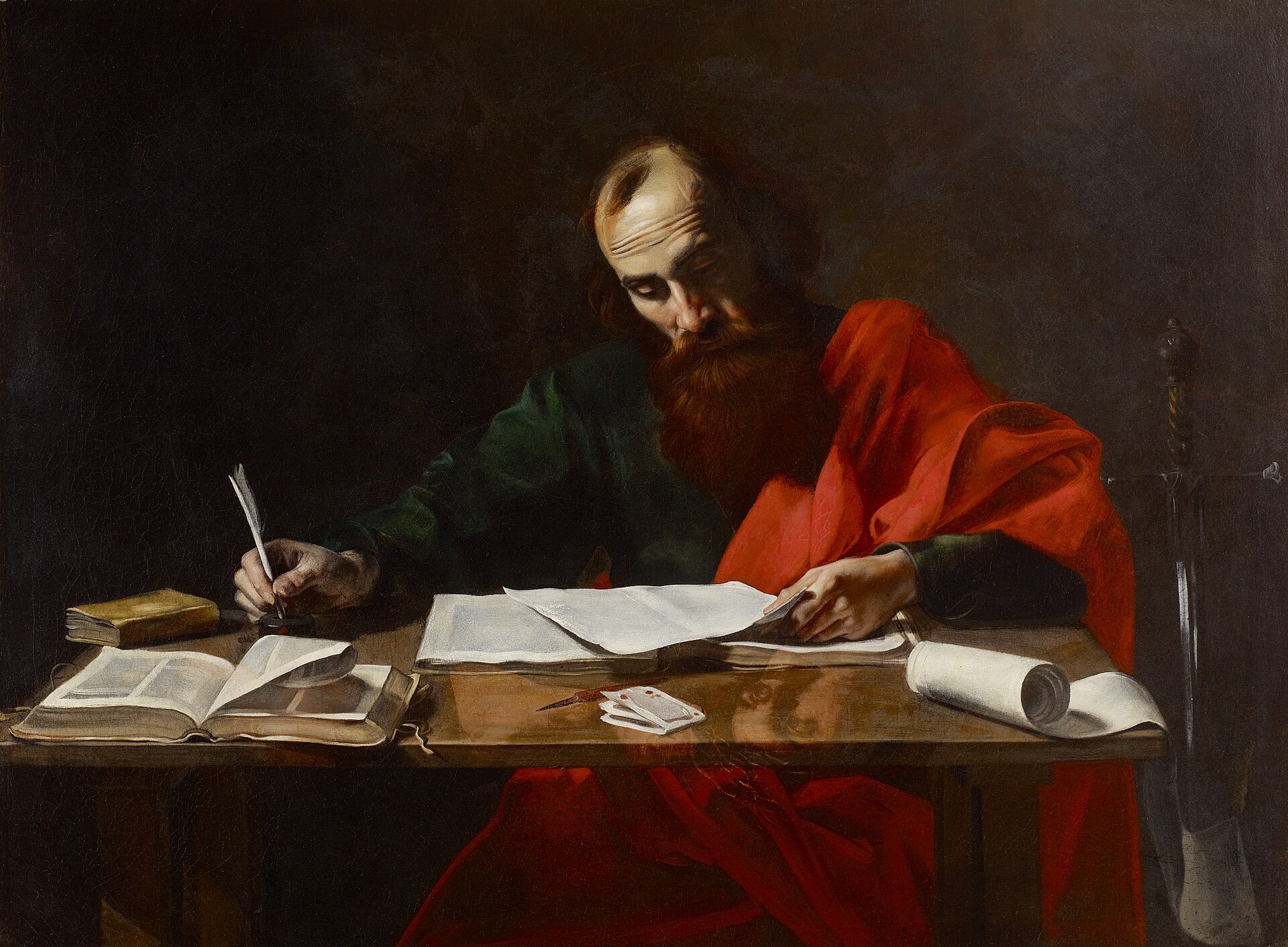
Direct Scripture quotations in this English article are from the World English Bible (WEB), which is in the public domain. We will read the key verse, Romans 1:16, together with Romans 1:17, look at the surrounding context and at other passages of Scripture, and then move into memorization and prayer.
Reading Romans 1:16–17 Together
For I am not ashamed of the Good News of Christ, for it is the power of God for salvation for everyone who believes; for the Jew first, and also for the Greek.
Romans 1:16, WEB
For in it is revealed God’s righteousness from faith to faith. As it is written, But the righteous shall live by faith.
Romans 1:17, WEB
Romans 1:16 gives Paul’s confession and its reason. After his confession that he is not ashamed of the gospel comes the reason: the gospel is the power of God for salvation to everyone who believes. Romans 1:17 shows what is revealed in that gospel, namely God’s righteousness received by faith. Romans 1:16 is the verse to memorize, but reading on through Romans 1:17 makes it clearer why the gospel is power. A note on wording: the WEB (like the KJV) reads the Good News of Christ, while the Greek text shown in the interlinear reference below, and the Korean translation this article was first written from, read simply the gospel. The meaning is the same, since the gospel Paul preached is the good news about Christ.
Context: The Debtor Who Longed to Reach Rome
Paul writes to believers in Rome whom he had not yet visited, telling them that he had often planned to come but had been hindered (Romans 1:10–13). He then says of himself, “I am debtor” (Romans 1:14, WEB), both to Greeks and to foreigners, to the wise and to the foolish. So, as much as is in him, he is eager to preach the gospel to those in Rome as well (Romans 1:15).
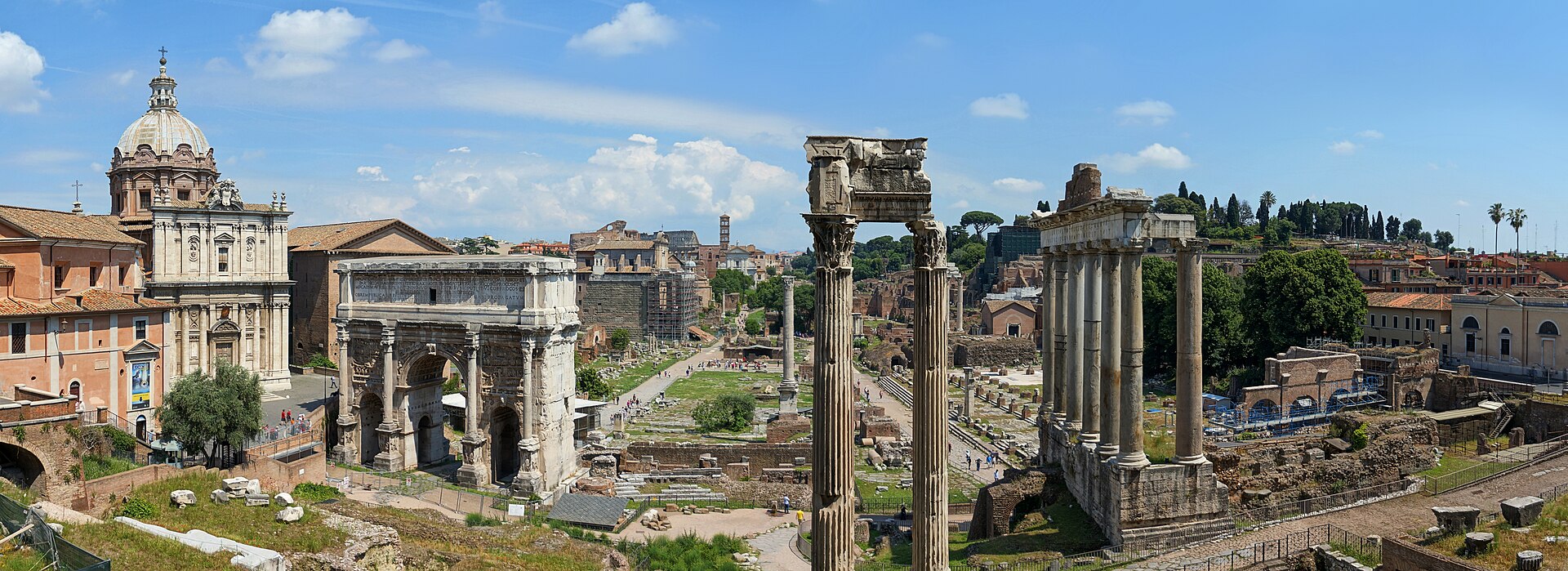
The confession of Romans 1:16 comes out of this flow. Right after his desire to preach the gospel (Romans 1:15), the confession stands as the reason that holds that desire up. Romans 1:16 is less a private conviction kept quietly to oneself than the confession of a person setting out to carry the gospel to others.
Reflection 1: The Roots of a Confession Without Shame
The Greek verb behind being ashamed in Romans 1:16 (ἐπαισχύνομαι) appears 11 times in the New Testament. Reading the passages where it is used shows where Paul’s confession is rooted.
Jesus spoke this word first. He warned that whoever is ashamed of him and of his words in this adulterous and sinful generation, the Son of Man will also be ashamed of when he comes in glory (Mark 8:38, Luke 9:26). Paul’s confession is a response offered before this word of the Lord.
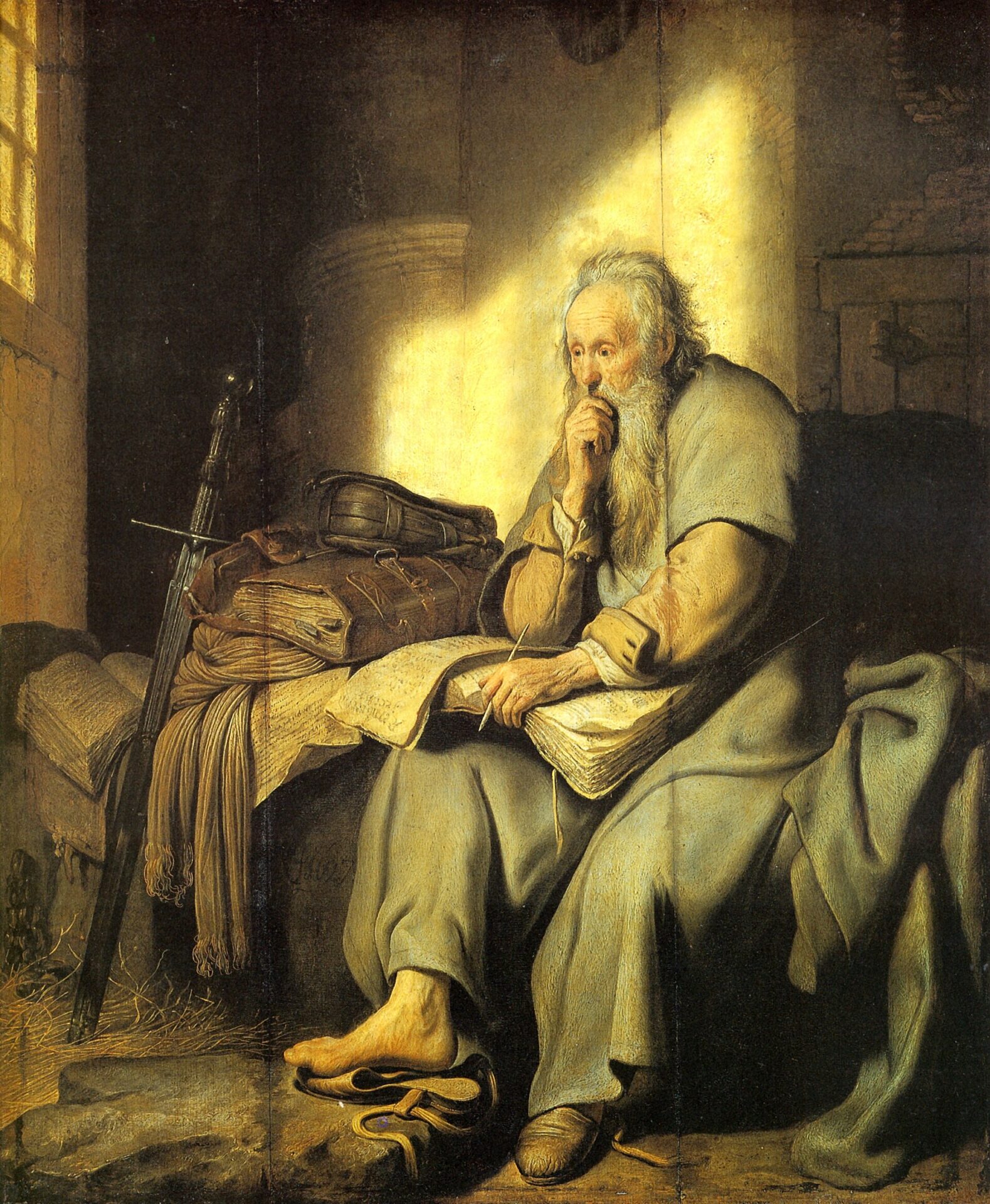
Writing to Timothy from prison, Paul uses the same word again. He urges Timothy not to be ashamed of the testimony of the Lord or of Paul the prisoner, but to endure hardship for the gospel according to the power of God (2 Timothy 1:8), and he explains why he himself is not ashamed.
… I am not ashamed, for I know him whom I have believed, and I am persuaded that he is able to guard that which I have committed to him against that day.
2 Timothy 1:12, WEB
Paul was not unashamed because his circumstances were good. He was unashamed because he knew the one he had believed. Hebrews uses the same word to say something even more astonishing. Jesus, who sanctifies, “is not ashamed to call them brothers” (Hebrews 2:11, WEB), speaking of those who are sanctified, and of those who by faith long for a better, heavenly country, “God is not ashamed of them, to be called their God” (Hebrews 11:16, WEB), and he has prepared a city for them. Before we ever resolve not to be ashamed of the gospel, God has already chosen not to be ashamed of us.
Reflection 2: The Gospel Is the Power of God
The word translated power in Romans 1:16 (δύναμις) is used in the same sense in 1 Corinthians 1:18.
For the word of the cross is foolishness to those who are dying, but to us who are saved it is the power of God.
1 Corinthians 1:18, WEB
In the world’s eyes the message of the cross may look foolish. Yet Scripture says that this very message is the power of God that accomplishes salvation. The content of the gospel Paul preached is that Christ died for our sins according to the Scriptures, that he was buried, and that he was raised on the third day according to the Scriptures (1 Corinthians 15:3–4). The power of the gospel does not come from the persuasiveness of the one who shares it. It comes from the death and resurrection of Christ that the gospel proclaims.
The same word appears in the promise Jesus gave his disciples before his ascension: when the Holy Spirit comes upon them they will receive power, and they will be his witnesses in Jerusalem, in all Judea and Samaria, and to the uttermost parts of the earth (Acts 1:8). The gospel itself is the power of God, and the Holy Spirit also gives power to the witnesses who carry it. Feeling unsure of our words is an honest struggle, but we should also remember that sharing the gospel was never left to our own strength in the first place.
Reflection 3: To Everyone Who Believes, the Gospel for All Nations
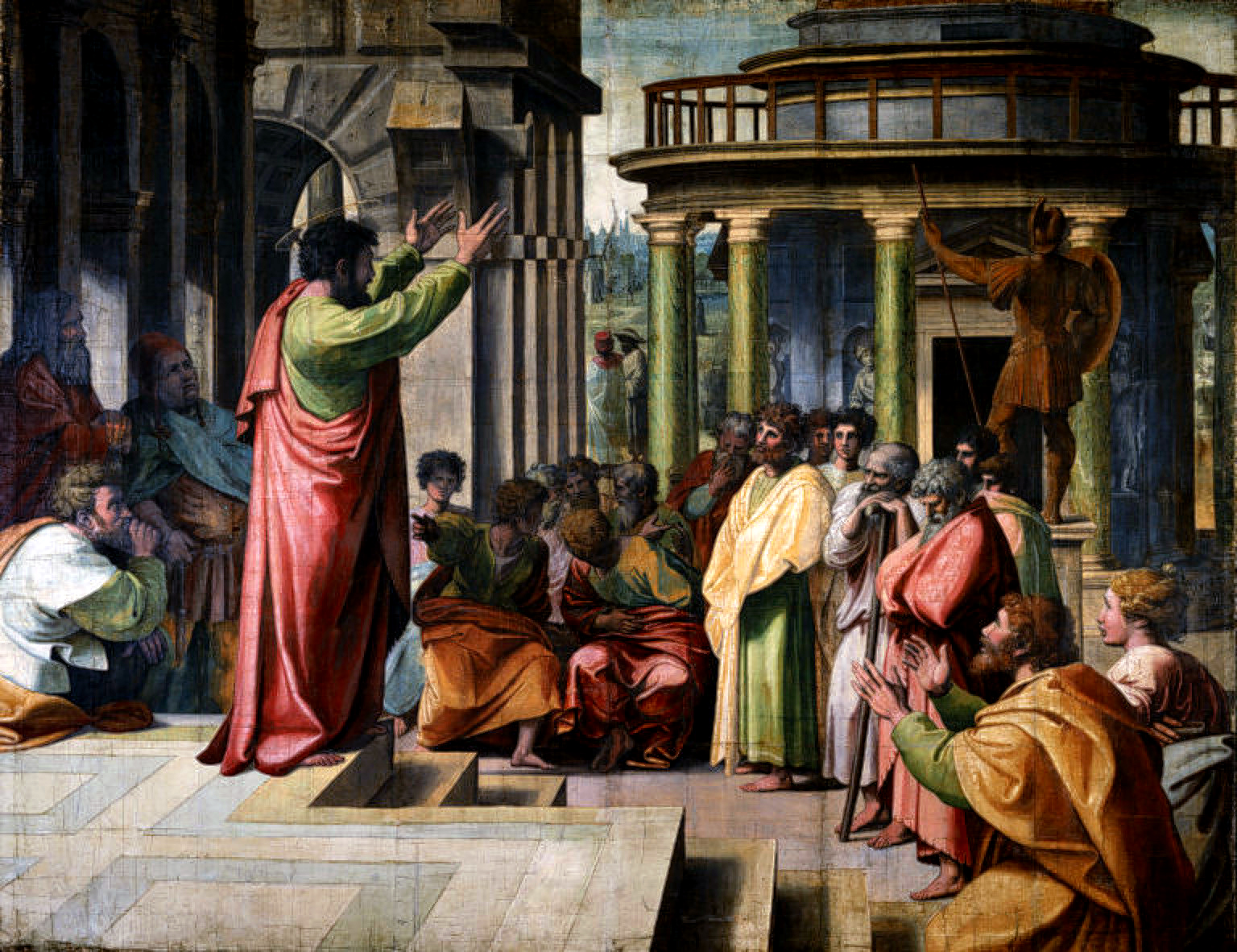
The gospel is the power of God for salvation to everyone who believes. Paul adds, “for the Jew first, and also for the Greek” (Romans 1:16, WEB). The same expression is repeated in Romans 2:9–10, and it fits the order in Acts 13:46, where Paul and Barnabas spoke the word of God first to the Jews and then turned to the Gentiles. At the same time Romans states plainly that “there is no distinction between Jew and Greek” (Romans 10:12, WEB). There was an order in which the gospel went out, but the way of salvation is the same for everyone.
This verse points in the same direction as the Great Commission given by the risen Jesus. The Lord, to whom all authority in heaven and on earth has been given, commanded, “Go, and make disciples of all nations” (Matthew 28:19, WEB). Because the gospel is the power of God to everyone who believes, no nation and no neighbor is left out of those who need to hear it. That is why Paul longed to go to Rome, and it is why we share the gospel with one person today.
Reflection 4: The Righteous Who Live by Faith
Romans 1:17 says that God’s righteousness is revealed in the gospel and quotes the Old Testament. The source is the book of Habakkuk.
… the righteous will live by his faith.
Habakkuk 2:4, WEB
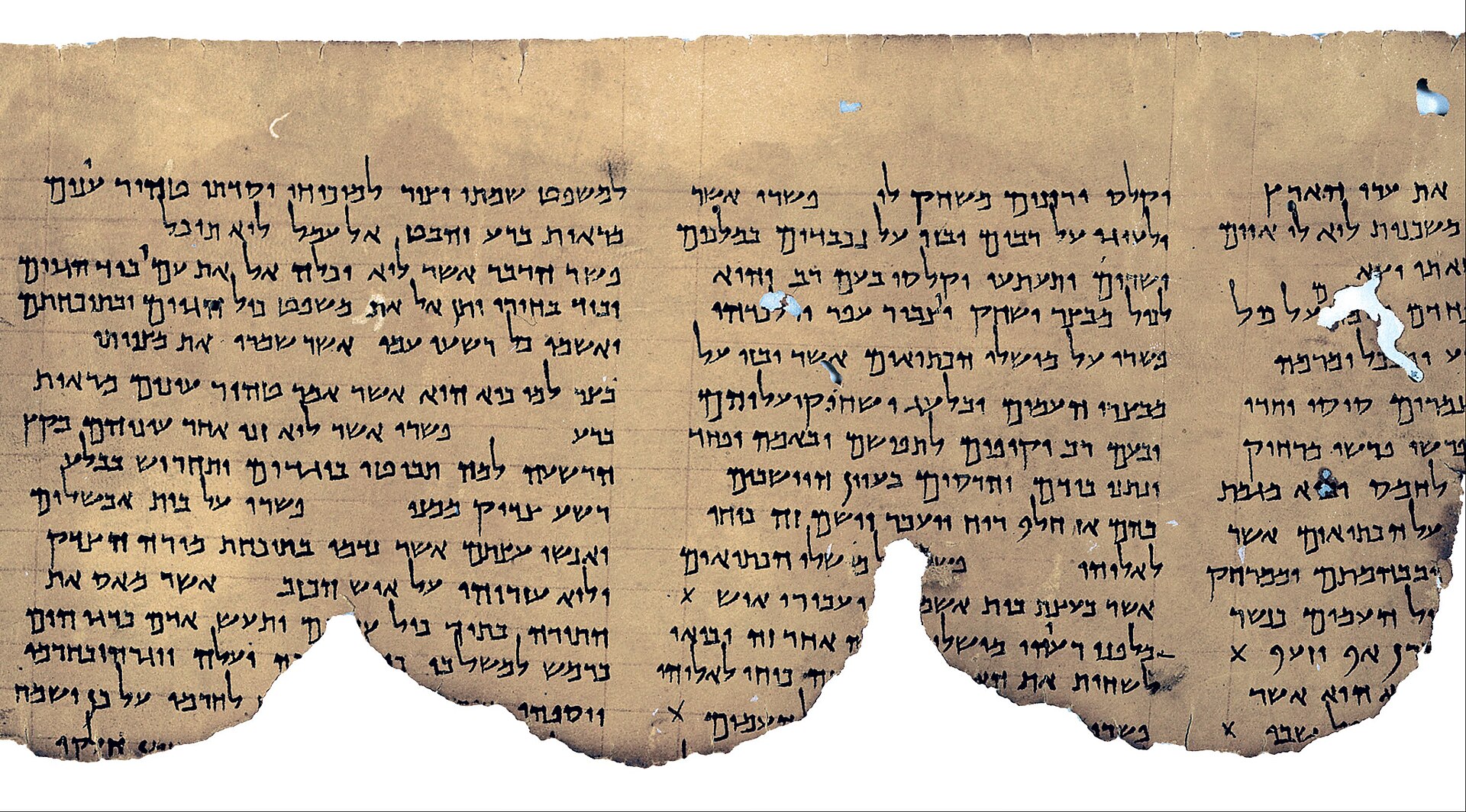
The prophet Habakkuk lived in a time when violence and injustice seemed never to end. He cried out to God with his questions (Habakkuk 1:2–4), and this word came as God’s answer. In Romans 1:17 Paul takes up this word to explain that faith is the way a person is counted righteous before God. So to be unashamed of the gospel does not mean dressing it up as an achievement to boast about. It means not hiding the fact that we have received, by faith, not our own righteousness but the righteousness God has revealed in the gospel.
Memorization: Remember It as Confession, Reason, and Scope

Romans 1:16 is easiest to learn in three parts.
- Confession: “For I am not ashamed of the Good News of Christ” (Romans 1:16, WEB)
- Reason: “for it is the power of God for salvation for everyone who believes” (Romans 1:16, WEB)
- Scope: “for the Jew first, and also for the Greek” (Romans 1:16, WEB)
First read the three parts aloud while looking at the text, then cover one part at a time, say it, and check yourself. If you miss a word, simply reread the whole sentence that contains it. Learn the words exactly as written rather than in your own paraphrase. Once Romans 1:16 feels familiar, go on to memorize “But the righteous shall live by faith” (Romans 1:17, WEB), so that you also remember how the power of the gospel is joined to the righteousness of God received by faith.
Questions for Reflection and a Prayer
- When was the last time you hesitated in a moment when you could have spoken about your faith? What felt most burdensome then?
- How does the truth that the power of the gospel lies not in your eloquence but in Christ’s death and resurrection change that burden?
- Who is one person you would like to share the hope of the gospel with this week, and how will you pray for them?
The following is a sample prayer in response to the passage. It is not a direct quotation of Scripture.
Father God, thank you for the grace of calling me your child and not being ashamed of me. When I need to speak of my faith, help me remember the power of the gospel more than the opinions of others. Help me hold on to the cross and resurrection of Christ rather than my own ability to explain, and by the strength of the Holy Spirit, let me share the hope of the gospel with one person I meet today. In Jesus’ name I pray. Amen.
References
- Romans 1 — Korean Revised Version: the key passage and its context
- Romans 1:16 in parallel translations — checking the KJV and WEB wording
- Romans 1:16 Greek interlinear
- Strong’s 1870 ἐπαισχύνομαι — 11 New Testament occurrences
- Strong’s 1411 δύναμις — New Testament usage (Romans 1:16, 1 Corinthians 1:18, and more)
- 2 Timothy 1 — Korean Revised Version: why Paul was not ashamed
- Hebrews 11 — Korean Revised Version: the God who is not ashamed
- Korean Bible Society — checking licensed Korean translations