
In Matthew 13, Jesus taught about the kingdom of heaven through seven parables. The final three in that sequence, the hidden treasure, the pearl of great price, and the dragnet, make up the passage of Matthew 13:44-51. The first two parables speak of the worth of the kingdom; the last speaks of its end. If we memorize these three pictures together, both how precious the kingdom is and how people will finally be divided before it, they steady our priorities whenever our faith begins to waver.

Today’s Memory Passage — Matthew 13:44-51 (WEB)
The English Scripture quotations in this article are from the World English Bible (public domain).
44 Again, the Kingdom of Heaven is like a treasure hidden in the field, which a man found, and hid. In his joy, he goes and sells all that he has, and buys that field.
45 Again, the Kingdom of Heaven is like a man who is a merchant seeking fine pearls,
46 who having found one pearl of great price, he went and sold all that he had, and bought it.
47 Again, the Kingdom of Heaven is like a dragnet, that was cast into the sea, and gathered some fish of every kind,
48 which, when it was filled, they drew up on the beach. They sat down, and gathered the good into containers, but the bad they threw away.
49 So will it be in the end of the world. The angels will come forth, and separate the wicked from among the righteous,
50 and will cast them into the furnace of fire. There will be the weeping and the gnashing of teeth.
51 Jesus said to them, Have you understood all these things? They answered him, Yes, Lord.
(Matthew 13:44-51, WEB)
Three Parables, One Question — Four Meditation Points
1. In his joy, he sells all — not cost, but joy
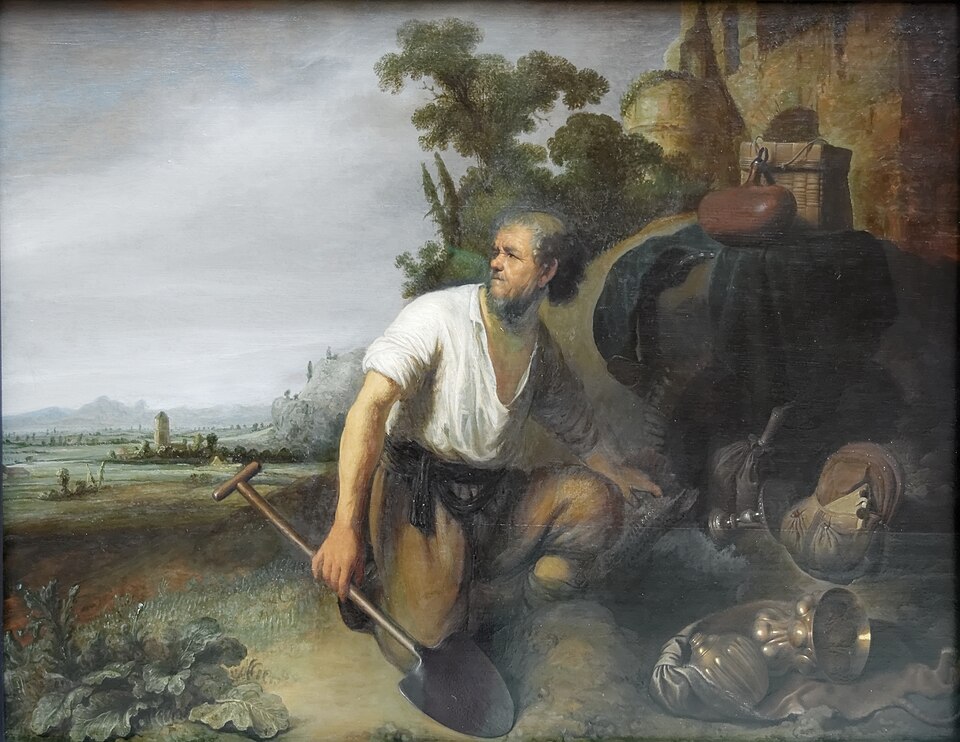
In the parable of the treasure, the brightest word is joy. This man did not grit his teeth and make a sacrifice; the treasure he had found was so great that “In his joy, he goes and sells all that he has” (Matthew 13:44, WEB) and buys the field. Giving things up for the kingdom of heaven is not a losing transaction but a profitable one. Paul was exactly that kind of man. “… what things were gain to me, these have I counted loss for Christ. … for the excellency of the knowledge of Christ Jesus, my Lord” (Philippians 3:7-8, WEB). A disciple’s life is determined not by what he has given up, but by what he has found.
2. A treasure found unexpectedly, a pearl found while seeking — two paths of discovery
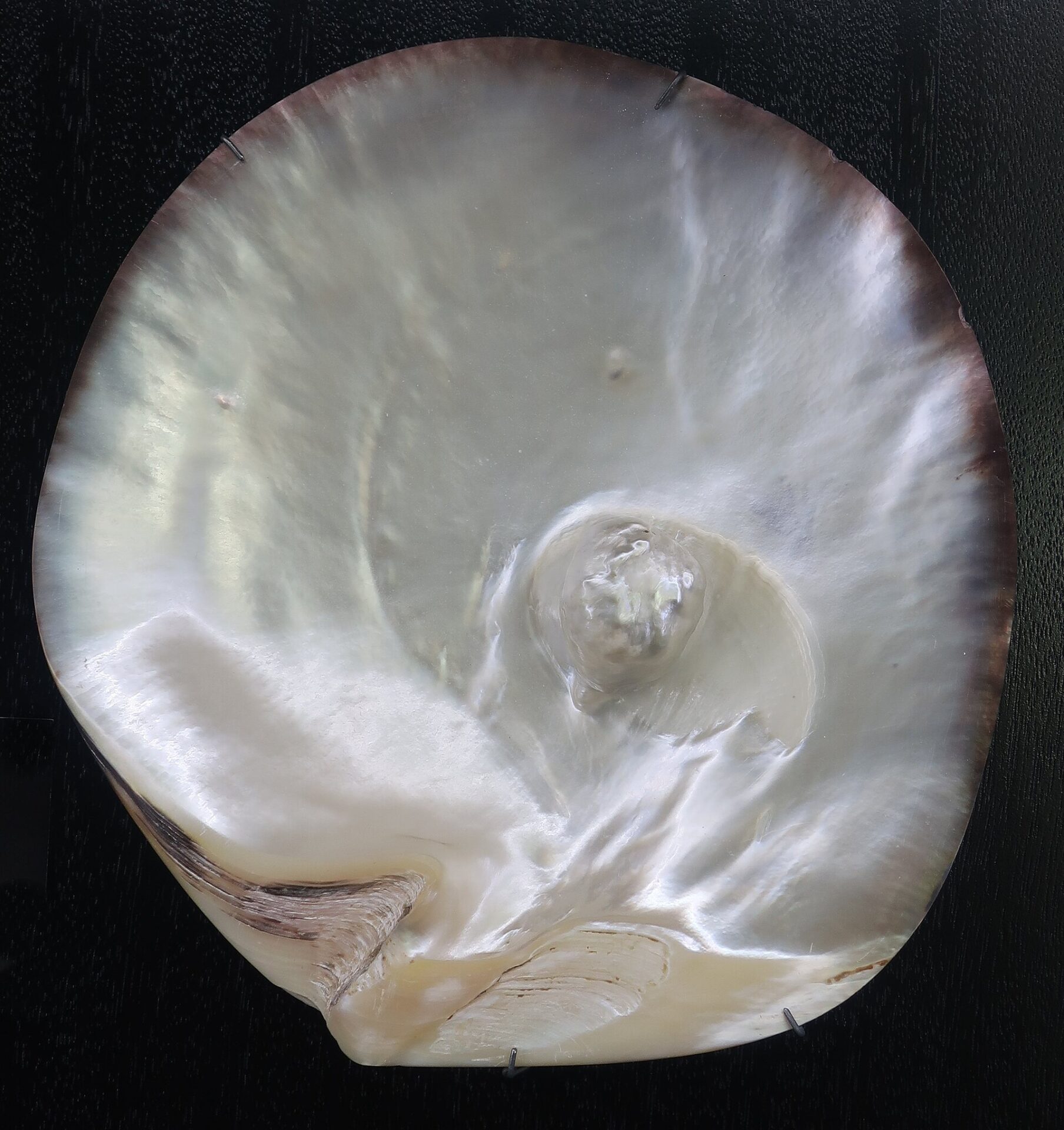
The text does not say what the man was doing when he came upon the treasure. It simply says that he found treasure hidden in a field (Matthew 13:44). The merchant is different. From the start he was a man “seeking fine pearls” (Matthew 13:45, WEB), and on that path came the moment of “having found one pearl of great price” (Matthew 13:46, WEB). The stories of those who come to the kingdom resemble these two paths. Some meet the gospel in an unexpected place, while others find it after a long search. Proverbs encourages the one who seeks: “If you seek her as silver, and search for her as for hidden treasures: then you will understand the fear of Yahweh, and find the knowledge of God” (Proverbs 2:4-5, WEB). The paths differ, but the conclusion is the same. Both men sold everything they had to buy what they found (Matthew 13:44, 13:46).
3. A net that gathers fish of every kind — a time when all is still mixed
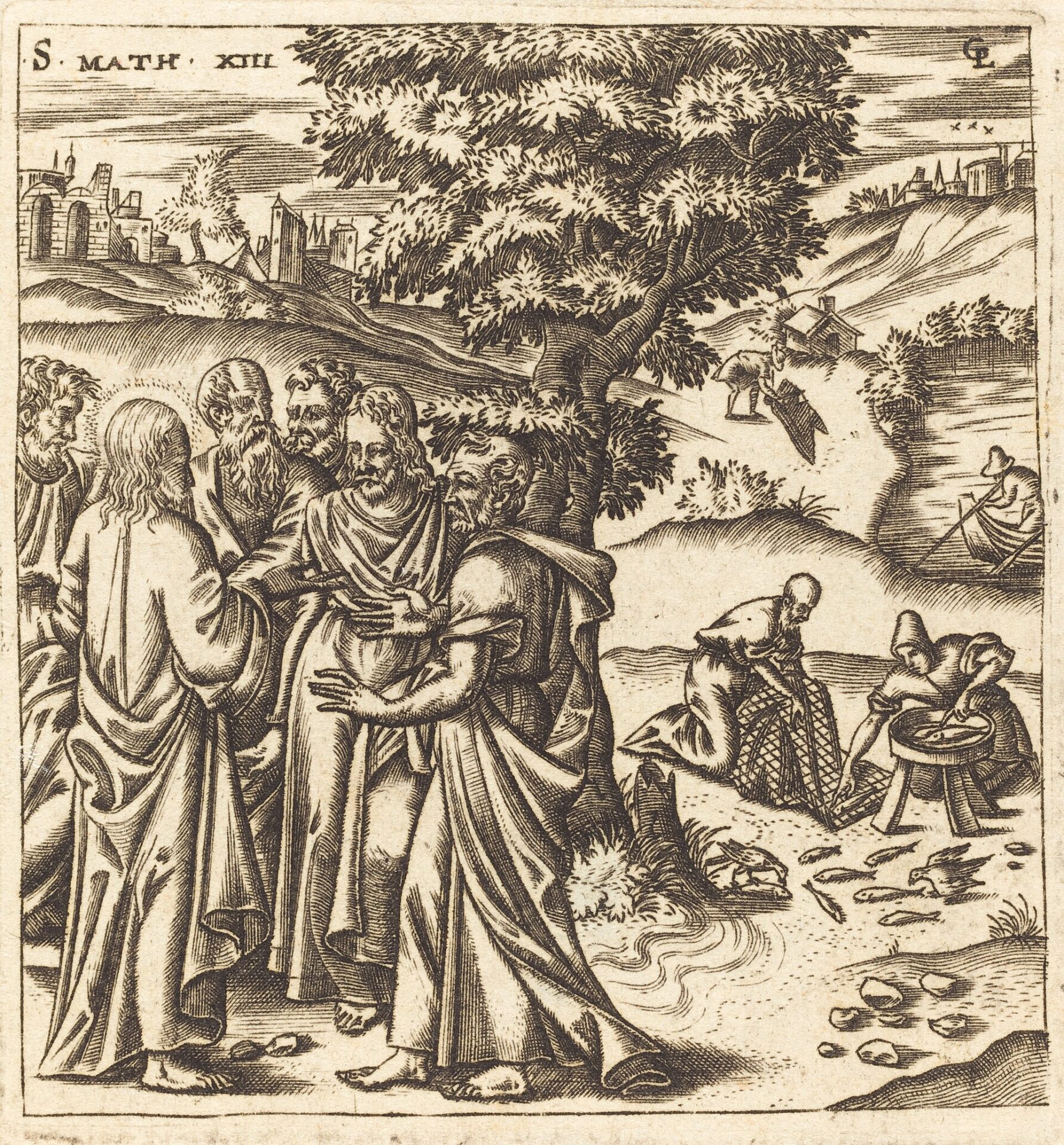
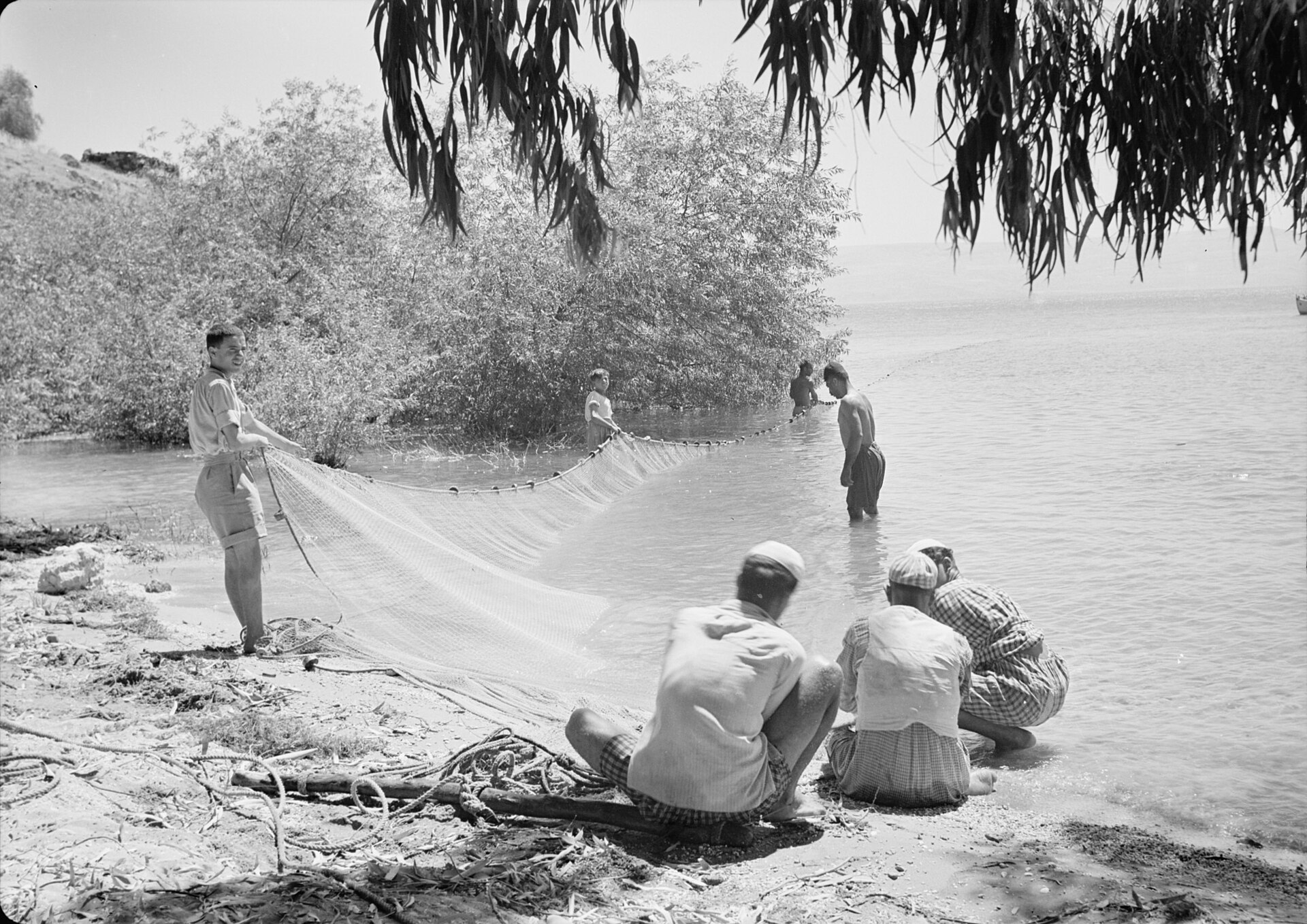
The parable of the dragnet has a different texture from the first two. The net here (Greek σαγήνη) is a dragnet, cast into the sea and hauled to the shore. It gathers good fish and bad fish without distinction (Matthew 13:47). In the picture of the parable, the fishermen sit down and sort the fish (Matthew 13:48), but in Jesus’ explanation the real separation is something the angels will do at the end of the age (Matthew 13:49). In the parable of the weeds in the same chapter, the master also says, “Let both grow together until the harvest” (Matthew 13:30, WEB), and Jesus explains that the harvest is the end of the age (Matthew 13:39). The sorting belongs to the last day; it is not the task entrusted to us now.
What kind of time, then, is the present, before that end? The end of the world in Matthew 13:49 translates a Greek expression meaning the completion of the age (συντέλεια τοῦ αἰῶνος), and in the New Testament this expression appears only in Matthew (Matthew 13:39, 13:40, 13:49, 24:3, 28:20). Its last occurrence is the promise of the Great Commission: “Behold, I am with you always, even to the end of the age” (Matthew 28:20, WEB). The World English Bible renders the expression the end of the world in Matthew 13:49 and the end of the age in Matthew 28:20, but Matthew uses the same words in both places. Before the day when the net is hauled in and sorted, while the net is still in the sea, this is the time in which the Lord is with his disciples and sends them to bring the gospel to all nations. For those who grow discouraged by the mixture within the church, this parable teaches us not to rush to judgment, but to leave the end to the Lord and be faithful in the work entrusted to us now.
4. Have you understood all these things? — the question where the parables end
When Jesus finished the parables, he asked his disciples a question, and they answered that they had understood (Matthew 13:51). The parables are not stories to admire from a distance, but words that call for an answer. Jesus then went on to say what kind of person the one who understands becomes: “Therefore, every scribe who has been made a disciple in the Kingdom of Heaven is like a man who is a householder, who brings out of his treasure new and old things” (Matthew 13:52, WEB). The verb translated made a disciple here (μαθητεύω) appears only four times in the New Testament, and one of them is the Great Commission’s command to “make disciples of all nations” (Matthew 28:19, WEB). A disciple who has understood the kingdom does not keep the treasure to himself but brings it out and shares it. Everyone who memorizes this passage stands before the same question each time. Have I truly understood the worth of the kingdom of heaven, and am I living and sharing according to that understanding?
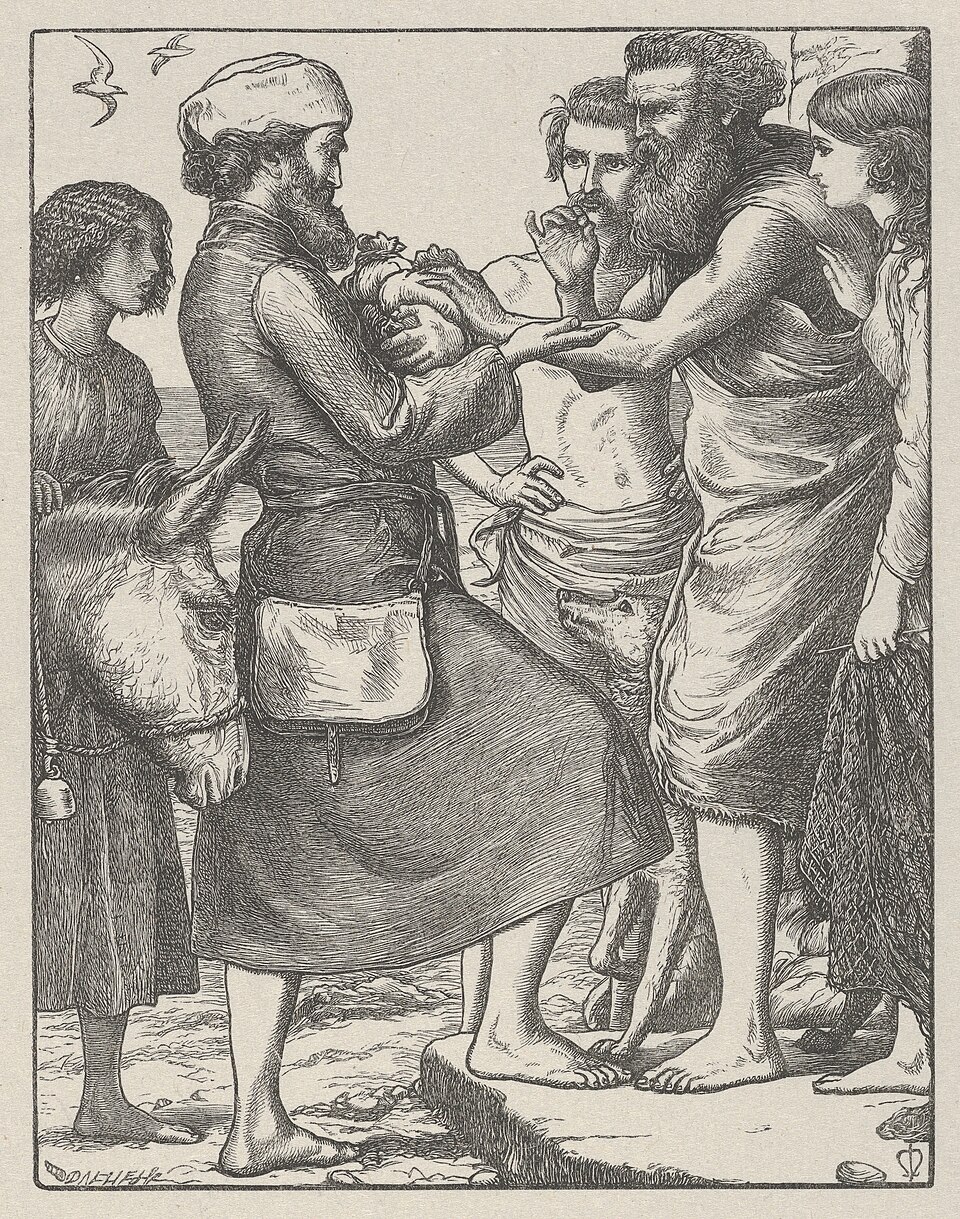
Background of the Passage — The Day of the Kingdom Parables
Matthew 13 records a day when Jesus went out of the house and sat by the sea, and when great crowds gathered, he got into a boat, sat down, and taught them in parables (Matthew 13:1-3). He gave the parables of the sower, the weeds, the mustard seed, and the leaven to the crowd standing on the beach. Afterward he left the crowd and went into the house, and when the disciples asked him to explain the parable of the weeds, he explained it and then went on to speak the three parables of the treasure, the pearl, and the dragnet (Matthew 13:36-51). In other words, this passage is advanced instruction given inside the house to people who had already begun to follow him. Only those who know the value of the kingdom can pay the cost, and only those who know the end can wait without wavering.
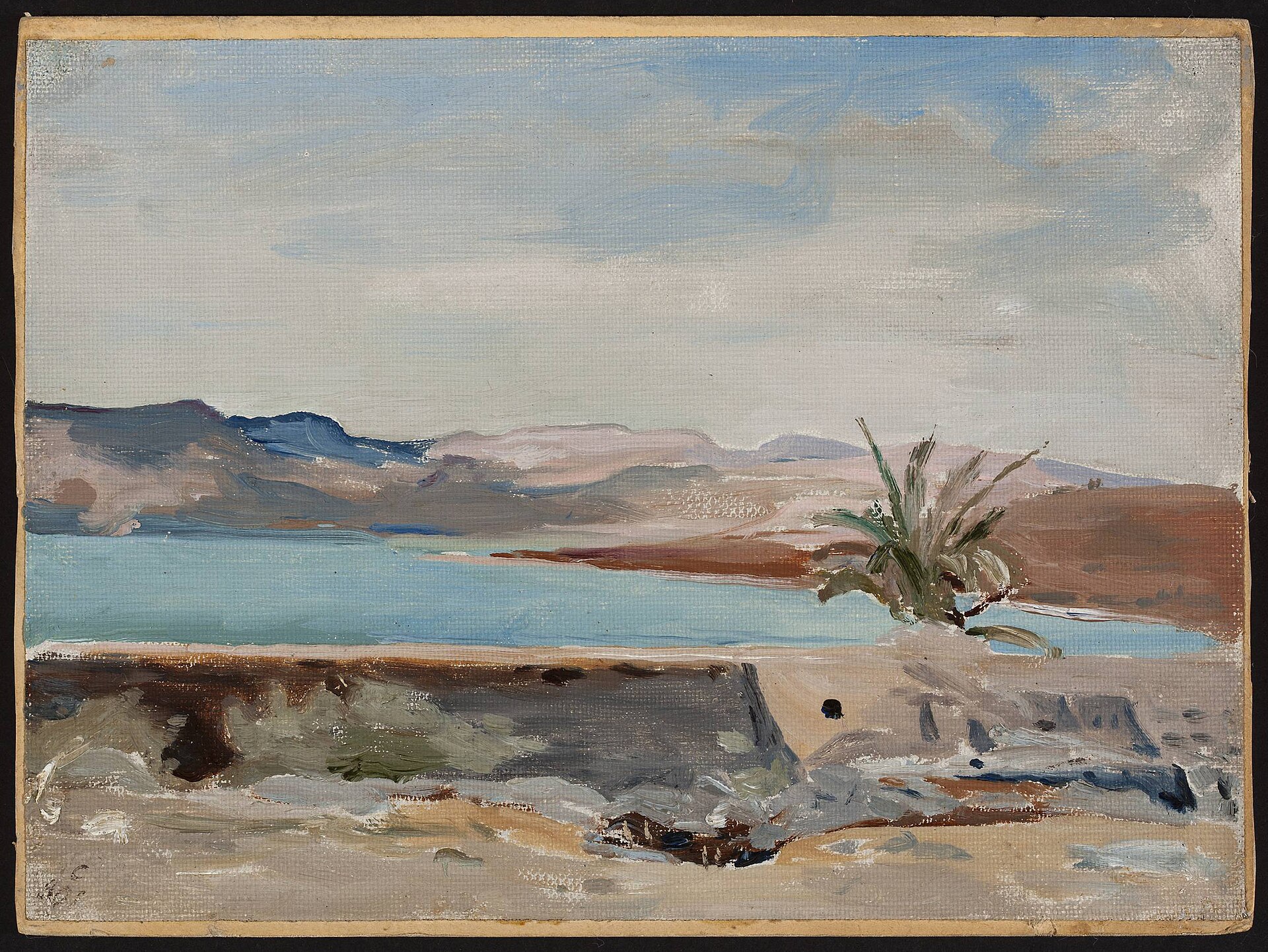
Why Memorize This Passage?
First, because we need it for the days when our priorities collapse. On days when money, advancement, or relationships seem bigger than the kingdom of heaven, the two scenes of selling everything to buy the treasure and the pearl recalibrate the scales.
Second, because it reminds the delaying heart that there is a deadline. The words “So will it be in the end of the world” (Matthew 13:49, WEB) in the parable of the dragnet remind us that the invitation of the gospel will not remain open forever.
Third, because it becomes language for evangelism. The stories of the treasure and the pearl are pictures that communicate immediately even to someone without faith. As we rely on the Lord’s promise to be with us to the end of the age (Matthew 28:20), a memorized parable becomes a good tool for explaining the gospel.
How to Memorize It — Treasure · Pearl · Dragnet
- Matthew 13:44 — Treasure: Memorize it as a chain of five actions: found · hid · in his joy · sells all · buys.
- Matthew 13:45-46 — Pearl: If you hold onto the movement seeking fine pearls → one pearl of great price → sold all and bought it, the two verses connect like a single sentence. Remember also that the treasure and the pearl both end with selling all.
- Matthew 13:47-50 — Dragnet: Add end of the world · angels · separate · furnace of fire to the five actions cast · gathered · drew up · gathered the good · threw away the bad.
- Matthew 13:51 — Question: Finish with the exchange Have you understood? — Yes, Lord.
Questions for Application
- Do I remember the joy of discovering the kingdom of heaven? If that joy has grown cold, what has taken its place?
- What am I delaying in laying down for the sake of the kingdom right now?
- When I face the mixture within the church and the world, am I trying to become an impatient judge, or do I leave the sorting to the last day and stand where the gospel is being shared now?
- How would I answer Jesus’ final question today? With whom will I share what I have understood this week?
Scripture Videos
References
- YouVersion Korean Revised Version — Matthew 13 (in Korean)
- YouVersion Korean Revised Version — Matthew 28 (in Korean)
- YouVersion Korean Revised Version — Philippians 3 (in Korean)
- YouVersion Korean Revised Version — Proverbs 2 (in Korean)
- BibleHub parallel versions — Matthew 13:44
- BibleHub interlinear — Matthew 13:47 (σαγήνη)
- BibleHub Strong’s Greek 4930 — occurrences of συντέλεια
- BibleHub Strong’s Greek 3100 — occurrences of μαθητεύω