
“God is love” (1 John 4:8, WEB). Scripture rarely says who God is in so few words. Earlier in the same letter we also read that “God is light” (1 John 1:5, WEB). Yet 1 John 4:7-12 does not leave this declaration as a sentimental slogan. Within six verses it shows, in order, where love comes from, how that love was revealed, and how those who have received it must live. This is a passage whose flow comes alive when you memorize all six verses together rather than one verse at a time. The English Scripture quotations in this article are from the World English Bible (WEB), which is in the public domain.
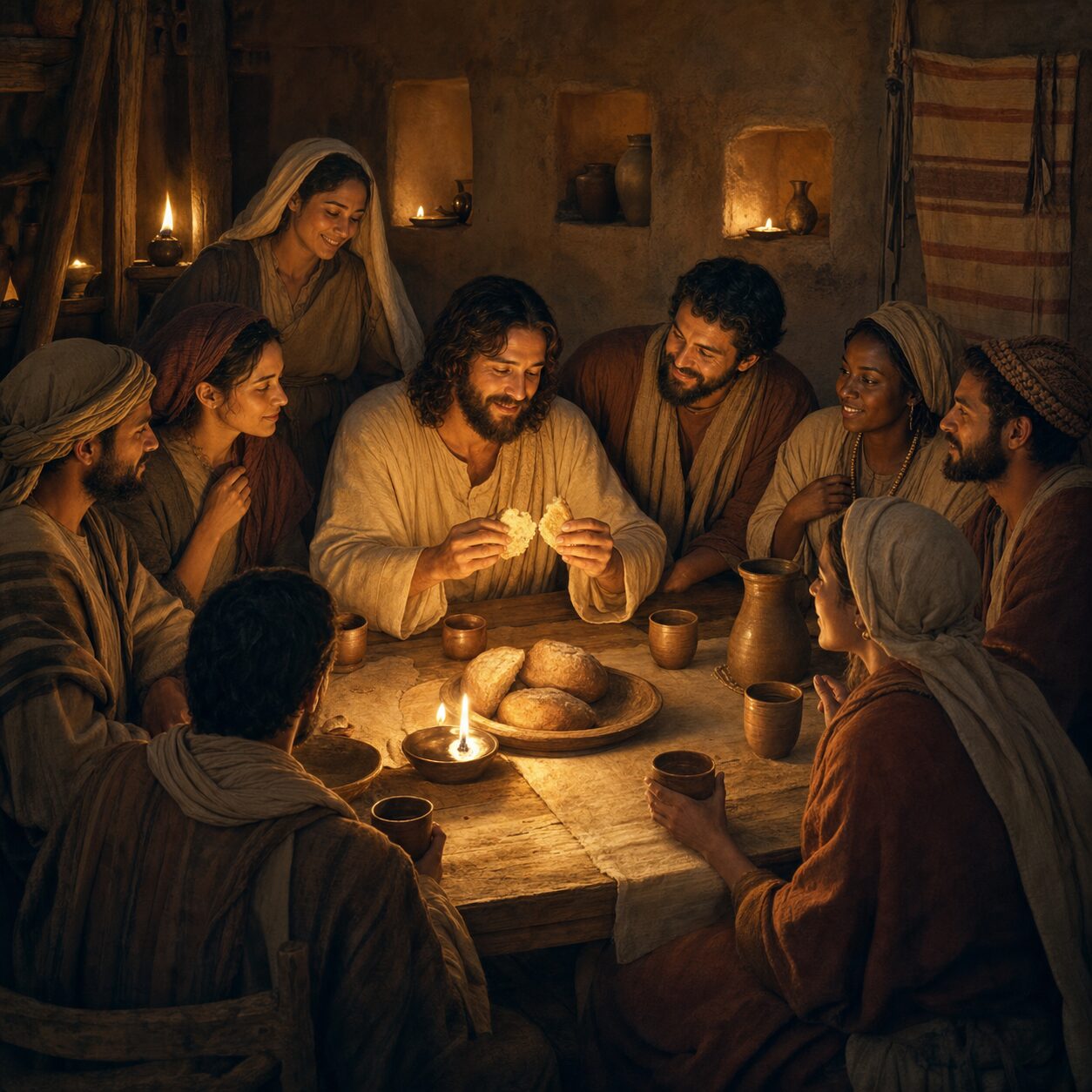
Today’s Memory Passage — 1 John 4:7-12 (WEB)
7 Beloved, let us love one another, for love is of God; and everyone who loves is born of God, and knows God.
8 He who doesn’t love doesn’t know God, for God is love.
9 By this God’s love was revealed in us, that God has sent his one and only Son into the world that we might live through him.
10 In this is love, not that we loved God, but that he loved us, and sent his Son as the atoning sacrifice for our sins.
11 Beloved, if God loved us in this way, we also ought to love one another.
12 No one has seen God at any time. If we love one another, God remains in us, and his love has been perfected in us.
(1 John 4:7-12, WEB)
The Source, Proof, Direction, and Indwelling of Love — Four Meditation Points
1. The Source of Love — 1 John 4:7-8
The passage opens with the exhortation “Beloved, let us love one another” (1 John 4:7, WEB), but it does not ground that command in human willpower. Love is of God, and the reason is that God is love (1 John 4:8). A few verses later John repeats the same confession, that God is love, and continues: “…he who remains in love remains in God, and God remains in him” (1 John 4:16, WEB). Love flows from who God is. So, as the words “everyone who loves is born of God, and knows God” (1 John 4:7, WEB) make clear, true love becomes a sign that points to God, its source. Conversely, 1 John 4:8 says that whoever does not love does not know God. If your strength to love has run dry, return to the source before you simply try harder.
2. The Proof of Love — 1 John 4:9-10
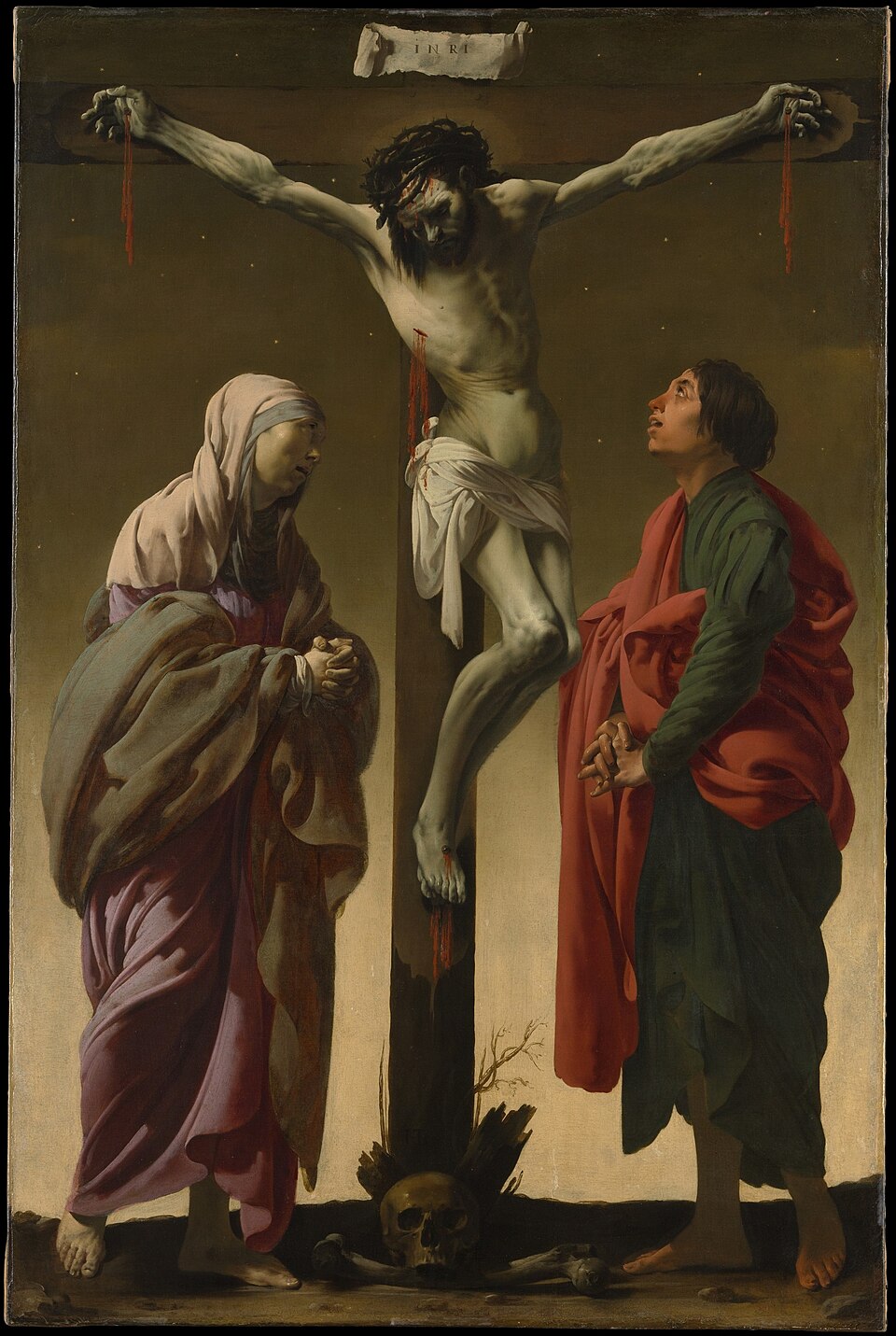
1 John 4:9-10 explains love not as a feeling but as something God has done. God sent his one and only Son into the world, and the purpose was “that we might live through him” (1 John 4:9, WEB). Then John fixes the starting point of love: “In this is love, not that we loved God, but that he loved us…” (1 John 4:10, WEB). The same chapter sums it up again in one line: “We love him, because he first loved us.” (1 John 4:19, WEB).
The Greek word ἱλασμός (hilasmos), which the WEB renders as atoning sacrifice in 1 John 4:10, appears in the New Testament only twice: in 1 John 2:2 and 1 John 4:10. John had written earlier: “And he is the atoning sacrifice for our sins, and not for ours only, but also for the whole world.” (1 John 2:2, WEB). The Son was sent for our sins, and that work was accomplished on the cross. Paul bears witness to the same truth: “But God commends his own love toward us, in that while we were yet sinners, Christ died for us.” (Romans 5:8, WEB). God’s love always carries the evidence of the cross.
3. The Direction of Love — 1 John 4:11
The love we have received must flow outward. The logic of 1 John 4:11 is simple. If God loved us “in this way” (1 John 4:11, WEB), then we also ought to love one another. This phrase points back to the love described just before in 1 John 4:9-10, the love that sent the Son. John used the same logic in chapter 3: “By this we know love, because he laid down his life for us. And we ought to lay down our lives for the brothers.” (1 John 3:16, WEB). And that love does not stop at words: “My little children, let’s not love in word only, neither with the tongue only, but in deed and truth.” (1 John 3:18, WEB).
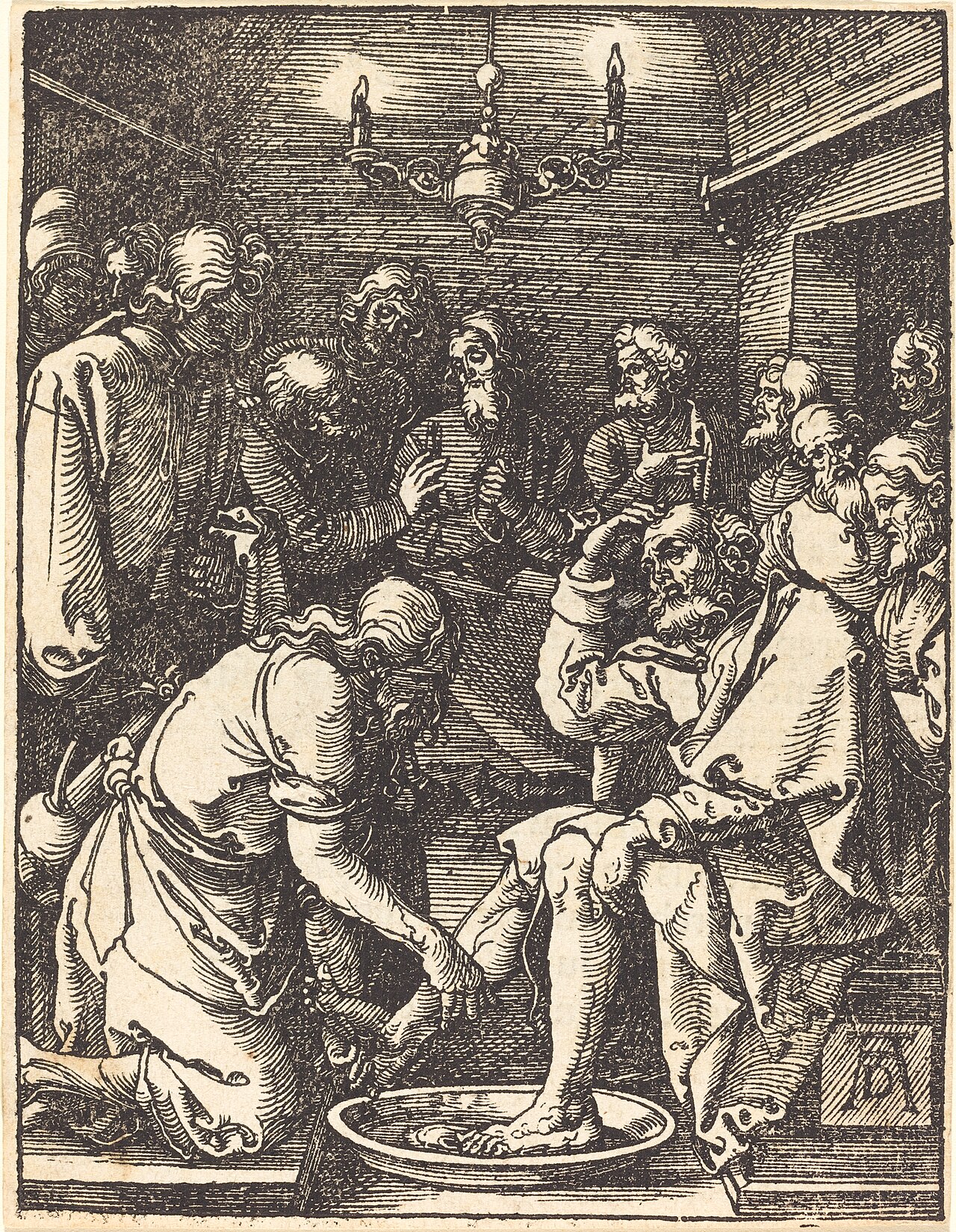
This lines up exactly with the new commandment Jesus gave: “A new commandment I give to you, that you love one another, just like I have loved you; that you also love one another. By this everyone will know that you are my disciples, if you have love for one another.” (John 13:34-35, WEB). Jesus gave this commandment on the same evening he washed his disciples’ feet (John 13:4-5). A community that loves one another is the sign by which the world recognizes the disciples of Jesus.
4. God Remains in Us — 1 John 4:12
1 John 4:12 begins with a surprising statement: “No one has seen God at any time” (1 John 4:12, WEB). Yet the conclusion of that sentence is not despair.
John’s Gospel contains an almost identical sentence: “No one has seen God at any time. The one and only Son, who is in the bosom of the Father, he has declared him.” (John 1:18, WEB). Just as the one in the bosom of the Father has made the invisible God known, 1 John 4:12 says that when those who have received that love love one another, God remains in them and his love is perfected in them. No one has seen God, but his love becomes visible in a community that loves one another.
1 John 4:20 confirms the same truth from the other side: whoever does not love the brother he has seen cannot love the God he has not seen. The mutual love of the church is more than a warm atmosphere; it is evidence that God is truly present among his people.
Background of the Passage — A Letter Calling Believers to Love One Another in the Face of False Teaching
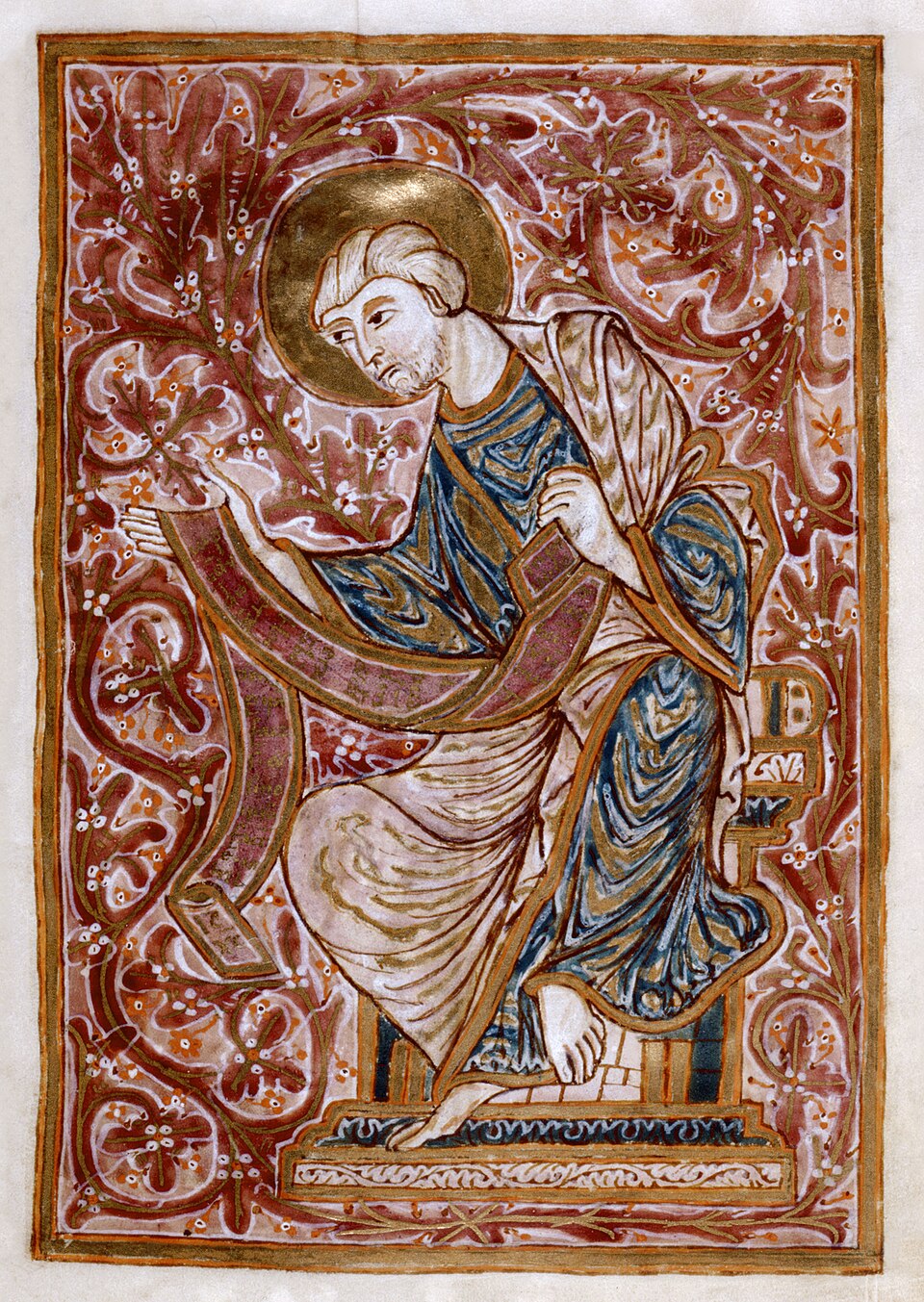
The First Epistle of John (1 John) does not name its author in the text. Yet the writer presents himself as a witness who speaks of the Word of life as “…that which we have heard, that which we have seen with our eyes, that which we saw, and our hands touched…” (1 John 1:1, WEB), and the church has traditionally received this letter as the work of the apostle John. The churches that received it were being shaken by false teaching. 1 John 4:1-3 warns readers to test the spirits and states the standard this way: “…every spirit who confesses that Jesus Christ has come in the flesh is of God” (1 John 4:2, WEB). Then John moves straight into “Beloved, let us love one another” (1 John 4:7, WEB).
Throughout the letter John holds right confession and mutual love together: “This is his commandment, that we should believe in the name of his Son, Jesus Christ, and love one another, even as he commanded.” (1 John 3:23, WEB). Faith and love are bound together in a single commandment, and neither one alone makes for whole faith.
Why Memorize This Passage?
First, because it gives the Bible’s definition of love. The world defines love as emotion or attraction, but this passage defines love by God’s sending of his Son. A definition stored in memory becomes a steady standard when our emotions are shaken.
Second, because it is a word to hold onto when relationships grow difficult. When you stand before someone hard to love, 1 John 4:11 draws the strength to love not from your feelings but from the love you have already received.
Third, because it is bound up with the Great Commission. When Jesus commanded his followers to make disciples of all nations, he said, “teaching them to observe all things that I commanded you” (Matthew 28:20, WEB). One of those commands is the new commandment to love one another (John 13:34), and when disciples love one another, everyone will know that they are disciples of Jesus (John 13:35). Mutual love that makes the invisible God known (1 John 4:12) cannot be separated from the work of making disciples.
How to Memorize It — Source · Proof · Direction · Indwelling
- 1 John 4:7-8 — Source: Memorize the flow in the WEB wording: let us love one another → love is of God → God is love. The positive line, everyone who loves (1 John 4:7), pairs with the negative line, he who doesn’t love (1 John 4:8).
- 1 John 4:9-10 — Proof: Anchor on the two openings, By this God’s love was revealed and In this is love, then attach three key words: one and only Son · live · atoning sacrifice.
- 1 John 4:11 — Direction: Hold it as one sentence: if God loved us in this way → we also ought.
- 1 John 4:12 — Indwelling: Close with four phrases: no one has seen / if we love one another / God remains / his love has been perfected.
Meditation Questions for Application
- From where am I drawing love right now? From my emotions and willpower, or from God, the source of love?
- “not that we loved God” (1 John 4:10, WEB) — is my faith standing on what I have offered, or on the love I have received?
- Who is the hardest person for me to love right now? How can I obey 1 John 4:11 in front of that person?
- Is the mutual love in our community showing God to the world, or hiding him?
Scripture Videos
References
- Korean Revised Version (KRV), 1 John 4 — YouVersion Bible.com (in Korean)
- Korean Revised Version (KRV), 1 John 3 — YouVersion Bible.com (in Korean)
- Korean Revised Version (KRV), 1 John 1 — YouVersion Bible.com (in Korean)
- Korean Revised Version (KRV), John 13 — YouVersion Bible.com (in Korean)
- Korean Revised Version (KRV), John 1 — YouVersion Bible.com (in Korean)
- BibleHub Parallel — 1 John 4:7 translation comparison
- BibleHub Strong’s Greek 2434 — New Testament uses of ἱλασμός (hilasmos)