
When we hear “the Great Commission,” we usually think first of Matthew 28. The command to make disciples of all nations reads like a charter that sums up the church’s mission. Yet just before his ascension, in the closing scene of Luke’s Gospel, the risen Jesus left his disciples another commission as well. Luke 24:46-49 is what we might call the Great Commission according to Luke.
If Matthew stresses what to do (make disciples), Luke focuses on what to proclaim—the content of the gospel to be preached. And that content is clear: the gospel of repentance and forgiveness of sins, proclaimed in Christ’s name, beginning at Jerusalem and spreading to all nations.
※ The English Scripture quotations here are from the King James Version (KJV) and the World English Bible (WEB), both public domain.
The Risen Lord’s Final Command
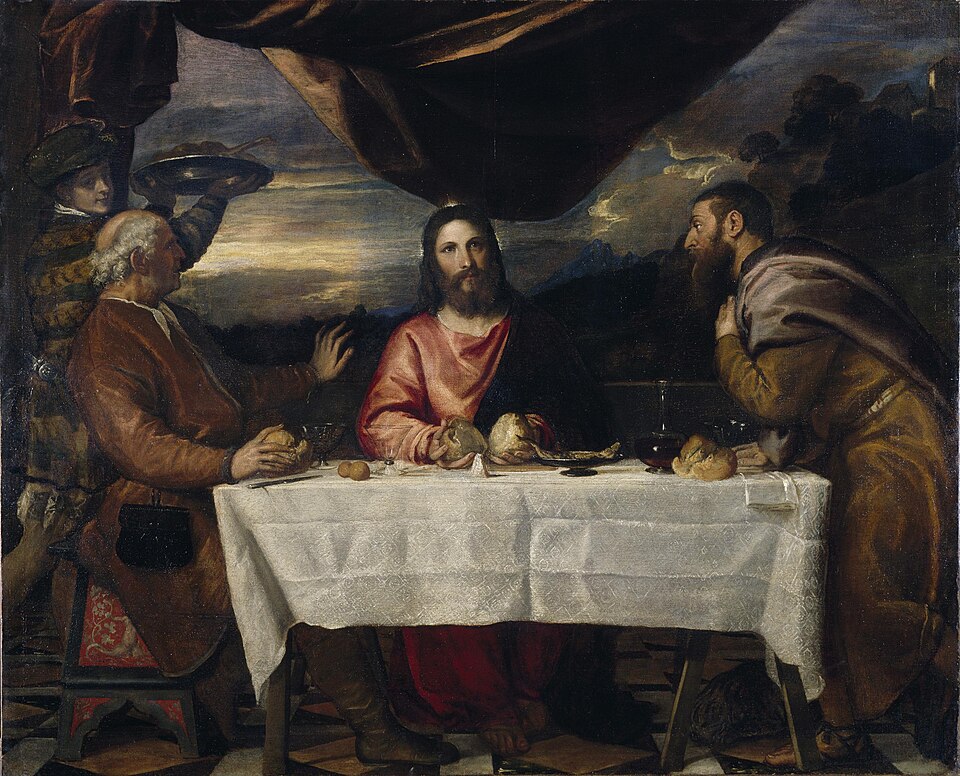
Luke 24 opens on the morning of the resurrection, moves to Jesus’ appearance to the two disciples on the road to Emmaus (24:13-35), and then to his standing among the disciples gathered in Jerusalem (24:36-43). And before he ascends, the risen Jesus leaves these last words:
“He said to them, ‘This is what I told you, while I was still with you, that all things which are written in the law of Moses, the prophets, and the psalms, concerning me must be fulfilled.’ Then he opened their minds, that they might understand the Scriptures. He said to them, ‘Thus it is written, and thus it was necessary for the Christ to suffer and to rise from the dead the third day, and that repentance and remission of sins should be preached in his name to all the nations, beginning at Jerusalem. You are witnesses of these things. Behold, I send out the promise of my Father on you. But wait in the city of Jerusalem until you are clothed with power from on high.'” (Luke 24:44-49, World English Bible)
Five pillars of the Great Commission are gathered in these few verses: the fulfillment of Scripture (vv. 44-45), the suffering and resurrection of Christ (v. 46), the content of the gospel to be preached—repentance and forgiveness (v. 47), the disciples as witnesses (v. 48), and the power of the Spirit from on high (v. 49). Let us follow each one through the biblical text.
All of Scripture Testifies to Christ (24:44-45)
Jesus first speaks of “all things which are written in the law of Moses, the prophets, and the psalms” concerning himself. This is the threefold division (Law, Prophets, Writings) by which the Jews referred to the whole of Scripture—that is, the entire Old Testament testifies to Christ. The Great Commission does not begin with human zeal or a new strategy, but with the plan of salvation God had already written into Scripture.
Jesus himself established this principle. Earlier in the same chapter he had explained to the two disciples on the Emmaus road, “Beginning from Moses and from all the prophets, he explained to them in all the Scriptures the things concerning himself” (Luke 24:27, WEB). And in John’s Gospel he said:
“You search the Scriptures, because you think that in them you have eternal life; and these are they which testify about me.” (John 5:39, WEB)
Note the words, “he opened their minds, that they might understand the Scriptures” (v. 45, WEB). Scripture does not open by knowledge alone. Only when the risen Lord opens the mind does Scripture come alive as the book that testifies to Christ. We need this same grace whenever we open the Bible today.
The Content to Preach — Repentance and Forgiveness (24:46-47)
Here is the heart of Luke’s Great Commission. Jesus spells out exactly what is to be preached. First, verse 46 says it was “necessary for the Christ to suffer and to rise from the dead the third day.” The cross and resurrection were not accidents but a “written” fulfillment. Only upon this suffering and resurrection does the gospel of verse 47 stand.
That gospel is “repentance and remission of sins… in his name.” In other words, repentance and forgiveness are the core of the message we are to preach. And the ground of that forgiveness is none other than Christ himself—just as John the Baptist cried out, pointing to Jesus:
“Behold the Lamb of God, which taketh away the sin of the world.” (John 1:29, KJV)
That this command was no empty word is proven by the book of Acts. Having received the Spirit at Pentecost, Peter immediately preached this very gospel: “Repent, and be baptized, every one of you, in the name of Jesus Christ for the forgiveness of sins” (Acts 2:38, WEB). In the temple he again called out, “Repent therefore, and turn again, that your sins may be blotted out” (Acts 3:19, WEB). The message commanded in Luke 24:47 was proclaimed exactly so in Acts. Scripture interprets Scripture, and command flows into fulfillment.

From Jerusalem to All Nations (24:47)
As important as the content of the gospel is its scope. Repentance and forgiveness are to be “preached in his name to all the nations, beginning at Jerusalem.” The starting point is Jerusalem—the very place where the disciples stood. But the destination is every people on earth. The gospel is not the religion of one nation but good news for all peoples.
This too Scripture foretold long ago. The psalmist sang:
“All the ends of the earth shall remember and turn to Yahweh. All the relatives of the nations shall worship before you.” (Psalm 22:27, WEB)
It dovetails precisely with Matthew’s Great Commission, where Jesus commands his disciples to make disciples of all nations (Matt. 28:19). Matthew speaks of the action—make disciples; Luke speaks of the content—preach repentance and forgiveness; but the object of both is the same: all nations. The Great Commission in the Gospels illumines one mission from different angles.


You Are Witnesses of These Things (24:48)
Who, then, is to preach this gospel? Jesus says, “You are witnesses of these things” (v. 48). A witness is one who tells what he has seen. The disciples had seen the suffering and resurrection of Christ with their own eyes, and that eyewitness made them witnesses.
This witness is confirmed again in Acts 1: “But ye shall receive power, after that the Holy Ghost is come upon you: and ye shall be witnesses unto me both in Jerusalem, and in all Judaea, and in Samaria, and unto the uttermost part of the earth” (Acts 1:8, KJV). The “witnesses” of Luke 24 unfold in Acts 1 into “witnesses to the ends of the earth.” We too, as people who have met the risen Lord, are called to be witnesses who tell what we have seen.
Power from On High — the Promise of the Father (24:49)
Finally, Jesus adds a decisive promise: “Behold, I send out the promise of my Father on you. But wait in the city of Jerusalem until you are clothed with power from on high” (v. 49). Here “the promise of my Father” is the Holy Spirit. The Great Commission is not accomplished by human effort. It requires power from on high.
So the disciples did not scatter at once but waited in Jerusalem. Jesus confirmed this promise again in Acts (Acts 1:4-5), and when the Spirit came at Pentecost, only then did the church begin to preach the gospel boldly (Acts 2). Power comes first, and the mission flows out of that power.

The Great Commission Given to Us Today
The Great Commission of Luke 24 remains fully in force for us today. To summarize: the gospel we are to preach is repentance and forgiveness, grounded in the suffering and resurrection of Christ. Its object is all nations, and we are its witnesses. And this mission is carried out by the power of the Holy Spirit from on high.
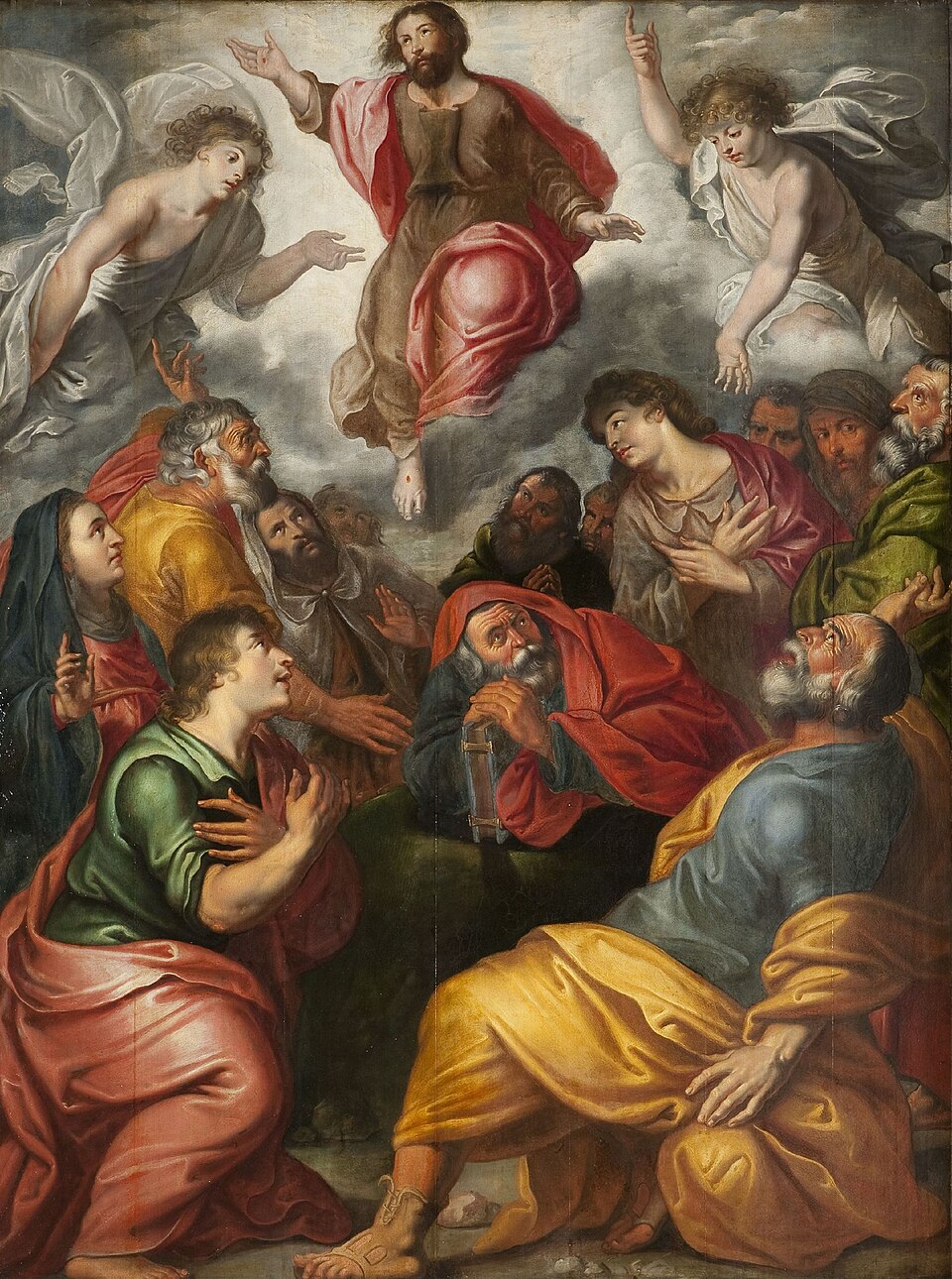
The Jesus who left these words soon ascended into heaven: “He led them out as far as Bethany, and he lifted up his hands, and blessed them. While he blessed them, he withdrew from them, and was carried up into heaven” (Luke 24:50-51, WEB). The ascended Lord is alive even now and gives this command to us. Our neighbors, our workplaces, everyone we meet—these are the “all nations” who must hear the gospel.
Lord, open my mind to see that the Scriptures testify to Christ. Let me not be ashamed of the gospel of repentance and forgiveness, and by the power of the Holy Spirit from on high, make me a witness of that gospel to the people I meet today. May this gospel that began at Jerusalem be carried through me to even one more person. In the name of the risen and ascended Lord Jesus I pray. Amen.
References
- Korean Revised Version (Gaeyeok Hangeul), Luke — Wikisource (public domain text)
- Korean Bible Society — Scripture copyright notice (Gaeyeok Hangeul is out of copyright)
- Bible Hub — Luke 24 (King James Version, public domain)
- Bible Hub — Luke 24 (World English Bible, public domain)
- Bible Hub — Luke 24:47 cross-references (Acts 2:38; Matt. 28:19; Acts 1:8)
- BibleRef — Luke 24:47 commentary (fulfillment in Acts)
- GotQuestions — The Great Commission