
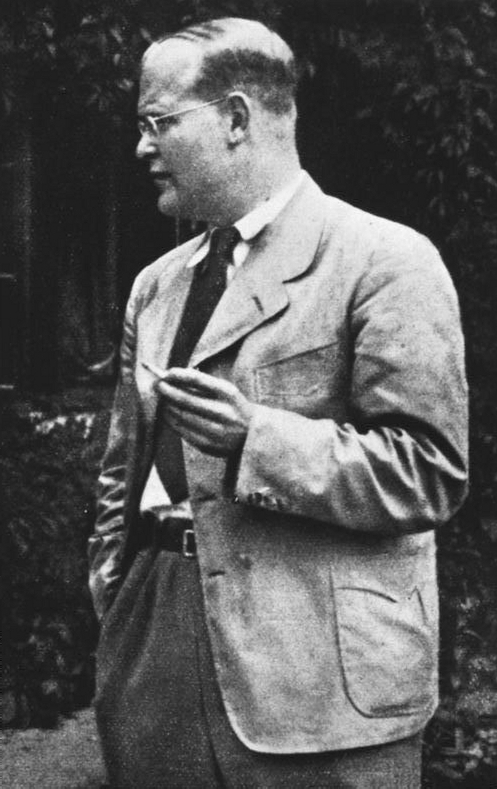
Under Nazi Germany, in an illegal underground seminary, a theologian expounded the Sermon on the Mount together with young ministerial candidates. That theologian was Dietrich Bonhoeffer (1906-1945). The book he published in 1937, The Cost of Discipleship (original title Nachfolge; Korean edition translated by Kim Sun-hyun, Bokinsaram, 508 pages), still confronts Christians honestly with the question “What is discipleship?” nearly eighty years later. Eight years after writing it, the author himself was arrested on charges of resisting the Nazi regime and put to death. This book is not abstract theory — it is theology verified by the author’s own life.
The Author and His Times — A Book Born in an Underground Seminary
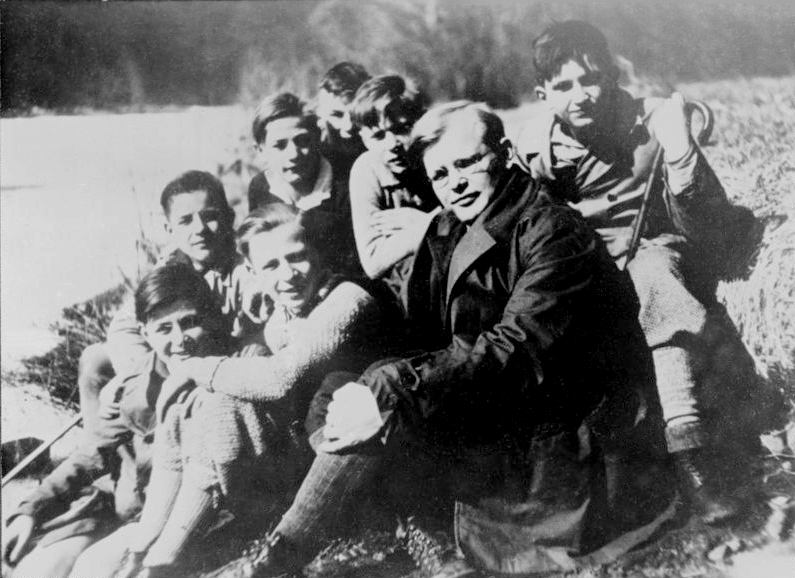
Bonhoeffer was born on February 4, 1906, in Breslau, Prussia (present-day Wroclaw, Poland). When the Nazi regime moved in 1934 to seize control of the German Protestant church through measures such as the “Aryan Paragraph,” Bonhoeffer became an early key figure in the founding of the Confessing Church, which resisted this takeover. On April 26, 1935, he opened an illegal underground seminary on the Baltic coast at Zingst to train Confessing Church ministerial candidates, and on June 24 of the same year moved it to Finkenwalde, near Stettin, where he ran it for nearly two years. The lectures he shared with his students — praying, reading Scripture, and living in community together — became the backbone of this book. But in August 1937 a decree from Himmler outlawed the training of Confessing Church ministers altogether, and that September the Gestapo shut down the seminary; by that November, twenty-seven students and graduates had been arrested one after another.
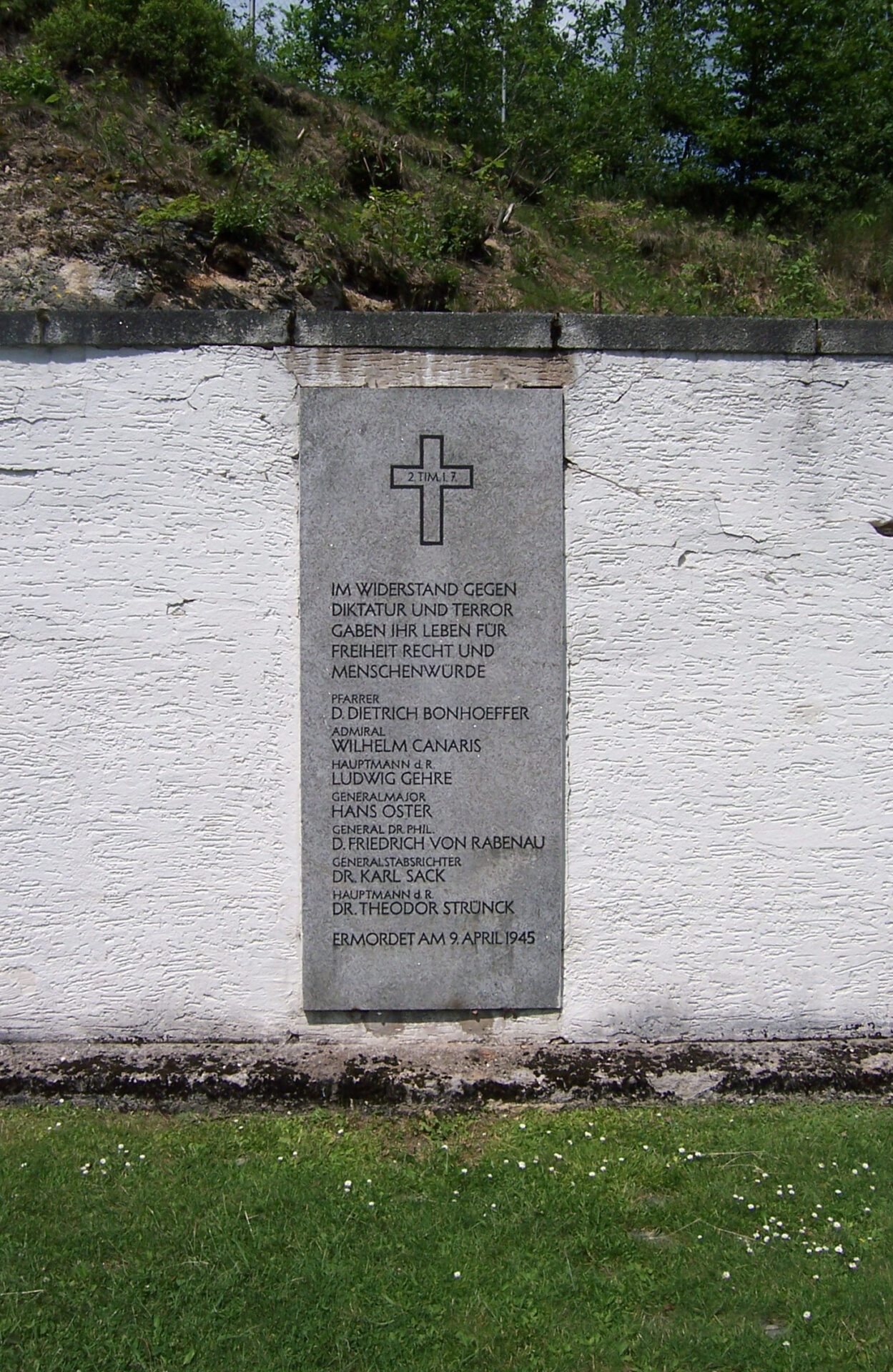
Bonhoeffer was later drawn, through his brother-in-law Hans von Dohnanyi, into an anti-Hitler resistance network within German military intelligence (the Abwehr). He was arrested on April 5, 1943, and held for about eighteen months in Tegel Prison in Berlin. After the failed attempt on Hitler’s life on July 20, 1944, documents exposing the resistance network were discovered, and Bonhoeffer was transferred through Buchenwald to the Flossenburg concentration camp, where he was executed on April 9, 1945 — barely a month before the war’s end.
The Book’s Structure — An Exposition Built Around the Sermon on the Mount
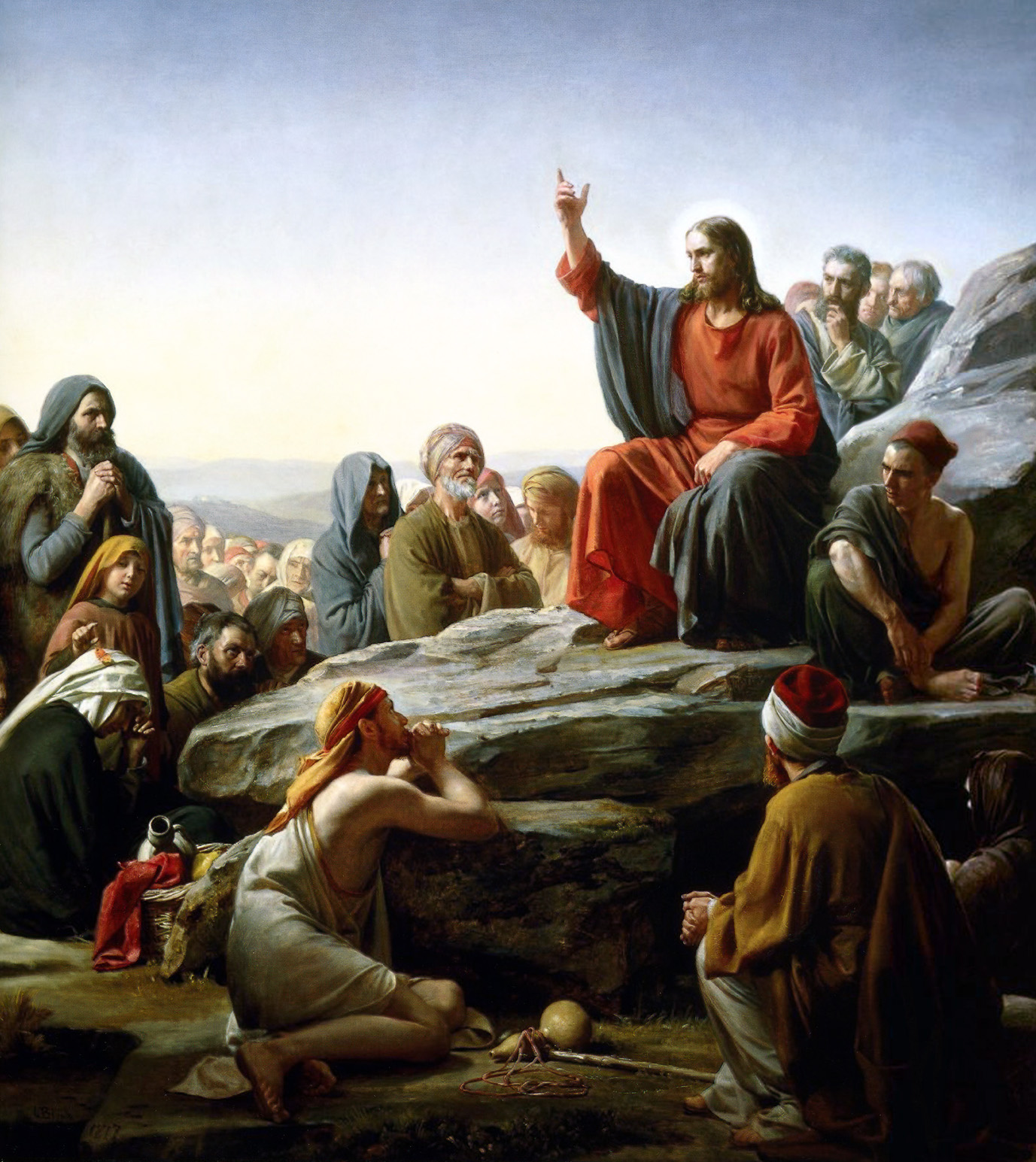
The Cost of Discipleship is neither a novel nor a self-help book — it is, in effect, an exposition built entirely around the Sermon on the Mount (Matthew 5-7). It falls into four parts. Part One, “Grace and Discipleship,” lays out the concept running through the whole book: the contrast between cheap grace and costly grace. Part Two expounds the Sermon on the Mount (Matthew 5-7) verse by verse. Part Three, “The Messengers,” deals with the sending of the twelve disciples (Matthew 9:35-10:42). Part Four, “The Church of Jesus Christ and the Life of Discipleship,” brings the book to a close. In other words, this book does not begin with theological speculation — it begins strictly with the biblical text, and above all with Jesus’s own preaching.
Core Arguments
1. Cheap Grace and Costly Grace
Bonhoeffer’s best-known contribution is the contrast between “cheap grace” (billige Gnade) and “costly grace” (teure Gnade). Cheap grace means a proclamation of forgiveness that demands no repentance, baptism without church discipline, communion without genuine confession — grace without discipleship, grace without the cross, grace without the living, incarnate Jesus Christ. Costly grace, by contrast, comes as a gracious call to follow Jesus; it is given freely to the broken and contrite heart, yet it demands total obedience to Christ and so costs a person everything. In Bonhoeffer’s own words: “It is costly because it calls us to follow, and it is grace because it calls us to follow Jesus Christ.”
2. Simple Obedience
Bonhoeffer argues that the only posture a person can take before Christ’s call is not interpretation or conditional application but “simple obedience.” Only after obeying does one come to understand the meaning of that call. The moment this principle is abandoned, he warns, cheap grace seeps back in, and an unevangelical reading of Scripture takes the place of a truly evangelical one.
3. Justification and Sanctification Cannot Be Separated
Without denying the doctrine of justification by faith, Bonhoeffer strongly criticizes treating justification and sanctification (discipleship) as two separable stages. Discipleship is not an optional add-on chosen after one is already saved — it is the very place where the same grace that called a person to salvation in the first place bears fruit in that person’s life.
A Critical Assessment
The power of this book lies in the fact that it is backed not by ideas but by a life. Karl Barth, in his Church Dogmatics, said of the discussion of the unity of justification and sanctification in this book that it was “easily the best that has been written on this subject” — and even today, the phrase “cheap grace” is still widely invoked whenever political compromise or the moral failure of a faith leader is called out. Still, a few things are worth the reader’s attention. First, the book was written in the polemical context of 1930s German Lutheranism, where grace had been cheaply consumed; rather than transplanting every sentence directly onto today’s church situation, readers should first understand the contours of that debate. Second, the emphasis on “simple obedience” risks being misread as a context-blind literalism, so it is safer to read it alongside the careful discernment taught elsewhere in Scripture (the balance found in wisdom literature such as Proverbs). Third, at 508 pages and written in the distinctive prose style of early-twentieth-century German theology, it can be a demanding read for those newer in the faith.

Back to Scripture — The Basis for Discipleship
Bonhoeffer’s argument is persuasive precisely because it flows directly out of the biblical text. (The English Scripture quotations here are from the King James Version, public domain.) Just before his ascension, Jesus gave his disciples a clear command.
“And Jesus came and spake unto them, saying, All power is given unto me in heaven and in earth. Go ye therefore, and teach all nations, baptizing them in the name of the Father, and of the Son, and of the Holy Ghost: Teaching them to observe all things whatsoever I have commanded you: and, lo, I am with you alway, even unto the end of the world. Amen” (Matthew 28:18-20, KJV).
This is the Great Commission on which tgc.kr stands, and it is also the call Bonhoeffer spent his life answering. Jesus never hid the cost of that call.
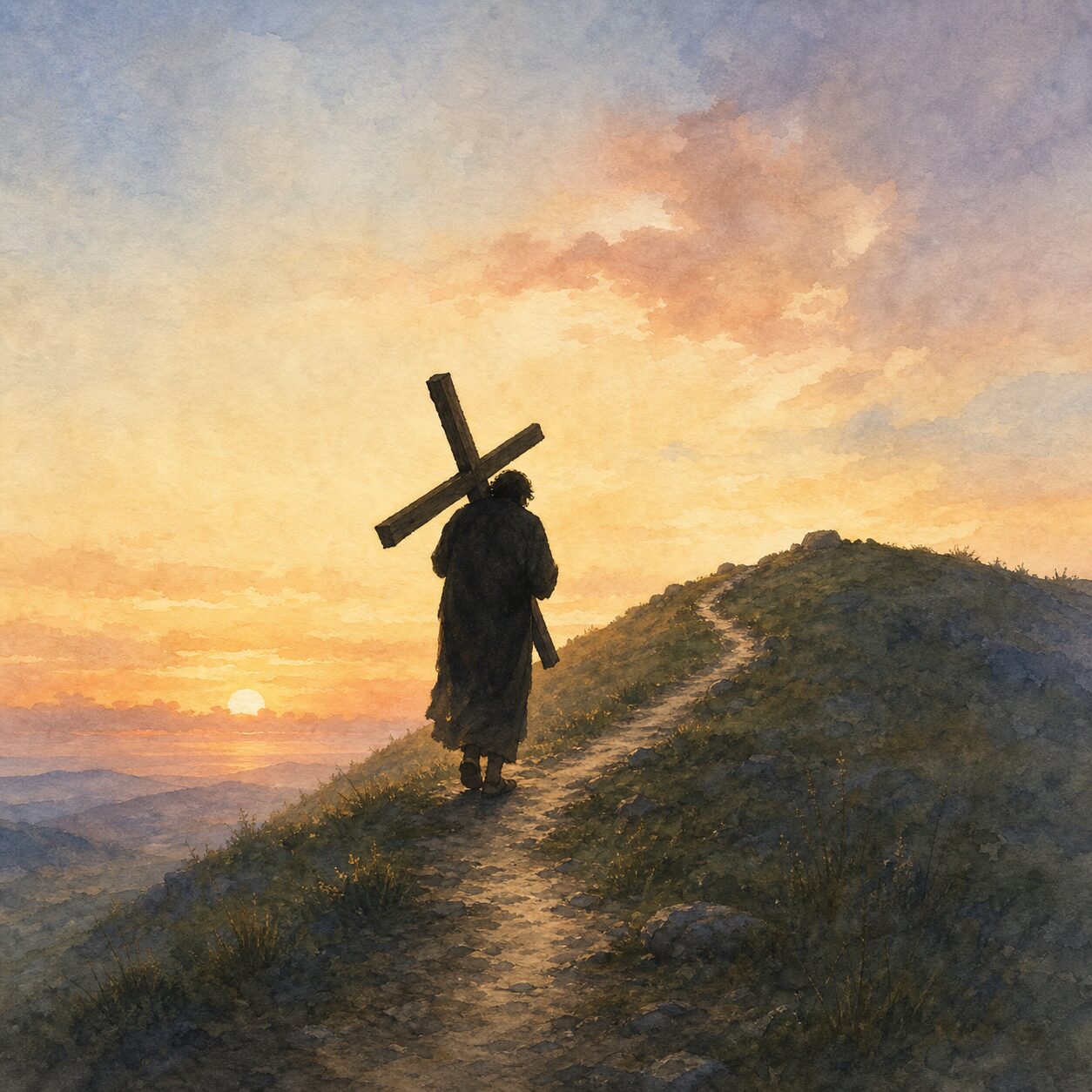
“Then said Jesus unto his disciples, If any man will come after me, let him deny himself, and take up his cross, and follow me” (Matthew 16:24, KJV).
“And he said to them all, If any man will come after me, let him deny himself, and take up his cross daily, and follow me” (Luke 9:23, KJV).
Paul testified to the same truth in his own words.
“I am crucified with Christ: nevertheless I live; yet not I, but Christ liveth in me: and the life which I now live in the flesh I live by the faith of the Son of God, who loved me, and gave himself for me” (Galatians 2:20, KJV).
Costly grace is nothing other than this: a life that denies itself daily, takes up its cross, and makes room for Christ to live within — this is what Scripture means by discipleship.

Who Should Read This, and How to Apply It
This book is recommended for Christians who want their faith to move beyond the feeling of “having received grace” into the actual fruit of obedience — especially those who lead or take part in discipleship training. For pastors and small-group leaders, it can serve as a mirror for examining the temptation of cheap grace in their own lives; for lay readers, it poses the question, “What have I set down today in order to follow Christ?” The Great Commission that tgc.kr holds to — the call to make disciples of all nations — is not a cheap slogan. As Bonhoeffer proved with his own life, it is completed only through obedience that costs something.
References
- Aladin — The Cost of Discipleship (Korean edition, Dietrich Bonhoeffer, trans. Kim Sun-hyun, Bokinsaram)
- Yes24 — Korean edition listing
- United States Holocaust Memorial Museum (USHMM) Encyclopedia — Dietrich Bonhoeffer
- Wikipedia — The Cost of Discipleship
- International Bonhoeffer Society — Volume 14 (Finkenwalde)
- bible.com — Korean Revised Version (KRV), Matthew 28
- Korean Bible Society