
Joshua 1:4 draws the boundary lines of the land God had marked out before Israel ever set foot in it. South to the wilderness, north to Lebanon, east to the Euphrates River, west to the Mediterranean Sea (the Great Sea) — these four points leave behind a question that runs through the rest of Israel’s history. Was this promise ever actually kept? Scripture answers with striking honesty, because the declaration “there failed not one word of all the good things” stands alongside the confession “there remains yet very much land to be possessed” within the very same book. Today we trace the full picture of promise and fulfillment through the biblical text itself.
The English Scripture quotations in this article are from the King James Version (KJV) and the World English Bible (WEB), both public domain.
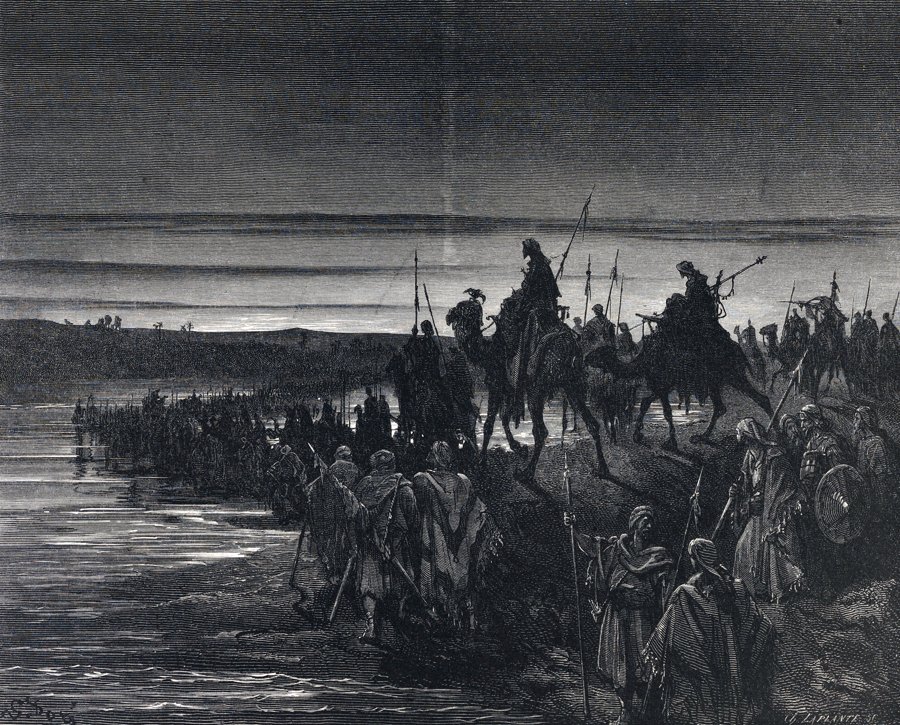
The Text — Joshua 1:2-4 (WEB)
2 Moses my servant is dead. Now therefore arise, go across this Jordan, you, and all these people, to the land which I am giving to them, even to the children of Israel.
3 I have given you every place that the sole of your foot will tread on, as I told Moses.
4 From the wilderness, and this Lebanon, even to the great river, the river Euphrates, all the land of the Hittites, and to the great sea toward the going down of the sun, shall be your border.
(Joshua 1:2-4, WEB)
In the very place where Moses had died, God does not give Joshua long to grieve — he hands him the borders first. The phrase “the sole of your foot will tread on” is striking: the promise was already settled in heaven, but it became reality only through Israel’s own footsteps. Moses had already given Israel the same boundary in Deuteronomy: “Every place on which the sole of your foot treads shall be yours: from the wilderness, and Lebanon, from the river, the river Euphrates, even to the western sea shall be your border” (Deuteronomy 11:24, WEB). The promise in Joshua 1 was not new revelation — it was the reaffirmation of a word already given through Moses.
The Promise Set Within Four Borders — From the Wilderness to the Great Sea
Tracing each point of the boundary described in the text shows just how specific this promise was.
South — The Wilderness
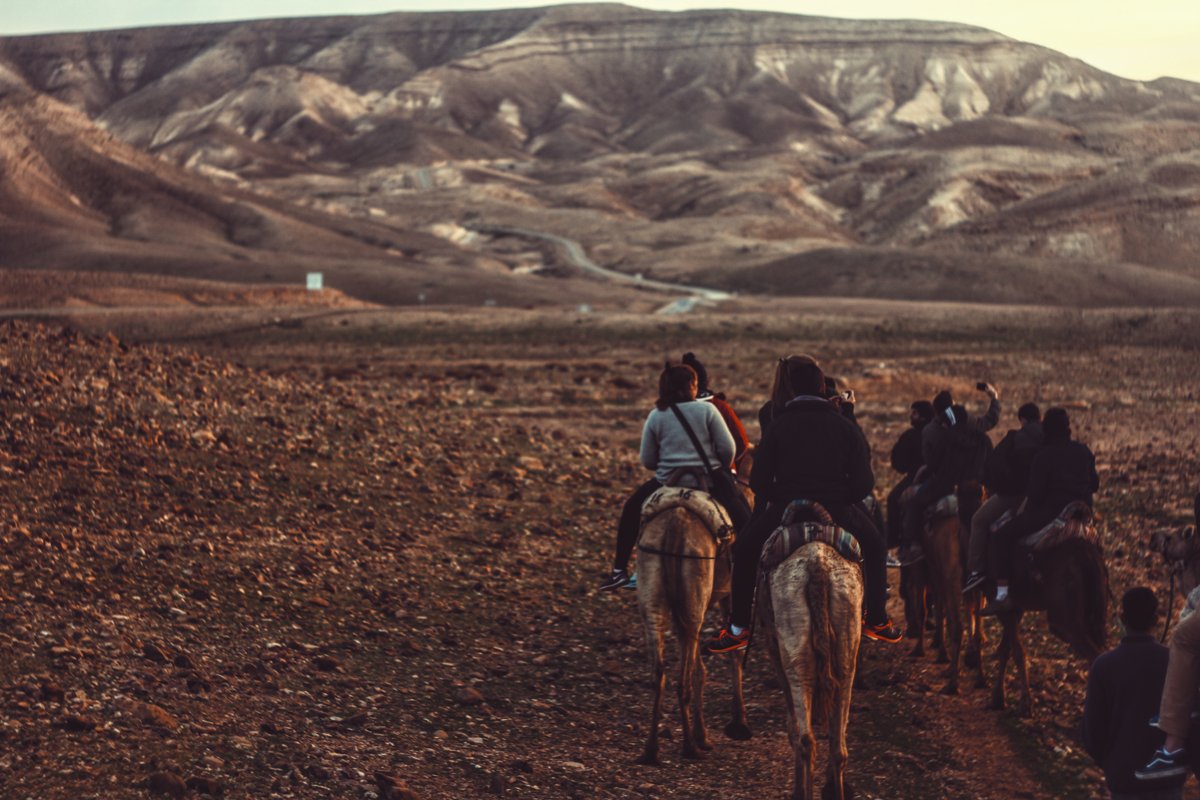
The southern edge of the boundary is “the wilderness.” This region, corresponding to today’s Negev desert, is the very wilderness where Israel wandered for forty years. The Promised Land was not unrelated to the wilderness — it was a land reached only by passing through it.
North — Lebanon
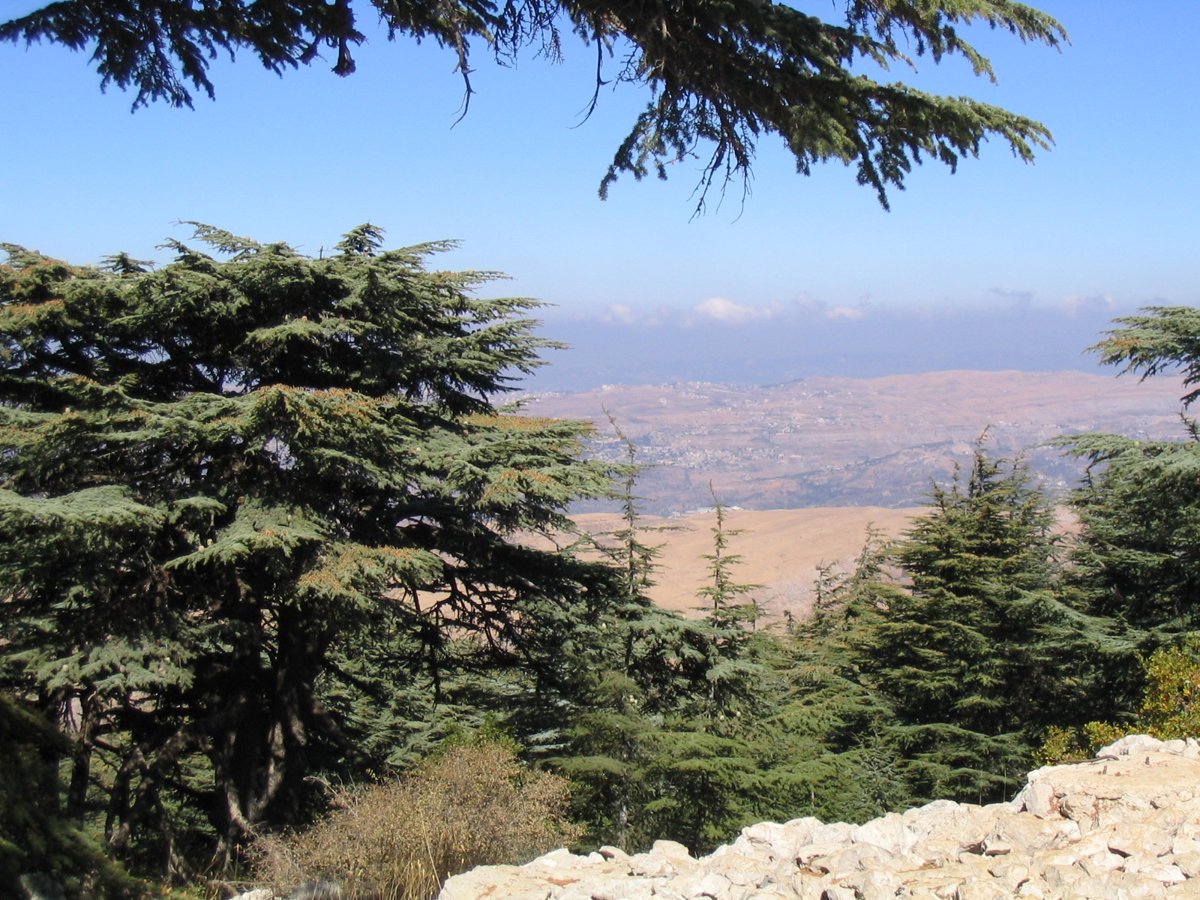
The northern border is the mountains of Lebanon, famous for their cedars. The very forest that would later supply the cedar timber for Solomon’s Temple is presented here as Israel’s northern limit.
East — The Great River Euphrates
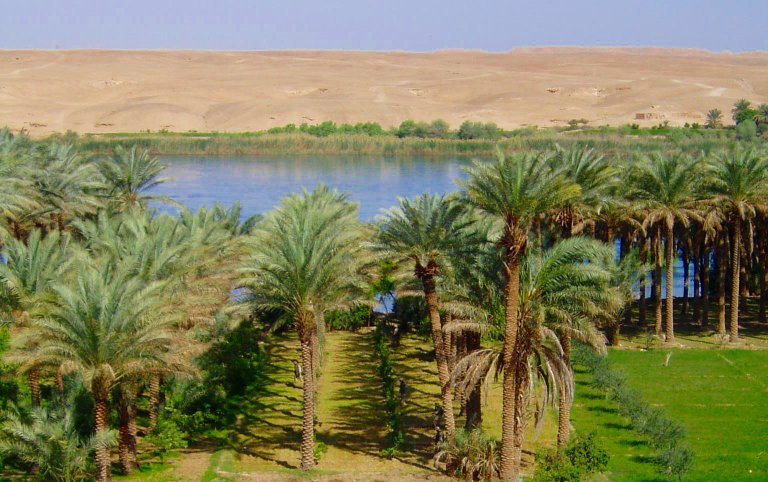
The eastern border is “the great river, the river Euphrates.” A great river running through Mesopotamia, far beyond the land of Canaan where Israel actually lived, is named as the boundary. This was not merely the edge of a settlement — it was the scale of the covenant God had already given to Abraham.
West — The Great Sea Toward the Setting Sun
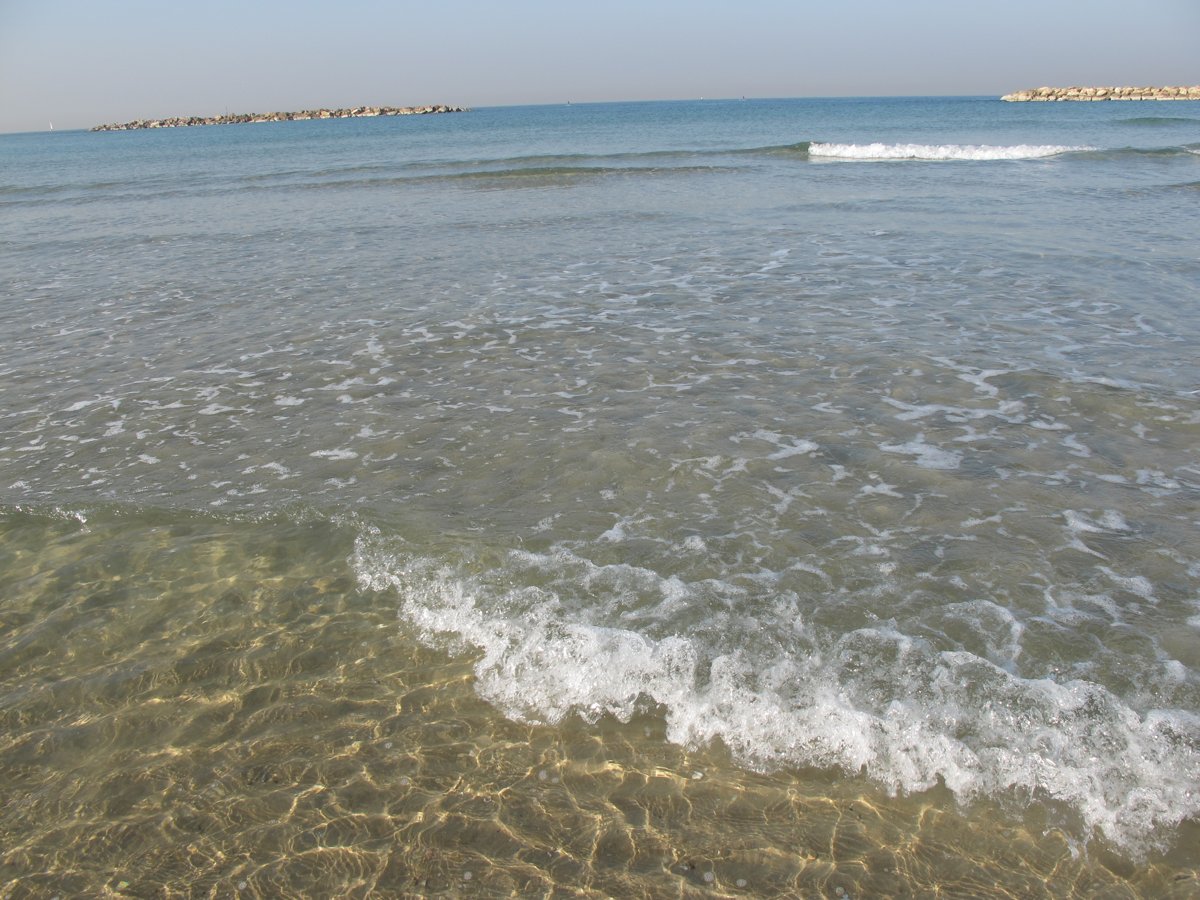
The western border is “the great sea toward the going down of the sun” — the Mediterranean. The western sea Israel would look out on every day marks the western edge of the promise.
The Root of the Promise — The Covenant of Genesis 15
The boundary of Joshua 1:4 did not appear out of nowhere. Its roots reach back to Abraham.
18 In the same day the LORD made a covenant with Abram, saying, Unto thy seed have I given this land, from the river of Egypt unto the great river, the river Euphrates:
19 The Kenites, and the Kenizzites, and the Kadmonites,
20 And the Hittites, and the Perizzites, and the Rephaims,
21 And the Amorites, and the Canaanites, and the Girgashites, and the Jebusites.
(Genesis 15:18-21, KJV)
On the very night Abram had no child of his own, God passed between the divided animals as a smoking furnace and a burning lamp, making himself the sole party to the covenant. This was not a mutual contract conditioned on Abram’s obedience — it was a covenant God swore by himself alone. Joshua 1:4 shows that this covenant had not been forgotten. Across centuries and slavery in Egypt, God still remembered exactly what he had said to Abram.
The Declaration of Complete Fulfillment — Joshua 21:43-45
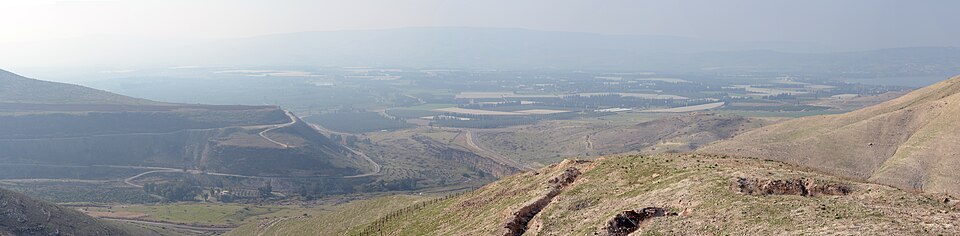
43 And the LORD gave unto Israel all the land which he sware to give unto their fathers; and they possessed it, and dwelt therein.
44 And the LORD gave them rest round about, according to all that he sware unto their fathers: and there stood not a man of all their enemies before them; the LORD delivered all their enemies into their hand.
45 There failed not ought of any good thing which the LORD had spoken unto the house of Israel; all came to pass.
(Joshua 21:43-45, KJV)
After the conquest of Canaan and the division of the land were complete, Scripture closes the account with a sentence that could not be more decisive: “there failed not ought of any good thing.” This declaration echoes again, later, in Solomon’s prayer at the dedication of the Temple: “Blessed be Yahweh, who has given rest to his people Israel, according to all that he promised. There has not failed one word of all his good promise, which he promised by Moses his servant” (1 Kings 8:56, WEB). Across generations, this confession of God’s faithfulness never wavered.
The Tension Scripture Honestly Leaves Standing — “Very Much Land Remains”
And yet, only eight chapters earlier in the very same book, Scripture records an entirely different sentence.
1 Now Joshua was old and well advanced in years. Yahweh said to him, “You are old and advanced in years, and there remains yet very much land to be possessed.”
(Joshua 13:1, WEB)
Joshua 21’s “there failed not ought” and Joshua 13’s “very much land to be possessed” seem to contradict each other. Yet Scripture is not afraid to place the two side by side. The fulfillment of chapter 21 concerns what God had “sworn” to do — to give Israel rest and deliver their enemies into their hand — not that every town in Canaan had been militarily seized. Joshua himself later says as much to the people: “Behold, I have allotted to you these nations that remain, to be an inheritance for your tribes, from the Jordan, with all the nations that I have cut off, even to the great sea toward the going down of the sun” (Joshua 23:4, WEB). The conquest was not a finished project but an ongoing task handed to each tribe.
Judges records the reality that followed in more detail. “Yahweh was with Judah; and drove out the inhabitants of the hill country; for he could not drive out the inhabitants of the valley, because they had chariots of iron” (Judges 1:19, WEB). Judges 1 quietly records that Dan, Asher, and half of Manasseh likewise lived alongside peoples they failed to drive out. These remaining nations even had an unexpected purpose: “Now these are the nations which Yahweh left, to test Israel by them, even as many as had not known all the wars of Canaan” (Judges 3:1, WEB) — God intended to teach obedience to the next generation through the very nations he had left behind. Within the story of fulfillment lay not failure, but another plan of God’s own.
Fulfillment at Its Peak — Solomon’s United Kingdom
Was the boundary of Joshua 1:4 — from the Euphrates to the Great Sea — ever realized in history at all? Scripture says it was. Under David and Solomon, Israel’s reach came closest to that promised boundary. “Solomon ruled over all the kingdoms from the River to the land of the Philistines, and to the border of Egypt. They brought tribute and served Solomon all the days of his life” (1 Kings 4:21, WEB). And again: “For he had dominion over all on this side the River, from Tiphsah even to Gaza, over all the kings on this side the River: and he had peace on all sides around him” (1 Kings 4:24, WEB). Here, “the River” refers to the Euphrates. It was rule through tribute and peace rather than conquest, but in Solomon’s day the boundary of Joshua 1:4 effectively reached its historical high-water mark.
Letting Scripture Interpret Scripture — The True Rest Hebrews Describes
So how does Scripture finally resolve the tension between Joshua 21’s “there failed not ought” and Joshua 13’s “very much land remains”? The New Testament book of Hebrews gives the answer.
8 For if Joshua had given them rest, he would not have spoken afterward of another day.
9 There remains therefore a Sabbath rest for the people of God.
(Hebrews 4:8-9, WEB)
Hebrews does not say that the rest Joshua gave was false. The fulfillment of Joshua 21:45 was real. But it was not the final destination — it was a signpost pointing toward a greater rest. Even in David’s day, God, through the Psalms, still reserved “another day”: “Today if you will hear his voice, don’t harden your hearts” (Hebrews 4:7, WEB). The land’s borders had been filled, yet the longing for rest was not satisfied by that land alone. Paul widens the horizon of this same covenant even further: “For the promise to Abraham and to his offspring that he should be heir of the world wasn’t through the law, but through the righteousness of faith” (Romans 4:13, WEB). The land promised from the Euphrates to the Great Sea grew, through faith, into a promise for the whole world.
A Frame for Memorizing — “Servant · Border · Fulfillment · Rest”
- Servant (Moses) → Border (1:4): Begin with “after Moses died,” then trace the four directions — wilderness, Lebanon, Euphrates, the Great Sea — in order, as if tracing them with your finger.
- Fulfillment (21:45): “There failed not ought of any good thing” — short and strong, so memorize it as a whole.
- Tension (13:1): “There remains yet very much land to be possessed” — pairing it with chapter 21 keeps Scripture’s honesty in view together.
- Rest (Heb 4:9): “There remains therefore a Sabbath rest for the people of God” — remember that the whole journey of these four verses ends here.
Questions for Reflection
- What evidence of God’s faithfulness in my own life could I describe as “there failed not ought of any good thing”?
- At the same time, are there areas of my life where “very much land remains”? Am I treating that only as failure?
- Like Solomon’s united kingdom, do I remember and give thanks for the moments when God’s promises have visibly reached their peak in history?
- Am I trying to substitute the “rest that remains,” which Hebrews points to, with some fulfillment found only in this present land?
References
- BibleHub — Joshua 1:4 (30+ parallel translations)
- BibleHub Commentaries — Joshua 1:4
- BibleHub Commentaries — Joshua 13:1 (land remaining)
- BibleHub — Genesis 15:18 (the Abrahamic covenant)
- BibleHub — Joshua 21:45 (the declaration of fulfillment)
- BibleHub — 1 Kings 4:21 (the extent of Solomon’s rule)
- BibleHub — Hebrews 4:8 (the true rest)
- Korean Wikisource — the 1961 Korean Revised Version text of Joshua (public domain)