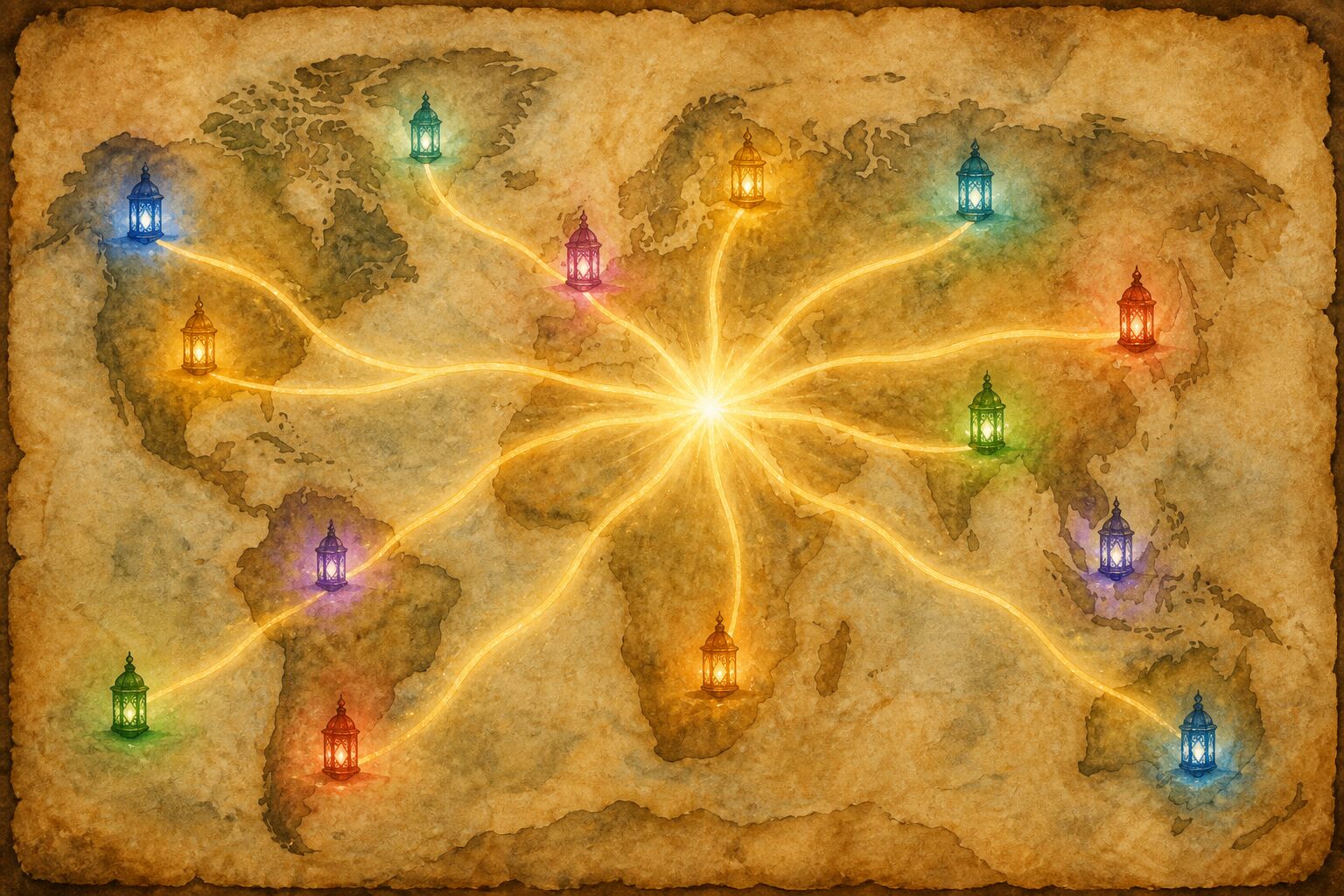
In Genesis 9, the family of Noah who passed through the flood numbered only eight people. Yet turn the page to Genesis 10, and the scene suddenly shifts: an endless genealogy of unfamiliar names unfolds before us. Gomer, Magog, Nimrod, Mizraim, Eber, Joktan… names that feel foreign to us today. Yet Scripture does not pass over this list — it devotes an entire chapter to recording it. Why? Because this chapter is not a mere roll call of names. It is a map of the plan that God had already held for all the nations from the very beginning.
Text — Genesis 10:1-32 (WEB)
The English Scripture quotations below are from the World English Bible (WEB) and the King James Version (KJV), both public domain.
1 Now this is the history of the generations of the sons of Noah and of Shem, Ham, and Japheth. Sons were born to them after the flood.
2 The sons of Japheth were: Gomer, Magog, Madai, Javan, Tubal, Meshech, and Tiras. 3 The sons of Gomer were: Ashkenaz, Riphath, and Togarmah. 4 The sons of Javan were: Elishah, Tarshish, Kittim, and Dodanim. 5 Of these were the islands of the nations divided in their lands, everyone after his language, after their families, in their nations.
6 The sons of Ham were: Cush, Mizraim, Put, and Canaan. 7 The sons of Cush were: Seba, Havilah, Sabtah, Raamah, and Sabteca. The sons of Raamah were: Sheba and Dedan. 8 Cush became the father of Nimrod. He began to be a mighty one in the earth. 9 He was a mighty hunter before Yahweh. Therefore it is said, “like Nimrod, a mighty hunter before Yahweh.” 10 The beginning of his kingdom was Babel, Erech, Accad, and Calneh, in the land of Shinar. 11 Out of that land he went into Assyria, and built Nineveh, Rehoboth Ir, Calah, 12 and Resen between Nineveh and the great city Calah.
13 Mizraim became the father of Ludim, Anamim, Lehabim, Naphtuhim, 14 Pathrusim, Casluhim (which the Philistines descended from), and Caphtorim. 15 Canaan became the father of Sidon (his firstborn), Heth, 16 the Jebusites, the Amorites, the Girgashites, 17 the Hivites, the Arkites, the Sinites, 18 the Arvadites, the Zemarites, and the Hamathites. Afterward the families of the Canaanites were spread abroad. 19 The border of the Canaanites was from Sidon — as you go toward Gerar — to Gaza — as you go toward Sodom, Gomorrah, Admah, and Zeboiim — to Lasha. 20 These are the sons of Ham, after their families, according to their languages, in their lands and their nations.
21 Children were also born to Shem, the father of all the children of Eber, the elder brother of Japheth. 22 The sons of Shem were: Elam, Asshur, Arpachshad, Lud, and Aram. 23 The sons of Aram were: Uz, Hul, Gether, and Mash. 24 Arpachshad became the father of Shelah. Shelah became the father of Eber. 25 To Eber were born two sons. The name of the one was Peleg, for in his days the earth was divided. His brother’s name was Joktan. 26 Joktan became the father of Almodad, Sheleph, Hazarmaveth, Jerah, 27 Hadoram, Uzal, Diklah, 28 Obal, Abimael, Sheba, 29 Ophir, Havilah, and Jobab. All these were the sons of Joktan. 30 Their dwelling extended from Mesha, as you go toward Sephar, the mountain of the east. 31 These are the sons of Shem, by their families, according to their languages, lands, and nations.
32 These are the families of the sons of Noah, by their generations, according to their nations. The nations divided from these in the earth after the flood.
Context — The Fulfillment of Prophecy, and a Bridge to the Next Chapter
Genesis 10 does not fall out of nowhere. Just one chapter earlier, God spoke to Noah and his sons as they came out of the ark: “God blessed Noah and his sons, and said to them, ‘Be fruitful, multiply, and replenish the earth'” (Genesis 9:1, WEB). And soon after, it is summarized this way: “These three were the sons of Noah, and from these, the whole earth was populated” (Genesis 9:19, WEB). The nearly seventy names in chapter 10 are the record of fulfillment — showing how this word actually came to pass.
Further still, at the end of chapter 9 stands a prophecy Noah left concerning the future of his sons: “Canaan is cursed. He will be a servant of servants to his brothers… Blessed be Yahweh, the God of Shem. Let Canaan be his servant… May God enlarge Japheth. Let him dwell in the tents of Shem” (Genesis 9:25-27, WEB). It is no accident that chapter 10 is arranged in the order Japheth (vv. 2-5) → Ham (vv. 6-20) → Shem (vv. 21-31), placing the genealogy of Shem — the very thread the story will follow — in the climactic final position. This arrangement is itself the stage on which Noah’s prophecy plays out.
One question remains. Chapter 10 already lists peoples divided, in a refrain repeated at vv. 5, 20, and 31, “according to their languages, in their lands and their nations” (Genesis 10:20, WEB) — so why does the very next chapter open again with, “The whole earth was of one language and of one speech” (Genesis 11:1, WEB)? The order has not been reversed. The Tower of Babel event in chapter 11 is not a new event that happened after chapter 10; it is a retrospective account that reaches back to show precisely “how” the division of languages and peoples already presupposed in chapter 10 actually took place. In other words, chapter 10 shows the result — a map of the scattered nations — while chapter 11 shows the cause that produced that result: the confusion of language at Babel. Together they form a single, paired narrative.
Exposition
Scattered to the Coastlands — The Descendants of Japheth (vv. 2-5)
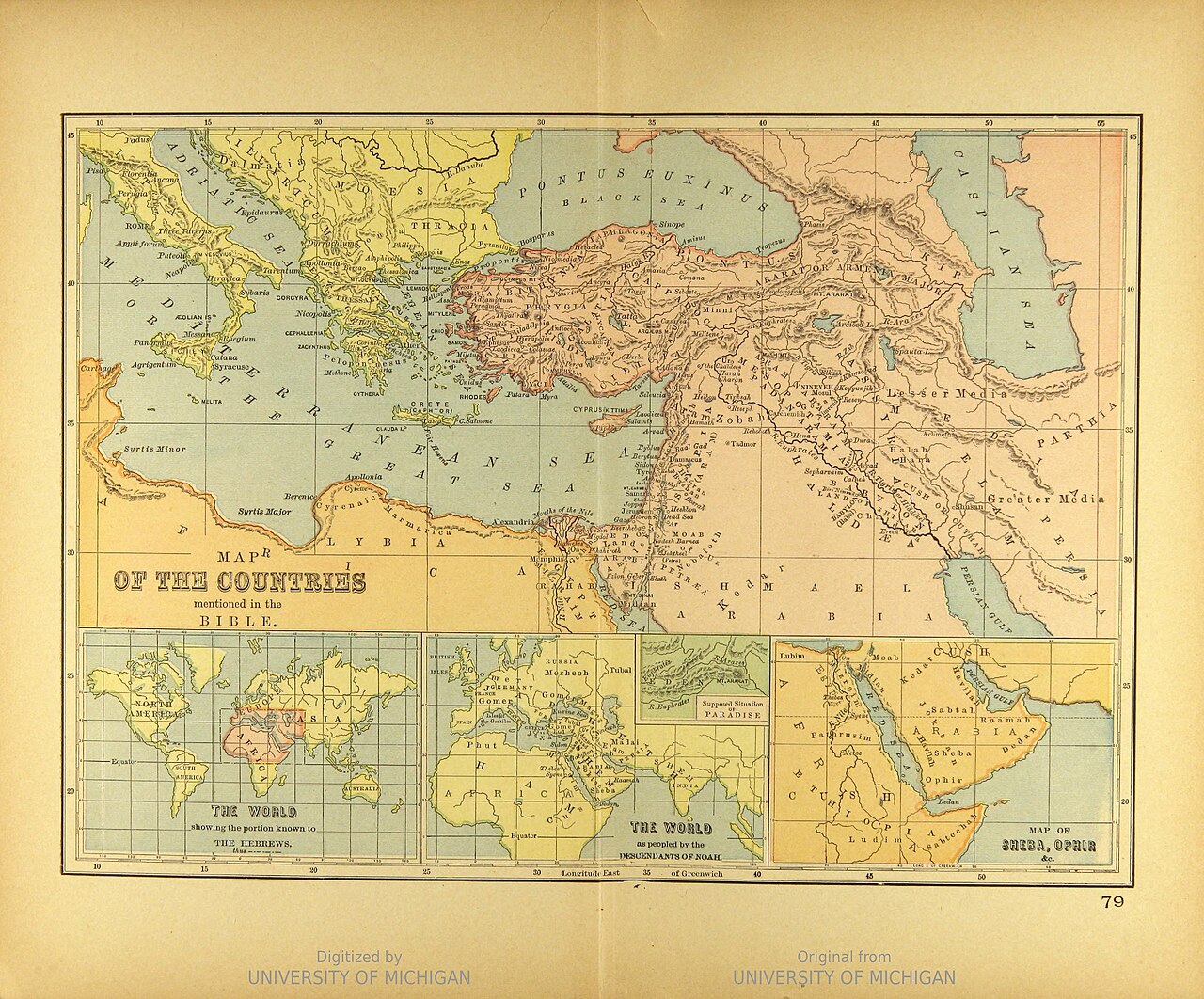
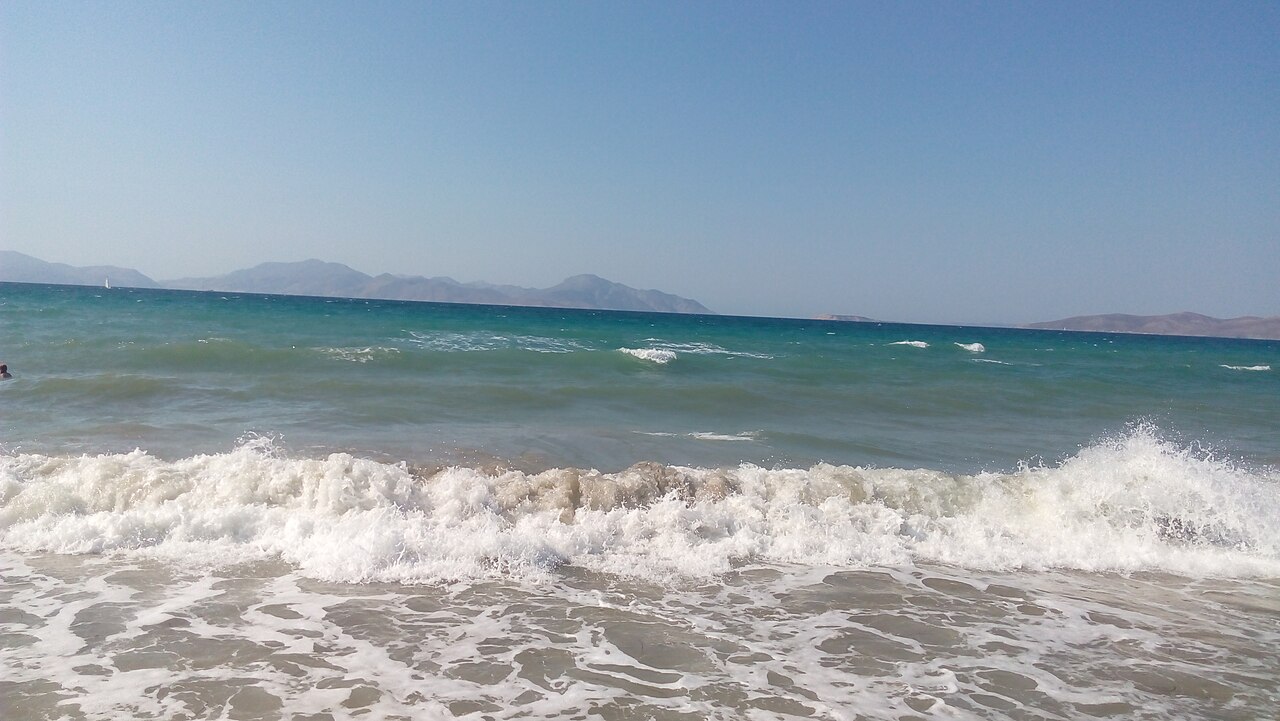
The genealogy begins with Japheth, the youngest. From Gomer (the region north of the Black Sea), Magog, Madai (the Medes of what is today northwestern Iran), Javan (the Ionian region of Greece and the western coast of Asia Minor), to Tubal and Meshech (the area of Anatolia) — the descendants of Japheth spread out across what is today Europe, Asia Minor, and northern Iran. Scripture sums this up: “the islands of the nations divided in their lands” (Genesis 10:5, WEB). This passage reveals the origins of the seafaring peoples who spread along the Mediterranean and the Aegean.
What matters in these five short verses is not the number of names but the fact that the “boundaries” of where these peoples settled were never a matter of chance. Moses would later sing to the people of Israel: “When the Most High gave to the nations their inheritance, when he separated the children of men, he set the bounds of the peoples according to the number of the children of Israel” (Deuteronomy 32:8, WEB). Every place where the nations were scattered was itself the sovereign design of the Most High God.
Nimrod, the First Mighty Man, and the Beginning of Empire — The Descendants of Ham (vv. 6-20)
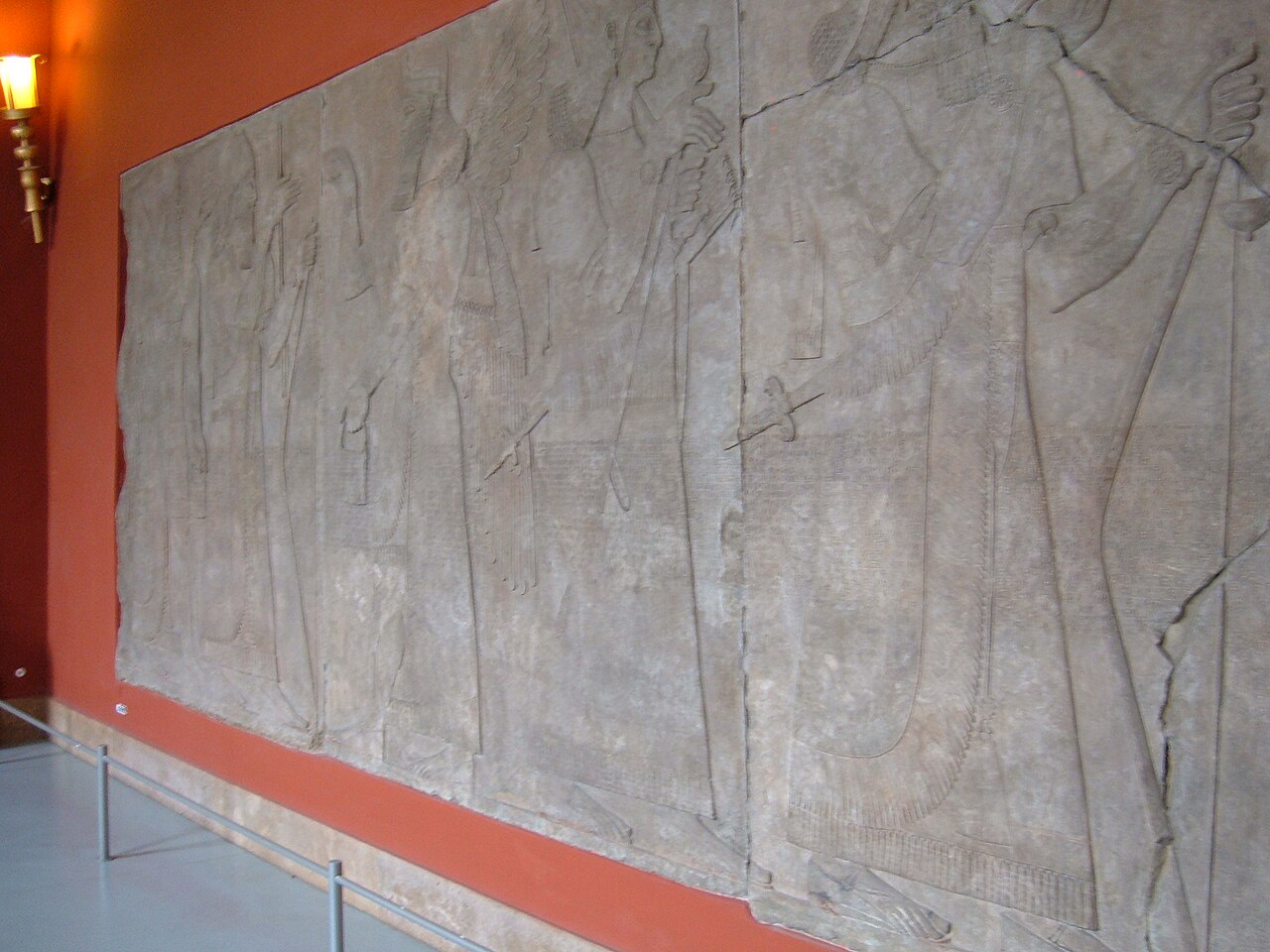
Among the four sons of Ham — Cush (roughly northern Sudan to Ethiopia today), Mizraim (Egypt), Put (the region of Libya), and Canaan (the Levant) — Scripture sets apart five whole verses (vv. 8-12) for just one man: Cush’s son Nimrod. He is called “a mighty one in the earth” (Genesis 10:8, WEB) and “a mighty hunter before Yahweh” (Genesis 10:9, WEB). “The beginning of his kingdom was Babel, Erech, Accad, and Calneh, in the land of Shinar” (Genesis 10:10, WEB), and from there “he went into Assyria, and built Nineveh, Rehoboth Ir, Calah” (Genesis 10:11, WEB). Shinar refers to the Mesopotamian plain of southern Iraq today, while Assyria and Nineveh lie further north, along the Tigris River. Cain had already built a single city (Genesis 4:17), but Nimrod is the first person in Scripture recorded as founding a “kingdom” made up of multiple cities.
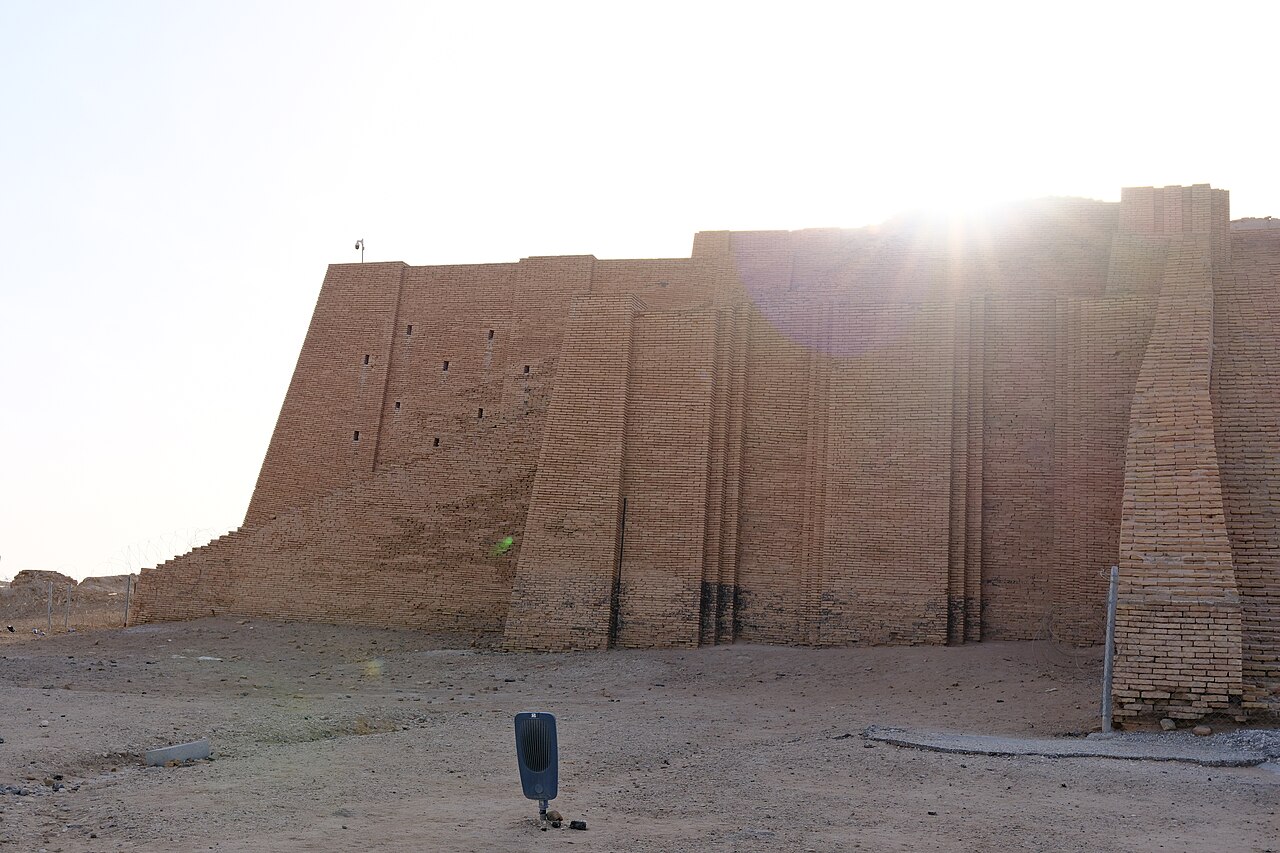
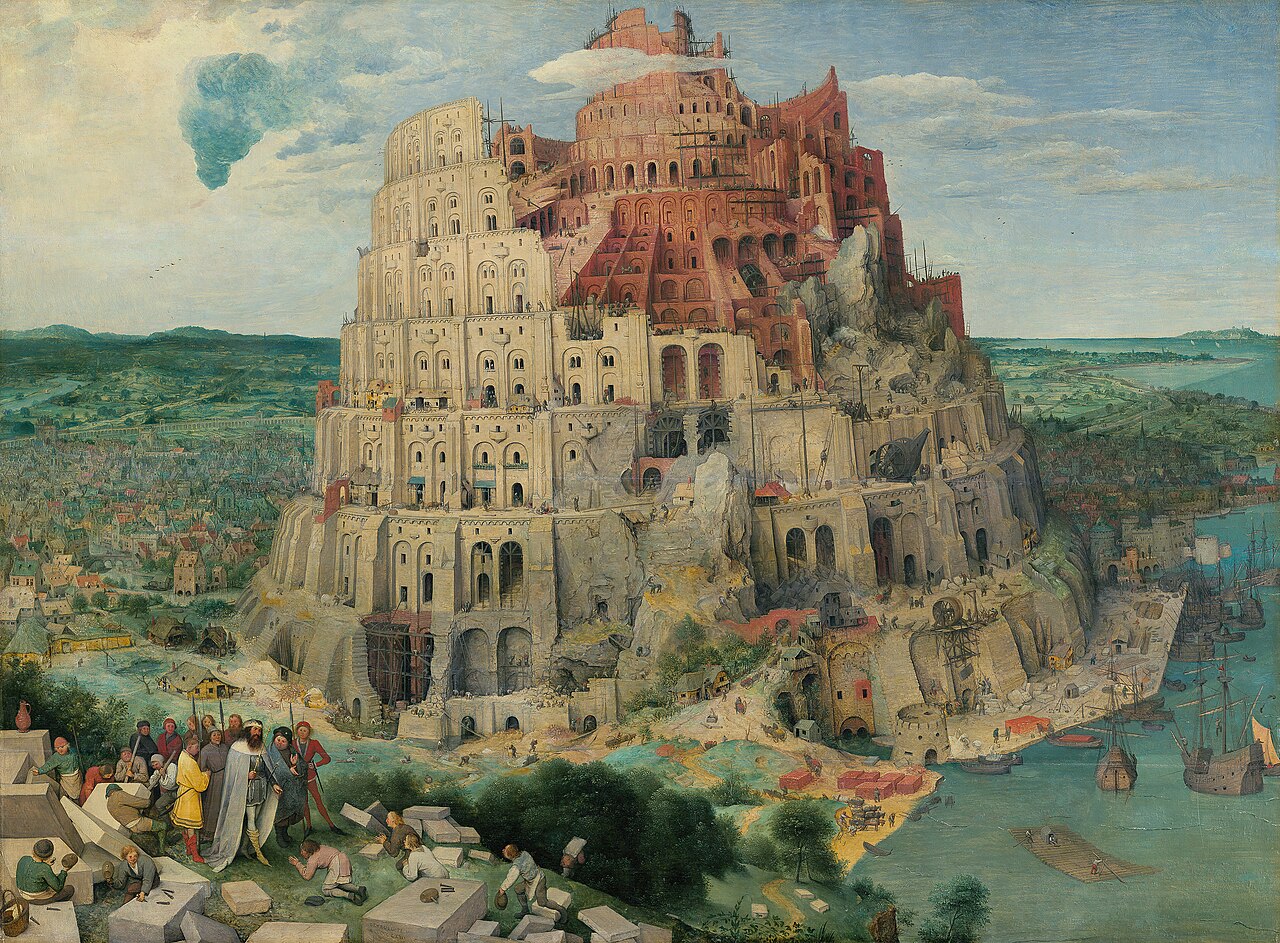
This very detail leads directly into the next chapter. The place where Nimrod’s kingdom began was precisely “the land of Shinar” (Genesis 10:10, WEB), and it is exactly the location where, in Genesis 11, people, “as they traveled from the east, found a plain in the land of Shinar, and they lived there” (Genesis 11:2, WEB), and said, “let’s build ourselves a city, and a tower whose top reaches to the sky, and let’s make a name for ourselves” (Genesis 11:4, WEB). The human impulse to build a kingdom and make a name by one’s own strength begins with Nimrod and reaches its climax at the Tower of Babel.
Among the descendants of Ham, the longest section is devoted to Canaan (vv. 15-19). Sidon and Heth, along with the Jebusites, Amorites, Girgashites, Hivites, Arkites, Sinites, Arvadites, Zemarites, and Hamathites — these are the very peoples the people of Israel would later encounter in the books of Joshua and Judges. This list in chapter 10 shows in advance the background of Noah’s earlier prophecy, “Canaan is cursed… he will be a servant of servants” (Genesis 9:25, WEB).
Shem, Father of Eber, and the Genealogy That Continues — The Descendants of Shem (vv. 21-31)
Last among the three sons comes the genealogy of Shem. The text introduces Shem specifically as “the father of all the children of Eber” (Genesis 10:21, WEB). This genealogy — Shem → Arpachshad → Shelah → Eber — is repeated once more later, in Genesis 11:10 and following, this time extending in an unbroken line all the way to Abraham. Verse 25 introduces Eber’s two sons this way: “The name of the one was Peleg, for in his days the earth was divided. His brother’s name was Joktan” (Genesis 10:25, WEB). The name Peleg itself means “division,” which is understood to coincide in time with the scattering at the Tower of Babel examined above.
That the genealogy of Shem is placed last, after Japheth and Ham, in the climactic position, shows where the center of gravity of this genealogy lies. Luke’s Gospel, which later records the genealogy of Jesus, says, “…the son of Arphaxad, the son of Shem, the son of Noah…” (Luke 3:36, WEB), confirming that Jesus Christ himself came down through this very line of Shem. The genealogy of Shem in Genesis 10 is not a list that ends in itself — it is one segment of the long bridge that leads to Christ.
Theme — A Plan Beyond the Scattering, and the Great Commission
The significance of Genesis 10 for Scripture as a whole is simple. God had already held his plan for humanity from the time of Noah, long before he called Abraham (Genesis 12). The boundaries where the nations were scattered were no accident but the design of “the Most High” (Deuteronomy 32:8, WEB), and in the New Testament, the apostle Paul proclaims this same truth again at the Areopagus in Athens: “He made from one blood every nation of men to dwell on all the surface of the earth, having determined appointed seasons, and the boundaries of their dwellings” (Acts 17:26, WEB).
So then, are the scattered nations of Genesis 10-11 the end of the story? The last book of the Bible says no. “After these things I looked, and behold, a great multitude, which no man could count, out of every nation and of all tribes, peoples, and languages, standing before the throne and before the Lamb, dressed in white robes, with palm branches in their hands” (Revelation 7:9, WEB) — the very nations, tribes, and languages that were scattered in Genesis gather again before Christ in Revelation. Midway through this long journey from scattering (Genesis 10-11) to gathering (Revelation 7), Jesus commanded his disciples: “Go ye therefore, and teach all nations, baptizing them in the name of the Father, and of the Son, and of the Holy Ghost” (Matthew 28:19, KJV). The roster of nations in Genesis 10 is, in effect, God’s ancient address book — telling us in advance exactly “which peoples” the Great Commission is addressed to.
Application
There is no need to memorize every unfamiliar name in Genesis 10 one by one. But the question this chapter puts to us is clear. God remembered even the smallest tribe, whose name is unfamiliar even to us, and recorded it in the genealogy. If that is so, then the unfamiliar neighbor I meet today, the migrant worker who speaks another language, the people group that has not yet heard the gospel — none of them is ever a stranger to God.
This genealogy broadens our prayer list. Praying for the peoples the gospel has not yet reached — beyond prayers for our own family and church — is not a sentimental choice but a way of following the long-standing heart of God that has continued since Genesis 10. Supporting missionaries, welcoming people from other cultures, and picturing the phrase “all nations” not as an abstract slogan but as specific faces — this is the practical invitation this unfamiliar genealogy extends to us today.