
Many Christians have memorized a handful of favorite verses, but few know how the Bible as a whole is put together. Genesis and Psalms feel familiar, yet it’s hard to remember the last time anyone opened Obadiah or 2 Thessalonians. The first step of discipleship is drawing this map — knowing where each of the 66 books sits, what story it tells, and how it connects to the rest. This article lays out the structure of the Old Testament’s 39 books and the New Testament’s 27 books at a glance, and confirms from Scripture itself why that whole picture must be the starting point for discipleship.
Why Discipleship Begins with Knowing the Whole Bible
In his final letter to Timothy, Paul sums up the benefit of the whole of Scripture like this. The English Scripture quotations here are from the King James Version and the World English Bible (both public domain).
“Every Scripture is God-breathed and profitable for teaching, for reproof, for correction, and for instruction in righteousness, that each person who belongs to God may be complete, thoroughly equipped for every good work.” (2 Timothy 3:16-17, WEB)
Here, ‘every Scripture’ does not mean a handful of verses but the whole canon. Paul himself made a confession of the same weight when he said farewell to the Ephesian elders.
“for I didn’t shrink from declaring to you the whole counsel of God.” (Acts 20:27, WEB)
Paul did not pick out only the comfortable parts, the parts pleasant to hear, and teach those alone. That he declared ‘the whole counsel of God’ was his pastoral pride. The Great Commission that the risen Jesus left his disciples points in the same direction.
“Go ye therefore, and teach all nations, baptizing them in the name of the Father, and of the Son, and of the Holy Ghost: Teaching them to observe all things whatsoever I have commanded you: and, lo, I am with you alway, even unto the end of the world. Amen.” (Matthew 28:19-20, KJV)
‘All things whatsoever I have commanded you’ is not limited to Jesus’s own teaching. The risen Jesus opened the whole Old Testament to explain himself to the two disciples on the road to Emmaus.
“Beginning from Moses and from all the prophets, he explained to them in all the Scriptures the things concerning himself.” (Luke 24:27, WEB)
From the Pentateuch to Malachi, from Matthew to Revelation — all 66 books ultimately point to one story: Christ. Making a disciple, then, is not a matter of having someone memorize a few favorite verses; it is helping that person learn to stand on their own before this entire story.
The Old Testament’s 39 Books — A Story of Covenant and Waiting
The Old Testament begins with creation and tells the story of God calling a people, making a covenant with them, and, despite their failure and rebellion, going on to promise a Savior. The 39 books are traditionally divided into four groups.
| Category | Books | Book Names |
|---|---|---|
| Pentateuch (Law) | 5 | Genesis·Exodus·Leviticus·Numbers·Deuteronomy |
| Historical Books | 12 | Joshua·Judges·Ruth·1 Samuel·2 Samuel·1 Kings·2 Kings·1 Chronicles·2 Chronicles·Ezra·Nehemiah·Esther |
| Wisdom/Poetic Books | 5 | Job·Psalms·Proverbs·Ecclesiastes·Song of Solomon |
| Major Prophets | 5 | Isaiah·Jeremiah·Lamentations·Ezekiel·Daniel |
| Minor Prophets | 12 | Hosea·Joel·Amos·Obadiah·Jonah·Micah·Nahum·Habakkuk·Zephaniah·Haggai·Zechariah·Malachi |
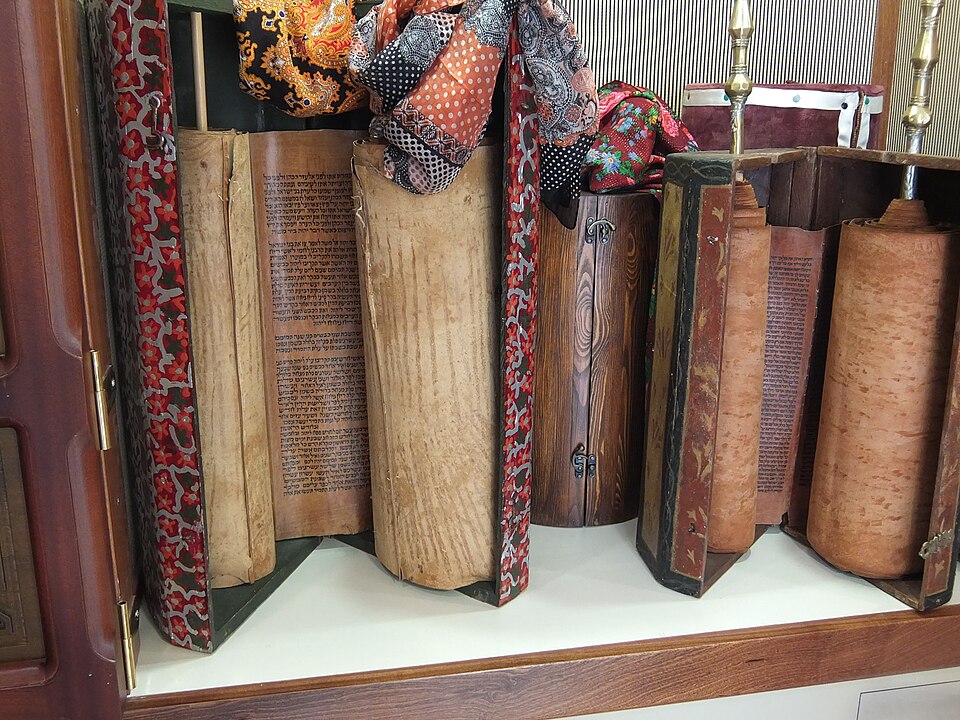
The Pentateuch (5 Books) — The Foundation of Covenant and Law
Genesis opens with the beginning of the world, humanity’s fall, and God’s promise to call a people through Abraham. From Exodus through Deuteronomy is the journey of that people: rescued from Egypt, entering into covenant at Sinai, receiving the law, and crossing the wilderness until they stand before the promised land. Every Old Testament story that follows unfolds against the backdrop of the covenant and law established in these five books.
The Historical Books (12 Books) — The Obedience and Failure of the Covenant People
From Joshua’s conquest of Canaan to Esther in the Persian court, the historical books record the covenant people’s turbulent path: entering the promised land, passing through the chaos of the judges, establishing then dividing the monarchy, and finally being carried into exile before some returned. A recurring pattern emerges — blessing in obedience, collapse in disobedience.
The Wisdom/Poetic Books (5 Books) — Wisdom for Life and Worship
Job explores the meaning of suffering; Psalms shows how to approach God through praise and lament; Proverbs offers practical wisdom for daily life; Ecclesiastes sings of the futility of life under the sun and what lies beyond it; and Song of Solomon celebrates the beauty of love. Together, the wisdom and poetic books show God’s people how to pray and live through both victory and suffering.
The Prophets (17 Books) — The Promise of Judgment and Restoration
The seventeen prophetic books, from Isaiah to Malachi, all warn a covenant-breaking people of judgment while at the same time proclaiming the hope that God will surely restore them. The five ‘Major’ Prophets are called ‘major’ simply because of their length, not because their message carries more weight, and each of the twelve Minor Prophets has its own distinct era and message. This hope ultimately points forward to the Messiah who is to come in the New Testament.
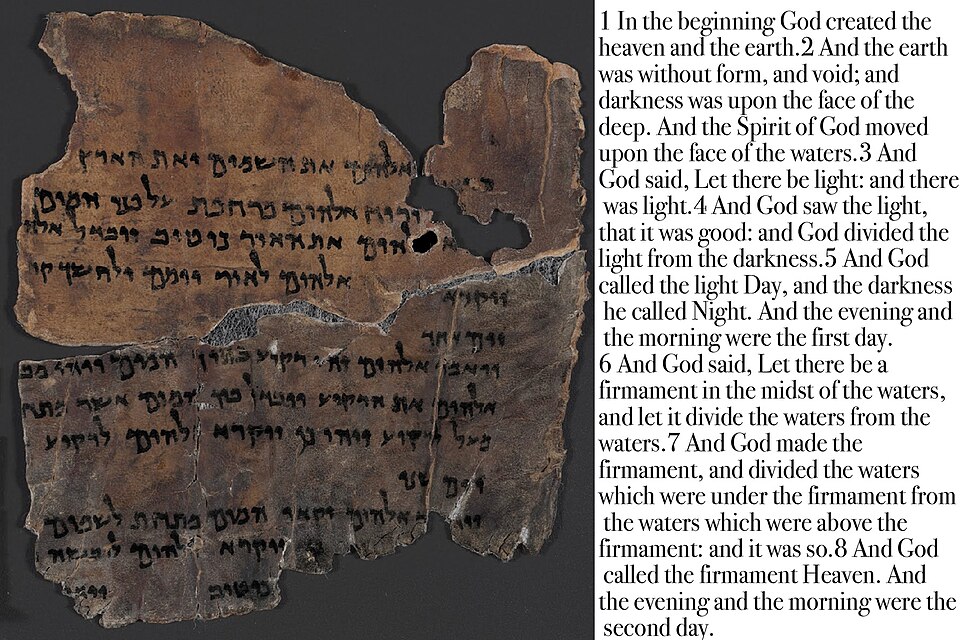
The New Testament’s 27 Books — A Story of Fulfillment and the Church
The New Testament is the story of the promise the Old Testament had long awaited being fulfilled in Jesus Christ. Its 27 books are likewise divided into four groups.
| Category | Books | Book Names |
|---|---|---|
| Gospels | 4 | Matthew·Mark·Luke·John |
| Historical Book | 1 | Acts |
| Pauline Epistles | 13 | Romans·1 Corinthians·2 Corinthians·Galatians·Ephesians·Philippians·Colossians·1 Thessalonians·2 Thessalonians·1 Timothy·2 Timothy·Titus·Philemon |
| General Epistles | 8 | Hebrews·James·1 Peter·2 Peter·1 John·2 John·3 John·Jude |
| Prophecy | 1 | Revelation |
The Gospels (4 Books) — The Coming of Christ
Matthew·Mark·Luke cover Jesus’s life and ministry in a similar order and are called the ‘Synoptic Gospels,’ while John takes an independent perspective, emphasizing that Jesus is God himself. All four Gospels testify to the same person from different angles, complementing one another.
The Historical Book (1 Book) — Acts, the Beginning of the Church
Acts records how, after the risen Jesus’s ascension, the Holy Spirit came, and how a small band in Jerusalem carried the gospel through Samaria and all Judea and on across the Roman Empire. It is the book that shows how the Great Commission was actually being fulfilled.
The Epistles (21 Books) — Letters that Teach Faith and Life
The thirteen letters Paul sent to the churches he planted and to his fellow workers defend the truth of the gospel and answer concrete questions of daily life. The eight General Epistles, from Hebrews to Jude, are pastoral exhortations sent by various apostles to various communities, and together with Paul’s letters they teach the New Testament church how to believe and how to live.
Prophecy (1 Book) — Revelation, Consummation and Hope
Revelation shows a suffering church the final victory of Christ and the hope of a new heaven and a new earth. The story that began in Genesis — God restoring a world broken by sin — reaches its completion here.
How the 66 Books Became One Book
It took a long time for the Old Testament’s 39 books and the New Testament’s 27 books to be gathered into their present form. A popular story holds that ‘around AD 90, the Jewish community officially fixed the Old Testament canon at the Council of Jamnia (Jabneh),’ but this was a hypothesis first proposed by a scholar in 1871, and subsequent research has led today’s scholarship to reassess it as having little credibility. It is true that a rabbinic academy was located there, but there is no evidence that any official council was held to ‘close’ the canon.

The process by which the New Testament’s 27 books were settled into today’s list left comparatively clear milestones. The Muratorian Fragment, written toward the end of the second century, already lists 22 of the 27 books, and the Easter Letter written in 367 by Athanasius, bishop of Alexandria, is regarded as the oldest surviving document to name the same 27-book New Testament list we have today. In 393 the Synod of Hippo became the first council of bishops to formally list and approve a canon of Scripture, and the Council of Carthage reaffirmed it in 397. The criteria commonly cited for determining canonicity include apostolic origin, universal acceptance by the church as a whole, and consistency with apostolic teaching. The number ‘sixty-six’ is the standard of the Protestant canon, and as we have seen, all 66 of these books ultimately point to one person, Christ (Luke 24:27).
How to Use This Map in Discipleship
Knowing the structure is not an end in itself. This map has meaning only when it is actually put to use in making disciples.
- Set a Bible-reading plan together. In one-on-one discipleship or a small group, agree on a one-year Bible reading schedule together and set aside time each week to share which book and chapter you read. Reading the Old and New Testaments in alternation keeps you from losing the sense of the ‘whole picture’ from the start.
- Make one-line summary cards for each book. Having someone summarize each of the 66 books in a sentence or two means that even when they open an unfamiliar book, they won’t lose track of ‘where in the story this book stands.’
- Train them to read the Old Testament with Christ at the center. As Jesus did on the road to Emmaus, help them search together for how each Old Testament book prepares for and points to Christ.
- Connect the epistles to real questions of life. When reading Paul’s letters and the General Epistles, ask together, ‘What problem was this letter written to address, and where in my life today does it apply?’
Just as Paul urged in 2 Timothy 2:15, “Give diligence to present yourself approved by God, a workman who doesn’t need to be ashamed, properly handling the Word of Truth” (2 Timothy 2:15, WEB), making a disciple ultimately means training that person to read and discern for themselves before the whole of God’s Word. The psalmist’s confession sums up the goal of this training in the fewest words.
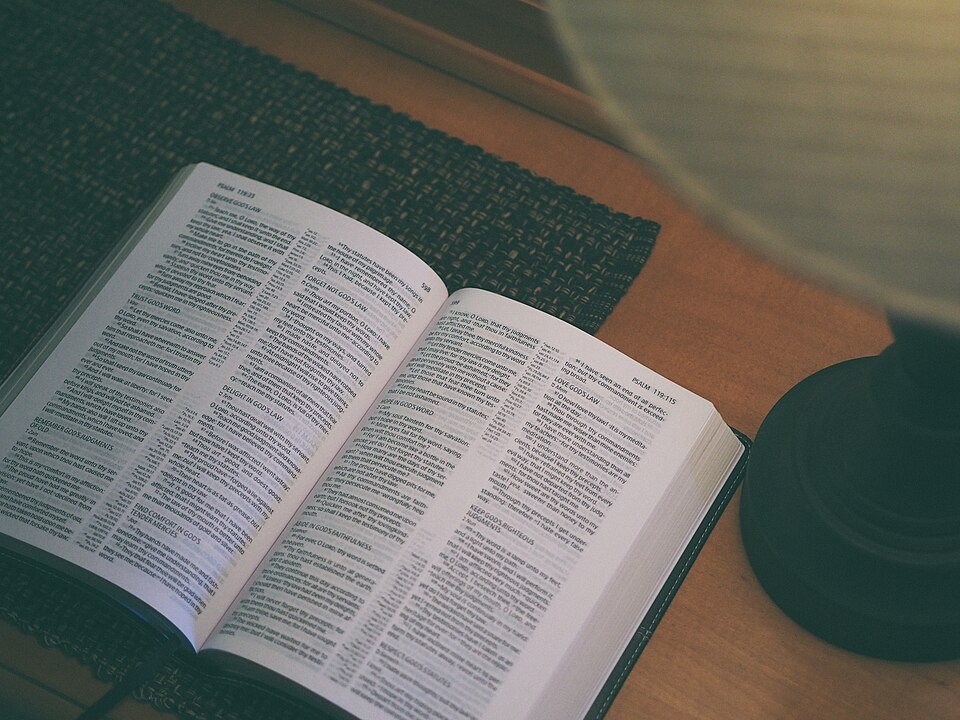
“Thy word is a lamp unto my feet, and a light unto my path.” (Psalm 119:105, KJV)
Sixty-six books, written over a long span of time, yet testifying to one Author, one story, one Christ — this whole Word still serves as a lamp lighting a disciple’s feet and path today.
References
- GotQuestions.org — Old Testament Survey (Korean)
- GotQuestions.org — New Testament Survey
- Wikipedia — Council of Jamnia (the Jamnia hypothesis and its reassessment)
- Wikipedia — Muratorian Fragment
- Wikipedia — Easter Letter (Athanasius’s Easter Letter, AD 367)
- Wikipedia — Synod of Hippo (AD 393)
- Korean Bible Society