
TGC’s Bible exposition series begins with Genesis 1 and reads through Scripture one chapter at a time. The first chapter of the Bible sets before us a question deeper than how the world came to be: who is the God who made me? Genesis 1 answers that question in several layers. He is the God who creates by His word, who establishes order and then fills it, who gives His own image to humankind, who feeds and blesses, and who invites His creation into rest. This study follows those answers in the order of the text.
This exposition follows one principle: interpreting Scripture by Scripture. Rather than being pulled along by human opinion or the controversies of the age, we follow how other passages of the Bible unfold what Genesis 1 says. English Scripture quotations are from the World English Bible (WEB), with Genesis 1:1 and Genesis 1:26-27 in the King James Version (KJV); both are in the public domain. The Korean edition quotes the public-domain Korean Revised Version (1961). Chapter and verse are given with every quotation.
In the Beginning, God — the Origin of All Things (Genesis 1:1-2)
Genesis opens not with an argument but with a proclamation.
In the beginning God created the heaven and the earth. (Genesis 1:1, KJV)
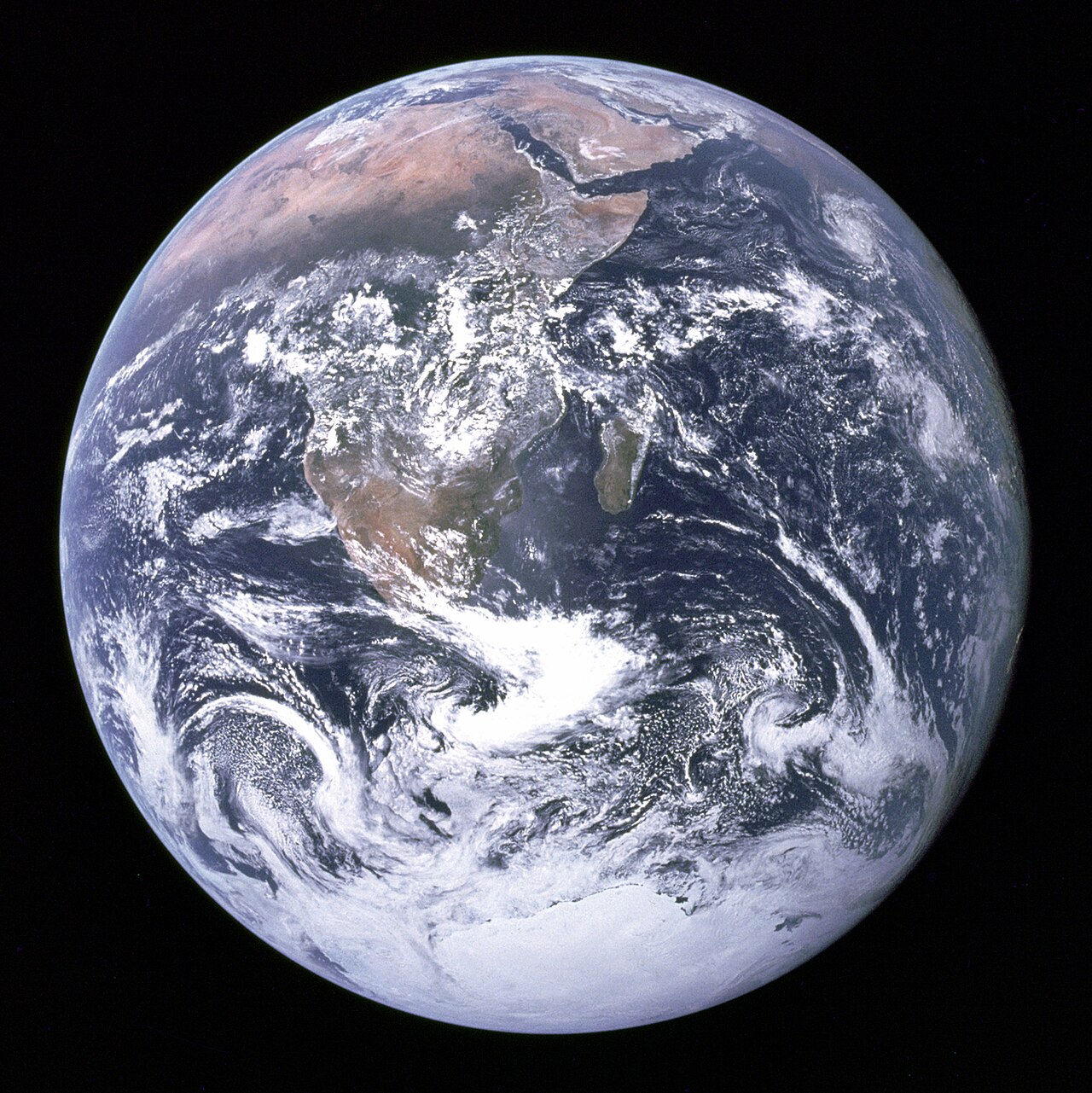
This one sentence is the heading of the whole Bible. God reveals Himself as the One who, at the beginning of time, brought the heavens and the earth, the whole created order, into being. He is not a being who was made but the One who made everything; not a part of the world but the Creator of the world. From the very start, then, Genesis 1 openly contradicts the ancient religions that worshiped the sun, moon and stars as gods. Even the sun and moon are not objects of worship but merely lights that God made and set in the sky (Genesis 1:14-18).
Genesis 1:2 then shows the state of things before they were shaped.
The earth was formless and empty. Darkness was on the surface of the deep and God’s Spirit was hovering over the surface of the waters. (Genesis 1:2, WEB)
Formless and empty names two lacks: no shape and nothing in it. The six days of Genesis 1 answer these two lacks in turn. Even where there was only darkness and the deep, the Spirit of God was hovering over the waters. The work of creation does not begin in a chaos where God is absent, but in a place where God is already present.
The Order of Six Days: Forming, Filling and Rest
When we spread Genesis 1 out like a single painting, what emerges is not a random list but a careful design. To the two problems named in Genesis 1:2, formlessness and emptiness, God responds in two sets. From the first day to the third He forms the realms, and from the fourth day to the sixth He fills them.
| Days of forming | Days of filling |
|---|---|
| Day one: light, day and night (Genesis 1:3-5) | Day four: sun, moon and stars (Genesis 1:14-19) |
| Day two: the expanse (sky), dividing the waters above and below (Genesis 1:6-8) | Day five: fish and birds (Genesis 1:20-23) |
| Day three: land and sea, plants (Genesis 1:9-13) | Day six: animals and humankind (Genesis 1:24-31) |
| Day seven: God finishes all His work and rests (Genesis 2:1-3) | |
Read across the table and the pairs become clear. The light of day one is filled by the lights of day four; the sky and waters divided by the expanse on day two by the birds and fish of day five; the land and plants of day three by the animals and humankind of day six. The plants that sprang up on day three become food for the creatures made on day six (Genesis 1:29-30).
A similar rhythm recurs through the text. God speaks (command), it is so (fulfillment), and God sees that it is good (evaluation). On day two, however, the verdict of good does not appear. The refrain of evening and morning that closes the day sounds on all six days (Genesis 1:5, 8, 13, 19, 23, 31), and on the seventh day it settles into rest. Creation is God’s work moving from disorder to order, and from work to rest.
And God Said — Creation by the Word (Genesis 1:3)
The phrase heard most often in Genesis 1 is God said. God creates by speaking.
God said, “Let there be light,” and there was light. (Genesis 1:3, WEB)
There is no gap between command and fulfillment. The psalmist sets this manner of creation to song.
By Yahweh’s word, the heavens were made; all their army by the breath of his mouth. … For he spoke, and it was done. He commanded, and it stood firm. (Psalm 33:6, Psalm 33:9, WEB)
Hebrews goes a step further: the universe was framed by the word of God, so that what is seen was not made out of things that are visible (Hebrews 11:3). God is not a craftsman shaping material that already existed; He is the One who by His word calls into being what was not.
Then who is that Word? The New Testament takes up the opening phrase of Genesis 1 and gives the answer.
In the beginning was the Word, and the Word was with God, and the Word was God. … All things were made through him. Without him, nothing was made that has been made. (John 1:1, John 1:3, WEB)
The words in the beginning in John 1:1 echo in the beginning in Genesis 1:1. Scripture itself makes clear that the Word who made the heavens and the earth in Genesis is the eternal Son, Jesus Christ. So the New Testament testifies that all things were created by Him, through Him and for Him, and that in Him all things hold together (Colossians 1:16-17), and it teaches that God made the worlds through the Son, who upholds all things by the word of His power (Hebrews 1:2-3). The Creator of Genesis 1 is not a distant deity but the very Christ who saved us.
Let There Be Light — From the Light of Creation to the Light of the Gospel (Genesis 1:3-5)

The first thing God called forth was light. He saw that the light was good, divided the light from the darkness, and called them day and night (Genesis 1:4-5). Scripture does not leave this first light as a mere physical event. The apostle Paul ties the command of light in Genesis directly to the light of the gospel.
seeing it is God who said, “Light will shine out of darkness,” who has shone in our hearts, to give the light of the knowledge of the glory of God in the face of Jesus Christ. (2 Corinthians 4:6, WEB)
The God who called light into the darkness on the first day is the same God who shines the light of the knowledge of Christ into hearts darkened by sin. Creation and salvation are the work of one and the same God. John bears witness to the same light. In the Word was life, and that life was the light of men; John writes, The light shines in the darkness, and the darkness hasn’t overcome it.
(John 1:5, WEB)
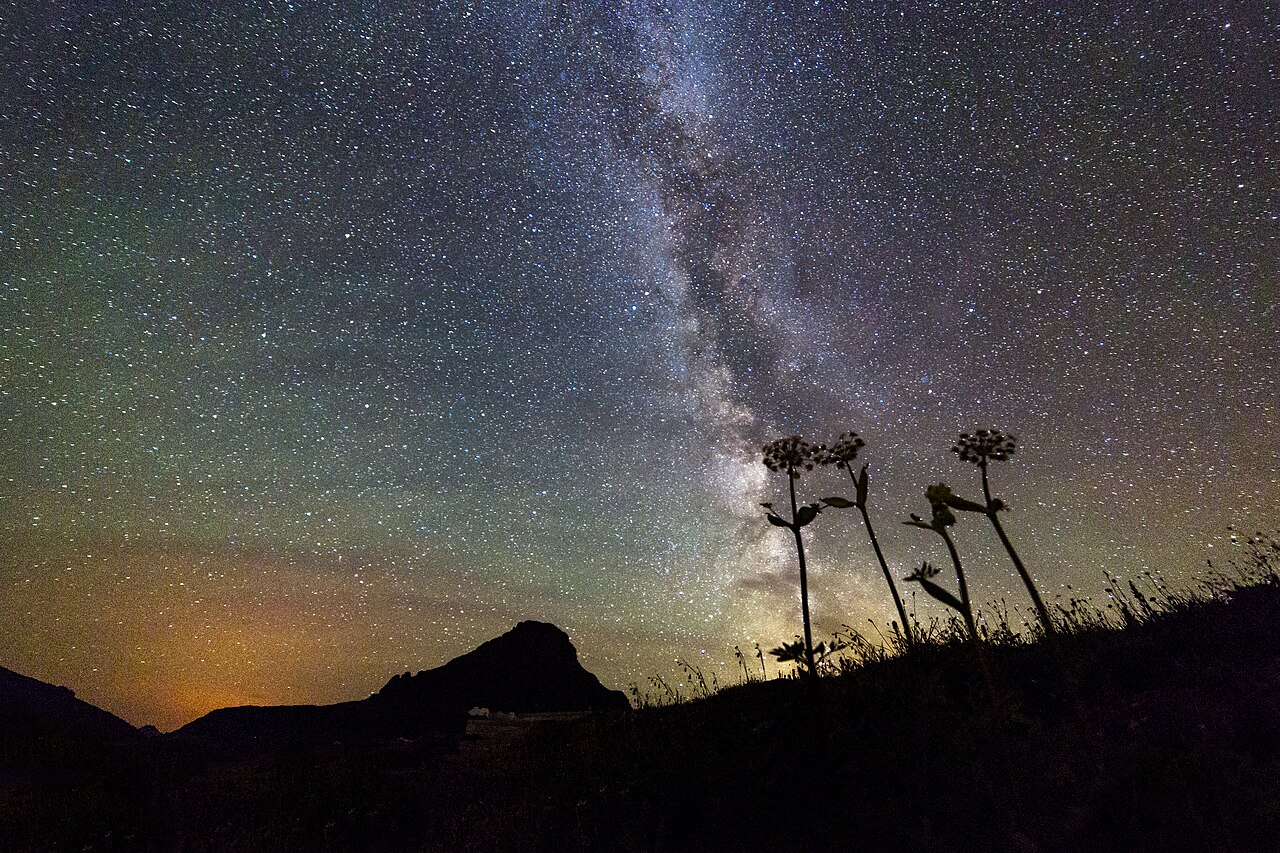
On the fourth day God set the sun, moon and stars in the expanse of the sky to give light on the earth and to rule over day and night, and to serve for signs, seasons, days and years (Genesis 1:14-18). Light came first; the sun and moon were set in the sky only on the fourth day. The ordinary rhythm of our calendars and seasons lies within the order God established.
The God Who Fills Each After Its Kind and Blesses (Genesis 1:20-25)
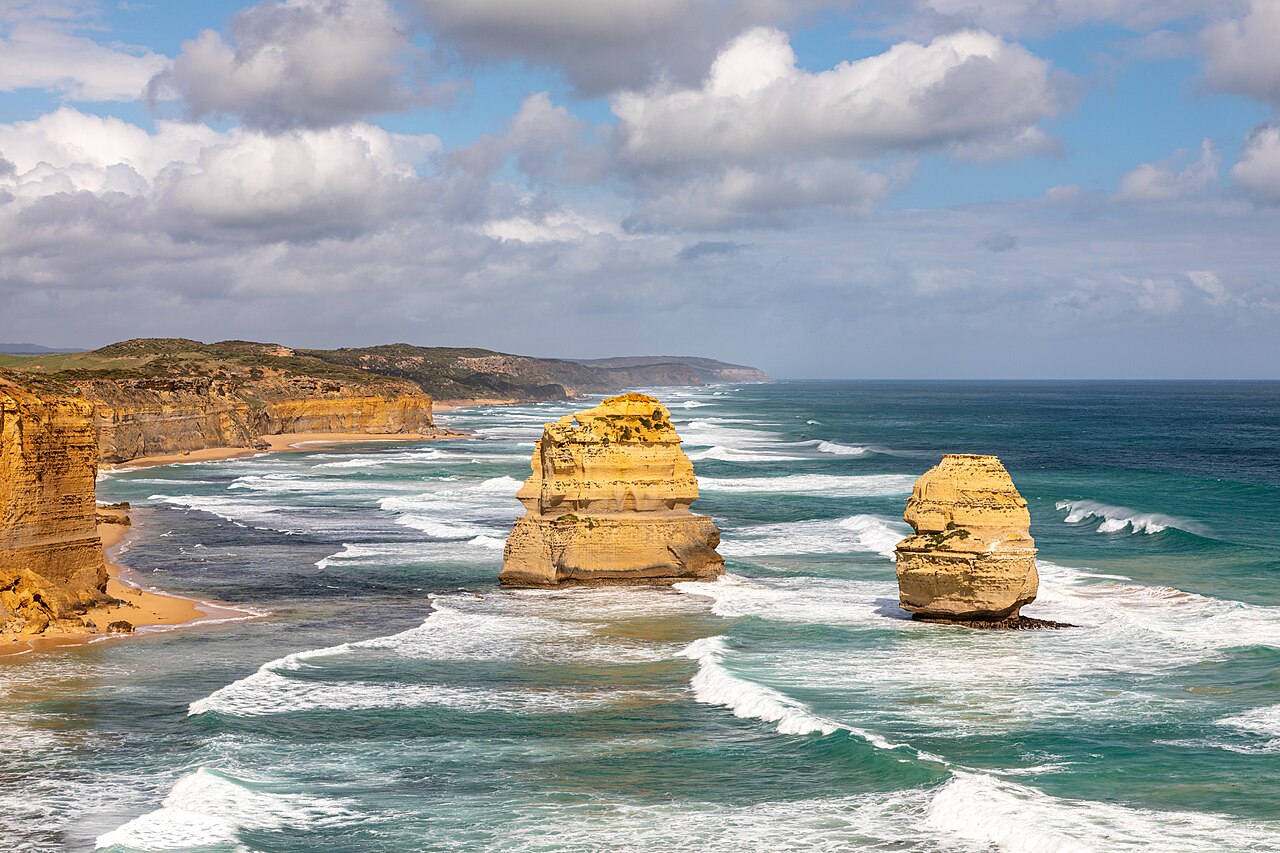
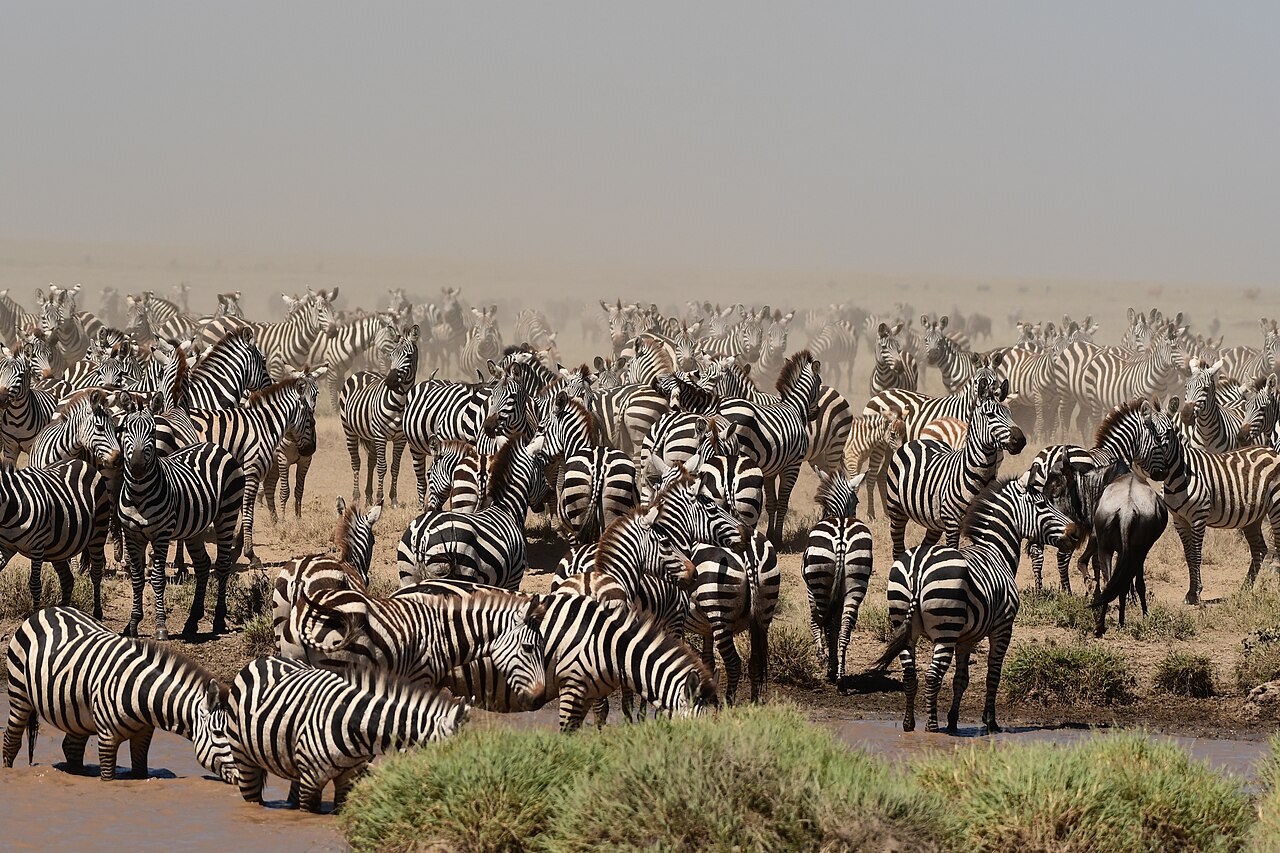
On the fifth and sixth days God fills the empty sea, sky and land with life. The great sea creatures and every living thing that moves in the waters, every winged bird, the livestock, creeping things and wild animals appear in turn (Genesis 1:20-25). The phrase heard again and again in this passage is after its kind. Life is not a jumbled mass; each creature was made with its own form within the order God set.
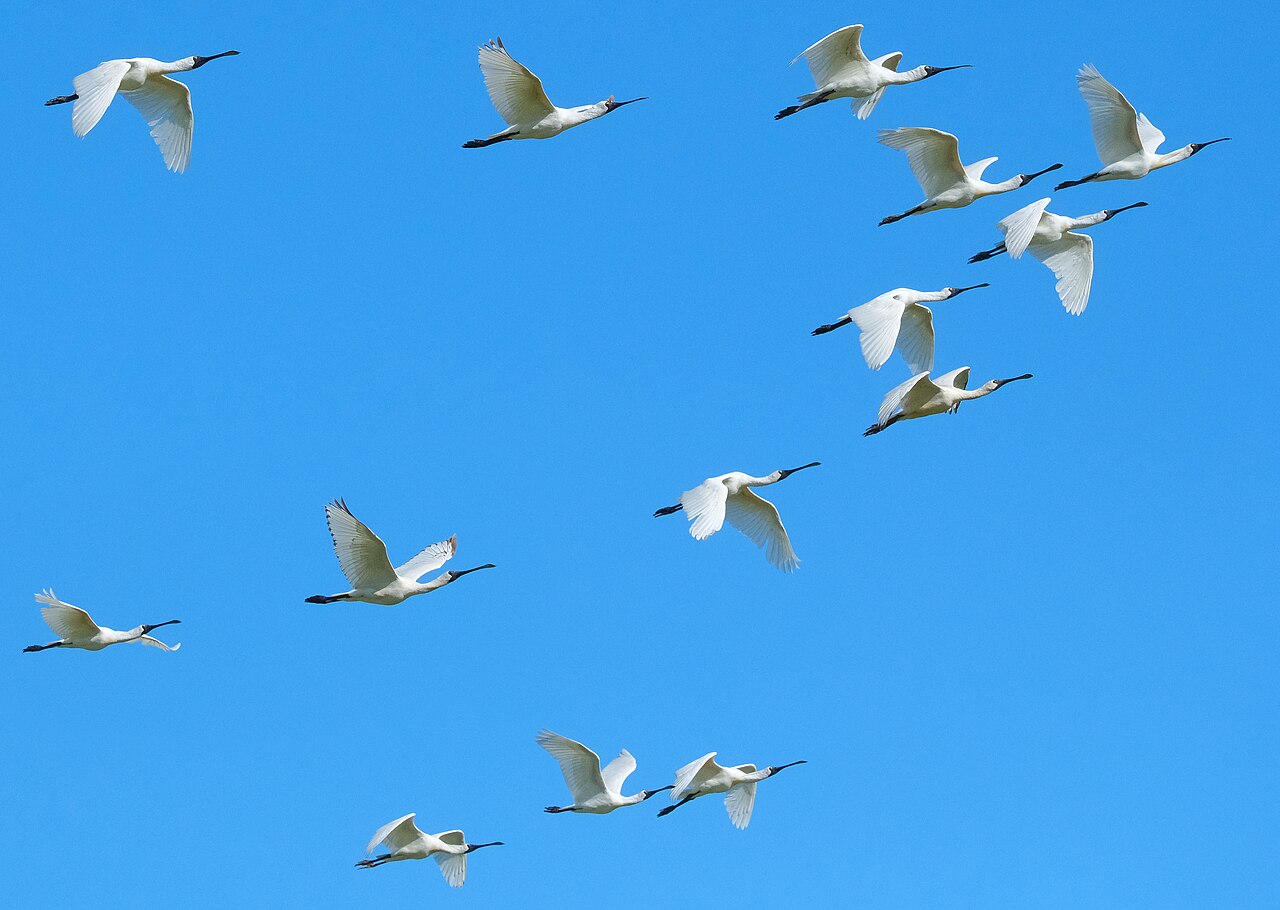
Here, for the first time in the Bible, the word blessed is spoken, and it is spoken over these creatures.
God blessed them, saying, “Be fruitful, and multiply, and fill the waters in the seas, and let birds multiply on the earth.” (Genesis 1:22, WEB)
God does not stop at making life; He delights for that life to flourish and fill the earth. The psalmist marvels at this abundance.
Yahweh, how many are your works! In wisdom, you have made them all. The earth is full of your riches. (Psalm 104:24, WEB)
The variety of creation is not an accident but a showcase of God’s wisdom and riches. When we look at the animals of the field and the birds of the air, we also see the wisdom of the One who made them.
Humankind, Made in the Image of God (Genesis 1:26-28)
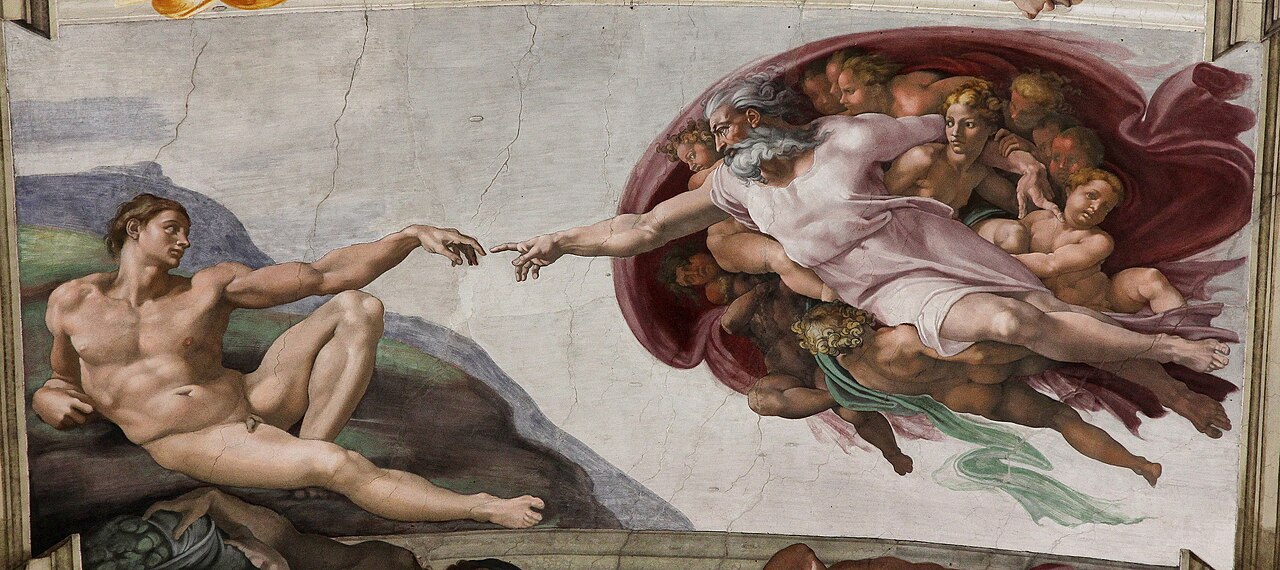
The six days of creation climb toward a climax. The other creatures were made after their kind, but when He makes humankind, God first deliberates within Himself.
And God said, Let us make man in our image, after our likeness … So God created man in his own image, in the image of God created he him; male and female created he them. (Genesis 1:26-27, KJV)
This declaration that humankind bears the image of God becomes the root of human dignity throughout Scripture. Even after the flood, God grounds His prohibition of murder here: for God made man in his own image.
(Genesis 9:6, WEB). Because to harm a person is to violate the image of God, every human life is precious. For the same reason James rebukes us for cursing, with the same tongue that praises God, people who are made in the likeness of God (James 3:9).
The image also carries a mission. God blesses humankind and commands them to be fruitful and multiply, to fill the earth, subdue it and have dominion over the living creatures (Genesis 1:28). The blessing given to the creatures on the fifth day is now given to humankind together with a calling. The psalmist sings of this dominion as God crowning humankind with glory and honor and giving them rule over the works of His hands (Psalm 8:5-6). This rule is not exploitation but a stewardship that has been entrusted, for the heavens belong to the LORD, but the earth He has given to the children of men (Psalm 115:16).
This image was marred by sin, but the New Testament teaches that it is restored in Christ. We put on the new self, renewed after the image of its Creator (Colossians 3:10; Ephesians 4:24), and God conforms us to the image of His Son (Romans 8:29). Paul says of Christ, He is the image of the invisible God
(Colossians 1:15, WEB). To grow into the likeness of Christ, the original of the image, is the goal of salvation. Jesus Himself quoted Genesis 1:27 and grounded marriage in the order of creation, in which God made humankind male and female from the beginning (Matthew 19:4-6).
It Will Be Your Food — the God Who Feeds (Genesis 1:29-30)
Having given humankind a calling, God at once provides the food they need to carry it out.
God said, “Behold, I have given you every herb yielding seed, which is on the surface of all the earth, and every tree, which bears fruit yielding seed. It will be your food.” (Genesis 1:29, WEB)
Before the first human took a first breath, the plants and trees of the third day were already waiting. To the animals of the earth and the birds of the sky God also gave every green herb for food (Genesis 1:30). The Creator does not abandon what He has made; He feeds it. The psalm confesses this God.
The eyes of all wait for you. You give them their food in due season. You open your hand, and satisfy the desire of every living thing. (Psalm 145:15-16, WEB)
Jesus also told us to look at the birds of the sky: they neither sow nor reap, yet the heavenly Father feeds them, and are we not of much more value than they (Matthew 6:26)? Genesis 1:29-30 reminds anxious hearts that the One who set the world’s first table also knows our table today.
It Was Very Good — the Goodness of Creation (Genesis 1:31)
God’s verdict at the end of the six days is clear.
God saw everything that he had made, and, behold, it was very good. (Genesis 1:31, WEB)
The verdict it was good, repeated again and again, rises to very good on the sixth day, when humankind too had been made. Matter, the body and the world are not evil by nature; God made them good. So the New Testament teaches that every creature of God is good, and nothing is to be rejected if it is received with thanksgiving (1 Timothy 4:4). Godliness is not turning our backs on the world, but receiving with gratitude the creation He made good and serving God within it.
On the Seventh Day, He Rested (Genesis 2:1-3)

The creation account is completed not in work but in rest.
The heavens, the earth, and all their vast array were finished. … God blessed the seventh day, and made it holy, because he rested in it from all his work of creation which he had done. (Genesis 2:1, Genesis 2:3, WEB)
The refrain of evening and morning that closed each of the six days does not appear on the seventh. That rest opens toward a rest that does not end. This rest of creation later becomes the ground of the Sabbath commandment at Sinai: because the LORD made heaven, earth and sea in six days and rested on the seventh, He blessed the Sabbath day (Exodus 20:11; 31:17). Jesus made plain that the Sabbath was made for man (Mark 2:27), and Hebrews says that a Sabbath rest remains for the people of God (Hebrews 4:9-10). The seventh day of Genesis is the first shadow of the rest we enter in Christ.
From the First Creation to the New Creation
Genesis 1 is not only the first chapter of the Bible’s story; it also mirrors the Bible’s final scene in advance. The God who accomplished the first creation by His word makes new the people and the world that sin has broken. Paul calls what happens in Christ a new creation.
Therefore if anyone is in Christ, he is a new creation. The old things have passed away. Behold, all things have become new. (2 Corinthians 5:17, WEB)
Revelation shows the completion of this new creation. John saw a new heaven and a new earth (Revelation 21:1), and the One seated on the throne declares, Behold, I am making all things new.
(Revelation 21:5, WEB). The God who called light into the darkness on the first day will in the end make sun and lamp unnecessary and Himself give light to His people (Revelation 22:5). So the light of Genesis 1 leads at last to a light that never ends.
Knowing the Creator Is the Starting Point of Discipleship
Genesis 1 does not end as information about the origin of the world. It is a summons to worship. The LORD is the God who created the heavens and formed the earth, and there is no other (Isaiah 45:18). The heavens declare the glory of God (Psalm 19:1), and His eternal power and divine nature are clearly seen in the things He has made, so that no one has an excuse (Romans 1:20). So the worship of heaven cries out:
Worthy are you, our Lord and God, the Holy One, to receive the glory, the honor, and the power, for you created all things, and because of your desire they existed, and were created! (Revelation 4:11, WEB)
Knowing the Creator is the first step of discipleship. The Christ who made all things by His word is the One who, after His resurrection, told His disciples, All authority has been given to me in heaven and on earth.
(Matthew 28:18, WEB). He then commanded them to make disciples of all nations (Matthew 28:19-20). It is fitting that all authority belongs to the One who made all things. So before Genesis 1 our first response is not debate but worship, and from that worship flow obedience, witness and mission.
As you read Genesis 1 again this week, take time to reflect on the following.
- As God set order in chaos by His word, consider whether you are first letting His word into the disordered areas of your life.
- Think about how the truth that the person you meet today was made in God’s image changes your words and attitude toward them.
- Hand over your worry about tomorrow’s bread, with thanksgiving, to the God who set the first table.
- Remembering the rest of the seventh day, set aside a time in this week’s schedule to stop your work and worship God.
In the next study we continue into Genesis 2, where God forms man from the dust and places him in Eden.
References
- Genesis 1, Korean Revised Version text — YouVersion (bible.com)
- Korean Revised Version, Genesis — Wikisource (public-domain text)
- Genesis 1:1 Cross References — BibleHub
- Genesis 1:26 Cross References — BibleHub
- Genesis 1:29 Cross References — BibleHub
- Genesis 1, original language and cross references — Blue Letter Bible
- Genesis 1 (World English Bible) — BibleHub