
The heart of discipleship is not knowledge but training in trust. In a crisis, do we trust God, or do we trust our own calculations? It is at that fork in the road that a disciple’s true condition is revealed. King Ahaz in Isaiah 7 is a portrait of someone who failed at precisely that point. God himself told him to ask for a sign, yet he refused with pious-sounding words and reached instead for the calculator of Assyria. Yet astonishingly, in that very place of unbelief, God gives a promise that runs through the whole Bible: “Behold, the virgin will conceive, and bear a son, and shall call his name Immanuel.” (Isaiah 7:14, WEB).

The Text — Isaiah 7:10-14 (WEB)
The English Scripture quotations in this article are from the World English Bible (public domain).
10 Yahweh spoke again to Ahaz, saying,
11 Ask a sign of Yahweh your God; ask it either in the depth, or in the height above.
12 But Ahaz said, I will not ask, neither will I tempt Yahweh.
13 He said, Listen now, house of David. Is it not enough for you to try the patience of men, that you will try the patience of my God also?
14 Therefore the Lord himself will give you a sign. Behold, the virgin will conceive, and bear a son, and shall call his name Immanuel.
(Isaiah 7:10-14, WEB)
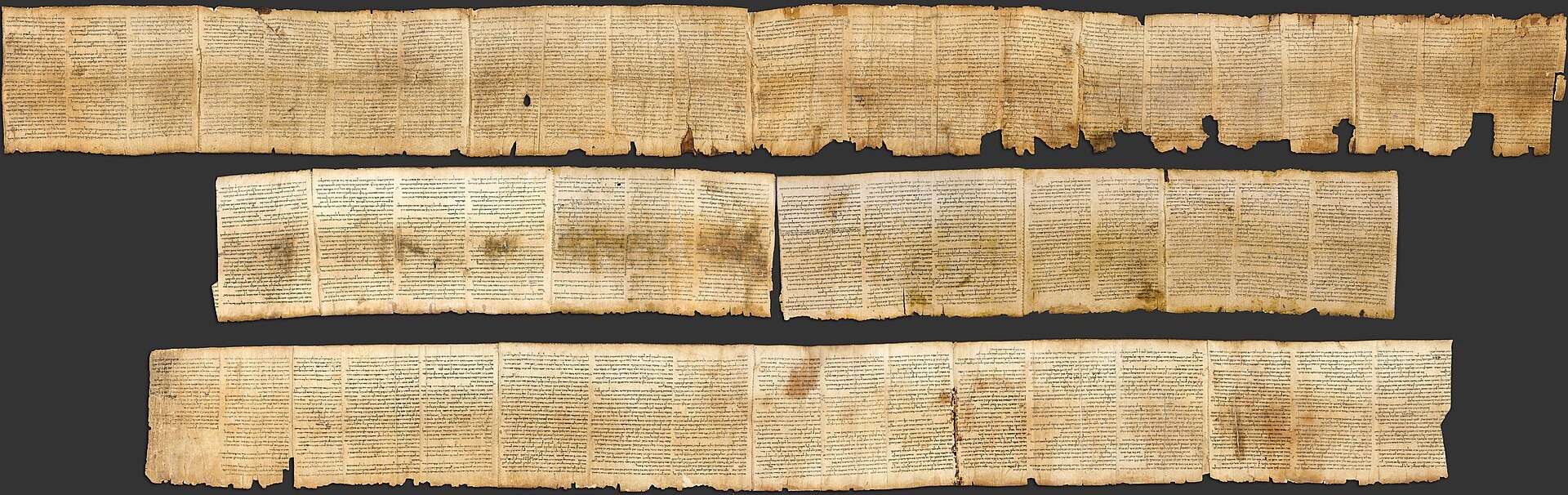
Background — A Shaken King, an Unshaken Promise
In the 730s BC, Rezin king of Syria and Pekah king of northern Israel joined forces and went up to Jerusalem (Isaiah 7:1; 2 Kings 16:5). Their plan was to strike Judah and “set up a king in its midst, even the son of Tabeel.” (Isaiah 7:6, WEB). They meant to cut off David’s line and install a king of their own choosing. Historical study explains that this alliance was aimed at both Judah and Assyria. When the news came, “His heart trembled, and the heart of his people, as the trees of the forest tremble with the wind.” (Isaiah 7:2, WEB).
God sent Isaiah with this word: “Be careful, and keep calm. Don’t be afraid, neither let your heart be faint …” (Isaiah 7:4, WEB). The two invaders were only fires about to go out. Then came both a condition of promise and a warning: “If you will not believe, surely you shall not be established.” (Isaiah 7:9, WEB). The Korean Bible quoted on this site prints this verse as part of Isaiah 7:8. In the Hebrew text, believe and be established are two forms of the same verb, aman, and the word amen comes from this verb. God pressed home, even by sound, that faith and stability share one root.
Principle 1 — God Even Gives Signs to Help Us Trust (Isaiah 7:10-11)
God makes a remarkable offer to trembling Ahaz: “Ask a sign of Yahweh your God; ask it either in the depth, or in the height above.” (Isaiah 7:11, WEB). From the depths below to the heights above, he is told to ask for anything. Here we see the first principle of discipleship: God is willing to help our faith grow. Faith is not a feeling we squeeze out of ourselves. It is our response to the God who gives his word, provides evidence, and invites us to trust him.
Principle 2 — Pious-Looking Unbelief Is the Most Dangerous Kind (Isaiah 7:12-13)
Ahaz’s answer sounds, on the surface, like a confession of faith: “I will not ask, neither will I tempt Yahweh.” (Isaiah 7:12, WEB). It sounds as if he knows the command from Deuteronomy: “You shall not tempt Yahweh your God, as you tempted him in Massah.” (Deuteronomy 6:16, WEB). But to refuse the sign God himself commanded him to ask for was not humility. It was disobedience.
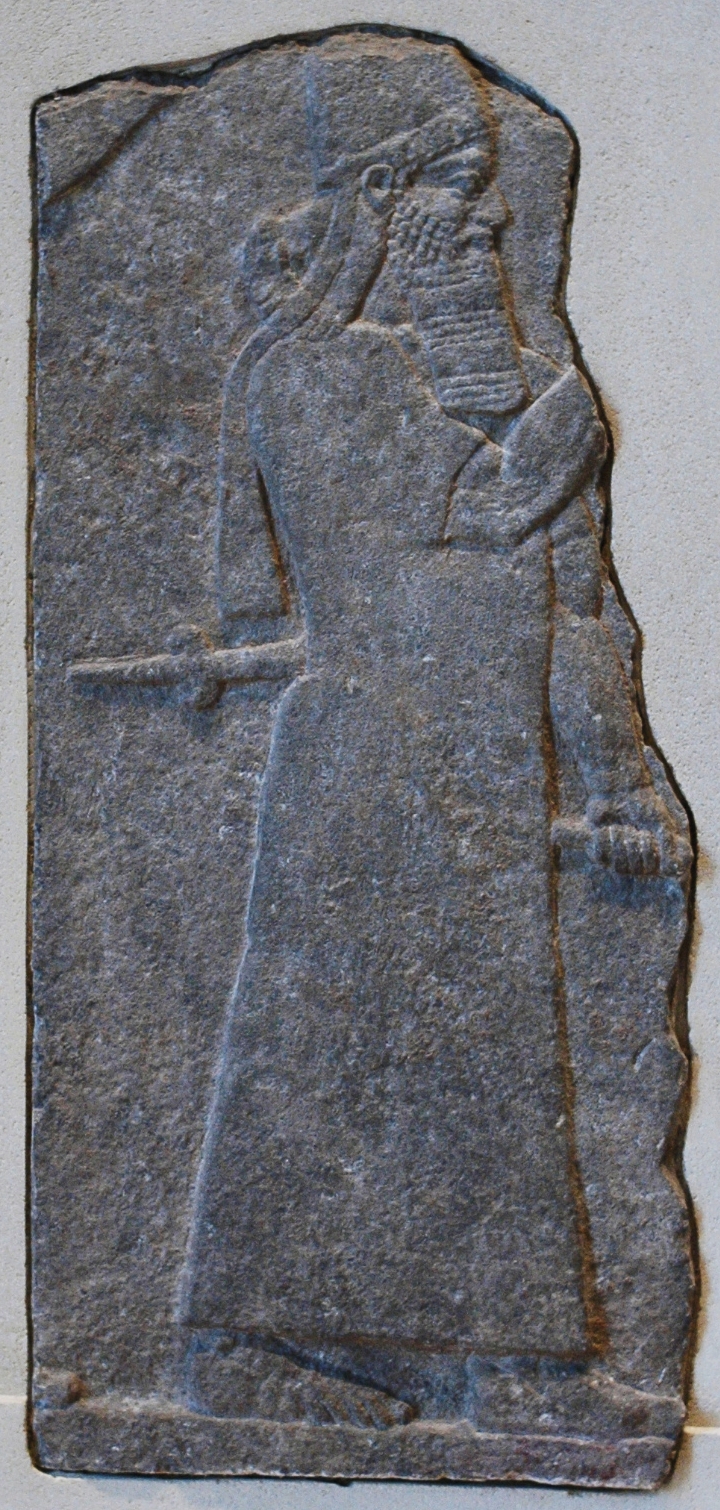
Ahaz’s real trust was already elsewhere. He sent messengers to Tiglath Pileser king of Assyria, saying, “I am your servant and your son. Come up, and save me out of the hand of the king of Syria, and out of the hand of the king of Israel, who rise up against me.” (2 Kings 16:7, WEB), and he sent the silver and gold of Yahweh’s house and the king’s treasuries as a present (2 Kings 16:8). He used the treasures of Yahweh’s house to buy the protection of a pagan empire. Unbelief wrapped in godly language: that is why Isaiah laments, “that you will try the patience of my God also?” (Isaiah 7:13, WEB).
Scripture does not hide the outcome of that deal either. Assyria struck Damascus and killed Rezin (2 Kings 16:9), yet Chronicles records what came back to Ahaz: “Tilgath Pilneser king of Assyria came to him, and distressed him, but didn’t strengthen him.” (2 Chronicles 28:20, WEB). He handed over the wealth, “but it didn’t help him.” (2 Chronicles 28:21, WEB). Going further, when Ahaz went to Damascus to meet the king of Assyria, he copied the altar he saw there and set up a new altar in Jerusalem (2 Kings 16:10-16). What we rely on eventually reshapes even the form of our worship. This is exactly where discipleship does its work. It trains us to ask whether the confession of our lips and the actual object of our trust are truly the same.
Principle 3 — God’s Word Comes to Pass Just as He Said (Isaiah 7:15-16; 8:4-10)
The sign Ahaz refused came with a timetable: “For before the child knows to refuse the evil, and choose the good, the land whose two kings you abhor shall be forsaken.” (Isaiah 7:16, WEB). Isaiah 8 repeats the same timetable. This is what God said about Isaiah’s own son: “For before the child knows how to say, ‘My father,’ and, ‘My mother,’ the riches of Damascus and the spoil of Samaria will be carried away by the king of Assyria.” (Isaiah 8:4, WEB).
Kings testifies that this word came true exactly. The king of Assyria “went up against Damascus, and took it, … and killed Rezin.” (2 Kings 16:9, WEB). In the days of Pekah, Tiglath Pileser took Galilee and all the land of Naphtali in northern Israel (2 Kings 15:29), and Pekah was killed in Hoshea’s conspiracy (2 Kings 15:30). The “two tails of smoking torches” (Isaiah 7:4, WEB) truly went out.
But Isaiah also delivers a warning: “Because this people have refused the waters of Shiloah that go softly, and rejoice in Rezin and Remaliah’s son;” (Isaiah 8:6, WEB). So God brings upon them “the mighty flood waters of the River: the king of Assyria and all his glory.” (Isaiah 8:7, WEB). Those waters “will sweep onward into Judah. It will overflow and pass through; it will reach even to the neck; and the stretching out of its wings will fill the breadth of your land, Immanuel.” (Isaiah 8:8, WEB). The guarantor Ahaz invited became the flood that covered Judah. Yet in the middle of that very warning Isaiah calls out to Immanuel and declares, “Take counsel together, and it will be brought to nothing; … for God is with us.” (Isaiah 8:10, WEB). God’s word, both promise and warning, comes to pass just as he said. Training in trust means building our confidence on this record of words that have already been fulfilled.

Principle 4 — Even When People Refuse, the Lord Himself Gives the Sign (Isaiah 7:14)
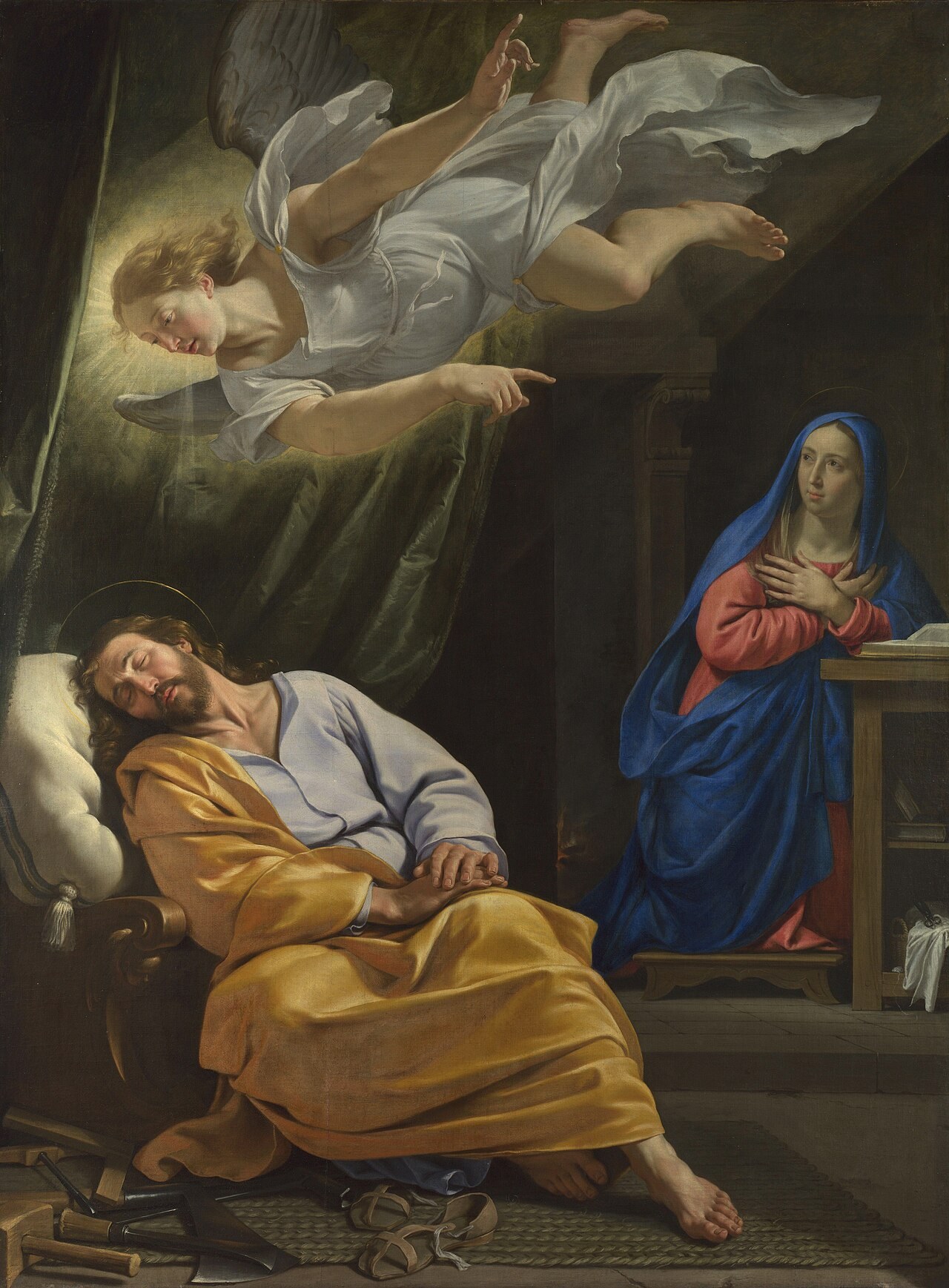
When Ahaz refuses the sign, God does not abandon his plan. He gives something greater: “Therefore the Lord himself will give you a sign. Behold, the virgin will conceive, and bear a son, and shall call his name Immanuel.” (Isaiah 7:14, WEB). Immanuel means God with us. This promise continues into Isaiah 9. The son promised there is the one who will reign “on the throne of David, and on his kingdom, to establish it, and to uphold it with justice and with righteousness from that time on, even forever.” (Isaiah 9:7, WEB). In the very place where the house of David was shaken, God promised the One who would establish David’s throne forever.
This promise reaches beyond the days of Ahaz and, about 700 years later, is declared fulfilled in Matthew: “Now all this has happened, that it might be fulfilled which was spoken by the Lord through the prophet, saying, ‘Behold, the virgin shall be with child, and shall bring forth a son. They shall call his name Immanuel;’ which is, being interpreted, ‘God with us.’” (Matthew 1:22-23, WEB). Human unbelief cannot stop God’s saving plan. Even if the house of David fails, the One who will come as the Son of David will surely come.
Method — Training to Walk the Opposite Path from Ahaz
If we reverse what Isaiah had to say to Ahaz, we begin to see the path a disciple should walk in the face of crisis.
- “Be careful, and keep calm.” (Isaiah 7:4, WEB) — training in stopping. This is the practice of turning our first reaction to bad news into prayer. It is exactly what Isaiah would later proclaim: “You will be saved in returning and rest. Your strength will be in quietness and in confidence.” (Isaiah 30:15, WEB).
- Receive your sign from the Word (Isaiah 7:11) — training in changing your foundation. We have already been given the greatest sign of all: Immanuel, Christ. This is not vague optimism, but learning to build confidence on a fulfilled promise (Matthew 1:23).
- Do not transfer the silver and gold (2 Kings 16:8) — training in examining your resources. Fear makes us offer to worldly guarantors what should be given to God. Where our time, money, and heart are flowing reveals the true object of our trust.
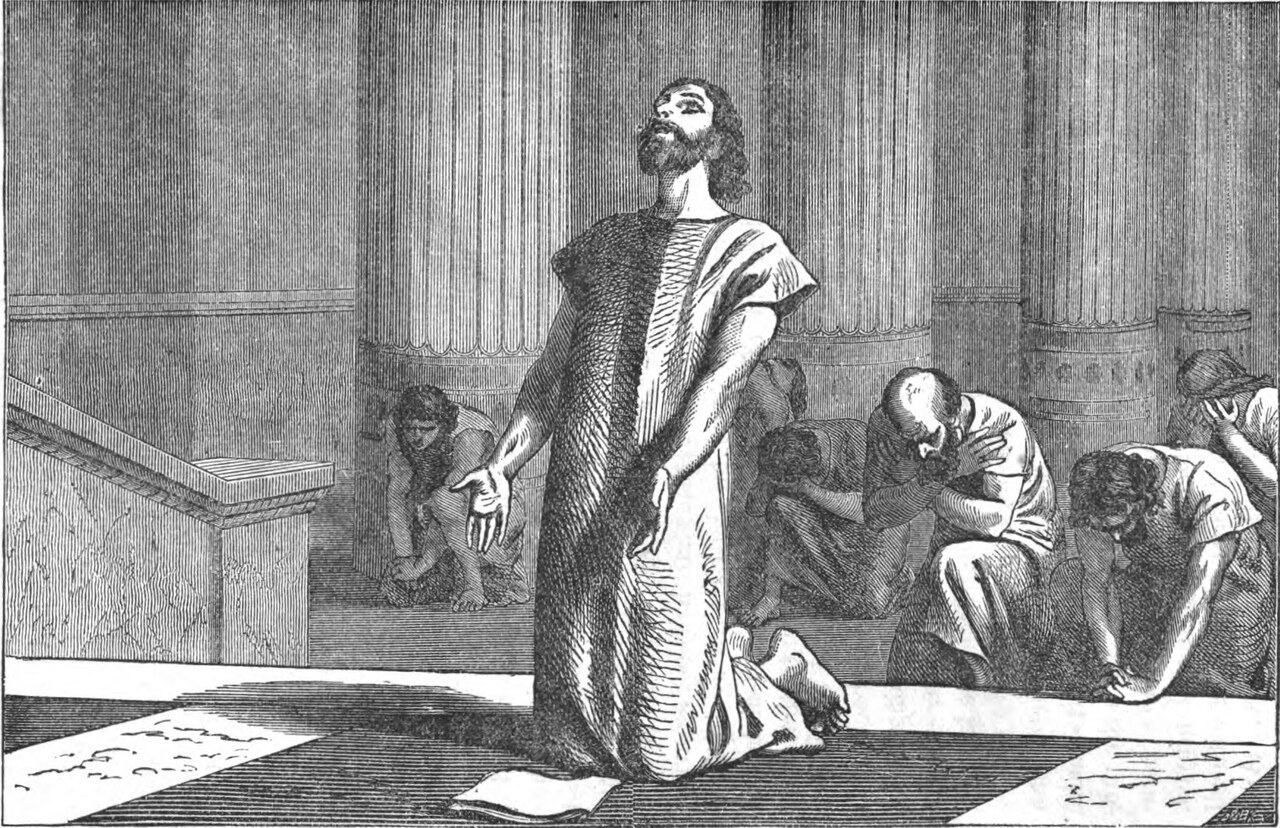
- Spread the threat before the LORD (Isaiah 37:14) — training in taking it to prayer. When Ahaz’s son Hezekiah (2 Kings 16:20) received a threatening letter from the same Assyria, instead of sending messengers he “went up to Yahweh’s house, and spread it before Yahweh.” (Isaiah 37:14, WEB) and prayed. God answered, “For I will defend this city to save it, for my own sake, and for my servant David’s sake.” (Isaiah 37:35, WEB). Before the same empire, the father sent silver and gold, and the son sent up prayer.
Steps for Practice
- Step 1 — Name your Assyria: Write down specifically the worldly guarantor you are clinging to because of fear right now: a person, money, connections, or calculation.
- Step 2 — Meditate on Immanuel: For one week, read Isaiah 7:14 and Matthew 1:23 out loud every day, and directly apply the truth that God is with me to the fear you are facing that day.
- Step 3 — A 24-hour pause: When the next crisis report arrives, delay any major decision for 24 hours and practice standing first before God in prayer and his Word. Like Hezekiah, spread out the document or news that worries you and pray specifically.
- Step 4 — Record the fulfilled Word: Find scenes in Scripture where God’s word came to pass as promised (like Isaiah 7:16 and 2 Kings 16:9) and write them down, along with the ways God has been faithful in your own life.
- Step 5 — Examine it together: With a one-on-one discipleship partner or a small group, share whether the confession of your lips and your actual trust matched, and pray for one another.

Questions for Application
- What issue is making my heart tremble “as the trees of the forest tremble with the wind” (Isaiah 7:2, WEB) right now?
- Am I seeking the grounds for confidence God has given me, his Word and fulfilled promise, or am I following my own calculations while covering them with pious language?
- Like the silver and gold of Ahaz, is there anything I am offering somewhere other than God because of fear? Is it reshaping even the form of my worship?
- How does Immanuel, God with us, change one decision I must make today?
References
- Korean Revised Version (KRV), Isaiah 7 — bible.com
- Korean Revised Version (KRV), Isaiah 8 — bible.com
- Korean Revised Version (KRV), 2 Kings 16 — bible.com
- Korean Revised Version (KRV), 2 Chronicles 28 — bible.com
- Korean Revised Version (KRV), Matthew 1 — bible.com
- BibleHub Interlinear — Isaiah 7:9 (both verbs are Strong’s 539, aman)
- BibleHub Hebrew 543 — amen (אָמֵן), from aman (539)
- Encyclopaedia Judaica — Pekah (encyclopedia.com)