
The words “For I know the thoughts that I think toward you … thoughts of peace” (Jeremiah 29:11, WEB) are among the most beloved in Scripture, and they are often printed on frames and cards. But when we understand to whom these words were given, and in what situation, their weight changes completely. This was not a pleasant blessing for prosperous days, but part of a letter sent to exiles after their king, their leaders, and even their craftsmen had been carried off to Babylon. When we memorize it in context, this promise becomes not cheap comfort but unshakable hope.

Today’s Memory Passage — Jeremiah 29:11-14 (WEB)
The English Scripture quotations in this article are from the World English Bible (public domain).
11 For I know the thoughts that I think toward you, says Yahweh, thoughts of peace, and not of evil, to give you hope and a future.
12 You shall call on me, and you shall go and pray to me, and I will listen to you.
13 You shall seek me and find me, when you search for me with all your heart.
14 I will be found by you, says Yahweh, and I will turn again your captivity, and I will gather you from all the nations, and from all the places where I have driven you, says Yahweh. I will bring you again to the place from where I caused you to be carried away captive.
(Jeremiah 29:11-14, WEB)
A Letter to the Exiles — Four Meditation Points
1. To the exiles in Babylon — the place where the promise was given
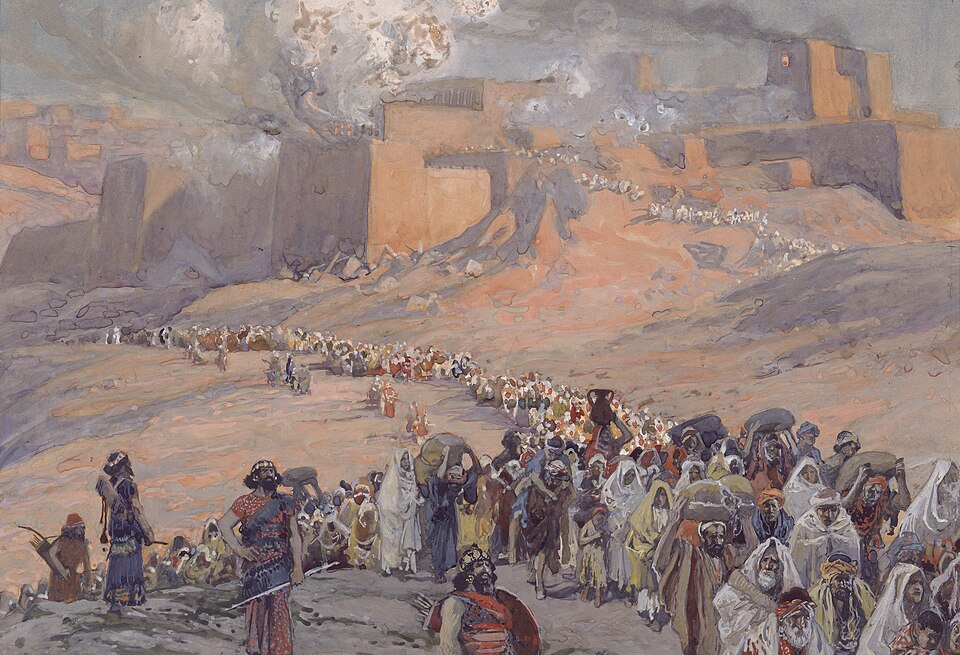
This passage is part of a letter Jeremiah sent from Jerusalem to the exiles in Babylon. Scripture even tells us when it was written: “after Jeconiah the king, the queen mother, the eunuchs, the princes of Judah and Jerusalem, the craftsmen, and the smiths had departed from Jerusalem” (Jeremiah 29:2, WEB). Jerusalem had not yet fallen; the letter was entrusted to envoys whom King Zedekiah sent to Babylon (Jeremiah 29:3). And the letter opens this way: “Yahweh of Armies, the God of Israel, says to all the captives whom I have caused to be carried away captive from Jerusalem to Babylon:” (Jeremiah 29:4, WEB). What deserves our attention is the phrase “whom I have caused to be carried away captive” (Jeremiah 29:4, WEB). Exile was not an accident outside God’s hand, but a season God knew and ruled over. Even in the Babylon of life, the place I did not choose and cannot escape, God’s plan does not stop.

2. After seventy years are accomplished — not a quick escape, but faithful fulfillment
Surprisingly, the heart of the letter was not news of a quick return. Instead, God says, “Build houses and dwell in them. Plant gardens and eat their fruit.” (Jeremiah 29:5, WEB), and even, “Seek the peace of the city where I have caused you to be carried away captive, and pray to Yahweh for it” (Jeremiah 29:7, WEB). Then he reveals the timetable: “After seventy years are accomplished for Babylon, I will visit you and perform my good word toward you, in causing you to return to this place.” (Jeremiah 29:10, WEB). The peace and hope of Jeremiah 29:11 rest on this seventy-year wait. God’s goodness appears not as an answer on my timetable, but as faithfulness on his.
3. Thoughts of peace, and not of evil — the thoughts of God
To the exiles, visible reality looked like disaster itself. Yet God says, “For I know the thoughts that I think toward you” (Jeremiah 29:11, WEB). Circumstances do not reveal God’s heart; God’s word reveals his heart. The New Testament bears witness to the same truth: “We know that all things work together for good for those who love God, for those who are called according to his purpose.” (Romans 8:28, WEB). For those who love God, even seasons that look like disaster work together within his good purpose toward peace and hope.
4. When you search for me with all your heart — the promise that opens the way to prayer
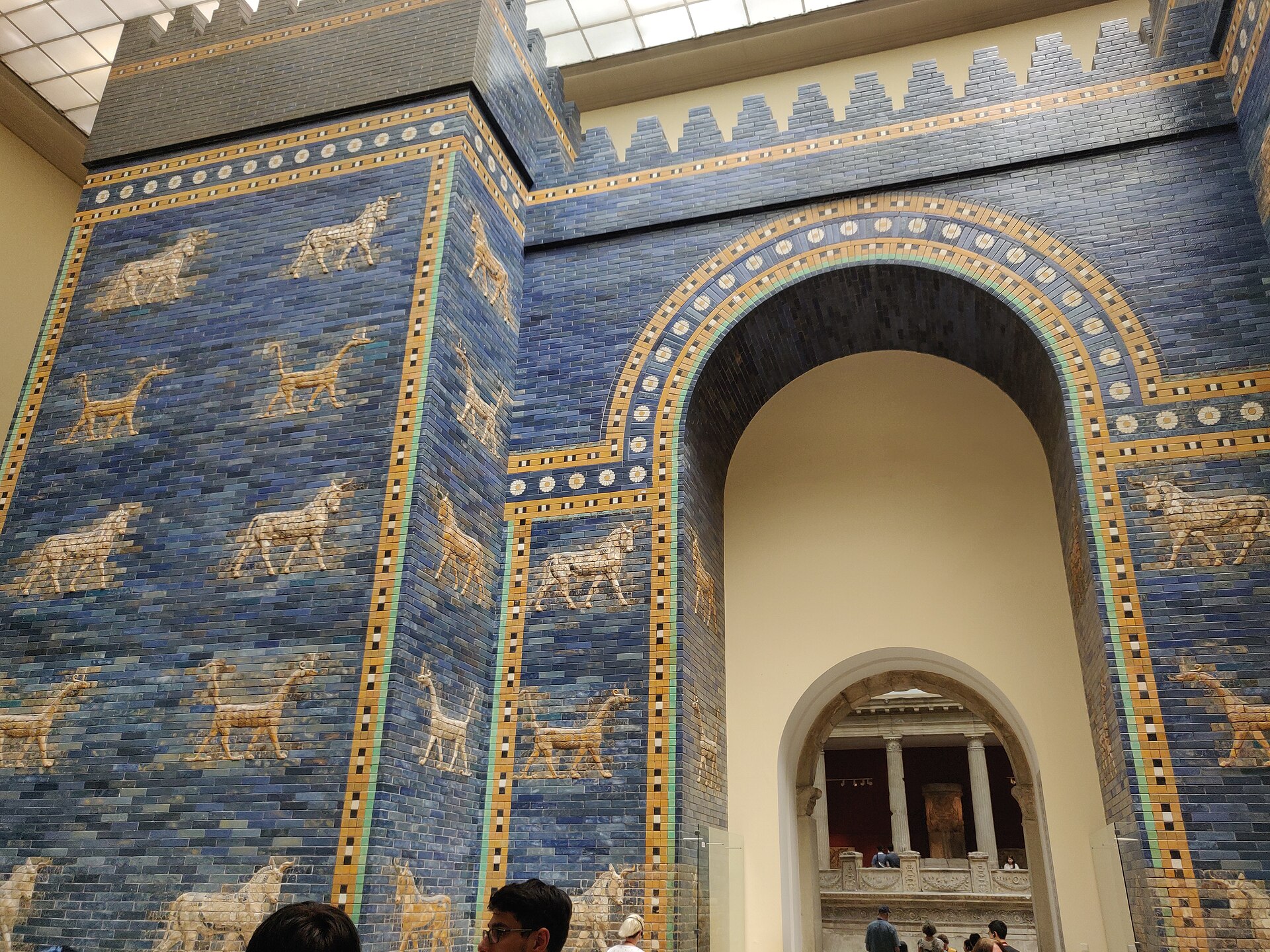
This promise does not make people passive; it moves them to pray. Jeremiah 29:12-13 invites us to cry out and to seek. This is also the path Moses had already foretold: “But from there you shall seek Yahweh your God, and you will find him when you search after him with all your heart and with all your soul.” (Deuteronomy 4:29, WEB). Even in the land of exile, God lets himself be found by those who seek him.
Scripture also shows how someone who held on to this promise actually responded. Near the end of the exile, Daniel read Jeremiah’s prophecy: “I, Daniel, understood by the books the number of the years about which Yahweh’s word came to Jeremiah the prophet for the accomplishing of the desolations of Jerusalem, even seventy years.” (Daniel 9:2, WEB). And he did not merely wait: “I set my face to the Lord God, to seek by prayer and petitions, with fasting and sackcloth and ashes.” (Daniel 9:3, WEB). Those who understand the promise fall to their knees. The promise of restoration (Jeremiah 29:14) moves toward fulfillment together with wholehearted prayer.
The Background of the Passage — False Prophets and True Hope
At that time, both in Jerusalem and in Babylon, there were prophets crying out that the exile would soon end. Hananiah prophesied that the temple vessels and the exiles would come back “Within two full years” (Jeremiah 28:3-4, WEB), and among the exiles in Babylon, too, prophets whom God had not sent prophesied falsely in his name (Jeremiah 29:8-9). But God’s word said seventy years. Jeremiah’s letter separates sweet, false hope from solid, true hope. True hope does not deny reality. It means building houses, planting, and praying in Babylon, while still being certain of restoration after seventy years. That is the realism of faith.
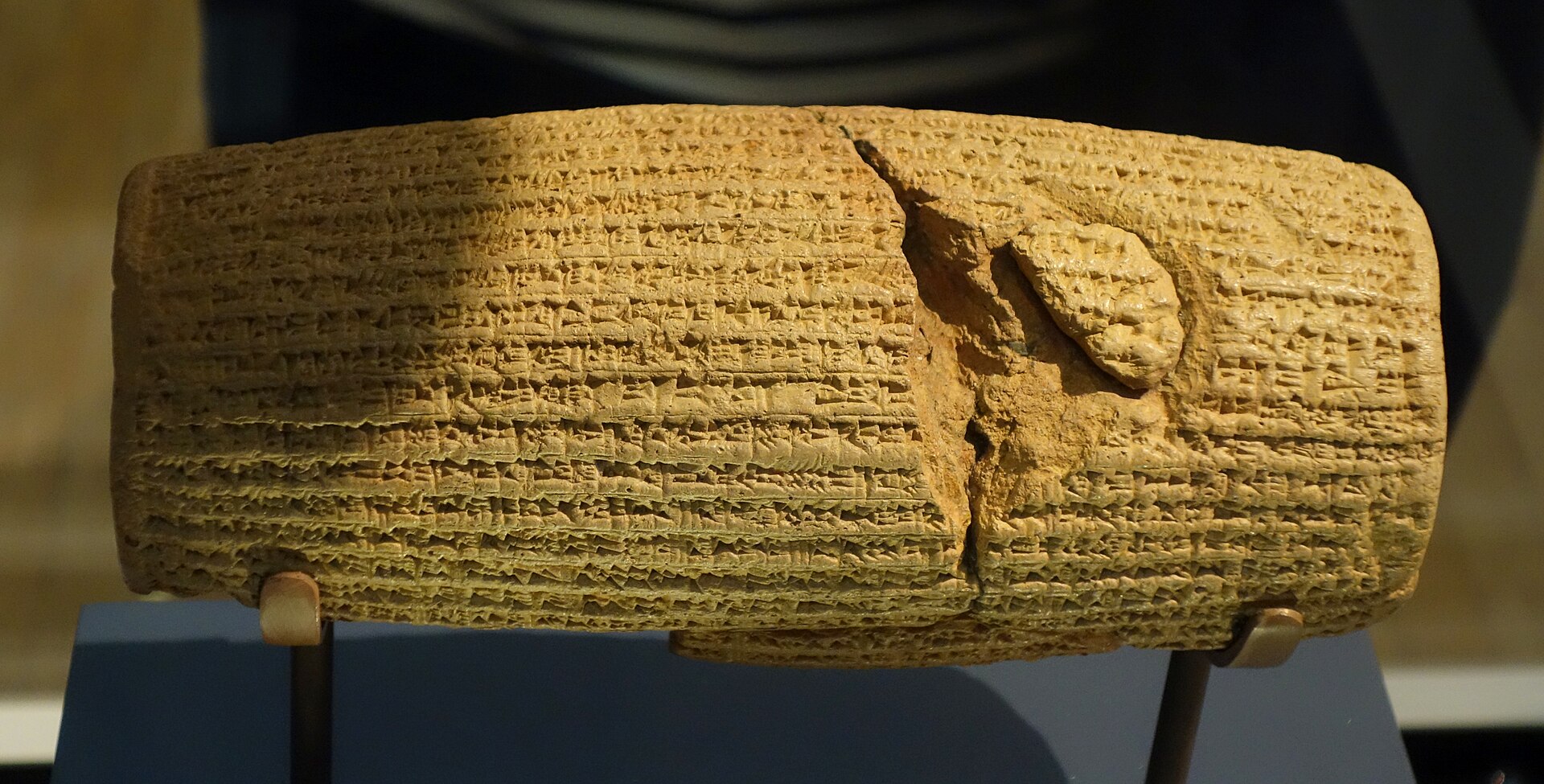
This promise was in fact fulfilled. “Now in the first year of Cyrus king of Persia, that Yahweh’s word by Jeremiah’s mouth might be accomplished, Yahweh stirred up the spirit of Cyrus king of Persia” (Ezra 1:1, WEB), and Cyrus issued a decree that the people of Judah should go up to Jerusalem and build the temple (Ezra 1:2-3; 2 Chronicles 36:21-22). Not one word of God fell to the ground.
Why memorize this passage — and how not to misuse it
First, because it is a word to hold onto while passing through a long and dark tunnel. Job loss, illness, prayers unanswered for a long time: in the Babylon of life, this verse reminds us that God’s thoughts are still peace and hope.
Second, we should memorize it with its context precisely to guard against misuse. This verse is not a blank check promising that whatever we want will happen at once. The seventy-year wait, faithful living in that land, and wholehearted prayer are all part of this promise. Also, the you in Jeremiah 29:11 is not one individual but the whole people of God carried into exile. So this promise should be read not as a guarantee that my plans will succeed, but as God’s promise that he will never abandon his people. If we memorize not only Jeremiah 29:11 but all of Jeremiah 29:11-14 together, we remember that promise, prayer, and restoration belong in a single breath.
Third, because it is a word we can share with neighbors who need comfort. But when we share it, we should also tell the story of the exiles. Then this word is received not as a light pleasantry but as weighty hope.
How to memorize it — Thoughts · Prayer · Finding · Restoration
- Jeremiah 29:11 — Thoughts: Take the contrast of peace rather than evil as the axis, and finish with God’s thoughts to give hope and a future.
- Jeremiah 29:12 — Prayer: Memorize it as a chain of four actions: calling, going, praying, and being heard.
- Jeremiah 29:13 — Finding: It is the shortest verse, so take “You shall seek me and find me, when you search for me with all your heart.” (Jeremiah 29:13, WEB) whole.
- Jeremiah 29:14 — Restoration: If you keep the two promises as its frame, that God will be found and that he will bring his people back, even this long verse will hold together.
Meditation Questions for Application
- Where in my life is the place I might call Babylon right now? Do I believe that even there God knows and rules over it?
- Am I judging God’s goodness by my own timetable? Am I learning the waiting of “After seventy years are accomplished” (Jeremiah 29:10, WEB)?
- Even in the land of exile, God told his people to build houses, plant gardens, and pray for the peace of that city (Jeremiah 29:5-7). What is the work of faithfulness for me in this place right now?
- Like Daniel, am I reading the promise and answering it with prayer? Am I seeking God with all my heart, or am I only half-heartedly hoping my circumstances will change?
Watch the Video
References
- Bible.com — Jeremiah 29 (Korean Revised Version, KRV) (in Korean)
- BibleHub — Jeremiah 29 (World English Bible)
- BibleHub — Jeremiah 29:11 (about 30 parallel translations)
- BibleHub Interlinear — Jeremiah 29:11 (Hebrew original)
- BibleHub Commentaries — Jeremiah 29:11
- BibleHub Commentaries — Jeremiah 29:10 (seventy years)
- GotQuestions — What is the meaning of Jeremiah 29:11?
- GotQuestions Korean — Overview of Jeremiah (in Korean)