
John 3:16 is loved so widely that it is often said to hold the whole gospel in a single verse. Yet many people stop memorizing at that one verse. When we memorize John 3:17 and John 3:18 as well, the full measure of the love this passage speaks of and the weight of faith come fully into view. That is because one paragraph includes both the purpose for which God sent his Son (John 3:17) and the two paths that diverge before that Son (John 3:18).
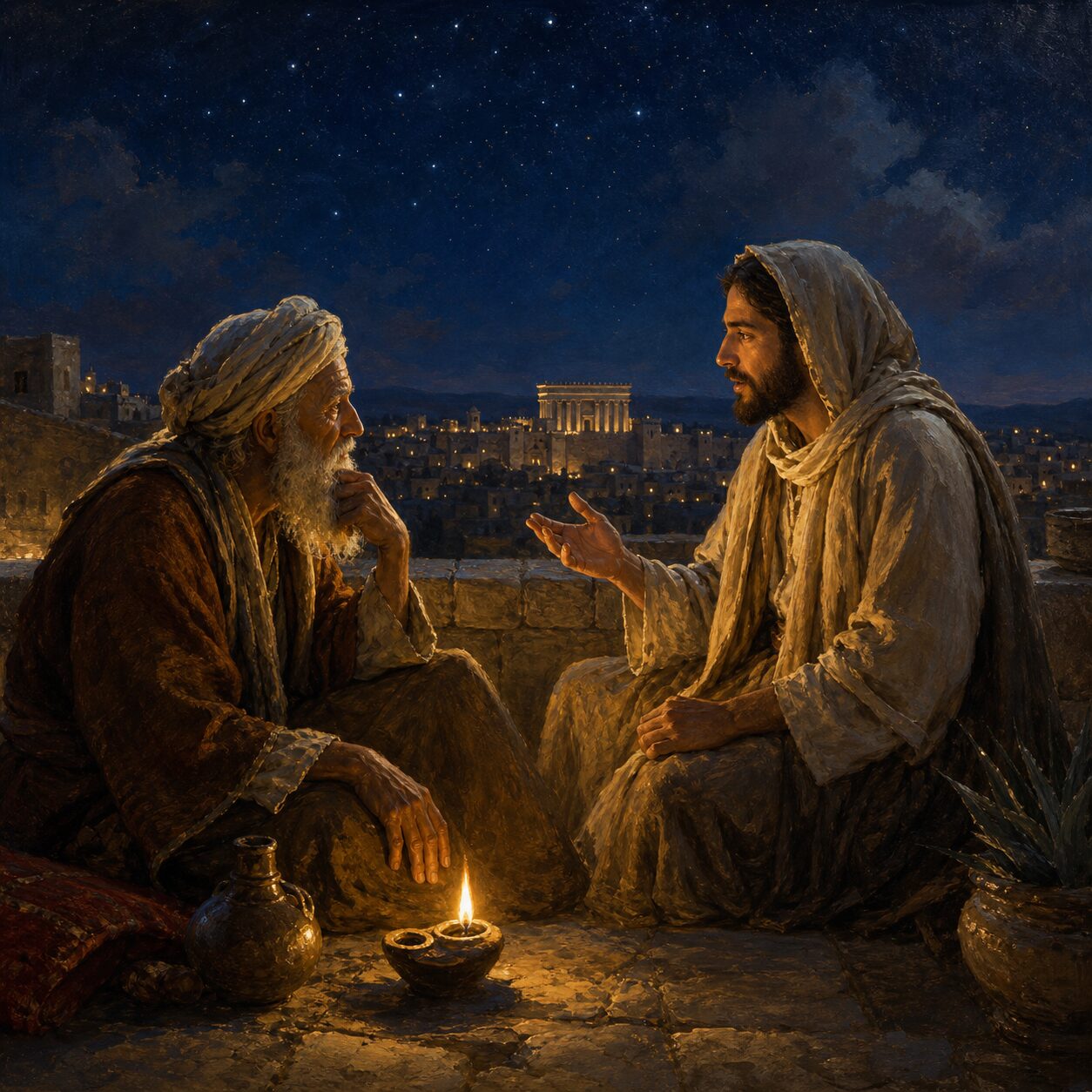
Today’s Memory Passage — John 3:16-18 (WEB)
The English Scripture quotations in this article are from the World English Bible (public domain).
16 For God so loved the world, that he gave his one and only Son, that whoever believes in him should not perish, but have eternal life.
17 For God didn’t send his Son into the world to judge the world, but that the world should be saved through him.
18 He who believes in him is not judged. He who doesn’t believe has been judged already, because he has not believed in the name of the one and only Son of God.
(John 3:16-18, WEB)
The Full Picture of the Gospel These Three Verses Paint — Four Meditation Points
1. The Love That Gave the One and Only Son — The Greatness of Love
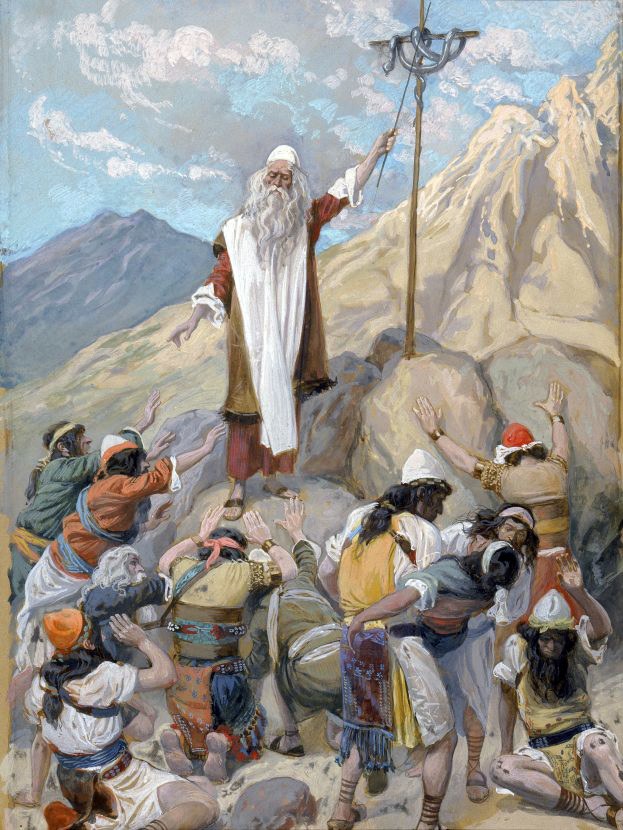
God’s love was proved not by a mere expression of feeling, but by giving. In the words “For God so loved the world” (John 3:16, WEB), the small word so points to both the manner and the magnitude of that love. Just before this, Jesus had already shown that manner. He said that as Moses lifted up the serpent in the wilderness, so the Son of Man must be lifted up (John 3:14-15). Numbers records the event this way: “Moses made a serpent of brass, and set it on the standard: and it happened, that if a serpent had bitten any man, when he looked to the serpent of brass, he lived.” (Numbers 21:9, WEB). Just as dying people lived when they looked at the lifted serpent, so everyone who looks in faith to the one and only Son lifted up on the cross lives.
The words one and only Son also show the size of this love. At its very beginning, John’s Gospel already testifies that his glory was “such glory as of the one and only Son of the Father” (John 1:14, WEB). That God gave this Son, who has no equal, is the content of this love. The First Letter of John repeats the same confession: “By this God’s love was revealed in us, that God has sent his one and only Son into the world that we might live through him.” (1 John 4:9, WEB). To meditate on this confession further, read 1 John 4:7-12 | Because God Is Love as well.
2. Not Judgment but Salvation — The Purpose of His Sending
John 3:17 clears away a common misunderstanding. The Son’s first purpose in coming into the world was not condemnation but salvation. Jesus says the same thing again later: “For I came not to judge the world, but to save the world.” (John 12:47, WEB). For someone who has known God only as a fearful watcher, these words show God’s heart afresh. The heart that sent the Son is a heart determined to save.

3. Whoever Believes — A Door Open to Anyone
The words “whoever believes in him” (John 3:16, WEB), which continue in John 3:18, do not speak of qualification or merit. Ethnicity, past history, and social standing are not the condition. The key is the word whoever: there are no exceptions. Jesus confirms this promise in these words: “Most certainly I tell you, he who hears my word, and believes him who sent me, has eternal life, and doesn’t come into judgment, but has passed out of death into life.” (John 5:24, WEB). Faith is a moving day from death into life, and that door still stands open now.
4. Judgment Already Received — The Crossroad That Cannot Be Delayed
John 3:18 is the heaviest sentence in this passage: “He who doesn’t believe has been judged already, because he has not believed in the name of the one and only Son of God.” (John 3:18, WEB). Judgment is not only a matter for some distant future. The state of not believing in the one and only Son is itself already to be under judgment. It matters that this warning is placed in the very middle of a passage about love. Because God’s love is great, the weight of rejecting that love is also great. We need to memorize this verse too so that we do not forget that gospel witness is not merely a good story, but an invitation with life and death hanging on it.
The very next verse explains why remaining in unbelief is already judgment: “This is the judgment, that the light has come into the world, and men loved the darkness rather than the light; for their works were evil.” (John 3:19, WEB). The light has already come into the world; to turn from that light and love the darkness more is what this judgment consists of. The last verse of the same chapter makes the crossroad plain once more: “One who believes in the Son has eternal life, but one who disobeys the Son won’t see life, but the wrath of God remains on him.” (John 3:36, WEB).
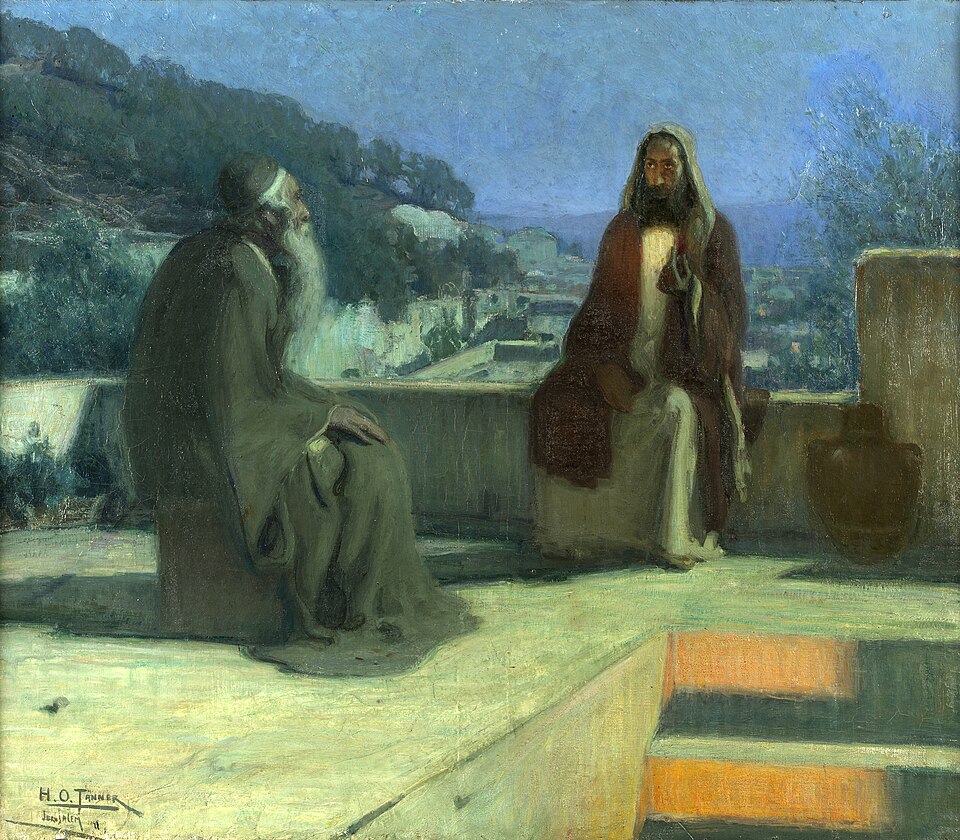
The Setting of the Passage — A Night Conversation with Nicodemus
These three verses stand at the climax of the conversation in which Nicodemus, a ruler of the Jews, came to Jesus by night (John 3:1-21). Nicodemus was a teacher of Israel, yet before the truth of the new birth he could only ask, “How can these things be?” (John 3:9, WEB). After reminding him of the bronze serpent in the wilderness, Jesus spoke in order about God’s love, the purpose of his sending, and the dividing line of faith. What a man rich in religious knowledge needed was not more information, but faith that looks to the Son who was lifted up.
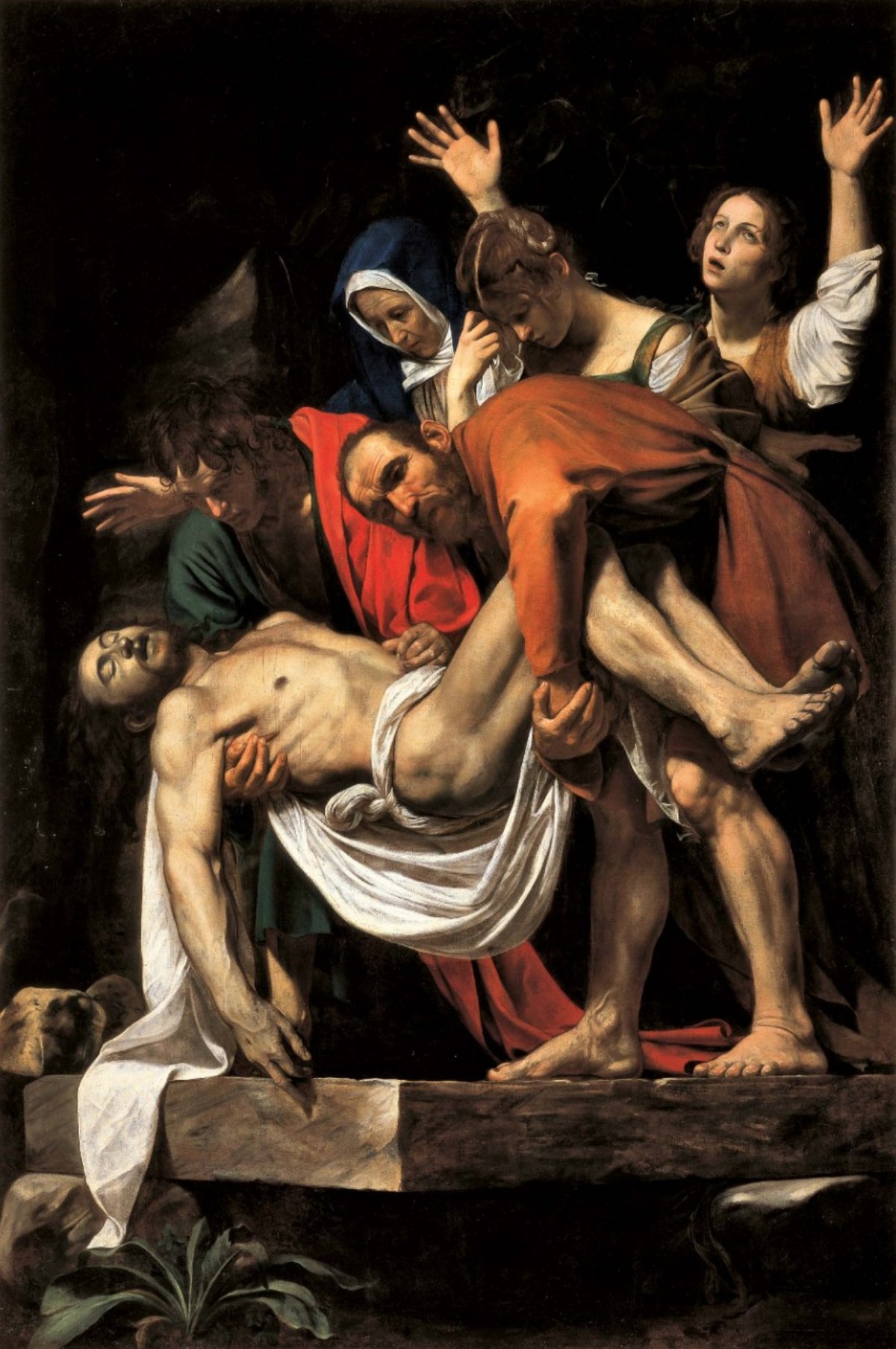
The story of the man who came by night does not end in chapter 3. John’s Gospel shows him twice more. When the chief priests and Pharisees scolded the officers who had not arrested Jesus (John 7:45-49), Nicodemus said, “Does our law judge a man, unless it first hears from him personally and knows what he does?” (John 7:51, WEB). And after the cross, as Scripture records, “Nicodemus, who at first came to Jesus by night, also came bringing a mixture of myrrh and aloes, about a hundred Roman pounds.” (John 19:39, WEB). With Joseph of Arimathea, he wrapped the body of Jesus in linen cloths (John 19:38-40). Scripture does not describe his inner thoughts in detail, but it shows that the questions he brought by night led to steps toward the Son who was lifted up.
Why Should We Memorize These Three Verses Together?
First, if we memorize only John 3:16, the gospel becomes half a gospel. Love (John 3:16), purpose (John 3:17), and decision (John 3:18) must stand together for a full presentation of the gospel. In evangelism, these three verses are in themselves a complete gospel explanation. To meditate more deeply on John 3:16 alone, see also John 3:16, the Whole Gospel in One Verse — How to Meditate and Memorize It.
Second, these are words to hold onto on days when the assurance of faith wavers. “He who believes in him is not judged” (John 3:18, WEB) is not a feeling but a declaration. A declaration stored in memory is stronger than unstable emotions.
Third, these words correct us whenever we misunderstand God’s heart. John 3:17, which says that salvation rather than condemnation is his purpose, gives us courage to come to God even on days of failure.
How to Memorize It — Love · Purpose · Crossroad
- John 3:16 — Love: Hold onto the opening, “For God so loved the world” (John 3:16, WEB), and finish with the three-part ending, “whoever believes in him / should not perish / but have eternal life” (John 3:16, WEB).
- John 3:17 — Purpose: Memorize the parallel rhythm: “didn’t send his Son into the world to judge the world / but that the world should be saved through him” (John 3:17, WEB).
- John 3:18 — Crossroad: Remember the contrasting structure: “He who believes in him is not judged / He who doesn’t believe has been judged already” (John 3:18, WEB).
If you first memorize the key words of the three verses, love, purpose, and crossroad, and then hang each verse on those key words, the order will not get mixed up.
Meditation Questions for Application
- Do I know God’s love through the self-giving of the cross, or only as a vague kindness?
- Have I ever avoided God because I misunderstood him as a condemner? How does the heart of God shown in John 3:17 reshape my understanding of him?
- In light of the words “has been judged already” (John 3:18, WEB), who is the person to whom I need to share the gospel?
- If I were to choose one person to whom I will explain the gospel this week through these three verses, who would it be?
Scripture Reading Videos (in Korean)
References
- bible.com — Korean Revised Version (KRV), John 3
- BibleHub — World English Bible (WEB), John 3
- BibleHub Commentaries — John 3:16
- BibleHub Commentaries — John 3:17
- BibleHub Commentaries — John 3:18
- BibleHub Interlinear — John 3:16
- GotQuestions (Korean) — What does it mean that Jesus is God’s only begotten Son?
- GotQuestions — What does it mean that Jesus is God’s only begotten son?