
It was the night before the cross. Jesus sat with his disciples at the last supper, and with a towel wrapped around his waist he washed their feet. Just after Judas Iscariot, the one who would betray him, took the morsel and went out into the darkness, Jesus left the remaining eleven a word that read like a last testament. It was not a command to perform greater miracles, nor an exhortation to accumulate more knowledge.
The English Scripture quotations here are from the King James Version (KJV) and the World English Bible (WEB), both public domain.
A new commandment I give unto you, That ye love one another; as I have loved you, that ye also love one another. By this shall all men know that ye are my disciples, if ye have love one to another. (John 13:34–35, KJV)
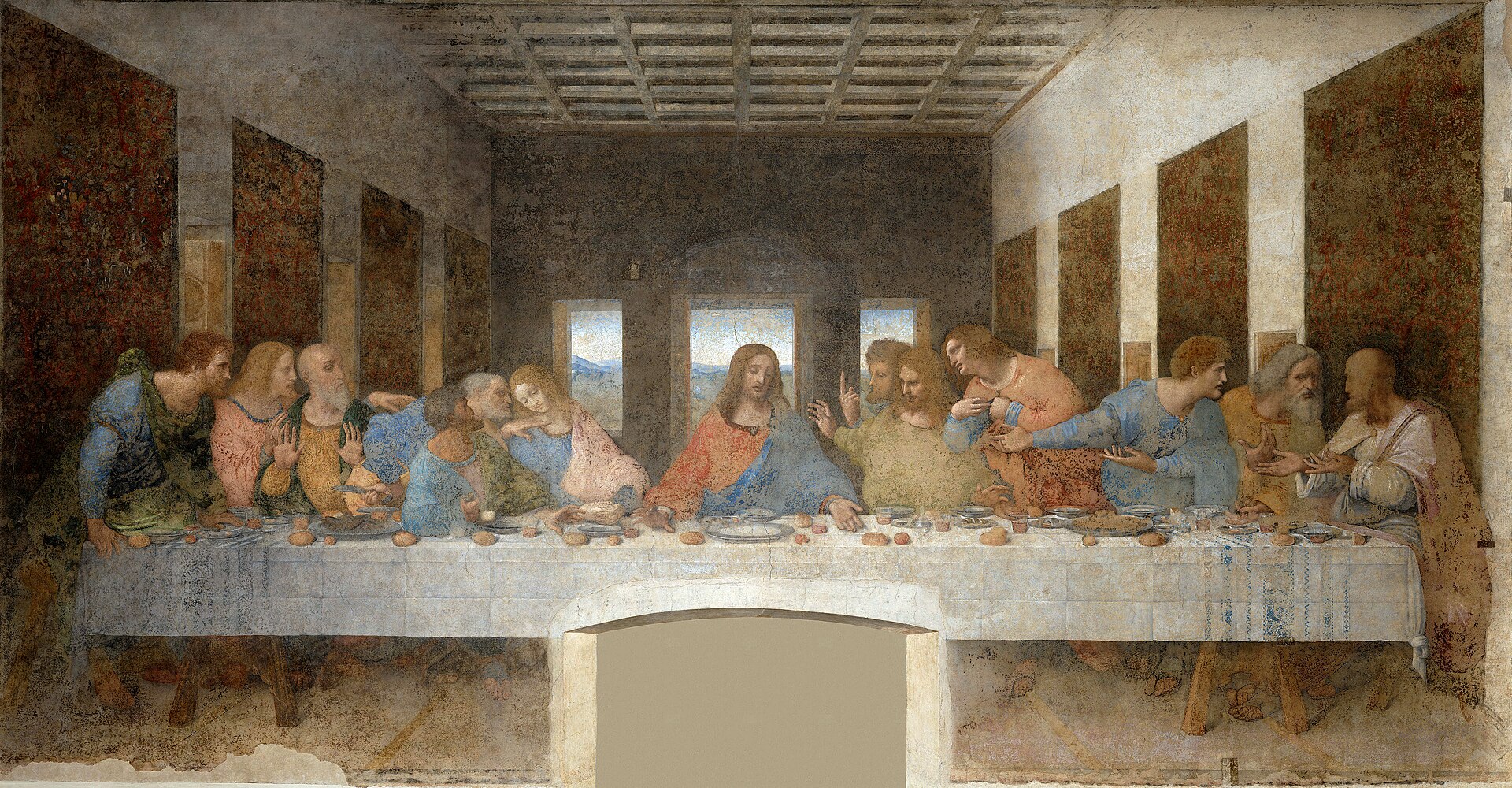
If you ask what the goal of discipleship is, Jesus answers in this single sentence. The decisive mark that makes a disciple a disciple is not talent, not office, not the sheer amount of biblical knowledge, but love for one another. And this love is not a feeling that rises on its own; it is the heart of discipleship — something to be learned and trained after the pattern of Christ.
The ‘New Commandment’ Given on the Night Judas Left
John 13 through 17 is the farewell discourse Jesus gave his disciples as the cross drew near. John opens it this way: Jesus, “having loved his own who were in the world, he loved them to the end” (John 13:1, WEB). The command to “love one another” flows from the heart of the Jesus who loved his disciples to the end.
Yet Jesus calls this a ‘new commandment.’ In fact, the command to love one’s neighbor was not itself new. The law already said, “you shall love your neighbor as yourself. I am Yahweh” (Leviticus 19:18, WEB). So what is new? The measure of love has changed. The old commandment said “as yourself,” but the new commandment says “as I have loved you.” Now the standard of love is not myself, but the self-giving love of Christ, who washed his disciples’ feet and would soon lay down his life on the cross.
Jesus repeated the same word elsewhere to make that measure plain: “This is my commandment, that you love one another, even as I have loved you” (John 15:12, WEB). “Greater love has no one than this, that someone lay down his life for his friends” (John 15:13, WEB). The ‘newness’ of the new commandment points straight to the love of the cross.
Why Love Is the ‘Mark’ by Which a Disciple Is Known
“By this everyone will know that you are my disciples, if you have love for one another” (John 13:35, WEB). Jesus made love the mark by which the world recognizes his followers. Not eloquence, not miracles, not an impressive organization, but the love with which we treat one another is the evidence of discipleship.
The apostle John held this truth all his life. “We know that we have passed out of death into life, because we love the brothers. He who doesn’t love his brother remains in death” (1 John 3:14, WEB). Love is living proof that we have already been carried over into life. And the source of that love is not ourselves but God: “love is of God; and everyone who loves has been born of God, and knows God” (1 John 4:7, WEB), for “God is love” (1 John 4:8, WEB). Our love, therefore, is always a response: “We love him, because he first loved us” (1 John 4:19, WEB).
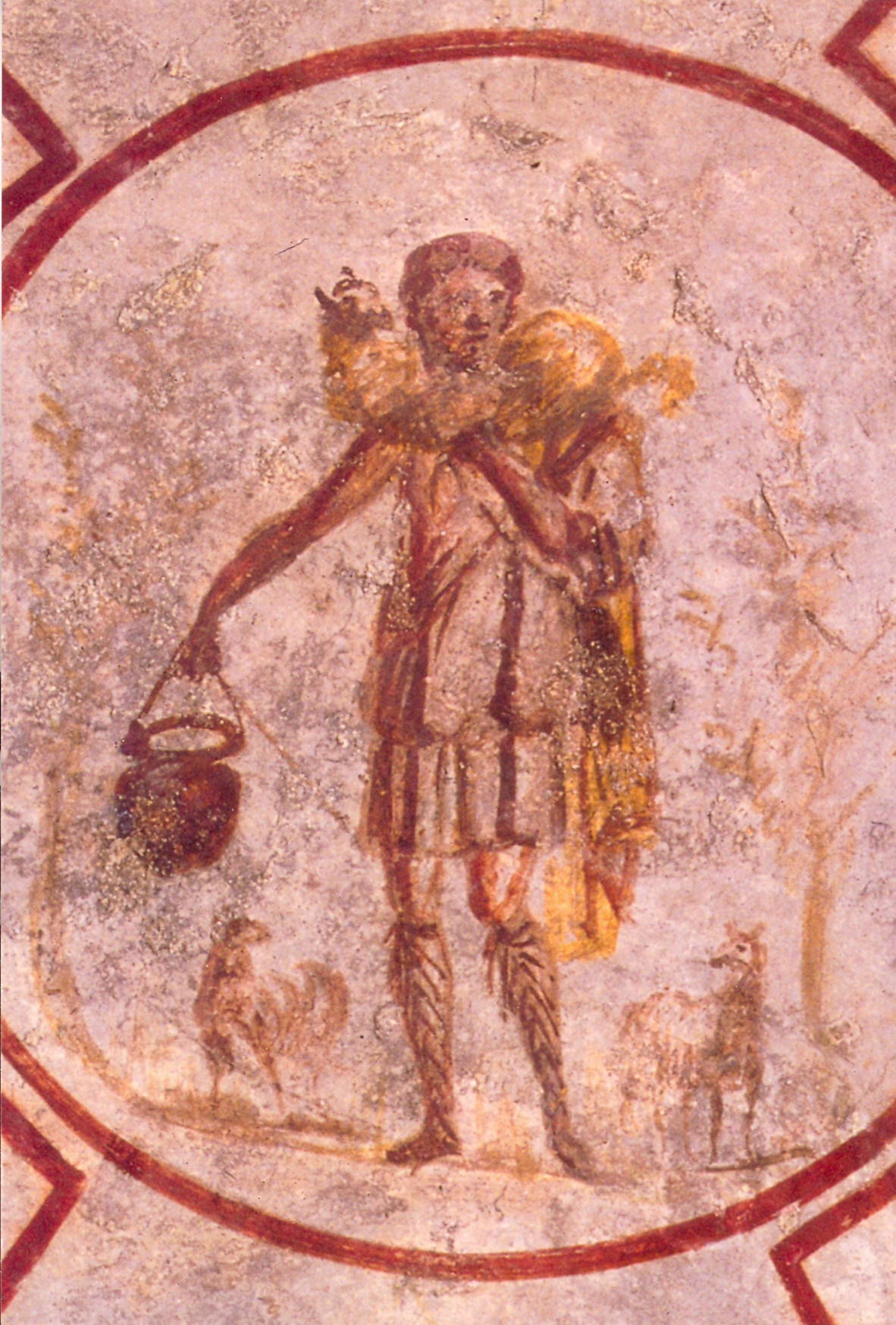
This mark was actually confirmed in history. Near the end of the second century the church father Tertullian recorded, in chapter 39 of his Apology, that the pagans who watched the Christians exclaimed, “See how they love one another.” The early church became known to the world not through doctrinal disputes or power, but through a love that bore one another’s burdens and was even ready to die for one another. Jesus’ word was fulfilled just as he said.

Love Is Not a Feeling but a Training
Here we must clear away a misunderstanding. The command to love one another does not mean maintaining a warm mood. John says it bluntly: “My little children, let’s not love in word only, or with the tongue only, but in deed and truth” (1 John 3:18, WEB). Love is a choice and an action before it is a feeling, and that is exactly why it can be learned and trained. Its authenticity shows not in abstraction but in relationship: “If a man says, ‘I love God,’ and hates his brother, he is a liar” (1 John 4:20, WEB).
This is precisely where discipleship comes in. The way Jesus formed his twelve was not a classroom curriculum but a sharing of life with life — three years of eating, sleeping, and living shoulder to shoulder. Healthy discipleship today follows the same principle. The ‘Life-to-Life’ discipleship emphasized by mentoring ministries such as The Navigators is not about completing a program, but a relational investment in which one person walks alongside another — praying together, sharing the Word, opening up their life. Tellingly, this ministry’s Basics of Discipleship material cites this very verse, John 13:35, as the mark of a disciple.
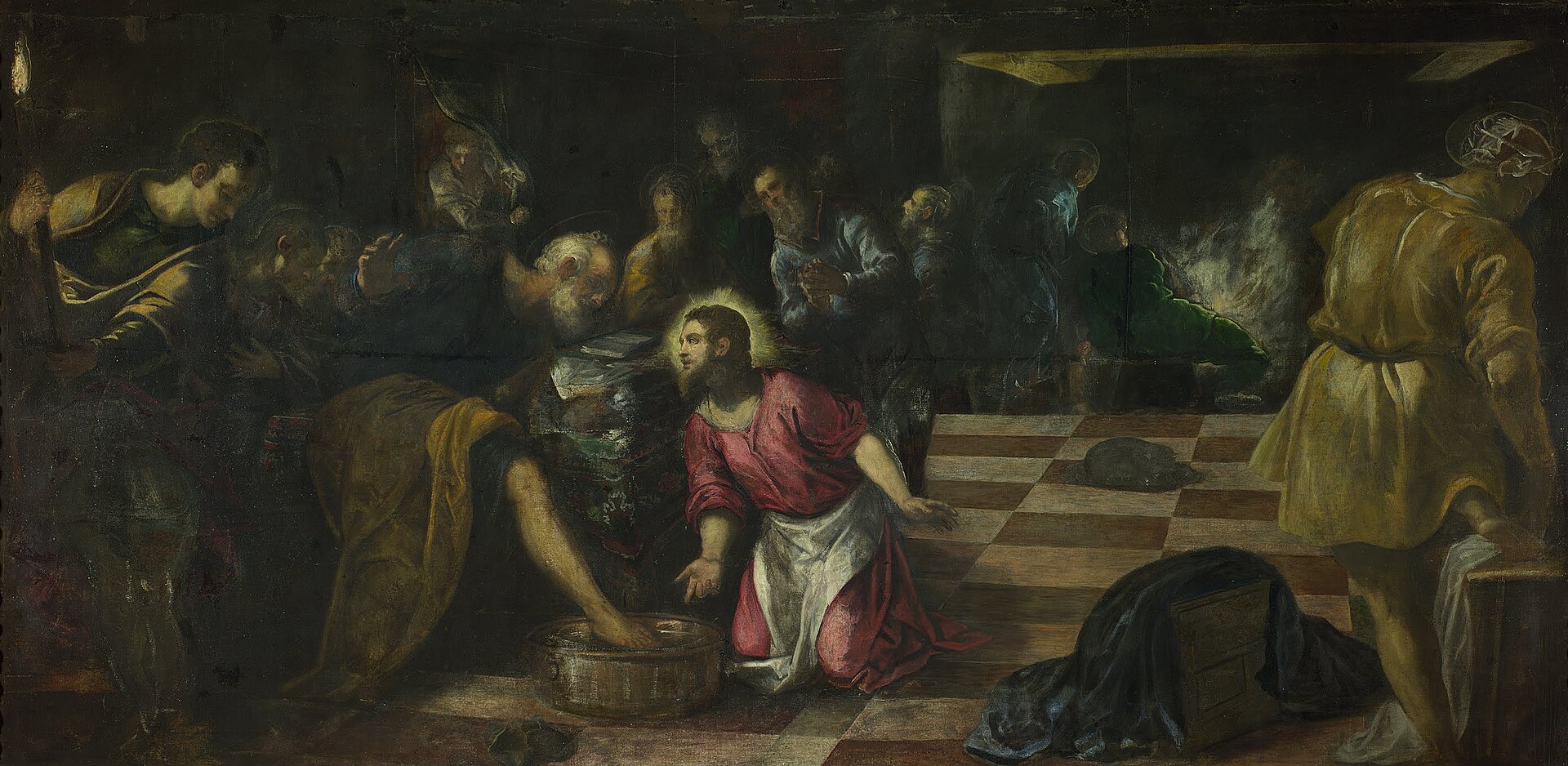
The concrete vessels for training love are one-on-one mentoring and small-group community. One-on-one relationships offer depth, transparency, and a place of accountability (care), while small groups offer a place to learn belonging and unity amid the give-and-take of many members. Love is practiced and grows within the structure of these relationships. And the pattern of that love is always Jesus. Just as, after washing their feet, he said, “For I have given you an example, that you also should do as I have done to you” (John 13:15, WEB), so we too learn humility as we “through love be servants to one another” (Galatians 5:13, WEB).
Love trained in this way is not a scattered list of commandments but the fulfillment of the whole law. “he who loves his neighbor has fulfilled the law … Love therefore is the fulfillment of the law” (Romans 13:8, 10, WEB). Jesus himself said that the two commandments — love for God and love for neighbor — are those on which “The whole law and the prophets depend” (Matthew 22:40, WEB).
Practicing Love Today
So what should we practice today? Here are a few concrete steps.
- Take the first step and forgive. The first training of love is not waiting for feelings to soften, but reaching out first — just as Christ loved us first (1 John 4:19).
- Serve the small needs. Washing feet was not a grand ministry but bending down to the person right in front of you. Quietly helping to carry a brother’s burden is where training begins.
- Love by action, not by words. “in deed and truth” (1 John 3:18) — a single act filled with love does more to grow a disciple than saying “I love you.”
- Practice steadily within community. The command to “love one another from the heart fervently” (1 Peter 1:22) ripens not in isolation but in the soil of relationships — the small group and the church.
The direction this training moves toward is, in the end, self-giving love. “By this we know love, because he laid down his life for us. And we ought to lay down our lives for the brothers” (1 John 3:16, WEB). Discipleship is a lifelong process of slowly coming to resemble this love of the cross.

A Community That Loves One Another — The Evidence of the Great Commission
A community of disciples who love one another is itself a powerful witness to the world. Jesus made this clear in the prayer he offered as the cross drew near: “that they may all be one … that the world may believe that you sent me” (John 17:21, WEB), “that they may be perfected into one; that the world may know that you sent me, and loved them, even as you loved me” (John 17:23, WEB). The disciples’ love and oneness is the very channel through which the world comes “to believe” and “to know.”
In other words, loving one another is not an accessory to evangelism but its very substance. The invisible love of God is made visible to the world by a community of disciples who love one another. The Great Commission that tgc.kr holds fast — “Go and make disciples of all nations” (Matthew 28:19, WEB) — is fulfilled, in the end, through a community that loves. The road by which the nations come to know Christ passes through us ourselves, as we learn and train in the love of Christ and love one another.

The new commandment Jesus left still lies before us. Love one another. As I have loved you. The one who trains in this love, one step at a time, today, is the disciple of Jesus whom the world can recognize.
References
- John 13:30–35, Korean Revised Version (KRV) — YouVersion Bible
- BibleHub — John 13:34 commentaries (the ‘new commandment’ and the measure of love)
- BibleHub — John 13:35 commentaries (love, the mark of a disciple)
- The Navigators — Basics of Discipleship (relationship-centered discipleship)
- Tertullian, Apology 39 — “See how they love one another” (CCEL)
- Desiring God — What Is Christian Unity? (oneness as witness to the world)
- Korean Bible Society — Scripture text and guidance