
Sometimes our hearts feel dry even when we are working hard at the Christian life. We may fill our service schedules and check off our Bible reading, yet still speak harshly to those closest to us. John 15:5 turns our attention back to Jesus at such times. Through the relationship between a vine and its branches, he teaches us where a fruitful life begins. As we memorize this verse, let us begin today’s obedience afresh in our relationship with the Lord.
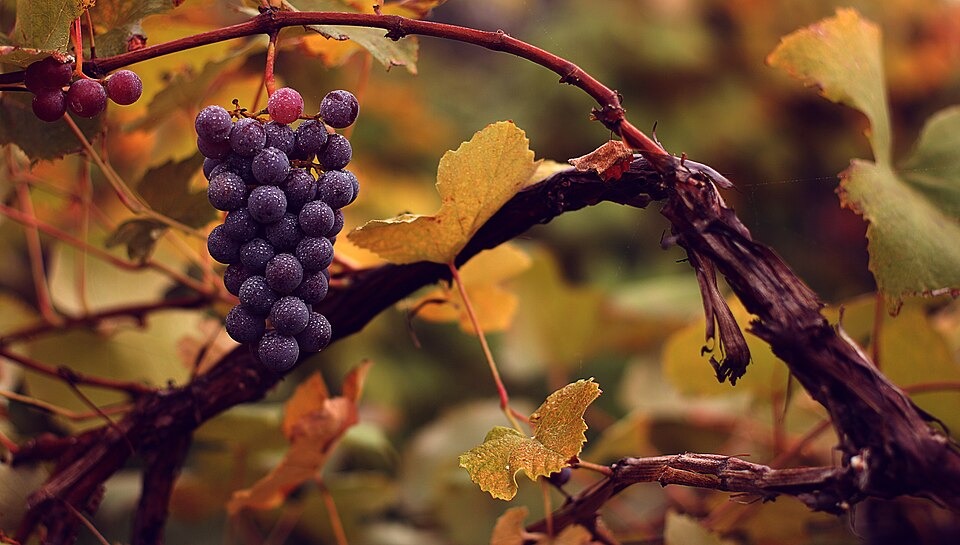
Today’s Memory Verse: John 15:5
Direct Scripture quotations in this article use the World English Bible (WEB). After reading the verse below, open your Bible and also consider the flow of John 15:1-17.
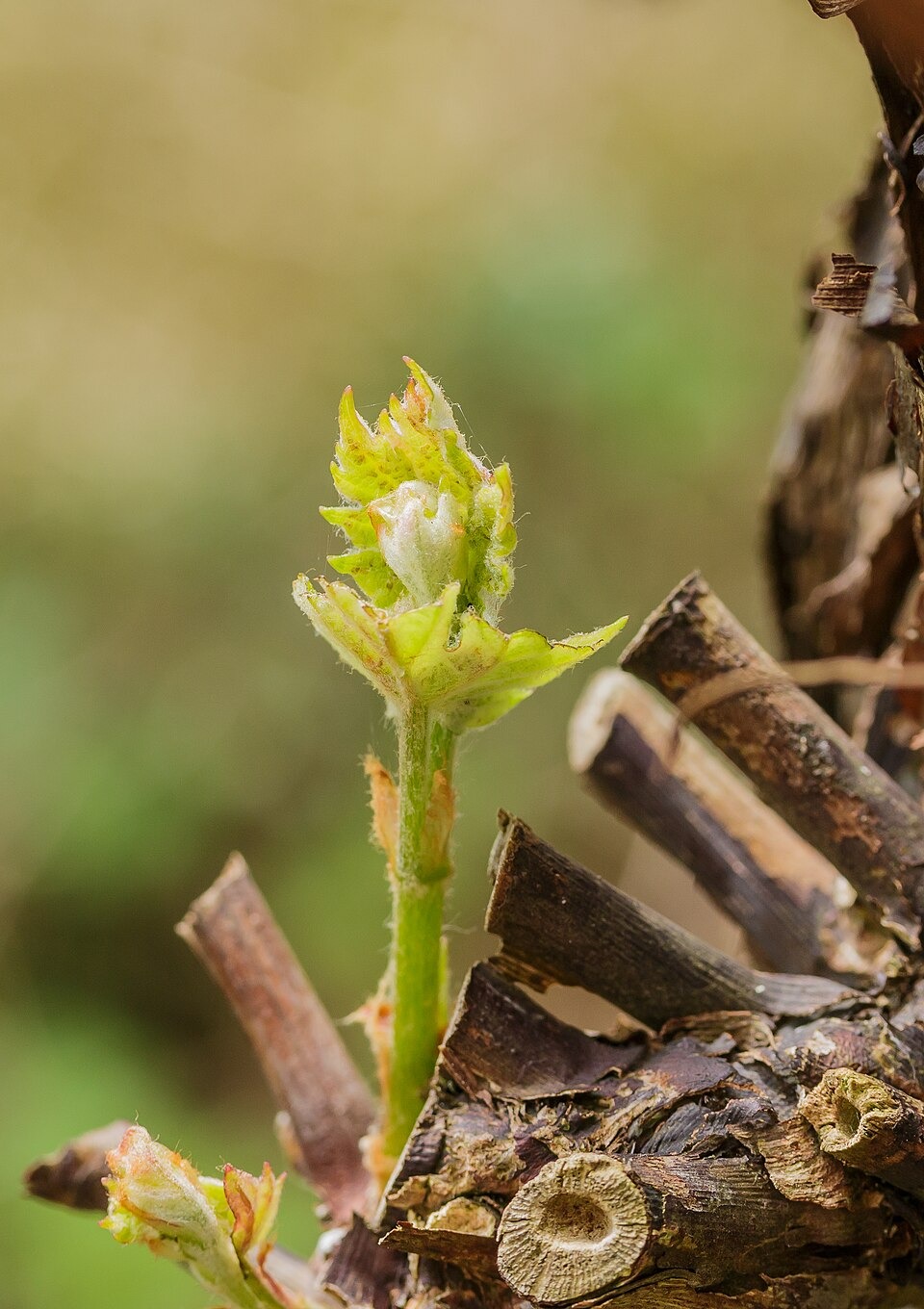
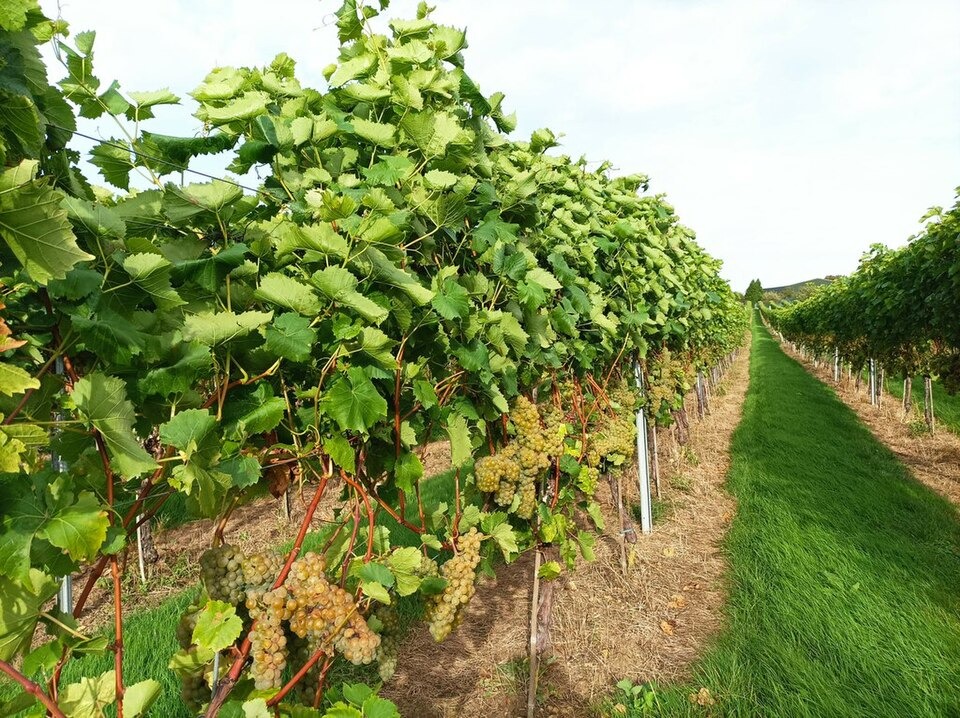
I am the vine. You are the branches. He who remains in me, and I in him, the same bears much fruit, for apart from me you can do nothing.
John 15:5, WEB
Notice the order of the verse. It first identifies Jesus and his disciples, then describes their relationship of remaining in one another, and then explains the fruit that grows from that relationship. Finally, it makes clear the helplessness of a branch apart from Jesus. Keeping this flow in mind as you memorize helps you hear the invitation of the whole verse, instead of using its final sentence alone to condemn yourself.
A Promise of Relationship as Jesus Prepared to Leave
In John 14:1-3, Jesus speaks to his troubled disciples about his Father’s house and his return. In John 14:16-20, he then promises the Holy Spirit’s presence and assures them that he will not abandon them. The picture of the vine belongs within this setting. These words guide the disciples to live in relationship with the Lord rather than depend only on the circumstances they will be able to see.
John 15:1-3 introduces the Father as the farmer and Jesus as the true vine. The Father cares for the branches that bear fruit, and Jesus says that his disciples are already clean because of his word. The disciples’ life does not begin with a plan to generate life for themselves. It begins with the Lord who has spoken to them and the Father who cares for them.
However, the picture of pruning branches does not give us grounds to determine why someone has become ill or suffered loss. This passage is not a list explaining the reason for every hardship a person experiences. What it clearly teaches us here is the Father’s care and the disciple’s place of remaining in Jesus.
Reflection One: Accepting Our Place as Branches
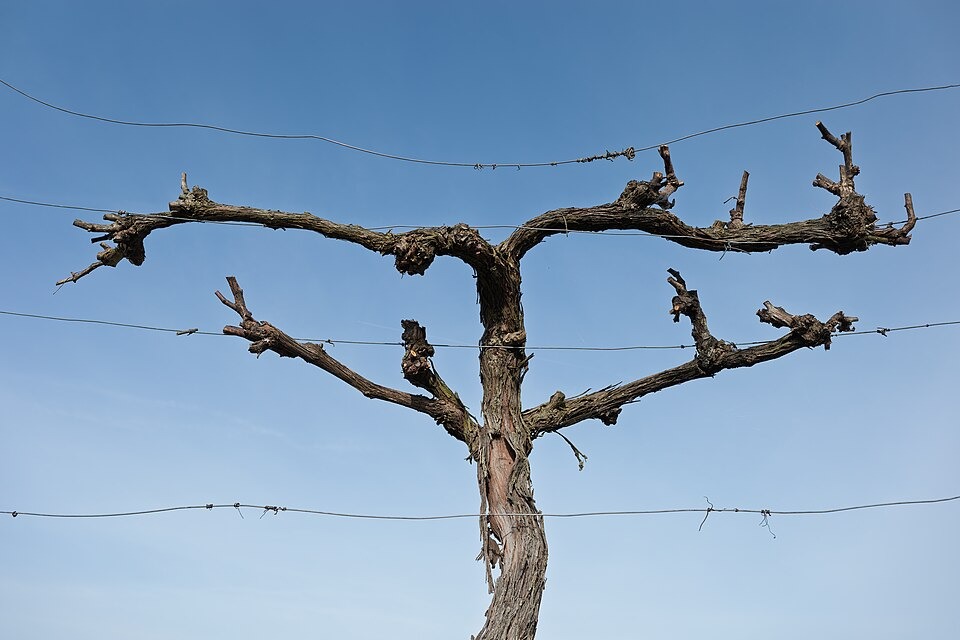
In John 15:4-5, a branch must remain in the vine to bear fruit. Jesus does not ask his disciples to become a source of life as he is. He calls them to remain in a position of receiving life from him and depending on him. This distinction humbles us both when we take on ministry responsibilities and when we care for someone at home.
Our preparation and experience matter. Yet if we think those things alone can produce love for others or obedience to God, we can easily judge ourselves and others by results. Before reading Scripture, acknowledge your need for the Lord’s help. Before beginning a conversation, pray that you will not insist only on your own way. These are small beginnings in accepting that we are branches.
Ephesians 2:8-10 also shows this order. Salvation is a gift of grace, so we cannot boast in our works. At the same time, God has created us for good works. Good actions are not a payment to obtain grace; they are the path for those who have received grace. Our efforts to bear fruit also find their proper place within this order.
Reflection Two: Remaining Means Living in His Word and Love
The passage adds concrete details so that we do not understand remaining in Jesus merely as a vague feeling. John 15:7 connects his words remaining in the disciples with prayer. John 15:9-12 brings together remaining in his love, keeping his commandments, and loving one another. Remaining in him becomes visible in a relationship of listening, asking, obeying, and loving.
We must therefore also read the words about answered prayer in the context of the Lord’s words remaining in us. John 15:7 does not guarantee every desire we form without regard for Jesus. It invites us to listen to his word, bring what we want before him, and pray as our desires and actions are reshaped according to his will.
1 John 3:23-24 brings together the command to believe in Jesus Christ and love one another, the life of remaining in the Lord, and the Spirit he has given us. We need not think we are connected to the Lord only on days when our feelings are intense. Even on emotionally quiet days, we can listen to his word in faith, acknowledge our wrongs, and obey by loving our neighbors. Ask for his help there.
Reflection Three: Fruit Points toward the Father’s Glory and Love
John 15:8 connects fruit with the Father’s glory and the life of a disciple. John 15:12-17 then speaks of the command to love one another and of fruit that lasts. We cannot simply equate this fruit with figures such as income, popularity, or the size of a gathering. The passage directs us toward a life that grows out of relationship with the Lord and brings glory to the Father.
Galatians 5:22-23 describes the Spirit’s fruit in terms of love and joy, peace and patience, kindness and goodness, faithfulness and gentleness, and self-control. This is a summary of the passage’s meaning. Reading it alongside our verse makes our questions about fruit more specific. Before asking whether we gained more recognition, we can consider whether we listened until someone had finished speaking, restrained our words when angry, and faithfully fulfilled the responsibilities entrusted to us.
1 John 3:16-18 connects Christ’s love with action that meets a fellow believer’s practical needs. This week, think of one person who needs help. You might ask how they are doing, make time to listen, or offer help within your means. These suggestions are examples of applying Scripture to today’s relationships, rather than a way to score our fruitfulness.
Reflection Four: Dependence Does Not Mean Giving Up Obedience
We cannot conclude from the final part of John 15:5 that we should make no effort at all. In the same context, Jesus tells his disciples to remain, ask, keep his commandments, and love one another. Those who depend on the Lord act in response to his word. They simply do not claim to be the source of those actions or take the glory for themselves.
Philippians 2:12-13 likewise pairs an exhortation to obey with the explanation that God works in us to will and to act. Because God is at work, our obedience matters. If you have begun praying for reconciliation, take the practical step of apologizing. If you have asked for love, put needed help into action. Prayer becomes a time to entrust our obedience to the Lord, rather than an excuse to avoid responsibility.
John 15:6 also contains a solemn warning about branches that do not remain in the Lord. We must not read this passage as permission to neglect our relationship with him while keeping up appearances. Yet there is also no basis for immediately equating that warning with forgetting a memory verse once or missing a day’s Bible reading. Instead of anxiously counting your practices, return today to listening and responding to the Lord’s word.

Remember the Verse in Four Movements
Memorize the actual text of John 15:5 given above. The four points below are not a rewritten verse to memorize. They are a guide to remembering its meaning and order.
- Our place in the relationship: Picture the relationship between Jesus as the vine and his disciples as the branches.
- Remaining in one another: Remember the relationship in which you remain in the Lord and he remains in you.
- The resulting fruit: Follow the order in which fruit grows from that relationship.
- Acknowledging dependence: Admit that you cannot bear fruit on your own apart from Jesus.
Begin by saying the reference and translation, then read the verse aloud. Next, cover the text and say as much as you remember. Check the actual text for missing words and their order. Identifying mistakes is part of learning accurately, not a sign of failure. Families and small groups can help one another without pressure by keeping the text open together.
After memorizing, write down one action through which you can respond to the Lord’s word today. At the end of the day, look beyond the number of times you recited the verse. Consider when you relied only on yourself and when you asked for the Lord’s help. This is a suggested practice, not a schedule prescribed by Scripture. Repeat it at a time that fits your life, and let memorization lead into prayer and obedience.
Today’s Application Questions and Prayer
- What am I holding on to as something I must take responsibility for and solve alone?
- As I remember John 15:5, what can I entrust to the Lord in prayer today?
- Who near me can receive my love through actions as well as words?
- Can I arrange a time with a fellow believer to memorize this verse together and share how we are applying it?
A prayer to share: Lord Jesus, help me remember my place as a branch that receives life from you. I turn my heart toward you from relying only on my strength and achievements. Help me listen to your word, ask for the help I need, and obey your command to love. Let me bear fruit that glorifies the Father even in small things, and lead me to love faithfully the people I meet today. Amen.
References
- John 15, Korean Revised Version (KRV) — central passage and context
- John 14, Korean Revised Version (KRV) — the promise of his presence
- Ephesians 2, Korean Revised Version (KRV) — grace and good works
- Galatians 5, Korean Revised Version (KRV) — the fruit of the Spirit
- 1 John 3, Korean Revised Version (KRV) — faith and love in action
- Philippians 2, Korean Revised Version (KRV) — obedience enabled by God
- John 15:5 in parallel translations — verification of the WEB quotation in the English article