
When you hear the phrase “Jewish calendar,” unfamiliar Hebrew month names or a mysterious list of feasts may come to mind first. But when Scripture first speaks of the Jewish calendar, it is not giving a method for calculating dates — it is a declaration that God himself set the time of his own people. Leviticus 23 is the LORD’s timetable, weaving Israel’s year into seven feasts, and the New Testament says these feasts were, all along, a shadow pointing to one person. To know the Jewish calendar is to know how, in time itself, God was preparing the way for Christ.
※ The English Scripture quotations here are from the King James Version and the World English Bible (both public domain).
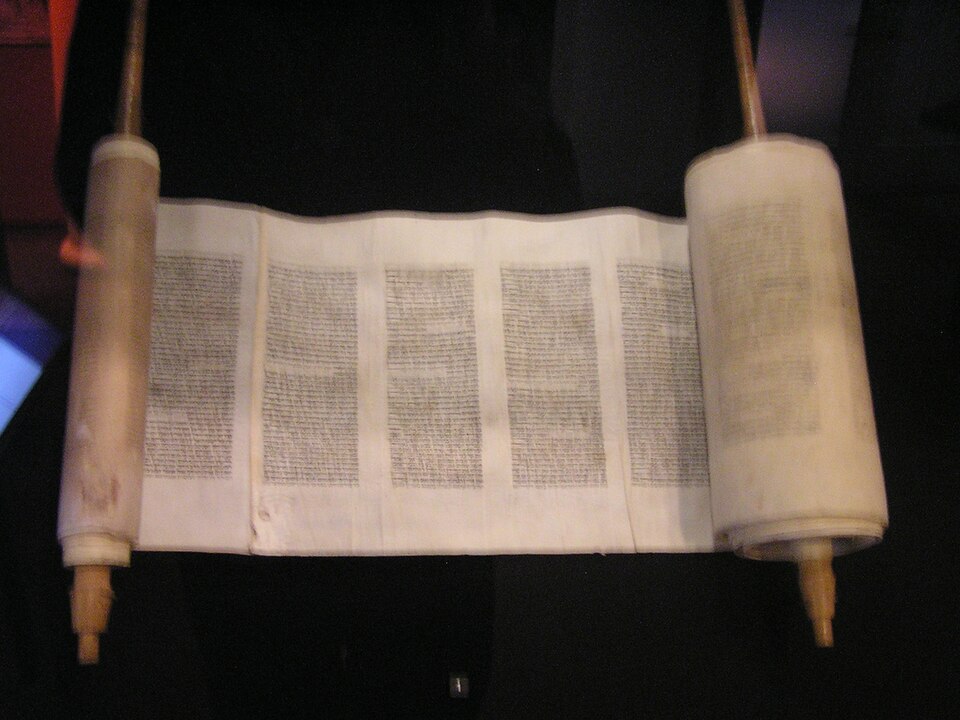
Leviticus 23 — The Timetable the LORD Appointed
Leviticus 23 first establishes the weekly Sabbath, and only then proclaims the feasts of the year.
“Six days shall work be done: but the seventh day is the sabbath of rest, an holy convocation; ye shall do no work therein: it is the sabbath of the LORD in all your dwellings. These are the feasts of the LORD, even holy convocations, which ye shall proclaim in their seasons.” (Leviticus 23:3-4, KJV)
Notice the order. The weekly Sabbath comes first, and only then the yearly “feasts of the LORD” that follow. Both the rhythm of a day and the rhythm of a year belong to God. Israel did not set these dates for themselves — they simply lived by the timetable the LORD proclaimed.
How the Jewish Calendar Was Structured
The first month of the Jewish calendar was fixed together with the exodus event.
“This month shall be unto you the beginning of months: it shall be the first month of the year to you.” (Exodus 12:2, KJV)
The LORD made the month in which he brought Israel out of Egypt the first month of the religious calendar, the “first month.” The Torah usually calls this month by its order, but when it uses a proper name, it says this: “Today you go out in the month Abib.” (Exodus 13:4, WEB) Abib means the season when the barley heads are forming — an older name than the later, more familiar “Nisan.” In Leviticus 23 as well, Passover is dated to the fourteenth day of “the first month” (23:5), and Trumpets, Atonement, and Tabernacles are all dated to “the seventh month” (23:24, 27, 34) — named, in order, by number.
Babylonian-derived month names such as Nisan, Sivan, Elul, Chislev, Tebeth, and Adar mostly appear in Scripture only after Israel’s exile in Babylon (Nehemiah 1:1, 2:1, 6:15; Esther 2:16, 3:7, 8:9, and others). But names like Iyar and Tishri never appear in the biblical text at all — they became fixed only later, within rabbinic tradition. The framework of time God appointed — beginning with the first month and numbering the feasts from there — never changed from the exodus onward, but the name given to that month changed with Israel’s history, from Abib to Nisan.
The Jewish calendar also follows the phases of the moon, yet it is lunisolar: every few years an extra month is inserted so that the feasts do not drift away from the seasons — especially the grain harvests — and stay aligned with the solar year. Passover was designed always to fall in the barley-harvest spring, and Tabernacles always in the autumn after every crop was gathered in. This adjustment itself reveals the character of the feasts. The Jewish calendar was never merely a method for counting days — it was a device that wove God’s history of redemption together with Israel’s agricultural rhythm, so that neither would be forgotten.
Seven Feasts, a Calendar Holding God’s Story of Salvation
Leviticus 23 proclaims seven feasts in order, following the Sabbath. Broadly, they fall into three spring feasts (the first month), three autumn feasts (the seventh month), and one feast fifty days later, in between.
Passover and Unleavened Bread — The Beginning of Salvation
“In the first month, on the fourteenth day of the month in the evening, is Yahweh’s Passover. On the fifteenth day of the same month is the feast of unleavened bread to Yahweh. Seven days you shall eat unleavened bread.” (Leviticus 23:5-6, WEB) Passover commemorates the night the judgment of death “passed over” the houses marked with the lamb’s blood (Exodus 12), and Unleavened Bread, which follows immediately, remembers eating bread without yeast as Israel hurried out of Egypt. Together, the two feasts recall the beginning of a single, unfolding act of salvation.
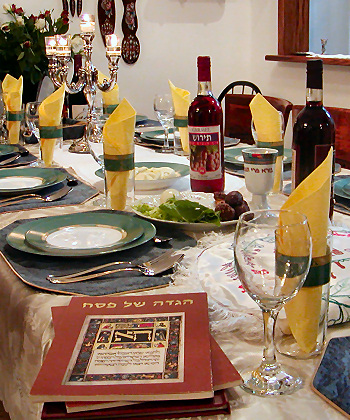
Firstfruits — Offering the First of the Harvest
On “the next day after the Sabbath” (Leviticus 23:10-11, WEB), the priest waved a sheaf of the very first grain cut that year before the LORD. “You must not eat bread, or roasted grain, or fresh grain, until this same day, until you have brought the offering of your God. This is a statute forever throughout your generations in all your dwellings.” (Leviticus 23:14, WEB) Even before the harvest was finished, Israel acknowledged its very first portion as belonging to God.
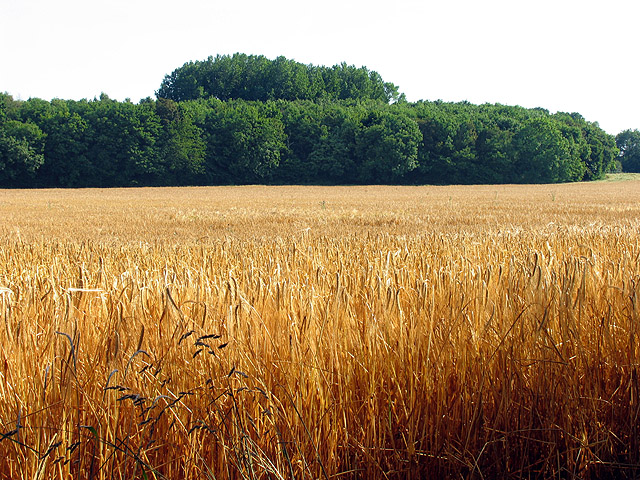
The Feast of Weeks (Pentecost) — Fifty Days from the Firstfruits
Counting from Firstfruits, the day the sheaf of the wave offering was brought, “seven Sabbaths shall be completed: even to the next day after the seventh Sabbath you shall count fifty days” (Leviticus 23:15-16, WEB). Because seven weeks are counted, it is called the Feast of Weeks; because it falls on the fiftieth day, it is called Pentecost. Beginning with the first ripe barley and reaching its climax around the completion of the wheat harvest, this feast gathers up fifty days of gratitude for that year’s first harvest.
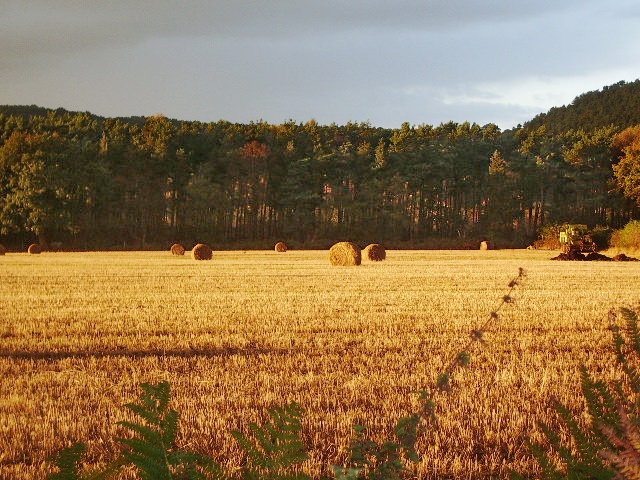
Trumpets and Atonement — Preparing to Return
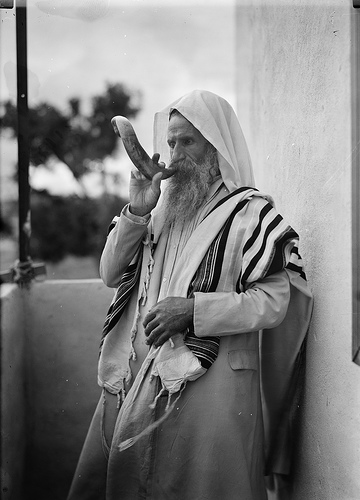
Trumpets, which opens the autumn feasts in the seventh month, is “a memorial of blowing of trumpets, a holy convocation” (Leviticus 23:24, WEB). Then, ten days later, “on the tenth day of this seventh month is the day of atonement: it shall be a holy convocation to you, and you shall afflict yourselves; and you shall offer an offering made by fire to Yahweh” (Leviticus 23:27, WEB) — the most solemn day of fasting and repentance in the whole year. On this day the high priest alone entered the Most Holy Place, once a year, to atone for the people.
Tabernacles — Gathering the Harvest While Remembering the Wilderness
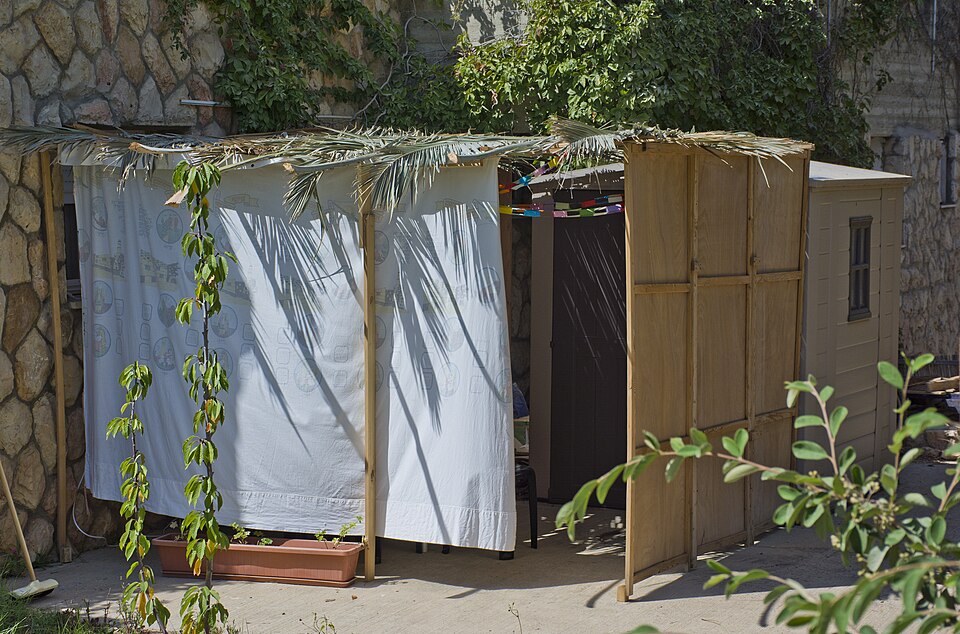
“On the fifteenth day of this seventh month is the feast of tents for seven days to Yahweh.” (Leviticus 23:34, WEB) After every crop of the year had been gathered in, Israel lived for seven days in booths made of branches. “that your generations may know that I made the children of Israel to dwell in temporary shelters, when I brought them out of the land of Egypt. I am Yahweh your God.” (Leviticus 23:43, WEB) Even in the middle of the joy of a full harvest, this feast kept Israel from forgetting the God who had brought them through the wilderness.
From Shadow to Substance — The Feasts Completed in Christ
The New Testament does not leave these feasts behind as an abolished old rule; it makes clear the substance they had always pointed to.
“Let no man therefore judge you in meat, or in drink, or in respect of an holyday, or of the new moon, or of the sabbath days: Which are a shadow of things to come; but the body is of Christ.” (Colossians 2:16-17, KJV)
The feasts and the Sabbath were never the goal in themselves — the goal was the “body,” Christ, to whom they pointed. Set alongside the New Testament through this lens, the feasts of Leviticus 23 reveal a single story God had long been preparing.
- Passover → Christ’s death. “For even Christ our passover is sacrificed for us.” (1 Corinthians 5:7, KJV) Just as the lamb’s blood on the doorposts caused judgment to pass over, so the blood of Christ delivers us from judgment.
- Firstfruits → Christ’s resurrection. “But now is Christ risen from the dead, and become the firstfruits of them that slept.” (1 Corinthians 15:20, KJV) As the first sheaf of that year’s harvest was once offered, Christ rose as the firstfruits of the resurrection still to come.
- Pentecost → the coming of the Spirit. “Now when the day of Pentecost had come, they were all with one accord in one place” (Acts 2:1, WEB), and the Spirit came. On the very day of thanksgiving for the first harvest, God poured out a new gift on the church.
- The Day of Atonement → Christ’s once-for-all atonement. “nor yet through the blood of goats and calves, but through his own blood, entered in once for all into the Holy Place, having obtained eternal redemption.” (Hebrews 9:12, WEB) The high priest’s atonement, repeated every year, was completed in Christ’s atonement, which never needs repeating. “For by one offering he has perfected forever those who are being sanctified.” (Hebrews 10:14, WEB)
- Tabernacles → the living water Christ gives. During the days of Tabernacles, “in the last day, that great day of the feast, Jesus stood and cried, saying, If any man thirst, let him come unto me, and drink.” (John 7:37, KJV) At the very climax of the feast that remembered a thirsty people in the wilderness, Jesus proclaimed that he himself would satisfy that thirst.
What This Means for Us Today
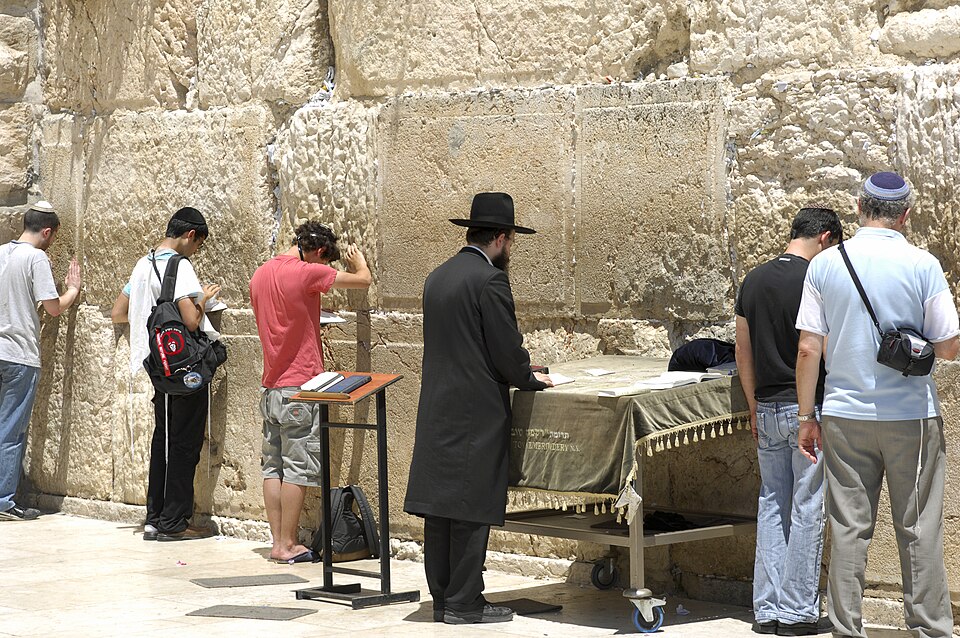
Should New Testament Christians, then, keep the feasts of the Jewish calendar? Colossians 2:16 says the opposite. No one is to “judge” another over whether they keep a feast, a new moon, or a Sabbath — because the substance, Christ, has come to the place where the shadow once stood. What we are to hold on to is not the regulations of the feasts themselves, but the one they all, without exception, pointed to.
Yet the Jewish calendar is not without meaning for us. Just as Israel did not set their own dates but lived by the timetable the LORD proclaimed, so today our days, our weeks, and our years are not our own but God’s. To remember daily the redemption that Passover pointed to; to live in the hope of resurrection that Firstfruits pointed to; to walk by the Spirit that Pentecost pointed to; to rest in the once-for-all atonement that the Day of Atonement pointed to; to come daily to the Lord who is the living water that Tabernacles pointed to — this is the invitation the Jewish calendar still leaves with us today.
Lord, we praise your faithfulness, who prepared a place for yourself in every one of ancient Israel’s feasts. We hold today to your sacrifice as our Passover lamb, your resurrection as the firstfruits, the Spirit you sent to dwell among us, the atonement you accomplished once for all, and your voice calling to us in our thirst. Let us live following you, the substance, and not the shadow. In Jesus’ name we pray. Amen.
References
- Korean Bible Society — Korean Revised Version (1961) text of Leviticus 23
- Korean Bible Society Bible Terms Dictionary — “Feasts” entry
- Korean Bible Society — The Harvest Feasts of the Bible
- Blue Letter Bible — Strong’s H6453 פֶּסַח (Pesach, Passover)
- Blue Letter Bible — Strong’s H3725 כִּפֻּר (Kippur, Atonement)
- Wikipedia — Hebrew calendar (lunisolar structure, Metonic cycle)
- Korean Wikipedia — Hebrew calendar
- My Jewish Learning — Months of the Jewish Year (Babylonian origin of month names)