
Seated on the Mount of Olives, the disciples asked Jesus a question. “Tell us, when will these things be? What is the sign of your coming, and of the end of the age?” (Matthew 24:3, WEB). Wars and famines and earthquakes, apostasy and hatred and false prophets — Jesus’ answer seemed to fill out a dark list. But in the middle of that list sits an unexpected sentence: “And this gospel of the kingdom shall be preached in all the world for a witness unto all nations; and then shall the end come” (Matthew 24:14, KJV). The end of the world is not the outcome disaster brings about — it is a hope that comes only when the gospel is completed. And that hope leads directly into a single command given again by the risen Jesus on a mountain in Galilee — the Great Commission.
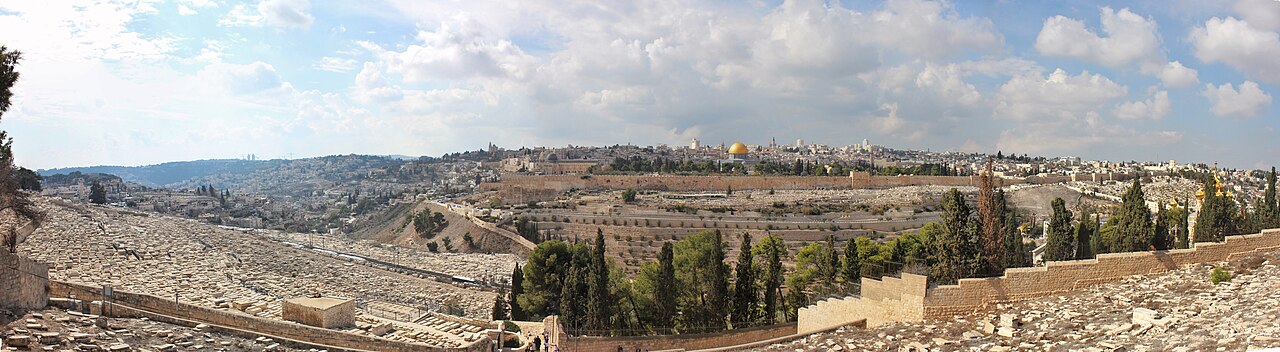
The Question Asked on the Mount of Olives
Matthew 24 opens with the disciples’ question. When Jesus points to the temple buildings and says, “You see all of these things, don’t you? Most certainly I tell you, there will not be left here one stone on another, that will not be thrown down” (Matthew 24:2, WEB), the disciples go up to the Mount of Olives and ask, “Tell us, when will these things be? What is the sign of your coming, and of the end of the age?” (Matthew 24:3, WEB). What follows unfolds in two stages. First, 24:4-8 calls false christs, wars and rumors of wars, famines and earthquakes “the beginning of birth pains” (Matthew 24:8, WEB). Then 24:9-13 describes a deeper affliction — being handed over to tribulation, hated by all nations, apostasy, false prophets, love growing cold — closing with, “But he who endures to the end will be saved” (Matthew 24:13, WEB). The list of disasters grows heavier and heavier, but Jesus never says that weight itself brings the end. Something else brings the end.
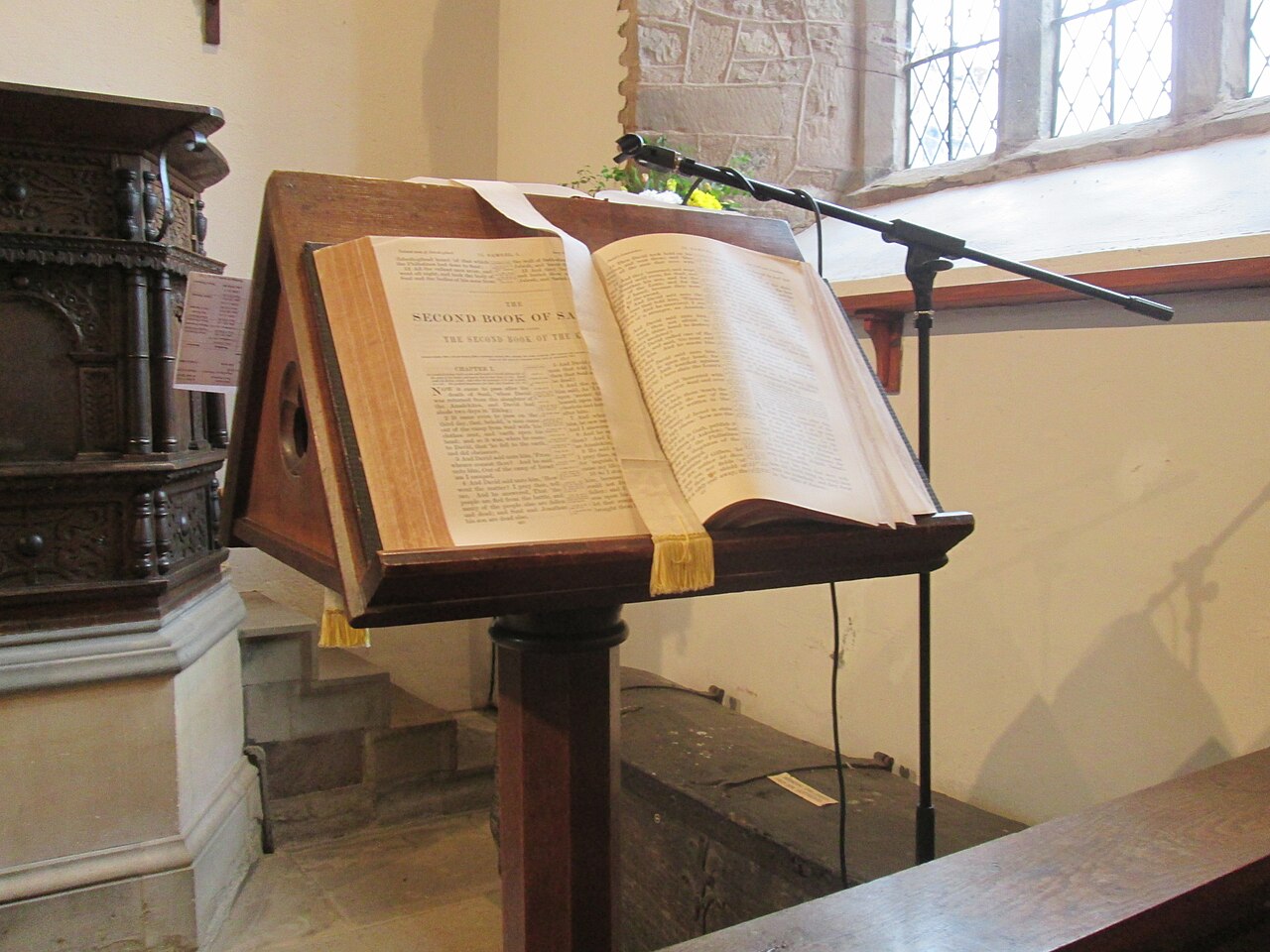
“Then Shall the End Come” — A Promise with a Condition
“And this gospel of the kingdom shall be preached in all the world for a witness unto all nations; and then shall the end come” (Matthew 24:14, KJV). This single verse is both the conclusion of the preceding list of afflictions and its turning point. The end of the world does not come as the result of war or famine or apostasy — it comes only “then,” only after the gospel has been witnessed to all nations. The disasters are not the cause of the end; they are the backdrop against which the end approaches, and the completed proclamation of the gospel is the real destination history is moving toward. So this verse reads not as a fearful prophecy but as a promise — a promise that the gospel will certainly reach all nations, and a promise about sequence: the end comes only once that promise is fulfilled.
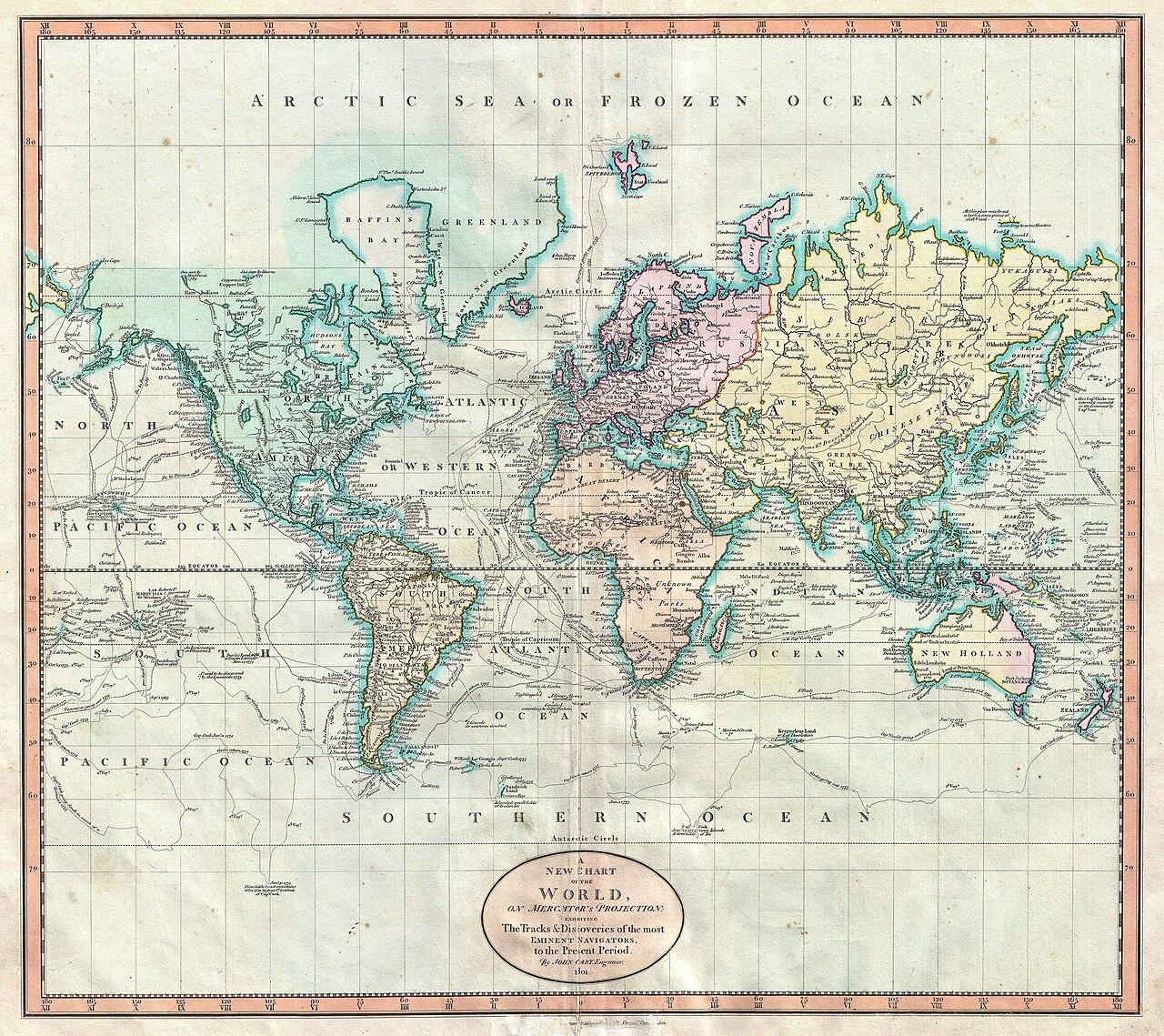
Scripture Interprets Scripture — A Picture Already Drawn in the Old Testament
This promise did not appear suddenly in Matthew. Daniel had already seen it: “I saw in the night visions, and behold, there came with the clouds of the sky one like a son of man, and he came even to the Ancient of Days, and they brought him near before him. Dominion was given him, and glory, and a kingdom, that all the peoples, nations, and languages should serve him. His dominion is an everlasting dominion, which will not pass away, and his kingdom one that will not be destroyed” (Daniel 7:13-14, WEB). This ancient vision — in which “all the peoples, nations, and languages” come to serve the Son of Man — reads as a text that already shows, ahead of time, where the “all nations” of Matthew 24:14 is ultimately headed. Isaiah saw the same picture: “The time comes that I will gather all nations and languages, and they will come, and will see my glory … they shall declare my glory among the nations” (Isaiah 66:18-19, WEB). This structure, in which God himself “sends” people to distant Gentile nations to proclaim his glory, shows that the gospel being “preached” to all nations was a plan God had prepared long before Jesus ever spoke the words.

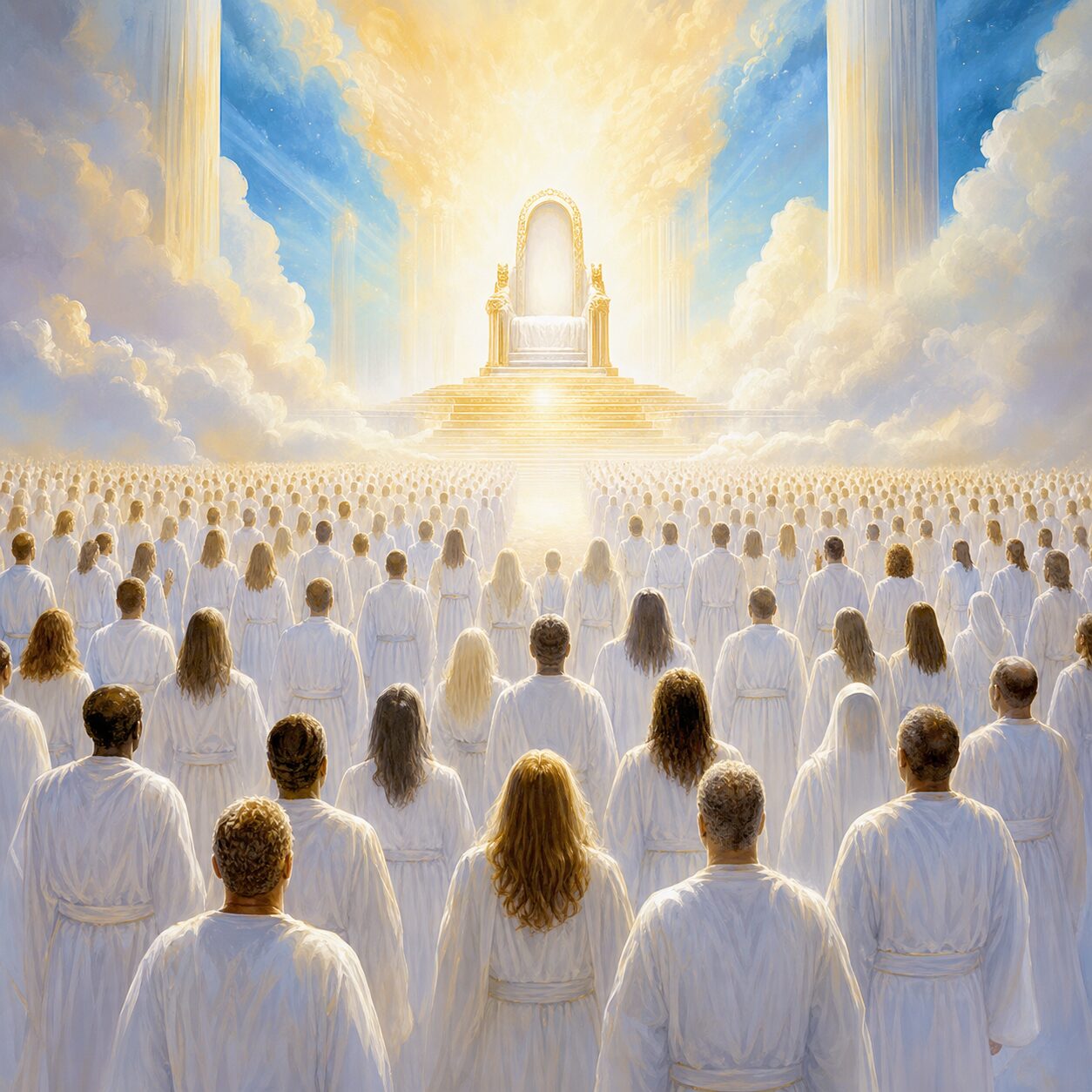
The Completed Scene Revelation Shows Us
What this promise looks like once fulfilled is shown to us in advance in Revelation. “A great multitude which no man could count, out of every nation and of all tribes, peoples, and languages, standing before the throne and before the Lamb, dressed in white robes, with palm branches in their hands … crying with a loud voice, saying, ‘Salvation be to our God, who sits on the throne, and to the Lamb!'” (Revelation 7:9-10, WEB). “Every nation and of all tribes, peoples, and languages” — the very same family of phrases Daniel saw in “all the peoples, nations, and languages” — appears here as a completed harvest. And the angel “flying in mid heaven, having an eternal Good News to proclaim to those who dwell on the earth — to every nation, tribe, language, and people” (Revelation 14:6, WEB) confirms once more that the worldwide spread of the gospel is not accomplished by human effort alone but is a work God himself sovereignly guarantees. Daniel’s foretelling, Matthew’s promise, Revelation’s fulfillment — this is how Scripture interprets itself.
From Prophecy to Command — The Bridge the Great Commission Builds
Yet this promise does not fulfill itself. This is exactly the point where Matthew leads us from chapter 24 to chapter 28. The risen Jesus, using the same phrase as the question in the Olivet Discourse (“the end of the age”), says: “And Jesus came and spake unto them, saying, All power is given unto me in heaven and in earth. Go ye therefore, and teach all nations, baptizing them in the name of the Father, and of the Son, and of the Holy Ghost: Teaching them to observe all things whatsoever I have commanded you: and, lo, I am with you alway, even unto the end of the world. Amen” (Matthew 28:18-20, KJV). If 24:14 is the promise that “the gospel will be preached to all nations,” then 28:18-20 is the concrete command that carries that promise forward. And the apostle Paul explains how this command actually gets carried out: “How then will they call on him in whom they have not believed? How will they believe in him whom they have not heard? How will they hear without a preacher? And how will they preach unless they are sent? … So faith comes by hearing, and hearing by the word of God” (Romans 10:14-15, 17, WEB). The gospel being “preached” is not an event that happens on its own — it happens only through the actual footsteps of people who are sent. We stand today at the place of “how,” between the prophecy and the command.
Not Slowness, But Patience
So why hasn’t the end come yet? Peter answers: “The Lord is not slow concerning his promise, as some count slowness; but he is patient with us, not wishing that anyone should perish, but that all should come to repentance … looking for and earnestly desiring the coming of the day of God” (2 Peter 3:9, 12, WEB). The time it takes is not divine incapacity or delay — it is patience, because God desires more people to come to repentance. This patience tells us two things at once: an urgency to proclaim the gospel while the door of repentance still stands open, and a hope we can long for because that door will one day be completed. The Great Commission is the mission born between these two.

Our Place Today
Matthew 24:14 is not about some distant nation on a map — it asks about our place today. One prayer we offer, one word of the gospel we speak to a neighbor, one step of commitment we make for missions — each is a step toward the promise that Daniel saw and that John saw fulfilled. Rather than trying to measure progress by statistics, we should stand before the words “how will they preach unless they are sent” and ask whether we are living today as ones who are sent. The end is not brought by disaster. The end lies where the gospel is completed, and our obedience is a step taken toward that completion.
An Invitation to Prayer and Commitment
Lord, teach me your patient heart that waits until the gospel is preached to all nations. Let me live in this age with hope rather than fear, and let me stand today as one who is sent. Let the Great Commission become the direction of my life, and let me live longing for the day when the promise of Matthew 24:14 is fulfilled. Amen.
References
- BibleHub — Matthew 24:14 (interlinear · version comparison)
- BibleHub — Matthew 28:19 (version comparison)
- BibleHub — Daniel 7:14 (version comparison)
- BibleHub — Isaiah 66:19 (version comparison)
- BibleHub — Revelation 7:9 (version comparison)
- BibleHub — Romans 10:15 (version comparison)
- BibleHub — 2 Peter 3:9 (version comparison)
- Korean Bible Society — Copyright notice for the 1961 Korean Revised Version (public domain basis)