
On the day of Pentecost, the Holy Spirit came, and when Peter boldly proclaimed Christ, three thousand people repented and were baptized in a single day (Acts 2:41). Yet what Scripture records right after this explosive growth is strikingly ordinary — what the new believers devoted themselves to. Acts 2:42 says:
The English Scripture quotations here are from the King James Version and the World English Bible (both public domain).
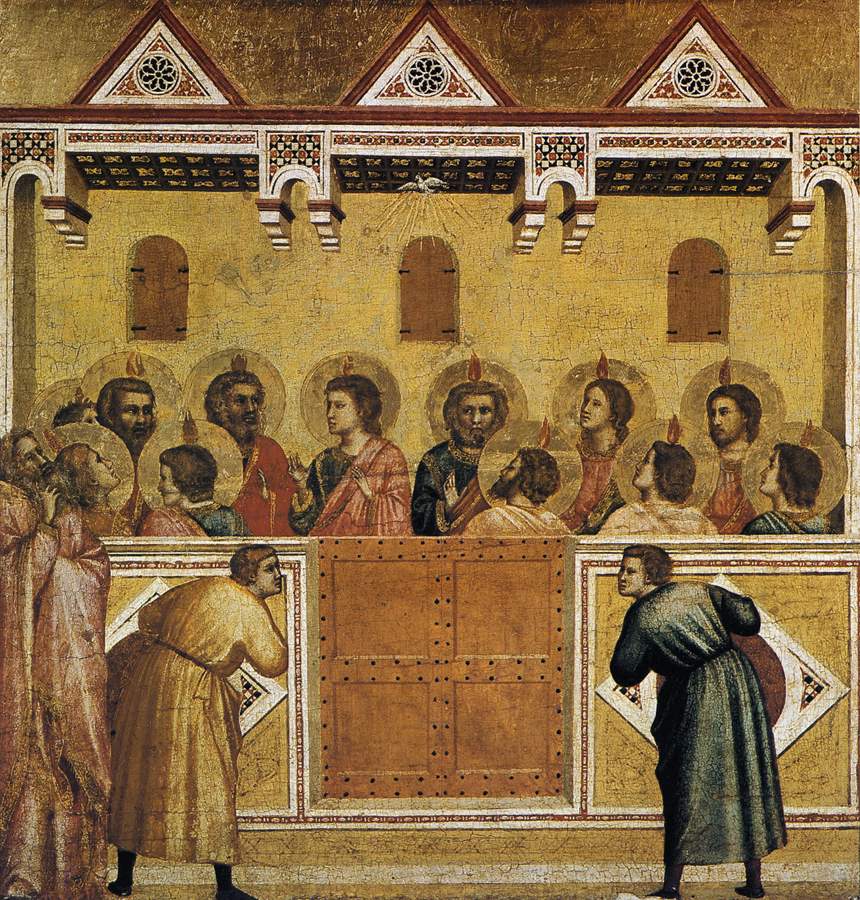
“And they continued stedfastly in the apostles’ doctrine and fellowship, and in breaking of bread, and in prayers.” (Acts 2:42, KJV)
This single verse holds all four pillars of discipleship in the early church — ① the apostles’ teaching, ② fellowship, ③ breaking bread, and ④ prayer. This was not an elaborate program but a way of life, and our discipleship today stands firm only when it, too, is built on these four pillars.

After Pentecost: What a Rapidly Growing Church Held Onto
Tracing the flow of Acts 2 makes the weight of verse 42 even clearer. The Spirit descended (2:1-4), and when Peter preached Christ’s resurrection and lordship from Joel and the Psalms of David (2:14-36), the crowd was cut to the heart, urged to repent, and baptized — “Then those who gladly received his word were baptized. There were added that day about three thousand souls.” (Acts 2:41, WEB). Verse 42 is exactly why a community that grew by three thousand overnight did not scatter in the next moment, but instead grew strong. What an explosive conversion needed was not a new strategy, but devoted, wholehearted training in four things: teaching, fellowship, breaking bread, and prayer.
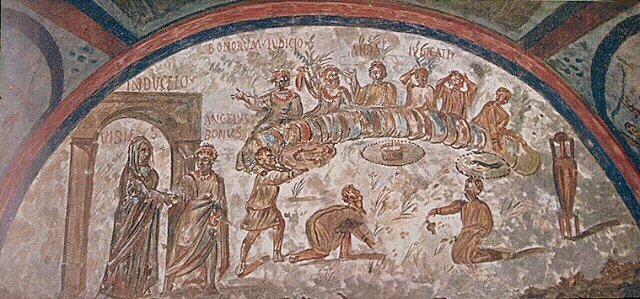
The First Pillar — The Apostles’ Teaching: Training to Dwell in the Word
The first item on the list is “the apostles’ teaching.” The early church built itself not on lingering emotion but on teaching. Paul writes to Timothy:
“Every Scripture is God-breathed and profitable for teaching, for reproof, for correction, and for instruction in righteousness, that the man of God may be complete, thoroughly equipped for every good work.” (2 Timothy 3:16-17, WEB)
Scripture is just as clear about where faith comes from.
“So faith comes by hearing, and hearing by the word of God.” (Romans 10:17, WEB)
And that word is not an abstract idea — it guides each day’s steps.
“Thy word is a lamp unto my feet, and a light unto my path.” (Psalm 119:105, KJV)
The first step of discipleship is not an elaborate curriculum, but the habit of sitting honestly before Scripture and receiving its teaching.
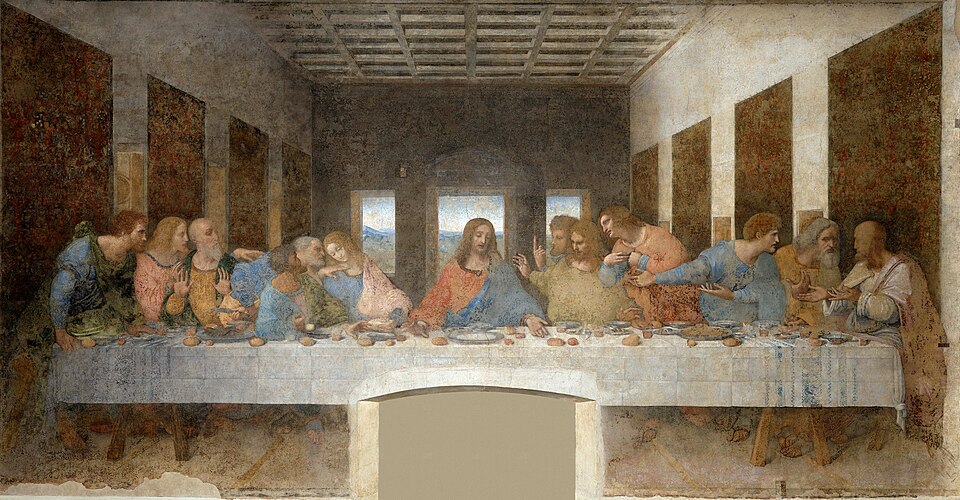
The Second Pillar — Fellowship with One Another: Disciples Who Grow Within Community
The second is “fellowship with one another.” What this fellowship concretely looked like is shown in the very next verses.
“All who believed were together, and had all things in common. They sold their possessions and goods, and distributed them to all, according as anyone had need.” (Acts 2:44-45, WEB)
Fellowship in the early church was not a social club — it was the practical sharing that looked after one another’s needs. John says the root of this fellowship lies in communion with God.
“that which we have seen and heard we declare to you, that you also may have fellowship with us. Yes, and our fellowship is with the Father, and with his Son, Jesus Christ.” (1 John 1:3, WEB)
And the writer of Hebrews commands that this fellowship be kept up continually.
“Not forsaking the assembling of ourselves together, as the manner of some is; but exhorting one another: and so much the more, as ye see the day approaching.” (Hebrews 10:25, KJV)
Fellowship is not optional — it flows out of communion with God and is an essential element of discipleship that keeps us watching over one another.
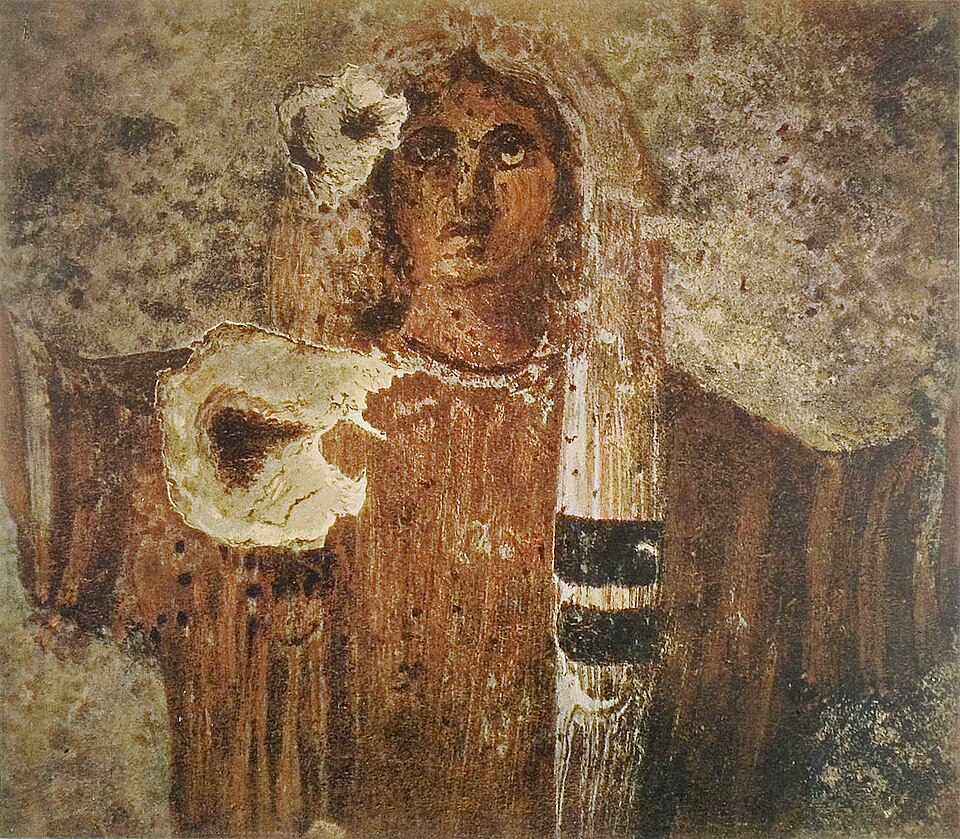
The Third Pillar — Breaking Bread: A Covenant Carried On at the Table
The third is “breaking bread.” This practice was instituted by Jesus himself at the Last Supper.
“And he took bread, and gave thanks, and brake it, and gave unto them, saying, This is my body which is given for you: this do in remembrance of me.” (Luke 22:19, KJV)
Paul, too, handed this same tradition on to the church in Corinth.
“…this do in remembrance of me… For as often as ye eat this bread, and drink this cup, ye do shew the Lord’s death till he come.” (1 Corinthians 11:24, 26, KJV)
And in the early church this did not remain a special ceremony alone — it became part of daily life.
“Day by day, continuing steadfastly with one accord in the temple, and breaking bread at home, they took their food with gladness and singleness of heart,” (Acts 2:46, WEB)
Discipleship does not happen only in a classroom. The covenant continues to be remembered even at the table, where life is shared together.
The Fourth Pillar — Prayer: A Wholehearted Devotion
The last pillar is prayer — the text says the believers “continued steadfastly” in it. The Greek word behind that phrase, proskartereo, means to persist wholeheartedly and without wavering — not an occasional, half-hearted practice, but constant, committed devotion. This devotion had already begun even before Pentecost.
“All these with one accord continued steadfastly in prayer and supplication, along with the women, and Mary the mother of Jesus, and with his brothers.” (Acts 1:14, WEB)
The habit of prayer that began in the upper room continued unbroken even after Pentecost. Paul calls for the same devotion.
“Continue in prayer, and watch in the same with thanksgiving;” (Colossians 4:2, KJV)
“Rejoice evermore. Pray without ceasing. In every thing give thanks: for this is the will of God in Christ Jesus concerning you.” (1 Thessalonians 5:16-18, KJV)
Teaching, fellowship, and breaking bread cannot last without prayer. Prayer is the cord that binds the other three pillars fast to God.

Applying This to Discipleship Today — One-on-One and Small Groups
These four pillars are still used today as the foundation of discipleship. The Discipleship Training Institute, which has deeply shaped the discipleship movement in Korean churches, draws on Acts 2:42-47 to propose five purposes for a small group — a fellowshipping group (2:46, breaking bread and eating together), a training group that grows spiritually (2:42, devoted to the apostles’ teaching), a group that ministers to one another (2:45, distributing to each as anyone had need), an evangelizing group (2:47, the Lord adding to their number daily those who were being saved), and a worshiping group. The Navigators, an American missions organization, likewise describes discipleship as a life-on-life relationship in which one person walks alongside another, sharing witness, prayer, Bible study, and fellowship together — an approach that in practice touches the same teaching, prayer, and fellowship found in Acts 2:42.
Concretely, you can begin like this. In a one-on-one relationship, meet regularly and structure the time around reading a Bible passage together (teaching), sharing your lives with each other (fellowship), eating a meal together (breaking bread), and closing by praying for one another (prayer). In a small group, simply arranging each gathering so that these four elements are evenly present is already following the pattern of Acts 2:42. Methods change from age to age, but these four pillars do not.
Conclusion — What Will You Devote Yourself to Today?
The early church did not become an unshakable community through some special gift or dramatic event, but through wholehearted devotion to four utterly ordinary things — teaching, fellowship, breaking bread, and prayer. Take a moment to examine your own life of faith today. Which of these four pillars has grown weak? This week, choose to restore just one: time spent sitting before the Word, a moment of sharing life with someone, a shared meal at the table, or a place of kneeling in prayer.
References
- Acts 2 (Korean Revised Version, KRV) — YouVersion
- Acts 2:42 (Korean Revised Version) — Korean Bible Society
- 1 Corinthians 11 (Korean Revised Version, KRV) — YouVersion
- Luke 22 (Korean Revised Version, KRV) — YouVersion
- Discipleship Training Institute — Acts 2:42-47 and Small Group Ministry
- The Navigators — Discipleship Training
- Jang Seok-jo, “The Structure and Meaning of Acts 2:42-47,” Journal of New Testament Studies 21(3), 2022