
Text — Mark 16:14-18
English Scripture quotations in this article are from the World English Bible (WEB), which is in the public domain.
“Afterward he was revealed to the eleven themselves as they sat at the table; and he rebuked them for their unbelief and hardness of heart, because they didn’t believe those who had seen him after he had risen. He said to them, ‘Go into all the world and preach the Good News to the whole creation. He who believes and is baptized will be saved; but he who disbelieves will be condemned. These signs will accompany those who believe: in my name they will cast out demons; they will speak with new languages; they will take up serpents; and if they drink any deadly thing, it will in no way hurt them; they will lay hands on the sick, and they will recover.'” (Mark 16:14-18, WEB)
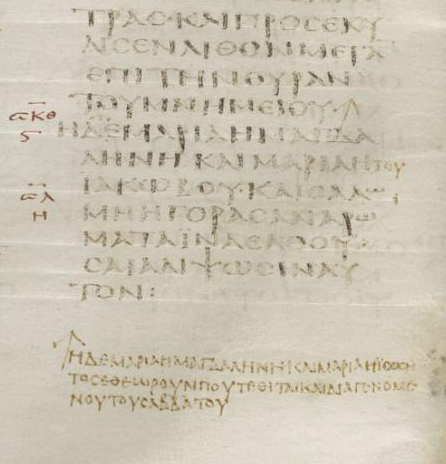
When people think of the Great Commission, Matthew 28 is usually the first passage that comes to mind — but Mark’s Gospel carries the very same command. What differs is the surrounding context. In Mark, the Great Commission begins in the verse immediately after Jesus rebukes the disciples for their “unbelief and hardness of heart.” A sending that comes after failure and unbelief — this is the first key to reading this passage.
Context — Three Appearances, and Unbelief That Kept Recurring
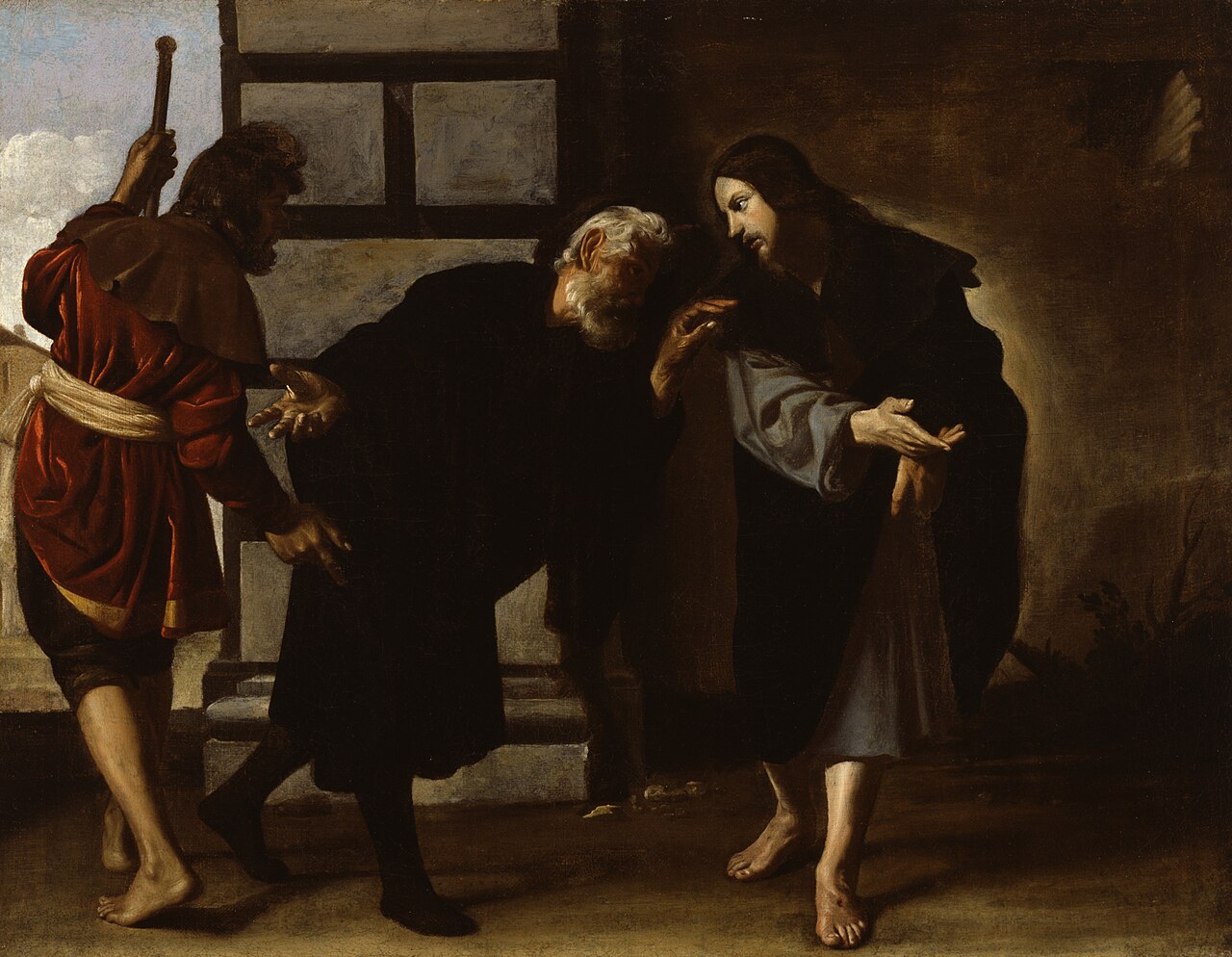
Mark 16:9-20 unfolds across three resurrection appearances. Jesus appeared first to Mary Magdalene, but the disciples did not believe her (verses 9-11). He then appeared in a different form to two of them as they were walking into the country, and again they did not believe (verses 12-13). Finally, he appeared a third time as the eleven were eating, and this time he rebuked them for their unbelief and hardness of heart (verse 14). The Great Commission is given at exactly this point — breaking through unbelief that had already repeated itself three times.
This sequence is no accident. The text itself shows that the disciples’ qualifications, or the readiness of their faith, were not a precondition for being sent out. If the command to “go and preach” was given to people who had witnessed the resurrection and still could not believe, then our own shortcomings today are no reason to delay obedience.
One thing needs to be stated honestly. Mark 16:9-20 (the “longer ending”) does not appear in the oldest surviving manuscripts, such as Codex Sinaiticus and Codex Vaticanus, while it is present in the vast majority of later manuscripts and in the early Latin and Syriac versions — a passage long discussed in textual-critical scholarship. Yet the second-century church father Irenaeus, in Against Heresies (c. 180 AD), already quoted verse 19 directly as Mark’s conclusion, and translations in the traditional-text line, including Korea’s Revised Korean Version (Gaeyeok Hangeul), have carried this passage as Scripture. This article does not aim to settle that scholarly debate; it takes up this passage as the church has long received and kept it as Scripture, and examines its message.
Alongside the Other Great Commission Accounts — Scripture Interpreting Scripture
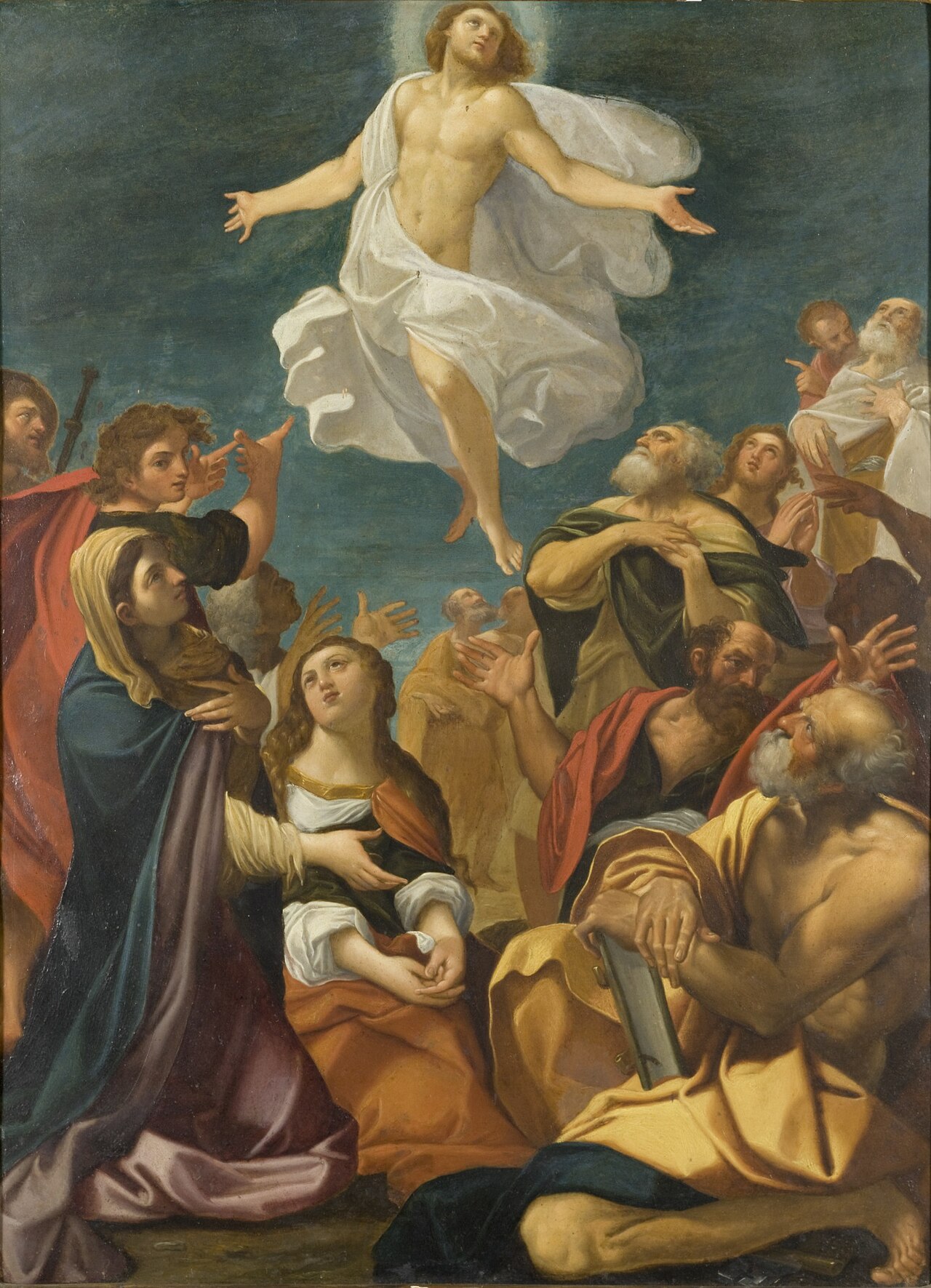
The Great Commission is recorded five times across the four Gospels and Acts. Each passage sheds light on the same command from a different angle. Reading Scripture alongside Scripture, Mark 16:15-18 brings out an emphasis that stands out distinctly among them.
Matthew puts discipleship and teaching first: “Go and make disciples of all nations, baptizing them in the name of the Father and of the Son and of the Holy Spirit, teaching them to observe all things that I commanded you.” (Matthew 28:19-20, WEB). Luke emphasizes being witnesses and the power of the Spirit: “You are witnesses of these things. … But wait in the city of Jerusalem until you are clothed with power from on high.” (Luke 24:48-49, WEB). John shows the very basis of the sending itself: “As the Father has sent me, even so I send you.” (John 20:21, WEB). Acts specifies the source and scope of that power: “But you will receive power when the Holy Spirit has come upon you. You will be witnesses to me in Jerusalem, in all Judea and Samaria, and to the uttermost parts of the earth.” (Acts 1:8, WEB).
Unlike these four, Mark foregrounds a structure of proclamation and response — “preach the Good News… he who believes and is baptized will be saved, but he who disbelieves will be condemned” — and adds a specific list of signs found in none of the other parallel passages. If discipleship (Matthew), witness (Luke and Acts), and sending (John) form the skeleton of the Great Commission, Mark shows how God works alongside the gospel once it is actually being proclaimed.
The Signs, Actually Happening in Acts
The signs spoken of in Mark 16:17-18 are not an abstract promise. Acts records these very signs as events that actually happened.
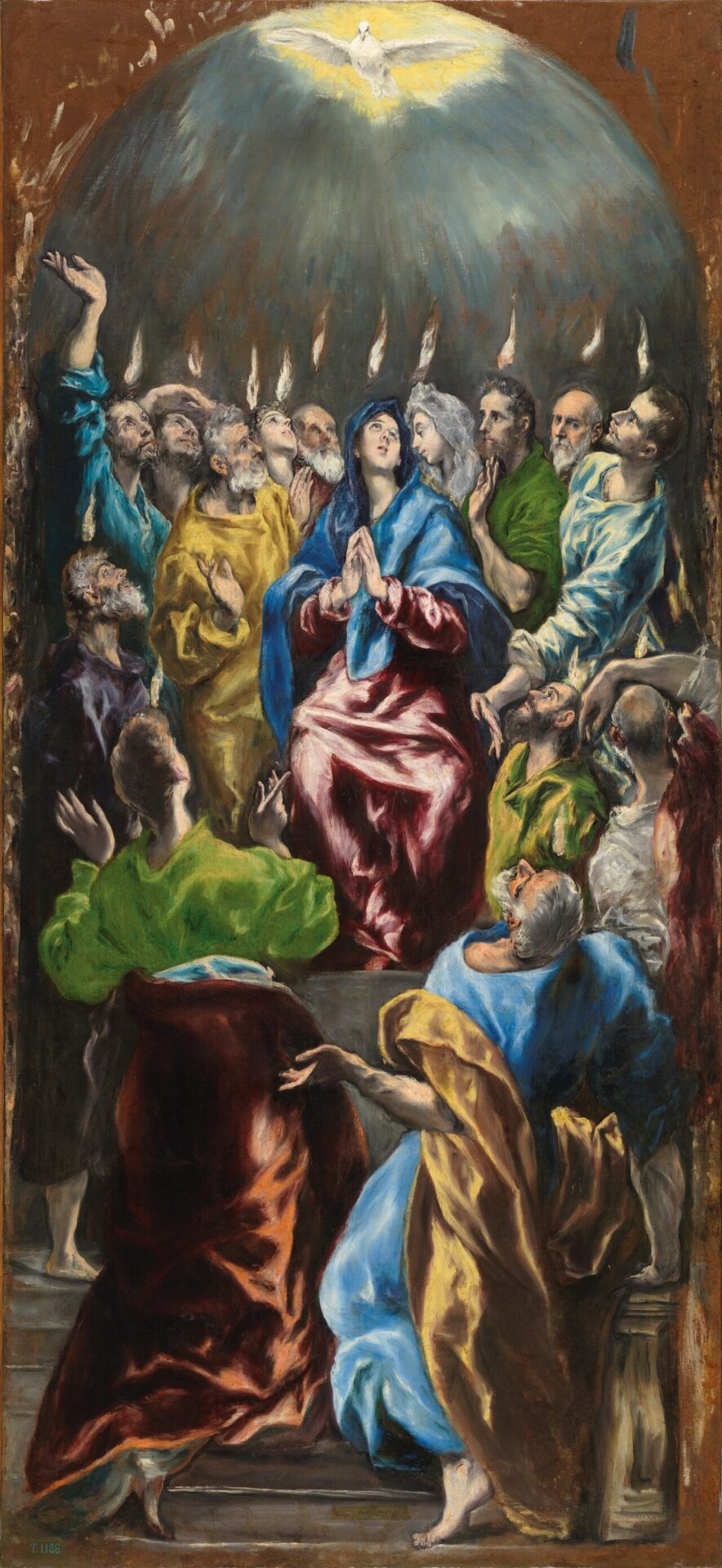
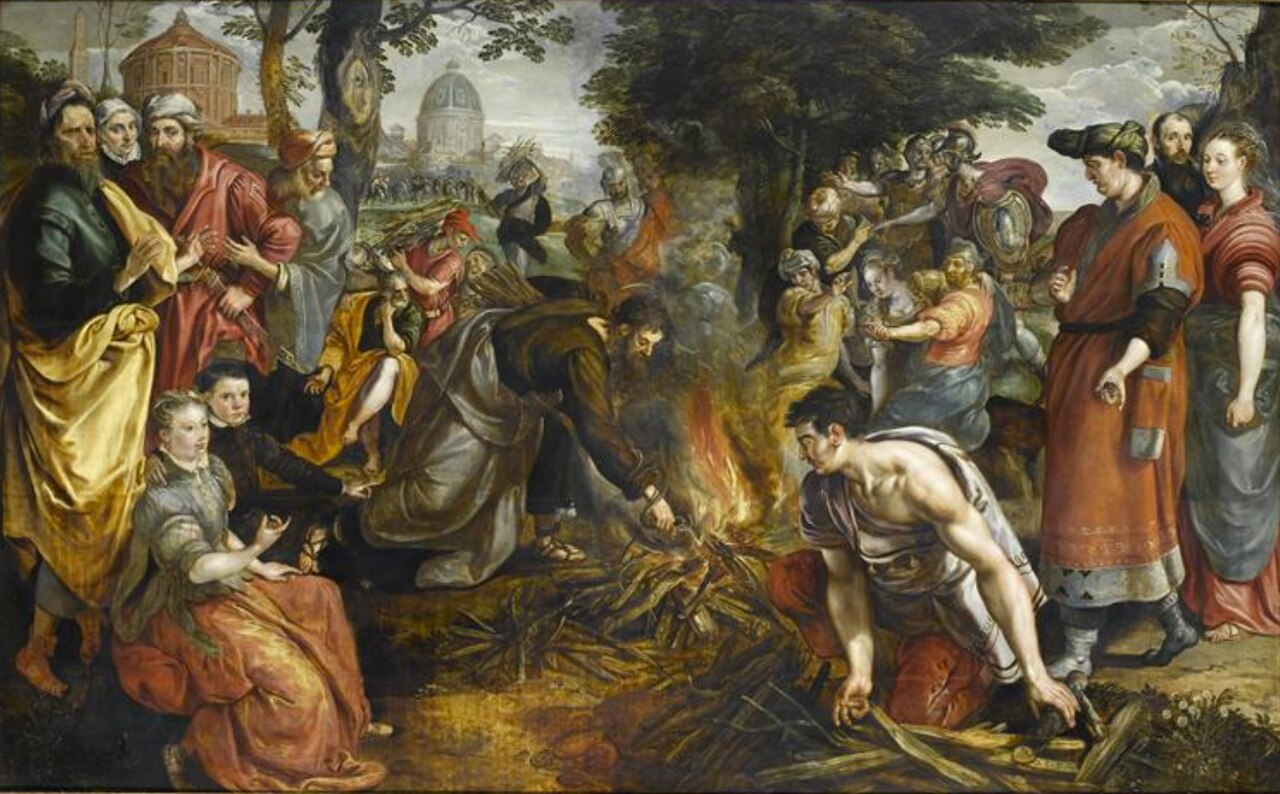
“In my name they will cast out demons” appears exactly this way when Paul encounters a slave girl possessed by a spirit of divination in Philippi: “But Paul, becoming greatly annoyed, turned and said to the spirit, ‘I command you in the name of Jesus Christ to come out of her!’ It came out that very hour.” (Acts 16:18, WEB). “They will speak with new languages” is confirmed at Pentecost (Acts 2). “They will take up serpents, and if they drink any deadly thing, it will in no way hurt them” lines up precisely with what Paul experienced on the island of Malta: “But when Paul had gathered a bundle of sticks and laid them on the fire, a viper came out because of the heat and fastened on his hand. … However he shook off the creature into the fire, and wasn’t harmed.” (Acts 28:3, 5, WEB). “They will lay hands on the sick, and they will recover” carries over into the same island, where Paul prayed for and laid hands on the father of Publius and healed him (Acts 28:8). Of the five signs, however, no directly corresponding event for “drinking poison without harm” can be found within the text of Acts itself — since this cannot be confirmed from internal biblical evidence, it is noted here just as it stands.
The Purpose of the Signs — God Himself Bearing Witness
Scripture itself defines the nature of these signs. 1 Corinthians makes clear that the Spirit’s gifts are not given to every believer in a uniform way: “But the one and the same Spirit produces all of these, distributing to each one separately as he desires.” (1 Corinthians 12:11, WEB). And Hebrews reveals what these signs were for in the first place: “This salvation, which was at the first spoken through the Lord, was confirmed to us by those who heard, God also testifying with them, both by signs and wonders, by various works of power, and by gifts of the Holy Spirit, according to his own will.” (Hebrews 2:3-4, WEB). The signs were not a tool for showcasing an evangelist’s own power, but the way God himself confirmed the gospel that was being proclaimed.

Applying It Today — Obedience Comes First, Signs Follow
It matters that we don’t miss the order of this passage. The command to “go and preach” comes first; “these signs will accompany those who believe” comes after. The signs are not a condition for obedience — they follow it. So what we are to hold onto today is not seeking signs, but beginning to obey.
The disciples received this command even though they still lacked faith after witnessing the resurrection three times. We, too, do not need to arrive at complete certainty before we are qualified to share the gospel. Sharing the gospel with one person near us today; speaking the name of Jesus Christ boldly even in unfamiliar settings; taking the step of obedience while entrusting the results and the signs to the Spirit, who distributes them according to his own will — this is the practice of the Great Commission that Mark asks of us today. God was at work in the days of Irenaeus, was at work on the ground in Acts, and is still at work today in our own obedience.

A Prayer of Commitment
Lord, just as the disciples saw the resurrection and still could not believe, I too am often faithless and hard of heart. Thank you that even after rebuking me, you still send me out to “go and preach.” Let me not use my own qualifications or readiness as an excuse, but move forward in obedience today, entrusting the results and the signs to the Spirit, who distributes them according to your will. I believe that wherever I am, you are at work. Amen.
References
- Mark 16 (KRV — Korean Revised Version, source text used for the Korean edition)
- Acts 28 (KRV — Korean Revised Version, source text used for the Korean edition)
- Hebrews 2 (KRV — Korean Revised Version, source text used for the Korean edition)
- Korean Bible Society, Copyright Guidance for Bible Translations
- Baker’s Evangelical Dictionary of Biblical Theology, “The Great Commission”
- Bible Hub, commentary compilation on Mark 16:15
- Irenaeus, Against Heresies, Book III, Chapter 10 (New Advent, English translation)
- Text & Canon Institute, “A Case for the Longer Ending of Mark”