
Memorizing a verse is not about filing a sentence away in your memory. It is about standing where that sentence stands. Galatians 2:20 is the place where Paul compresses his own story into the first person — and it is a verse we can read with our own name in it.
This article reads Galatians 2:20 as it stands, shows how to memorize it in three phrases, and opens each phrase with other passages of Scripture. The ground of the interpretation is not human opinion but the biblical text itself. The English Scripture quotations here are from the King James Version and the World English Bible, both in the public domain; each quotation is labeled.
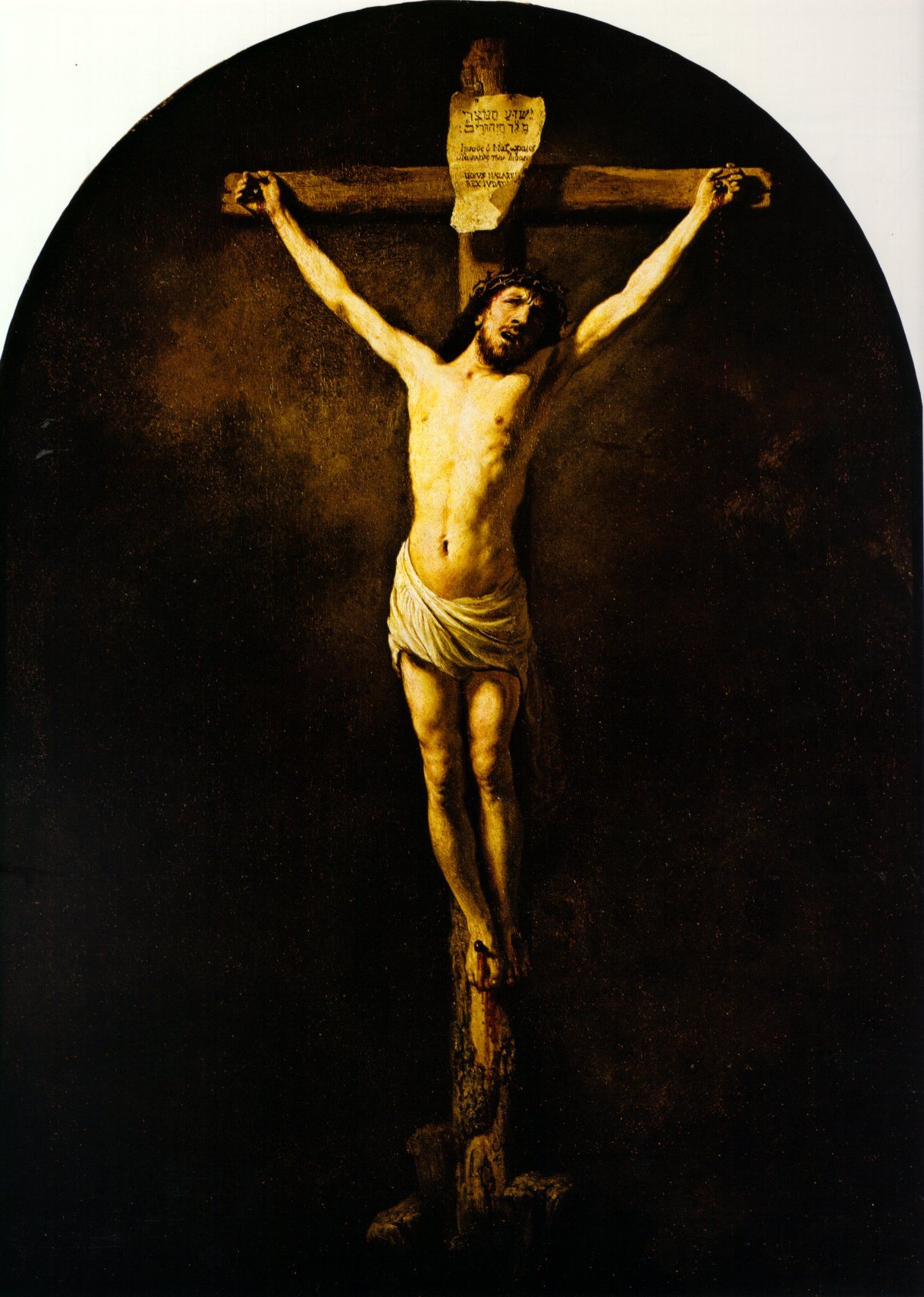
The Passage — Galatians 2:20
I am crucified with Christ: nevertheless I live; yet not I, but Christ liveth in me: and the life which I now live in the flesh I live by the faith of the Son of God, who loved me, and gave himself for me.
— Galatians 2:20, King James Version (public domain)
Read it with the verse before and the verse after, and the sense sharpens. Verse 19 says, "For I, through the law, died to the law, that I might live to God" (Galatians 2:19, WEB), and verse 21 closes, "For if righteousness is through the law, then Christ died for nothing!" (Galatians 2:21, WEB). Death is not the goal; it is the passage toward living. And verse 20 is the sentence that explains how that death happened.
Memorize One Verse in Three Phrases
The verse looks long, but broken into three phrases you can take one phrase a day. All three below are the text of Galatians 2:20 (KJV), and joined together they give you the whole verse.
- First phrase — "I am crucified with Christ:" (what happened)
- Second phrase — "nevertheless I live; yet not I, but Christ liveth in me:" (the subject that changed)
- Third phrase — "and the life which I now live in the flesh I live by the faith of the Son of God, who loved me, and gave himself for me." (life as it is now)
One grammatical detail is worth noticing. In the Greek, "crucified with" is a single word, συνεσταύρωμαι, and it is perfect tense. The word for "live" (ζάω), by contrast, appears four times in this one verse, and every one of them is present tense. English keeps the count visible: "I live / Christ liveth in me / the life which I now live / I live by the faith" — four times. One perfect against four presents: a finished event that keeps holding up the present life, and the structure is right there in the sentence.

First Phrase — "I am crucified with Christ"
What this means is something Scripture itself spells out, because the same expression turns up again in Romans: "knowing this, that our old man was crucified with him, that the body of sin might be done away with, so that we would no longer be in bondage to sin" (Romans 6:6, WEB). In Greek the two places use the same word, συσταυρόω. Of its five occurrences in the New Testament, only two are in the letters — Romans 6:6 and Galatians 2:20 — while the other three (Matthew 27:44, Mark 15:32, John 19:32) refer to the men who were literally crucified alongside Jesus. The first key to Galatians 2:20, then, is not a commentary but Romans 6.
Scripture states the purpose as well: so that we would no longer be in bondage to sin. Galatians itself returns to this crucifixion later, now from the believer’s side: "Those who belong to Christ have crucified the flesh with its passions and lusts" (Galatians 5:24, WEB). Where the two earlier verses say we were crucified with Christ, here the one doing the crucifying is the believer. And in the last chapter that same crucifixion reshapes the relation between me and the world: "through which the world has been crucified to me, and I to the world" (Galatians 6:14, WEB).
Second Phrase — "nevertheless I live; yet not I, but Christ liveth in me"
The subject has changed. Another passage states the same reality from a different angle: "For you died, and your life is hidden with Christ in God" (Colossians 3:3, WEB); "When Christ, our life, is revealed, then you will also be revealed with him in glory" (Colossians 3:4, WEB). It tells us where that life is kept now and when it will appear.
The result is compressed into a single line in Philippians: "For to me to live is Christ, and to die is gain" (Philippians 1:21, WEB). And this indwelling is not a feeling but a test of who belongs to Christ: "But if any man doesn’t have the Spirit of Christ, he is not his" (Romans 8:9, WEB); "If Christ is in you, the body is dead because of sin, but the spirit is alive because of righteousness" (Romans 8:10, WEB).

Third Phrase — "the life which I now live in the flesh … who loved me, and gave himself for me"
First, do not stumble over the words "in the flesh." Galatians 5:24, quoted above, speaks of "the flesh with its passions and lusts," and Romans 8:9 says that believers "are not in the flesh but in the Spirit" (WEB). Yet "the life which I now live in the flesh" in Galatians 2:20 does not point to that negative place, because the verse immediately calls that very life a life lived "by the faith of the Son of God." The same word carries different senses in different contexts, and here it means this present life, lived in a body.
What "gave himself" means is also something this letter explains on its own, having already announced it at the opening: "who gave himself for our sins, that he might deliver us out of this present evil age, according to the will of our God and Father" (Galatians 1:4, WEB). Chapter 3 makes the content one step more concrete: "Christ redeemed us from the curse of the law, having become a curse for us" (Galatians 3:13, WEB).
So that "who loved me" never drifts into sentiment, Scripture nails down where that love was proven: "But God commends his own love toward us, in that while we were yet sinners, Christ died for us" (Romans 5:8, WEB). And whoever receives that love is turned in a new direction: "He died for all, that those who live should no longer live to themselves, but to him who for their sakes died and rose again" (2 Corinthians 5:15, WEB).
Background That Helps You Memorize — Where This Sentence Stands
This sentence is not a quiet page from a devotional notebook. It stands at the end of a paragraph that recounts a public confrontation. Paul writes: "But when Peter came to Antioch, I resisted him to his face, because he stood condemned" (Galatians 2:11, WEB) — the same man the letter has just named in 2:7-8. He had been eating with the Gentiles, but then "he drew back and separated himself, fearing those who were of the circumcision" (Galatians 2:12, WEB), and in the fallout "even Barnabas was carried away with their hypocrisy" (Galatians 2:13, WEB).
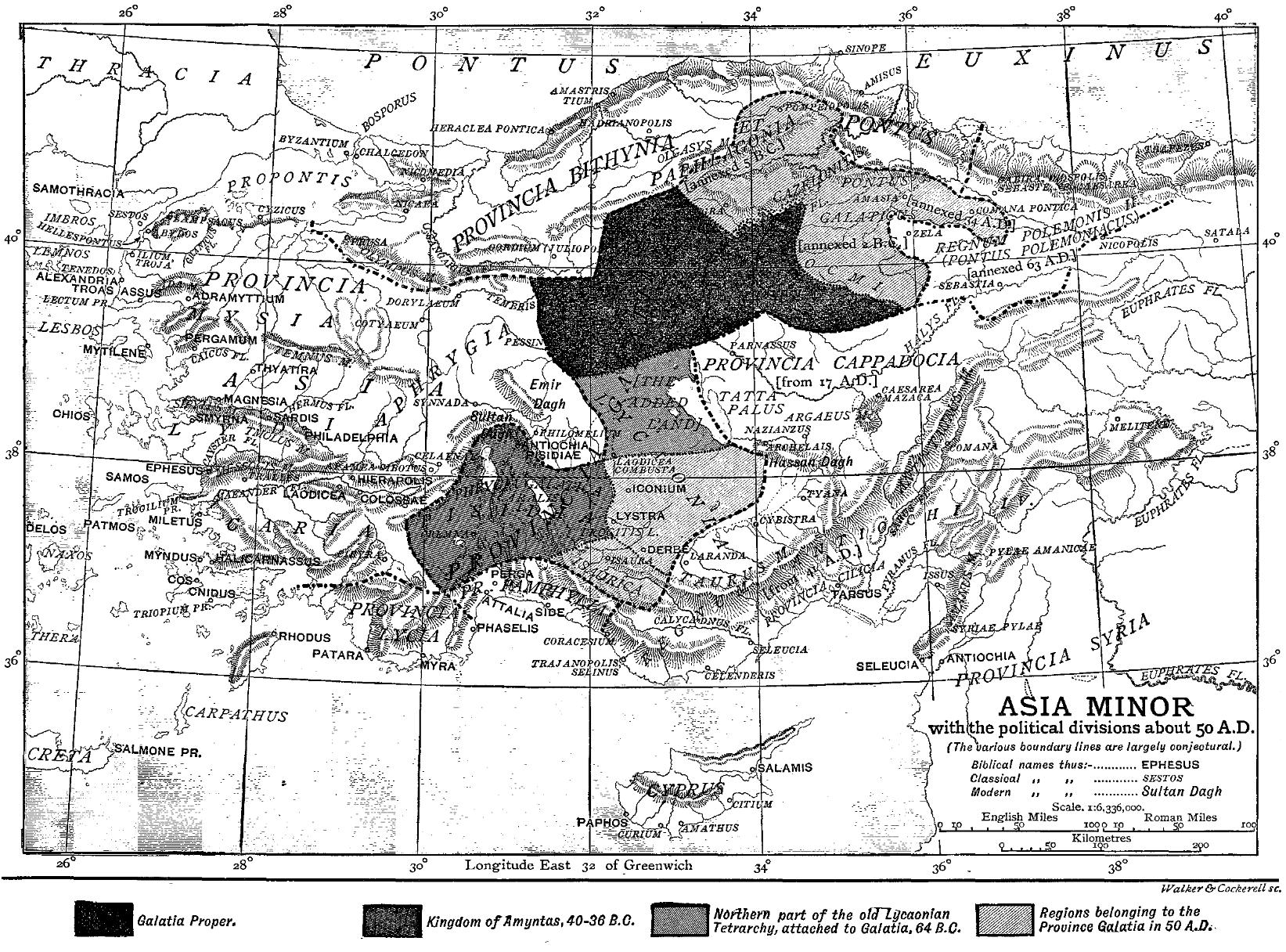
Paul’s standard was not human reputation. He says he asked his question when "I saw that they didn’t walk uprightly according to the truth of the Good News, I said to Peter before them all" (Galatians 2:14, WEB). The confrontation runs straight into an argument: "knowing that a man is not justified by the works of the law but through faith in Jesus Christ" (Galatians 2:16, WEB). And verse 20 sits at the climax of that argument.
The occasion of the letter is stated in the text as well: "I marvel that you are so quickly deserting him who called you in the grace of Christ to a different ‘good news’" (Galatians 1:6, WEB). So keep this background with you as you memorize. Galatians 2:20 is the sentence to hold on to when the gospel itself is being shaken.
A Seven-Day Memorization Plan
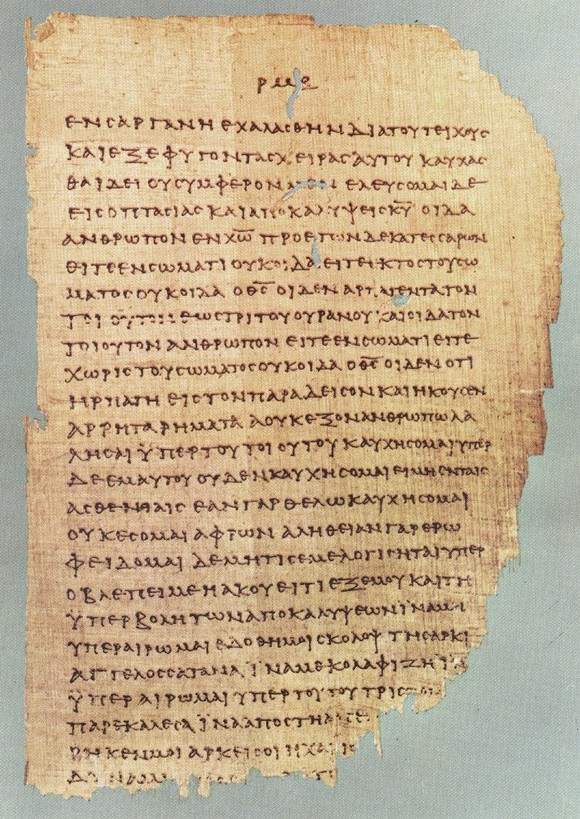
Begin by reading one verse about how Scripture is to be handled: "This book of the law shall not depart out of your mouth, but you shall meditate on it day and night, that you may observe to do according to all that is written therein" (Joshua 1:8, WEB). This verse is a command given to Joshua to keep the book of the law, not a rule prescribing how to memorize verses. Still, its three directions — keep it from departing out of your mouth, meditate on it day and night, observe to do it — are a useful guide for the plan below.
One thing to settle first. This article memorizes the verse in the King James wording. If your church reads a different translation, compare that text once before you begin, so that you are not out of step when you recite together.
- Day 1 — Say the first phrase aloud ten times, morning and evening.
- Day 2-3 — Add the second phrase and read them together, keeping Romans 6:6 open beside you.
- Day 4-6 — Build up the third and longest phrase over three days, reading Galatians 1:4 alongside it.
- Day 7 — Close your Bible, say the whole verse aloud, then check it against the full text below.
- The following month — Review the whole verse once a week.
Be clear about the purpose of memorizing, too: "I have hidden your word in my heart, that I might not sin against you" (Psalm 119:11, WEB). And Scripture pictures how the word settles among believers: "Let the word of Christ dwell in you richly; in all wisdom teaching and admonishing one another" (Colossians 3:16, WEB). The word is placed in the setting of teaching and admonishing one another. Memorize together at home or in a small group, and listen to each other recite.
The Full Verse to Check Yourself Against
I am crucified with Christ: nevertheless I live; yet not I, but Christ liveth in me: and the life which I now live in the flesh I live by the faith of the Son of God, who loved me, and gave himself for me.
— Galatians 2:20, King James Version (public domain)

Application Questions
- If "I am crucified with Christ" is something that has already happened, what habit should you count as dead today?
- Where in your day did you move as though "I" were the one living? What changes if Christ is put in that place as the subject?
- Peter drew back out of fear (Galatians 2:12). Where are you drawing back today because you fear people?
- Read "who loved me, and gave himself for me" aloud with your own name in it. Who should that love reach today?

Once you have the verse by heart, what remains is living by it. For the next verse to memorize, we suggest Romans 6:6 — the passage this article has read alongside Galatians 2:20 three times over. And read also about the Great Commission (Matthew 28:18-20) that Jesus gave his disciples, together with its memorization guide. May the lips that learned this one verse become the lips that carry that commission.
The English Scripture quotations in this article are taken from the King James Version and the World English Bible, both in the public domain, and each quotation is labeled with its translation. The Korean original of this article quotes the Korean Revised Version (Korean Bible Society, 1961), which is likewise in the public domain; translations still under copyright were not quoted directly. Those translations can be read at the Korean Bible Society’s Bible reader.
References
- Galatians 2 in the Korean Revised Version (Korean Bible Society 1961, YouVersion) — the passage as quoted in the Korean original
- Romans 6 in the Korean Revised Version — cross-reference for "our old man was crucified with him" (6:6)
- Colossians 3 in the Korean Revised Version — cross-reference for "your life is hidden with Christ in God" (3:3)
- Korean Bible Society — guide to the major Korean translations — background and translation principles of the 1961 Korean Revised Version
- Korean Bible Society copyright FAQ — the copyright status of the Korean Revised Version
- BibleHub — Galatians 2:20 in parallel translations — comparison of English versions
- BibleHub — Galatians 2:20 Greek interlinear — συνεσταύρωμαι (perfect) and the four present-tense verbs
- BibleHub — Strong's Greek 4957 (συσταυρόω) — the five New Testament occurrences of the word