
The Gospel of Matthew ends with the command the risen Jesus gave to the eleven disciples on a mountain in Galilee (Matthew 28:16-20). The church has long called this passage the Great Commission. Though it is only three verses, it holds the ground, the content, and the promise of the command in a single structure. That is why this passage is well worth hiding in every Christian’s heart as a memory verse. This article follows the structure of the three verses and gathers practical ways to memorize them along with questions for meditation.
The English Scripture quotations in this article are from the World English Bible (WEB, public domain).
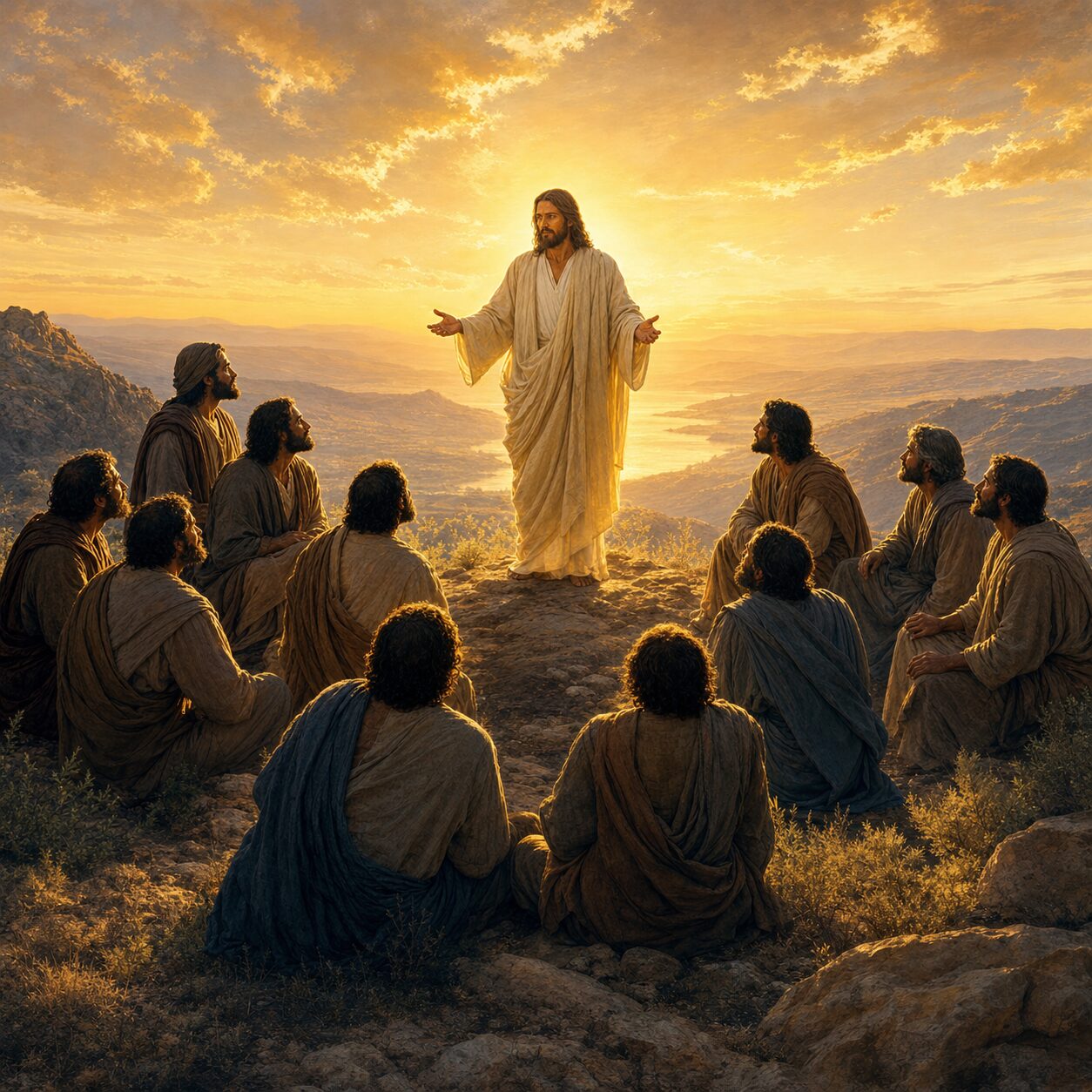
Today’s Memory Passage — Matthew 28:18-20 (WEB)
18 Jesus came to them and spoke to them, saying, All authority has been given to me in heaven and on earth.
19 Go, and make disciples of all nations, baptizing them in the name of the Father and of the Son and of the Holy Spirit,
20 teaching them to observe all things that I commanded you. Behold, I am with you always, even to the end of the age. Amen.
(Matthew 28:18-20, WEB)
The Structure of the Great Commission in Three Verses — Four Points for Meditation
1. All Authority in Heaven and on Earth — The Ground of the Command
The Great Commission begins not with the command to go but with a declaration of authority (Matthew 28:18). In a night vision, Daniel saw this authority being given: “there came with the clouds of the sky one like a son of man, and he came even to the ancient of days … There was given him dominion, and glory, and a kingdom, that all the peoples, nations, and languages should serve him” (Daniel 7:13-14, WEB).
Before the high priest, Jesus applied this word to himself: “after this you will see the Son of Man sitting at the right hand of Power, and coming on the clouds of the sky” (Matthew 26:64, WEB). Having passed through the cross and risen from the dead, the Lord now declares on the mountain in Galilee that all authority has been given to him.
In the Korean Revised Version and the King James Version, the next verse carries the connecting word therefore (Matthew 28:19). The mission of making disciples is not an adventure we undertake in our own strength, but obedience to the command of the King who has received all authority. The authority of the One who commands comes before the weight of the command.
2. Make Disciples of All Nations — The Central Verb of the Command
In the Greek text of Matthew 28:19-20, the command has one imperative verb, and the other three actions are participles attached to it.
- “make disciples” (Matthew 28:19, WEB) — μαθητεύσατε, imperative. This is the heart of the sentence.
- “Go” (Matthew 28:19, WEB) — πορευθέντες, participle
- “baptizing them” (Matthew 28:19, WEB) — βαπτίζοντες, participle
- “teaching them” (Matthew 28:20, WEB) — διδάσκοντες, participle
Yet this does not make going optional. To make disciples, we have to go where people are, and the work has to continue through baptizing and teaching. All three actions aim at one goal: raising up disciples of Jesus.
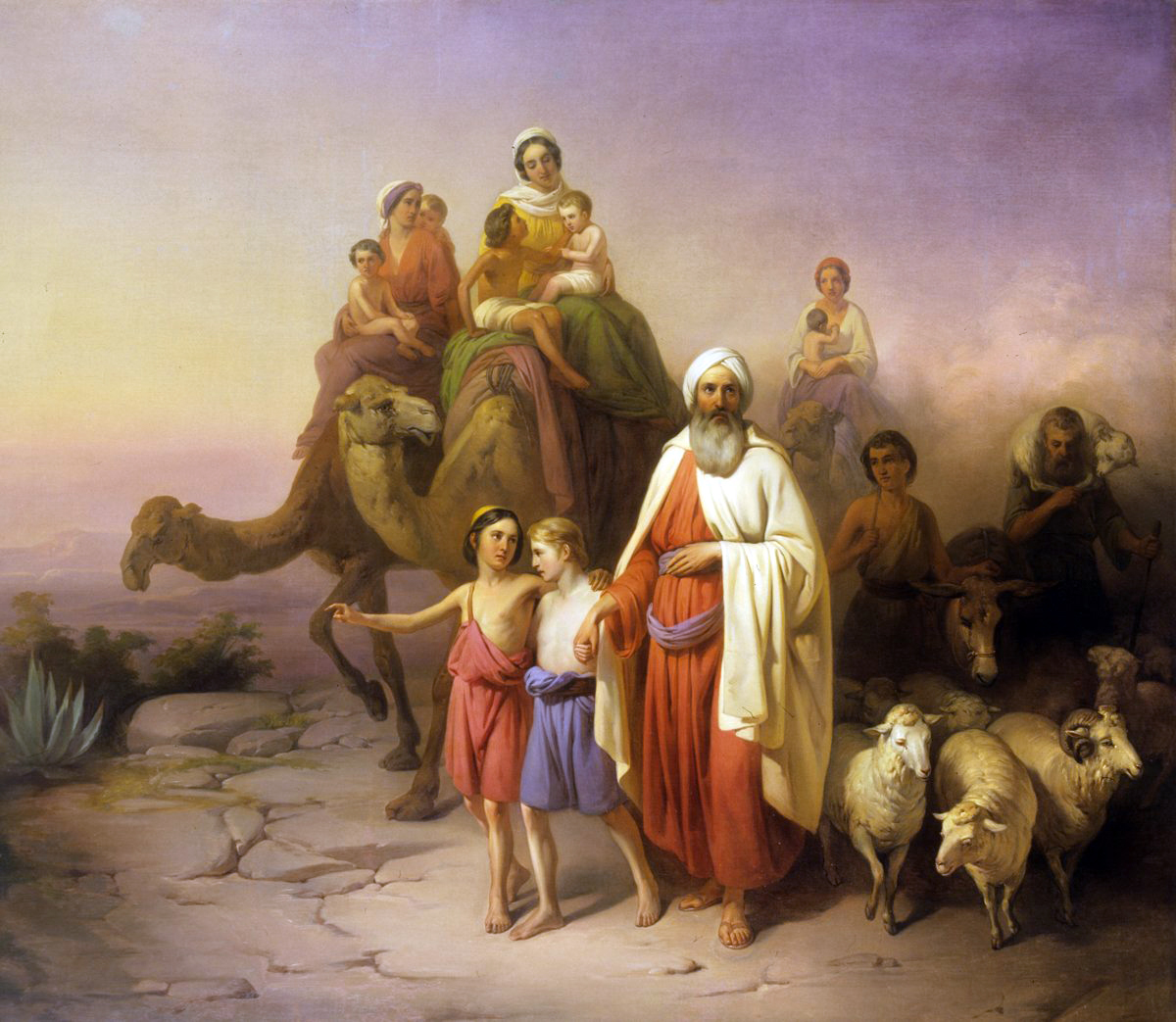
The scope of the command is all nations (Matthew 28:19). This recalls the promise God gave when he called Abraham: “All of the families of the earth will be blessed in you” (Genesis 12:3, WEB). The blessing promised to all the families of the earth in Genesis continues in the last chapter of Matthew as the command to “make disciples of all nations” (Matthew 28:19, WEB). The plan God held from the beginning is now entrusted to the steps of his disciples.
3. Baptizing and Teaching Them to Observe — The Two Hands of Making Disciples
Making disciples takes two hands. The first is baptism. Jesus commanded his disciples to baptize “in the name of the Father and of the Son and of the Holy Spirit” (Matthew 28:19, WEB). Baptism publicly marks that a person now belongs to the Father, the Son, and the Holy Spirit. Paul explains its meaning: “We were buried therefore with him through baptism to death … so we also might walk in newness of life” (Romans 6:4, WEB). Baptism is the starting point where the old life is buried and a walk in newness of life begins.
The second is teaching. Jesus did not tell them merely to inform people; he spoke of “teaching them to observe” (Matthew 28:20, WEB). The aim of discipleship does not stop at passing on knowledge; it leads on to obedience. Jesus said, “If you love me, keep my commandments” (John 14:15, WEB). Everything Jesus commanded is what we learn, and keeping his word out of love is the way of a disciple. There is no graduation on this road. Those who teach also keep learning and obeying for a lifetime.
4. With You Always, to the End of the Age — The Promise That Surrounds the Command
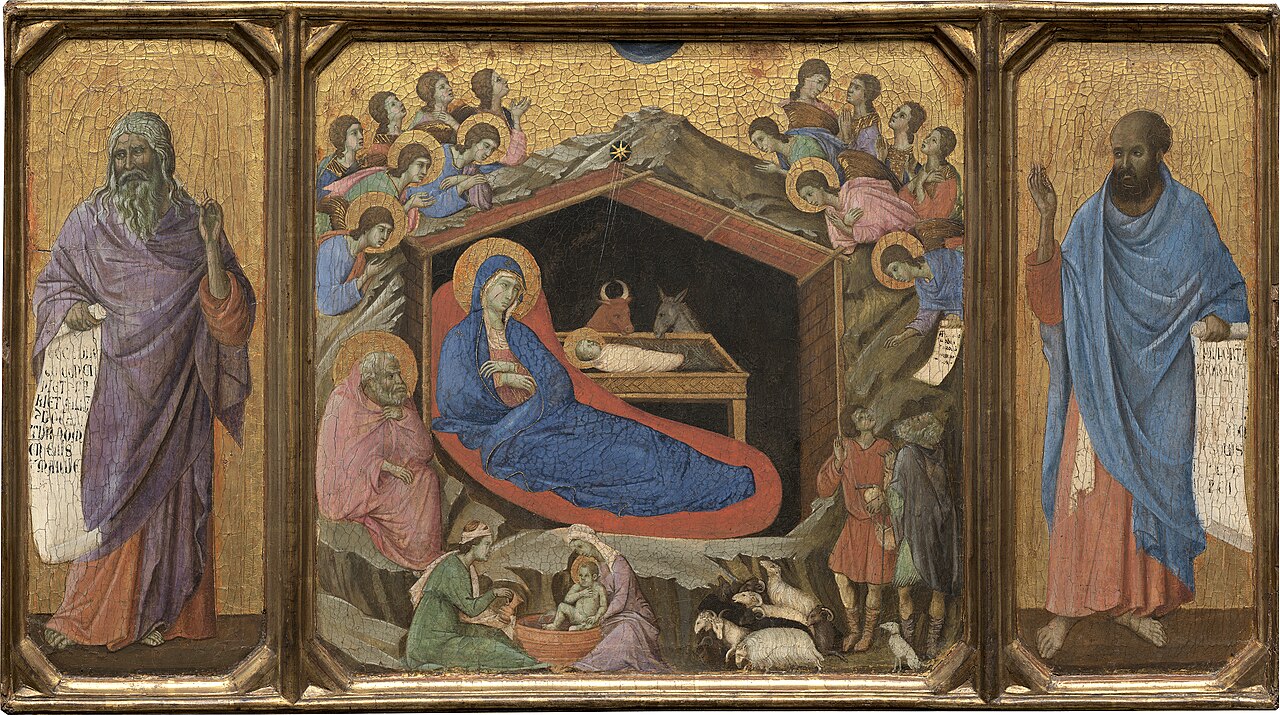
The Gospel of Matthew is wrapped from beginning to end in one promise. In the first chapter, Jesus is introduced as Immanuel, “which is, being interpreted, God with us” (Matthew 1:23, WEB). And in the last verse Jesus promises, “Behold, I am with you always, even to the end of the age” (Matthew 28:20, WEB). The One who came as God with us promised the disciples going out into the world that he would be with them to the very end. The Great Commission is not a sending in which we go out alone, but a journey with the Lord who is present with us. Whenever the command feels heavy, we need to hold on to this final sentence.
Background — The Meeting on a Mountain in Galilee
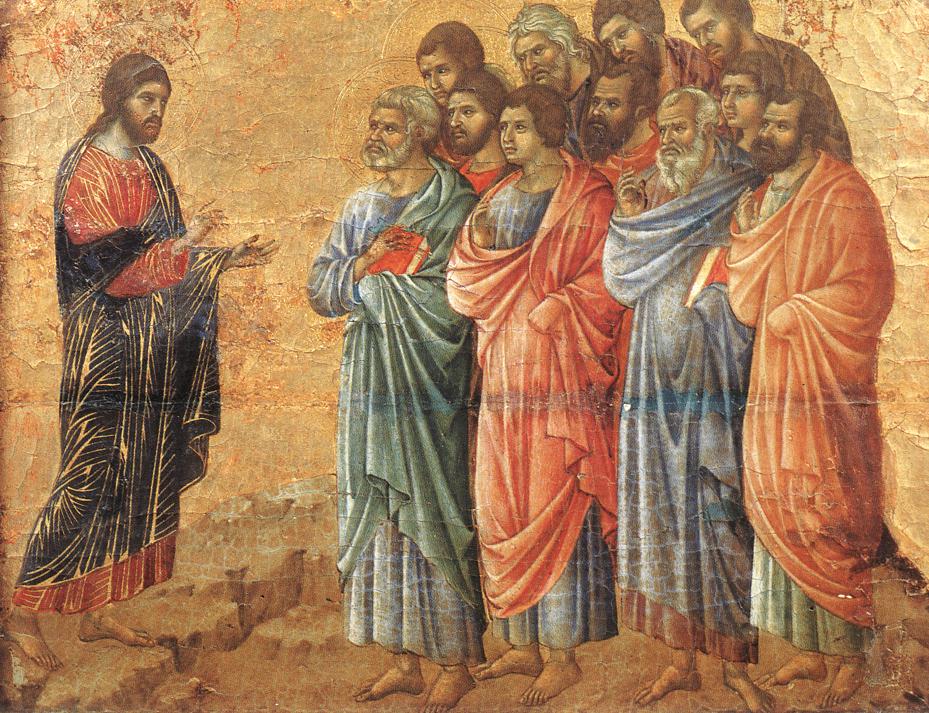
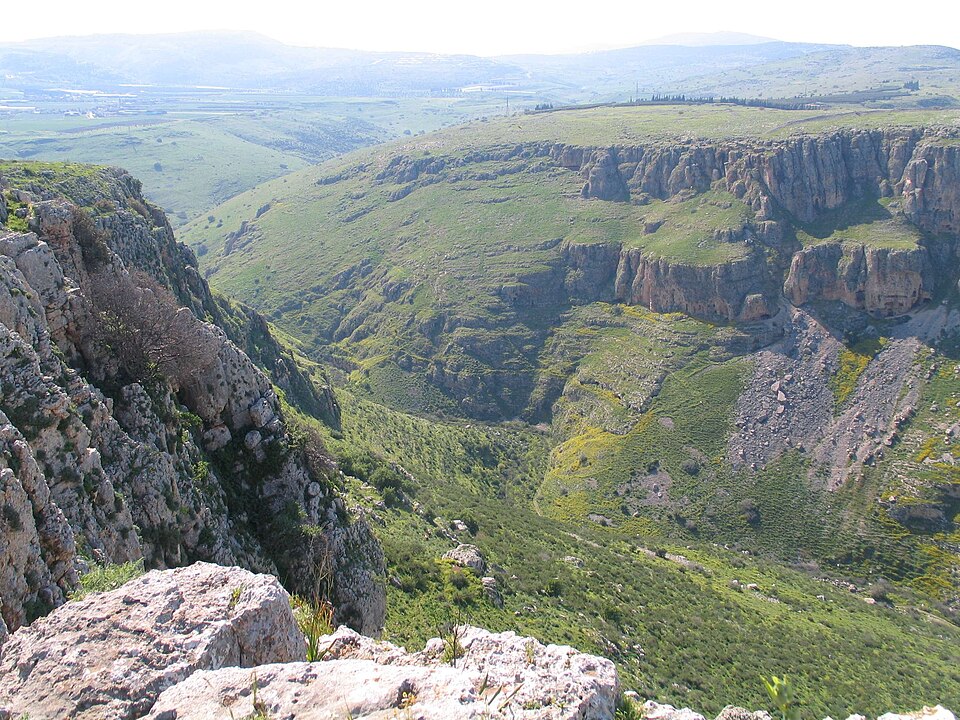
Before his suffering, Jesus had already said, “But after I am raised up, I will go before you into Galilee” (Matthew 26:32, WEB). After he rose, he met the women returning from the tomb and told them to “tell my brothers that they should go into Galilee, and there they will see me” (Matthew 28:10, WEB). The eleven disciples went “into Galilee, to the mountain where Jesus had sent them” (Matthew 28:16, WEB) and saw the risen Lord. Scripture does not name the mountain.
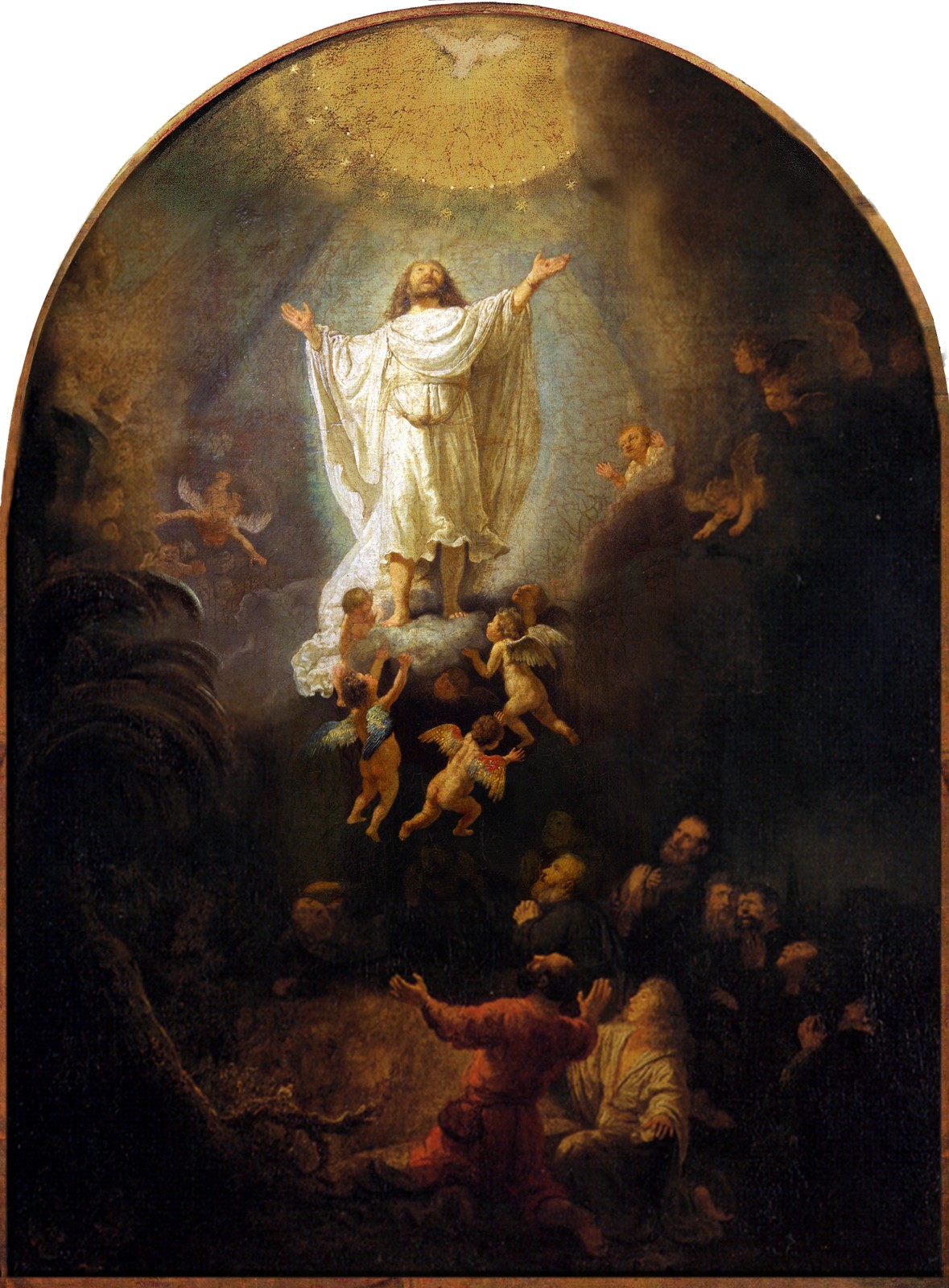
Scripture honestly records, “When they saw him, they bowed down to him, but some doubted” (Matthew 28:17, WEB). The Great Commission was given not to people of flawless faith, but to ordinary disciples in whom worship and doubt were mixed. And through those disciples the gospel really did spread toward the ends of the earth. The book of Acts shows its beginning with the words Jesus spoke just before he was taken up into heaven: “But you will receive power when the Holy Spirit has come upon you. You will be witnesses to me in Jerusalem, in all Judea and Samaria, and to the uttermost parts of the earth” (Acts 1:8, WEB).
Why Memorize These Three Verses?
First, this passage shows what the church and every Christian are called for. The answer to why we gather, why we learn, and why we scatter is found in these three verses. When our sense of mission grows dim, the Great Commission hidden in our hearts sets our direction again.
Second, this is a word we can call to mind right away wherever we share the gospel. When someone asks why we share it, and when we ourselves feel like giving up, this memorized passage gives us clear ground to stand on.
Third, this passage holds a promise together with the command. If we engrave in our hearts these two pillars, all authority and his presence with us always, we can carry out the mission not as a burden but in the confidence of walking with him.
How to Memorize It — In Three Parts
- Part one — Authority (Matthew 28:18): “All authority has been given to me in heaven and on earth” (Matthew 28:18, WEB). Hold on first to the ground of the command.
- Part two — Mission (Matthew 28:19): In the Korean and King James versions, this verse is tied to the authority of the previous verse by the word therefore. Count the actions on your fingers as you memorize them: Go, make disciples of all nations, baptizing them. Learn along with them that baptism is in the name of the Father and of the Son and of the Holy Spirit.
- Part three — Teaching and Promise (Matthew 28:20): Divide the verse into the first half, teaching them to observe, and the second half, Behold, I am with you always, and finish by holding command and promise together as a pair.
If you use the three words authority — mission — promise as a framework, the structure comes into view at a glance. Add one verse a day, and each time say the reference (Matthew 28:18-20) at the beginning and the end. Remembering the words together with their place makes it easy to open your Bible and check them again when you need them.
Meditation Questions for Application
- Do I know the Great Commission only as a church slogan, or have I received it as the mission of my own life?
- Who am I helping right now to grow as a disciple of Jesus? If there is no one yet, with whom could I begin?
- How do I remember each day that through baptism I came to belong to the Father, the Son, and the Holy Spirit?
- Before the words “teaching them to observe” (Matthew 28:20, WEB), how am I narrowing the gap between what I know and what I obey?
- How does the promise “I am with you always, even to the end of the age” (Matthew 28:20, WEB) reshape my fear and hesitation?
A Prayer Leaning on His Presence
Lord, thank you that you, who hold all authority in heaven and on earth, have called me as your disciple and sent me into the world. Help me not to stop at knowing your word but to keep it, and use me to help one person near me grow as your disciple. Whenever I am afraid or hesitant, help me hold on to your promise to be with us always, to the end of the age. In Jesus’ name I pray. Amen.
Scripture Videos
The two videos below are short English videos made in 2024. Their wording may differ from the WEB text quoted above, so use the text in this article for memorization.
References
- Korean Revised Version, Matthew 28 (YouVersion, Korean Bible Society 1961) (in Korean)
- Korean Revised Version, Matthew 26 (YouVersion) (in Korean)
- Korean Revised Version, Daniel 7 (YouVersion) (in Korean)
- Korean Revised Version, Genesis 12 (YouVersion) (in Korean)
- Korean Revised Version, Romans 6 (YouVersion) (in Korean)
- Korean Revised Version, Acts 1 (YouVersion) (in Korean)
- BibleHub — Matthew 28:19 Greek Interlinear
- BibleHub — Matthew 28:20 Greek Interlinear