
When we hear of the Great Commission, we first think of Matthew 28:18-20. That passage is the central text of the Great Commission. Yet the words with which the risen Lord sends his disciples into the world are also recorded in the post-resurrection scenes of Mark, Luke, and John, and at the opening of Acts. These four texts are not separate commands standing alongside Matthew. They are cross-references that each shed light, from a different angle, on what Matthew 28:18-20 reveals: the authority of Jesus, his three commands (making disciples of all nations, baptizing them in the name of the Father and of the Son and of the Holy Spirit, and teaching them to observe all that he commanded), and his promise to be with us to the end of the age. This article first examines the text of Matthew, then reads the other four texts in turn to see which part of that command and promise each one illuminates.

1. The Central Text — Matthew 28:18-20
Unless marked otherwise, the English Scripture quotations in this article are from the World English Bible (WEB, public domain).
18 Jesus came to them and spoke to them, saying, All authority has been given to me in heaven and on earth.
19 Go, and make disciples of all nations, baptizing them in the name of the Father and of the Son and of the Holy Spirit,
20 teaching them to observe all things that I commanded you. Behold, I am with you always, even to the end of the age. Amen.
(Matthew 28:18-20, WEB)
This command was given on a mountain in Galilee. The disciples went “to the mountain where Jesus had sent them” (Matthew 28:16, WEB), and Matthew records that even there “they bowed down to him, but some doubted” (Matthew 28:17, WEB). To that group, still mixed with doubt, Jesus “came to them” (Matthew 28:18, WEB) and spoke. The Great Commission was not entrusted to perfect people; it was entrusted to weak disciples who were worshiping their Lord.
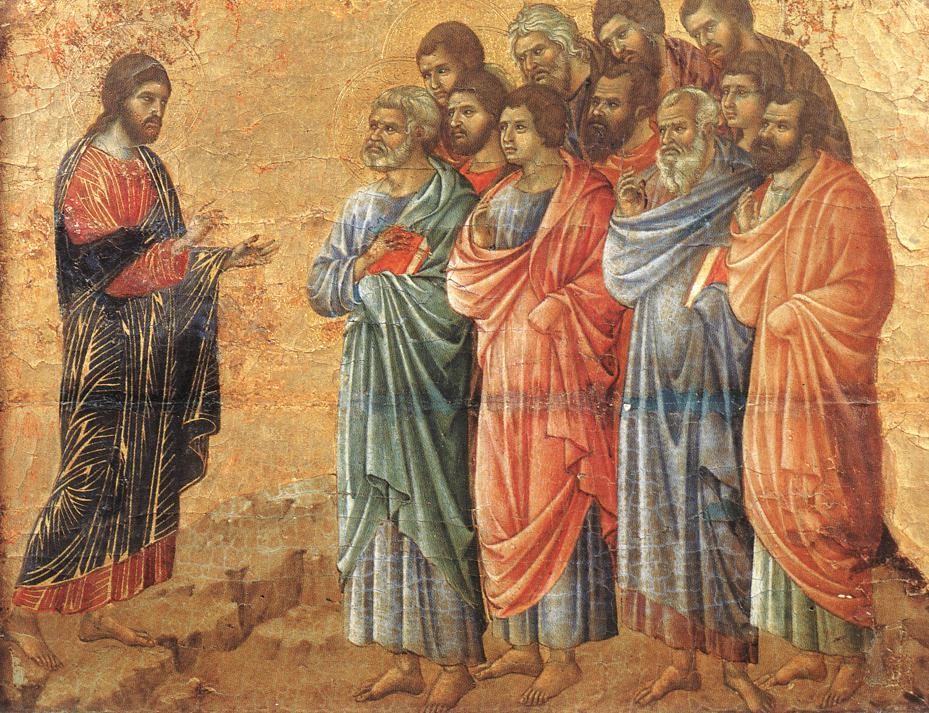
The ground of the command is authority. “All authority has been given to me in heaven and on earth” (Matthew 28:18, WEB) recalls the authority of the Son of Man that Daniel saw beforehand: “There was given him dominion, and glory, and a kingdom, that all the peoples, nations, and languages should serve him” (Daniel 7:14, WEB). That is why the next verse begins, in the King James wording, “Go ye therefore” (Matthew 28:19, KJV). Going to all nations is not a plan born of our zeal; it is a command that flows from the authority of the one who is Lord of all nations.
The center of the command is making disciples. In the Greek text of Matthew 28:19-20 there is only one imperative verb: matheteusate, rendered “make disciples” (Matthew 28:19, WEB). ‘Go,’ ‘baptizing,’ and ‘teaching’ are all participles that surround that center. Disciples are made along two paths: baptism and teaching.
- Baptism — Baptism is given “in the name of the Father and of the Son and of the Holy Spirit” (Matthew 28:19, WEB). In the Greek text, ‘name’ is singular (onoma). Baptism is the first act of obedience by which a person shows, before the community, that they now belong to the one God: the Father, the Son, and the Holy Spirit.
- Teaching them to observe — The goal of the command “teaching them to observe all things that I commanded you” (Matthew 28:20, WEB) is not the transfer of information but obedience. Making disciples means walking together not only until the word is known but until it is kept.
And the command is wrapped in a promise: “Behold, I am with you always, even to the end of the age” (Matthew 28:20, WEB). Matthew’s Gospel begins with Immanuel, meaning “God with us” (Matthew 1:23, WEB), and ends with this promise. The Great Commission is not a sending out into isolation but a mission carried out in his company. Baptism, teaching them to observe, and his abiding presence are each explored in more depth elsewhere on this site — the meaning of baptism in Matthew 28:19, teaching them to obey in Matthew 28:20, and Jesus always with us in Matthew 28:20.
Now, holding on to this center, let us read the other four texts. Each one shines a brighter light on one part of Matthew’s command and promise.
2. Mark 16:15-16 — The Breadth of ‘All Nations’ and the Gospel to Proclaim
15 He said to them, Go into all the world, and preach the Good News to the whole creation.
16 He who believes and is baptized will be saved; but he who disbelieves will be condemned.
(Mark 16:15-16, WEB)
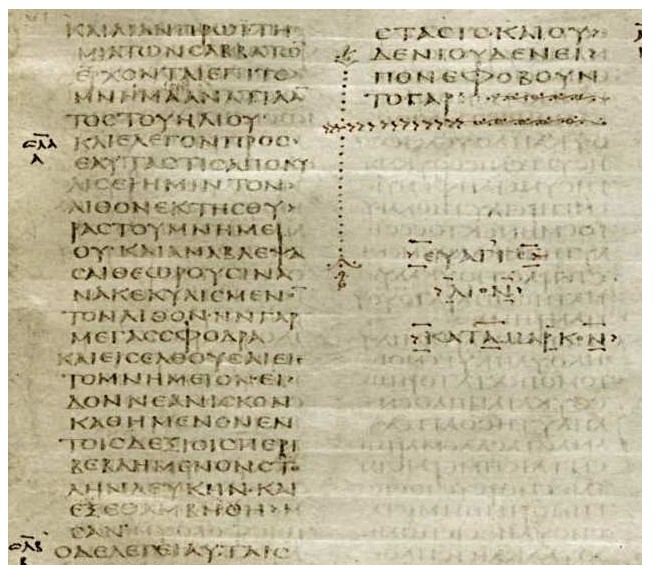
First, there is something we should state honestly about this text. Some of the oldest Greek manuscripts, such as the 4th-century Codex Sinaiticus and Codex Vaticanus, do not contain Mark 16:9-20, and the Korean Revised Version (KRV) also marks this section with square brackets. So the right way to read the teaching of this passage is to check it against the same content in the other Gospels and Acts. The manuscript question is treated in more detail in our article on Mark 16:15-18.
Read that way, the two emphases of Mark 16:15-16 meet Matthew exactly. The first is breadth. “Go into all the world, and preach the Good News to the whole creation” (Mark 16:15, WEB) points to the same scope as Matthew’s “make disciples of all nations” (Matthew 28:19, WEB). There is no land and no person the gospel does not need to reach. The second is the link between faith and baptism. “He who believes and is baptized will be saved” (Mark 16:16, WEB) shows faith in the gospel being expressed in baptism, just as Matthew binds making disciples and baptizing together. And the fact that salvation and condemnation are divided by faith and unbelief tells us why this mission cannot be postponed.
3. Luke 24:46-49 — What We Teach and Proclaim
46 He said to them, Thus it is written, and thus it was necessary for the Christ to suffer and to rise from the dead the third day,
47 and that repentance and remission of sins should be preached in his name to all the nations, beginning at Jerusalem.
48 You are witnesses of these things.
49 Behold, I send forth the promise of my Father on you. But wait in the city of Jerusalem until you are clothed with power from on high.
(Luke 24:46-49, WEB)
When Matthew says “teaching them to observe” (Matthew 28:20, WEB), what should stand at the center of that teaching? Luke gives the answer. The Lord first “opened their minds, that they might understand the Scriptures” (Luke 24:45, WEB), and then said that it was written that the Christ would suffer and rise and that “repentance and remission of sins should be preached in his name to all the nations, beginning at Jerusalem” (Luke 24:47, WEB). The teaching that makes disciples starts not from our own ideas but from the death and resurrection of Christ written in Scripture.
This message also connects with Matthew’s command to baptize. At Pentecost Peter cried out: “Repent, and be baptized, every one of you, in the name of Jesus Christ for the forgiveness of sins, and you will receive the gift of the Holy Spirit” (Acts 2:38, WEB). When the news of repentance and forgiveness foretold in Luke 24 was actually proclaimed, it led to baptism.
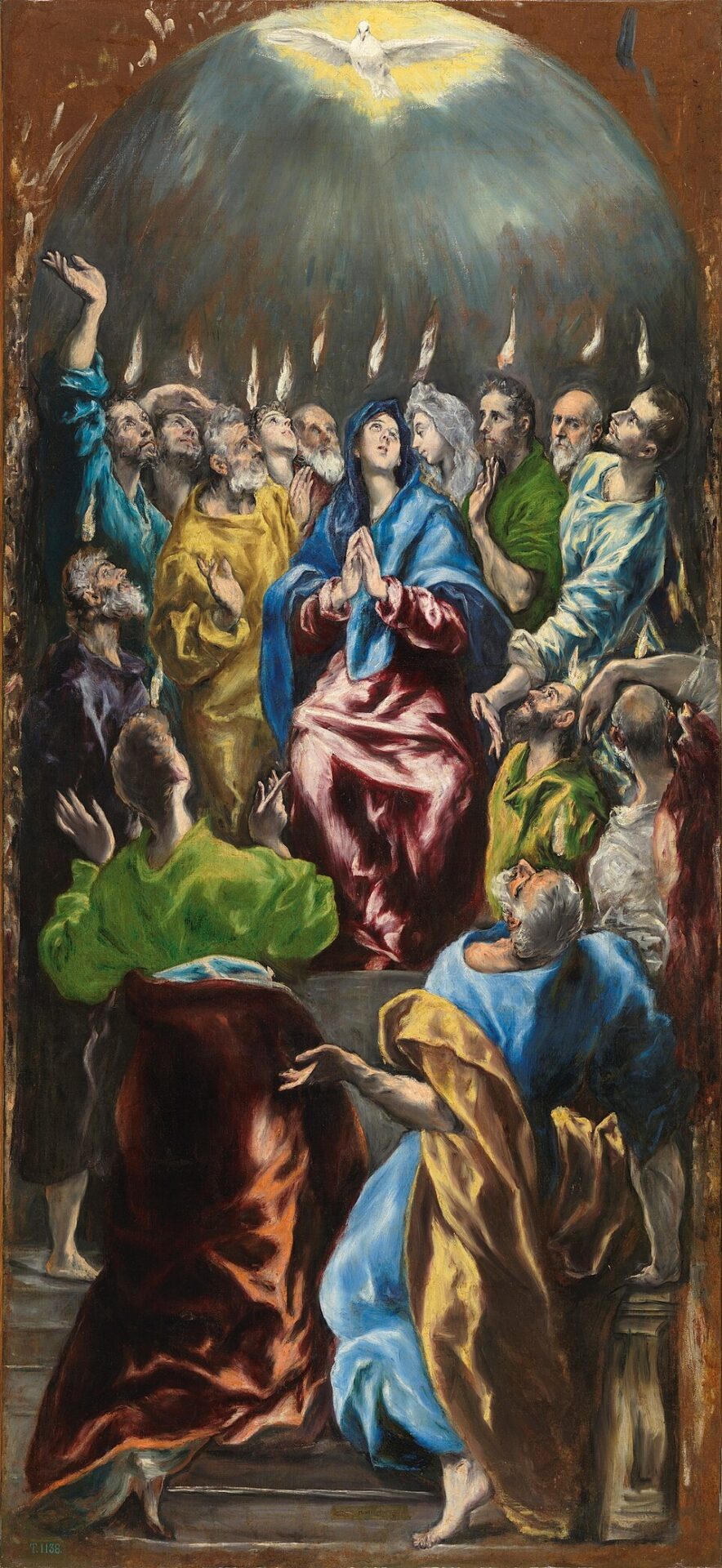
Luke also records a command to wait. The disciples heard, “You are witnesses of these things” (Luke 24:48, WEB), yet instead of leaving at once they also received the word, “wait in the city of Jerusalem until you are clothed with power from on high” (Luke 24:49, WEB). The ‘go’ of Matthew cannot be carried out by zeal alone; it is a journey carried out in the power of the promised Holy Spirit.
4. John 20:21-23 — How We Go: As the Father Sent Me
21 Jesus therefore said to them again, Peace be to you. As the Father has sent me, even so I send you.
22 When he had said this, he breathed on them, and said to them, Receive the Holy Spirit!
23 Whoever’s sins you forgive, they are forgiven them. Whoever’s sins you retain, they have been retained.
(John 20:21-23, WEB)
Matthew says ‘go,’ and John shows how we are to go: “As the Father has sent me, even so I send you” (John 20:21, WEB). This word echoes the prayer Jesus prayed on the night before the cross: “As you sent me into the world, even so I have sent them into the world” (John 17:18, WEB). The way the Son came among people and accomplished his mission through obedience is the pattern for the way his disciples are sent.
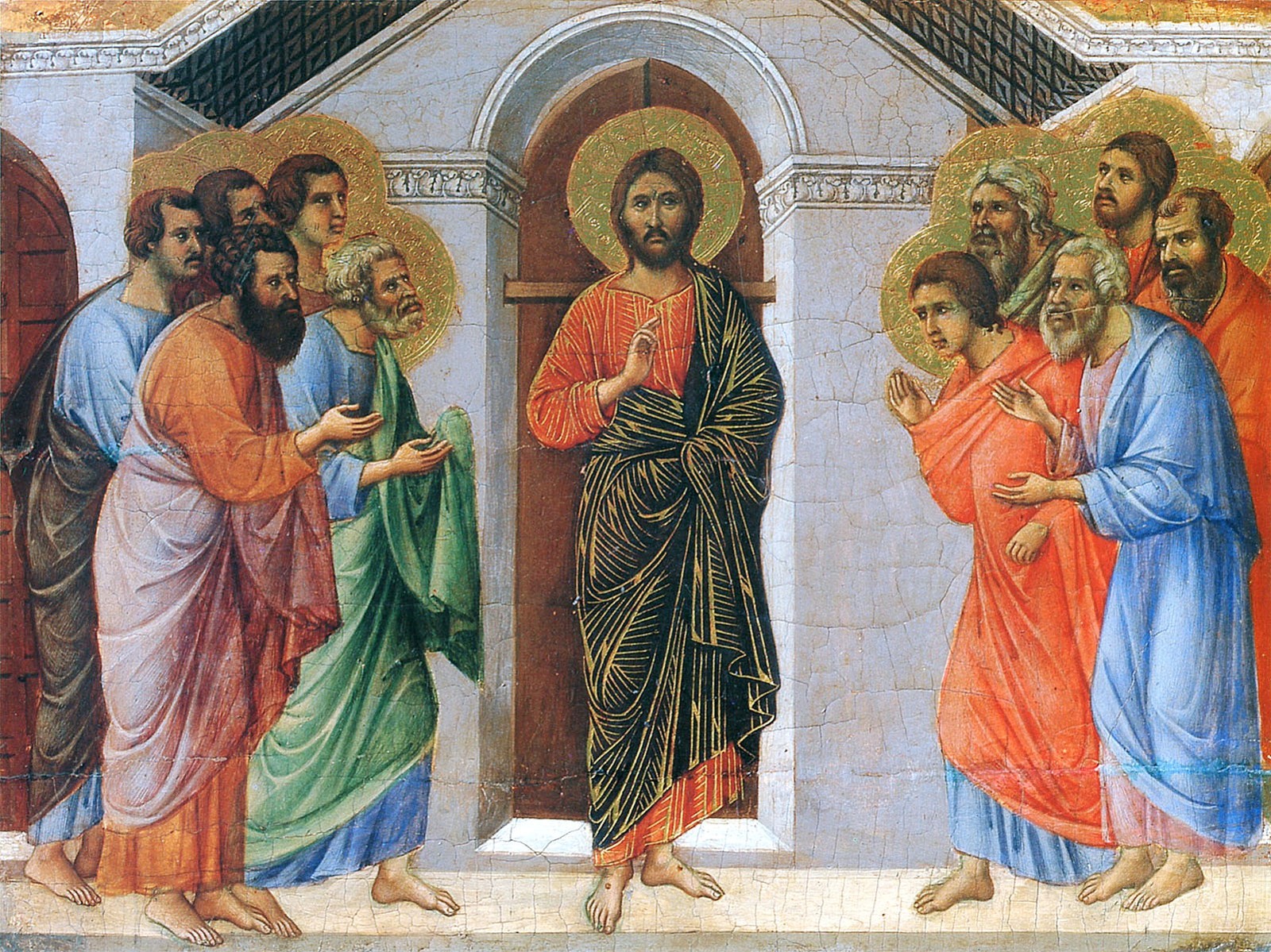
This sending begins in a place of fear. The disciples had locked the doors “for fear of the Jews” (John 20:19, WEB), and Jesus stood in their midst and first declared peace (John 20:19). Then he breathed on them and said, “Receive the Holy Spirit!” (John 20:22, WEB). This scene recalls the creation scene in which God “breathed into his nostrils the breath of life; and man became a living soul” (Genesis 2:7, WEB). The disciples who are sent are new people who live not by their own strength but by the Spirit. The forgiveness of sins in John 20:23 points to the same heart of the gospel as the repentance and forgiveness of sins in Luke 24:47.
5. Acts 1:8 — The Promised Power and the Road to the Ends of the Earth
8 But you will receive power when the Holy Spirit has come upon you. You will be witnesses to me in Jerusalem, in all Judea and Samaria, and to the uttermost parts of the earth.
(Acts 1:8, WEB)
Acts 1:8 shows the road along which the command “make disciples of all nations” (Matthew 28:19, WEB) is carried out: from Jerusalem to all Judea and Samaria, and to the uttermost parts of the earth. When the Lord had finished speaking, “as they were looking, he was taken up, and a cloud received him out of their sight” (Acts 1:9, WEB).
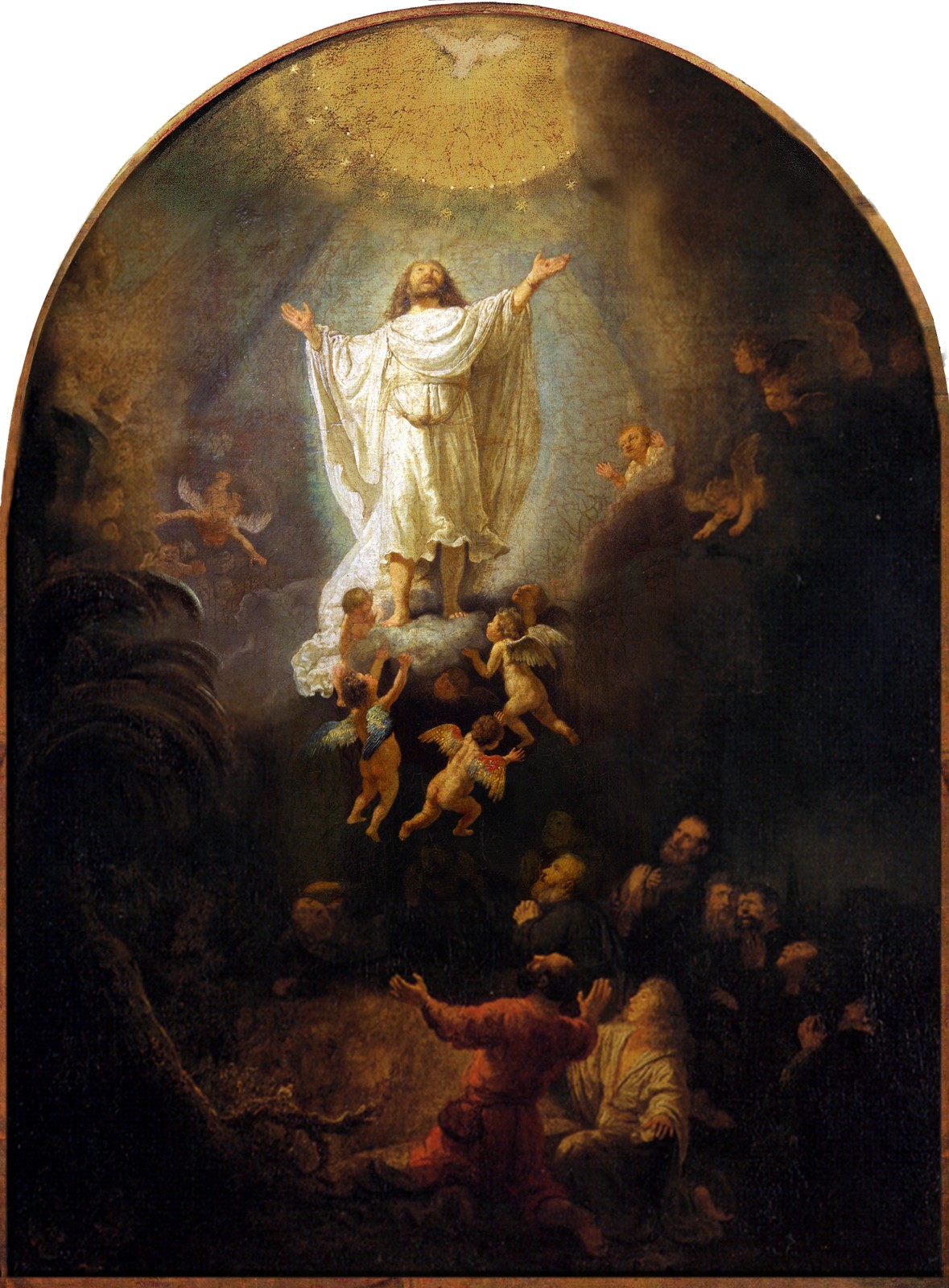
How can the Lord, who departed out of sight, be “with you always, even to the end of the age” (Matthew 28:20, WEB)? Jesus had already promised: “I will not leave you orphans. I will come to you” (John 14:18, WEB). The power of the Spirit in Acts 1:8 is the fulfillment of the word “I send forth the promise of my Father on you” (Luke 24:49, WEB), and it is the way the presence promised in Matthew 28:20 becomes real in the disciples’ mission.
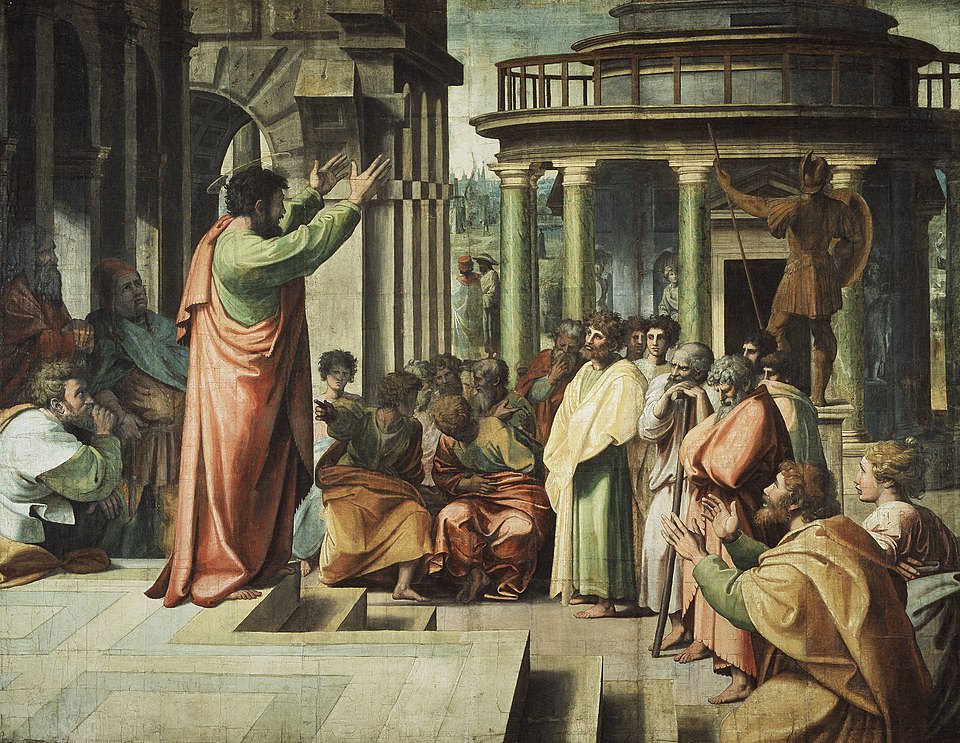
The word ‘witness’ also carries weight. Paul confessed, “When the blood of Stephen, your witness, was shed” (Acts 22:20, WEB), calling the martyred Stephen the Lord’s witness.
The KJV renders the same Greek word (martys) in this verse as ‘martyr,’ and the word later came to mean ‘martyr.’ A witness is someone who tells what they have seen and, if necessary, stakes their whole life on that testimony.
Acts records how this mission actually began. After the sermon at Pentecost, “Then those who gladly received his word were baptized. There were added that day about three thousand souls. They continued steadfastly in the apostles’ teaching and fellowship, in the breaking of bread, and prayer” (Acts 2:41-42, WEB). Disciples were added, they were baptized, and they lived together under the apostles’ teaching — a scene in which the three commands of Matthew 28:19-20 were obeyed just as given.
Reading the Five Texts Over Matthew 28:18-20
When the four texts are laid over Matthew’s command and promise, the full outline of the Great Commission comes into focus.
- Authority — All authority in heaven and on earth belongs to Christ (Matthew 28:18; Daniel 7:14).
- Go — It is a sending like the Father’s sending of the Son (John 20:21), and a road that runs from Jerusalem to the ends of the earth (Acts 1:8).
- Make disciples of all nations — All the world, the whole creation, all the nations are its scope (Mark 16:15; Luke 24:47).
- Baptizing them in the name of the Father and of the Son and of the Holy Spirit — Faith in the gospel is expressed in baptism (Mark 16:16; Acts 2:38; Acts 2:41).
- Teaching them to observe all that he commanded — At the center of the teaching are the suffering and resurrection of Christ, repentance, and forgiveness of sins (Luke 24:46-47), and those who learn hold fast to that teaching and live it out together (Acts 2:42).
- With you always, to the end of the age — The Lord sends the Spirit and clothes his people with power from on high (Luke 24:49; John 20:22; Acts 1:8).
The way this command is rooted in the covenant with Abraham (Genesis 12:3) and completed in the great multitude from every nation (Revelation 7:9) — the flow of the whole Bible — can be read further in Jesus’ Great Commission — From the Abrahamic Covenant to Revelation.
Application — Obeying the Command of Matthew 28 This Week
- Making disciples: The road of Acts 1:8 begins in Jerusalem, the place closest to you. Write down the name of one person you will read the Bible and pray with this month, and reach out to them first this week.
- Baptism: If you believe in Jesus but have not yet been baptized, talk with your church community about baptism. If you have been baptized, remember the baptism you received in the name of the Father and of the Son and of the Holy Spirit, and walk alongside new believers so that they are led into baptism and into the church community.
- Teaching them to observe: Choose one thing to keep from the Scripture you read this week, put it into practice, and share the result with the person you read the Bible with. Teaching is complete when knowing leads to keeping.
- Asking for power: As in Luke 24:49, ask first for the help of the Holy Spirit before you begin anything. This mission is carried out not by zeal but by the power he promised.
A Prayer Leaning on His Presence
Lord, to whom all authority in heaven and on earth belongs, thank you for coming near even to us, mixed as we are with doubt and fear, and entrusting us with your mission. Wherever we go, help us to raise up one person as a disciple, to help them be baptized in the name of the Father and of the Son and of the Holy Spirit, and to learn and keep together what you have commanded. Let us walk not by our own zeal but by the power of the Holy Spirit from on high, and let us take the first step today, holding on to your promise to be with us always, to the end of the age. We pray in the name of Jesus. Amen.
References
- Korean Revised Version (KRV), Matthew 28 — bible.com
- Korean Revised Version (KRV), Mark 16 — bible.com (Mark 16:9-20 in square brackets)
- Korean Revised Version (KRV), Luke 24 — bible.com
- Korean Revised Version (KRV), John 20 — bible.com
- Korean Revised Version (KRV), Acts 1 — bible.com
- Text & Canon Institute — A Case for the Longer Ending of Mark (manuscripts that end at Mark 16:8)
- BibleHub Interlinear — Matthew 28:19 (imperative μαθητεύσατε, singular ὄνομα)
- BibleHub Greek 3144 — μάρτυς (witness, martyr)