


After his resurrection, just before he was taken up into heaven, Jesus left his disciples a final word. It was not a grand lecture in theology or a blueprint for church organization. It was a promise and a mission: ye shall receive power … ye shall be witnesses unto me both in Jerusalem, and in all Judaea, and in Samaria, and unto the uttermost part of the earth
(Acts 1:8, KJV). This one verse holds together the power of the Holy Spirit, the call to be witnesses, and the road the gospel travels from Jerusalem to the ends of the earth. And it shows how the disciples would carry out the Great Commission of Matthew 28:18-20.
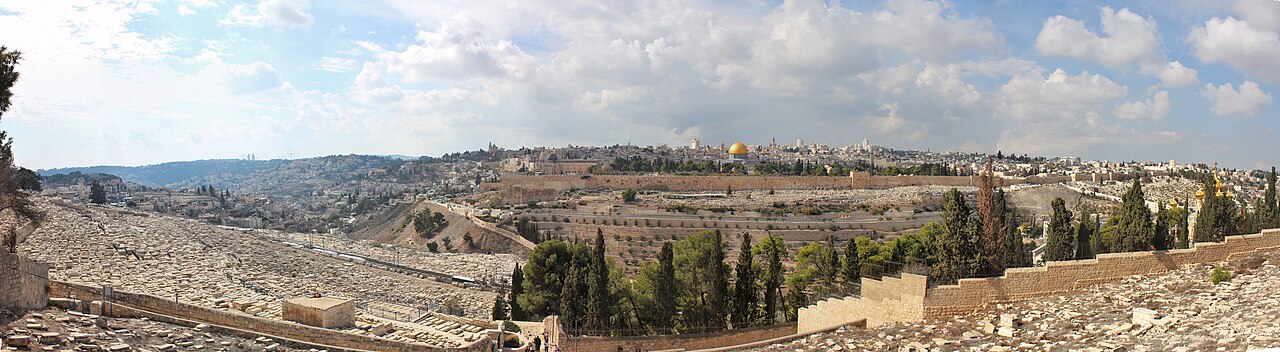
The Text: Acts 1:8 (KJV)
But ye shall receive power, after that the Holy Ghost is come upon you: and ye shall be witnesses unto me both in Jerusalem, and in all Judaea, and in Samaria, and unto the uttermost part of the earth. (Acts 1:8, KJV)
These words were the answer to a question. The disciples had asked, Lord, are you now restoring the kingdom to Israel?
(Acts 1:6, WEB). Their attention was still fixed on when the kingdom of Israel would be restored. Jesus said, It isn’t for you to know times or seasons which the Father has set within his own authority
(Acts 1:7, WEB), and then immediately gave the words of Acts 1:8. He turned the question of when into a call about what they would do with their lives.
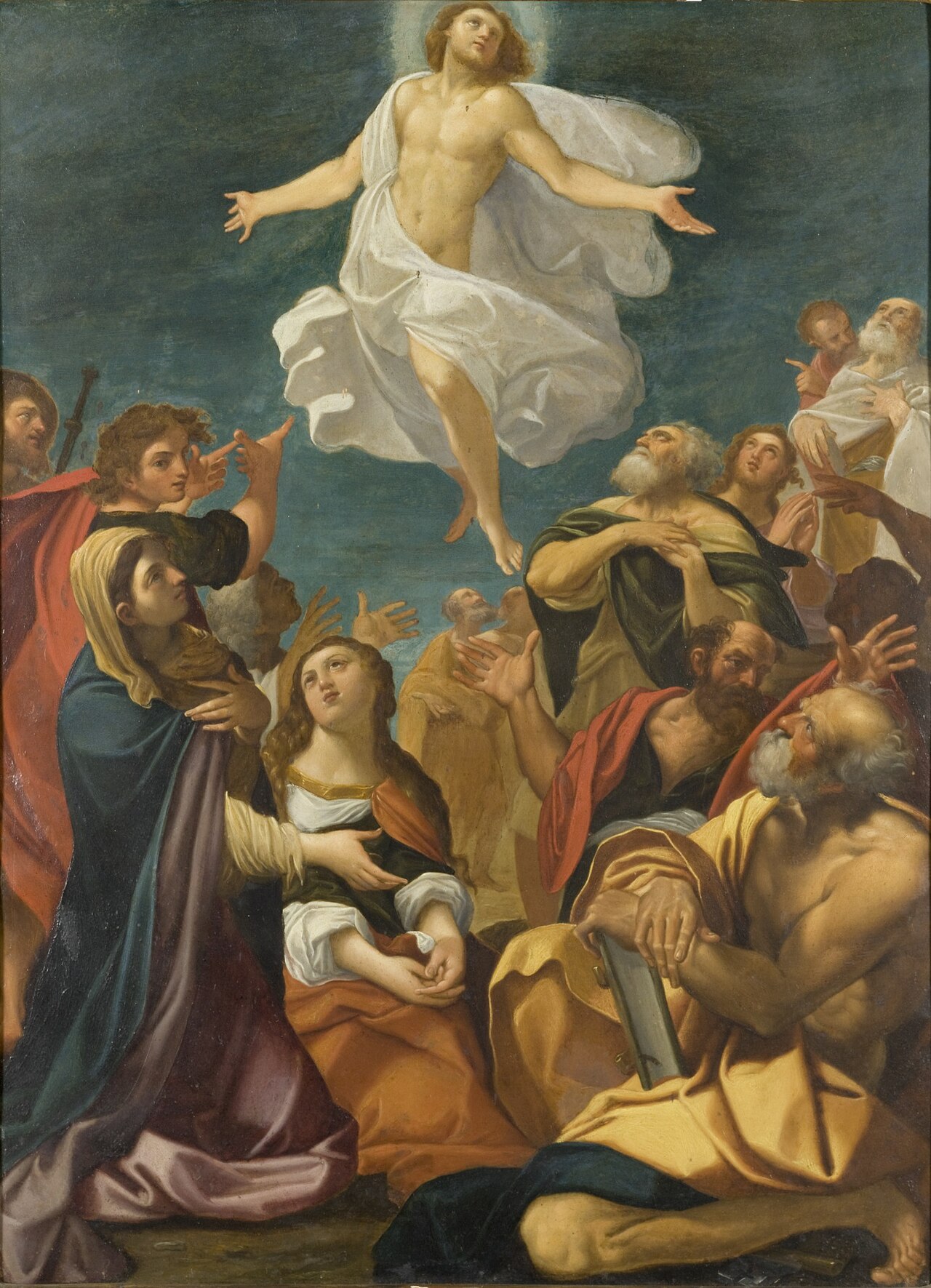
Then the text continues: When he had said these things, as they were looking, he was taken up
(Acts 1:9, WEB). Because it was spoken just before the ascension, Acts 1:8 becomes the theme sentence that tells us in advance where the whole book of Acts is heading.
The Heart of the Great Commission: Matthew 28:18-20
To read Acts 1:8 rightly, we first need to open the central text of the Great Commission alongside it.
Jesus came to them and spoke to them, saying, “All authority has been given to me in heaven and on earth. Go and make disciples of all nations, baptizing them in the name of the Father and of the Son and of the Holy Spirit, teaching them to observe all things that I commanded you. Behold, I am with you always, even to the end of the age.” (Matthew 28:18-20, WEB)
The Great Commission stands on the authority of Jesus. The one who has received all authority in heaven and on earth gives the command. The heart of the command is making disciples of all nations, and that disciple-making is carried out by baptizing in the name of the triune God and by teaching people to observe all that Jesus commanded. And the whole command is wrapped in the promise that he will be with them always, even to the end of the age.
Luke records the same mission twice. At the end of his Gospel he writes that repentance and remission of sins should be preached in his name to all the nations, beginning at Jerusalem
(Luke 24:47, WEB) and You are witnesses of these things
(Luke 24:48, WEB), and at the opening of Acts he gives it again as Acts 1:8. John’s Gospel records the same sending: As the Father has sent me, even so I send you
(John 20:21, WEB).
Set the two texts side by side and you can see which aspect of the Great Commission Acts 1:8 illuminates. Matthew makes clear what we are told to do (make disciples, baptize, and teach them to observe all that Jesus commanded), and Acts 1:8 shows by what power, in what form and how far that work is carried out. All nations overlaps with the uttermost part of the earth, and the promise that he will be with them always stands beside the promise that the Holy Spirit would come upon them.
Power: Witnesses Live by the Power of the Spirit
The first thing to notice in Acts 1:8 is the order. In this verse, the Holy Spirit’s coming upon them is placed before their becoming witnesses. The Greek word translated power here, dynamis (δύναμις), is a New Testament word for power, strength and miracles (Bible Hub, Strong’s 1411). It is not the political power of restoration the disciples had been hoping for but the power of the Holy Spirit that enables them to carry out the work God has entrusted to them.
Luke had already recorded the same promise at the end of his Gospel: But wait in the city of Jerusalem until you are clothed with power from on high
(Luke 24:49, WEB). So the disciples did not scatter at once; they waited and prayed: All these with one accord continued steadfastly in prayer and supplication
(Acts 1:14, WEB).
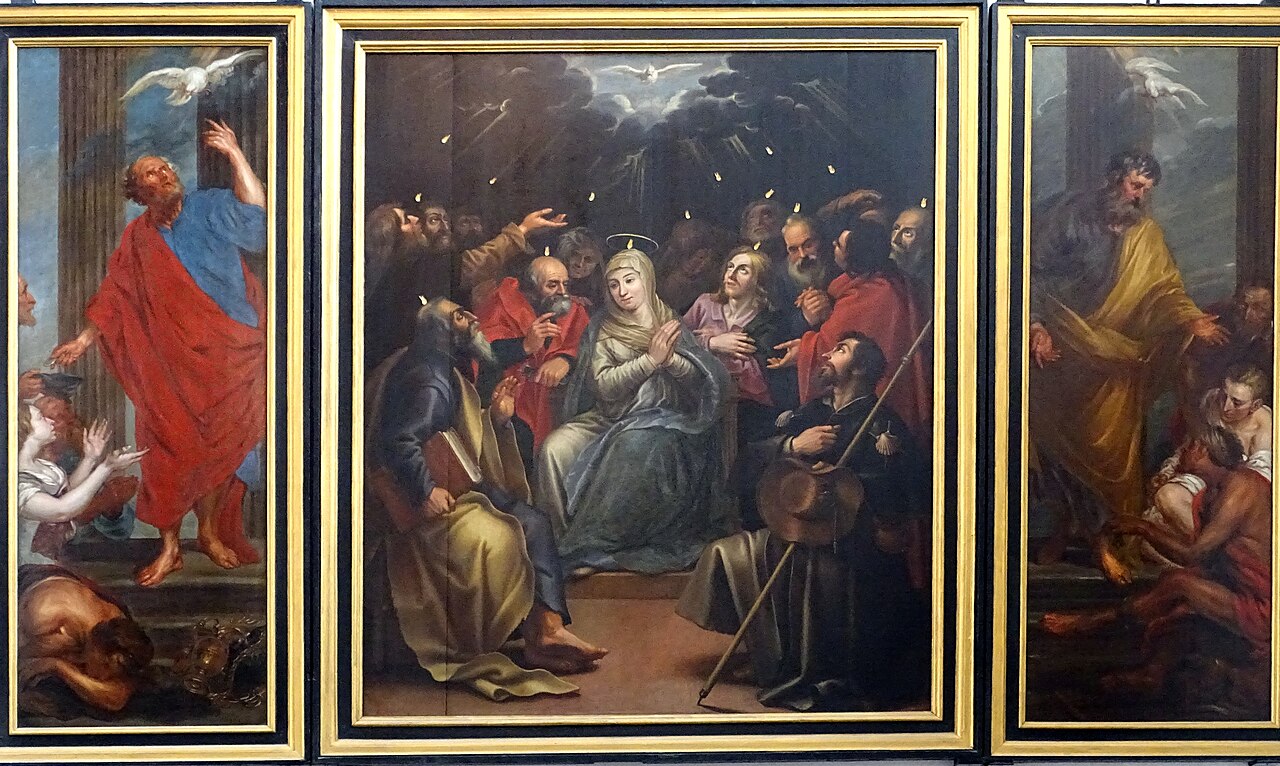
The promise is fulfilled in the very next chapter: Now when the day of Pentecost had come, they were all with one accord in one place
(Acts 2:1, WEB), and They were all filled with the Holy Spirit and began to speak with other languages, as the Spirit gave them the ability to speak
(Acts 2:4, WEB). From then on the church grew bold in the same way: They were all filled with the Holy Spirit, and they spoke the word of God with boldness
(Acts 4:31, WEB), and With great power, the apostles gave their testimony of the resurrection of the Lord Jesus
(Acts 4:33, WEB). The life of a witness begins not with our own resolve or talent but with the power of the Holy Spirit who comes upon us.
Witnesses: People Who Tell What They Have Seen and Heard
The next word is witness. The Greek martys (μάρτυς) means a person who testifies to what he has seen and knows (Bible Hub, Strong’s 3144). A witness does not invent his own opinions; he tells plainly what he has experienced. That was the task the apostles were given. The one chosen to fill the place of Judas Iscariot had to come from those who had gone about with the Lord, for one must become a witness with us of his resurrection
(Acts 1:22, WEB). Peter proclaimed, This Jesus God raised up, to which we all are witnesses
(Acts 2:32, WEB). Even under threat they answered, for we can’t help telling the things which we saw and heard
(Acts 4:20, WEB).
The words ye shall be witnesses unto me
(Acts 1:8, KJV) are a statement in the future tense in the Greek text as well (ἔσεσθέ μου μάρτυρες, Bible Hub interlinear). Before it is a task to be done, it is Jesus’ promise of what will happen when the Holy Spirit comes. And a witness is above all a witness to Jesus. Witnesses are not people who promote themselves or their church but people who point to the risen Christ.
This calling is rooted in the Old Testament. Through Isaiah, God said to his people, You are my witnesses … my servant whom I have chosen
(Isaiah 43:10, WEB), and again, you are my witnesses … and I am God
(Isaiah 43:12, WEB). Just as Israel was called to bear witness to the true God before the nations, the disciples of Jesus are now appointed as witnesses to the risen Christ.
Witness came at a cost. Speaking to the Lord, Paul remembers Stephen this way: When the blood of Stephen, your witness, was shed
(Acts 22:20, WEB). The book of Revelation remembers the martyr of the church in Pergamum like this: in the days of Antipas my witness, my faithful one, who was killed among you, where Satan dwells
(Revelation 2:13, WEB). From this word, used for those who bore witness with their lives, the English word martyr later came.
To the Ends of the Earth: Concentric Circles Beginning in Jerusalem
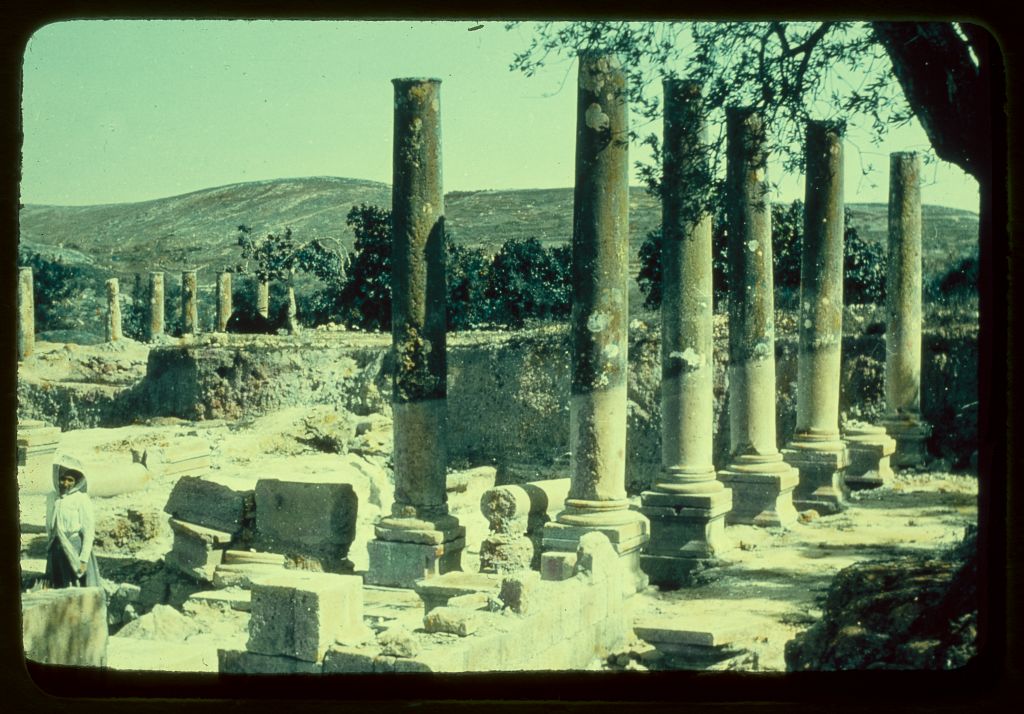
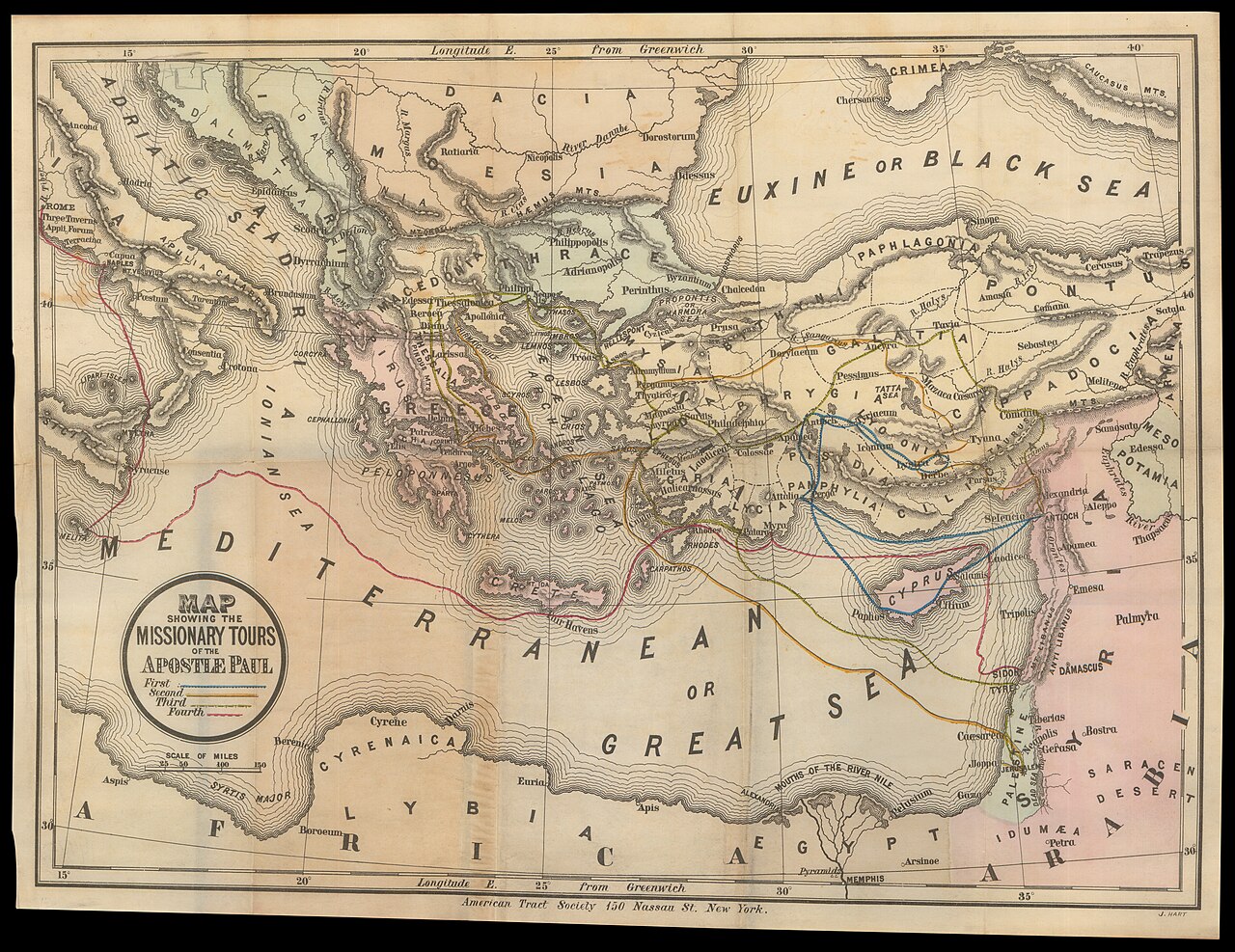
Acts 1:8 sketches the witnesses’ stage as Jerusalem, all Judea and Samaria, and the ends of the earth. It is like concentric circles widening from the center outward, and the story of Acts follows this road. Witness began in Jerusalem; after Stephen’s martyrdom a great persecution broke out, and the believers were scattered:They were all scattered abroad throughout the regions of Judea and Samaria, except for the apostles
(Acts 8:1, WEB). Those who were scattered preached the gospel wherever they went: Therefore those who were scattered abroad went around preaching the word
(Acts 8:4, WEB), and Philip went down to the city of Samaria and proclaimed to them the Christ
(Acts 8:5, WEB).
It is worth noticing that Samaria is named. Jews and Samaritans had no dealings with each other (see John 4:9). For the gospel to go to Samaria meant crossing not only a geographical boundary but an ethnic one. This movement leads on to Peter preaching the gospel in the house of Cornelius, a Gentile (see Acts 10).

The phrase to the ends of the earth did not come out of nowhere either. God had already promised through Isaiah: I will also give you as a light to the nations, that you may be my salvation to the end of the earth
(Isaiah 49:6, WEB). At Antioch in Pisidia, Paul and Barnabas quote this word as the Lord’s command for their mission to the Gentiles: I have set you as a light for the Gentiles, that you should bring salvation to the uttermost parts of the earth
(Acts 13:47, WEB).
Acts ends in Rome. Its last verse shows Paul preaching God’s Kingdom and teaching the things concerning the Lord Jesus Christ with all boldness, without hindrance
(Acts 28:31, WEB). The book closes, but the witness does not. As long as there remain ends of the earth that have not yet heard the gospel, the road of Acts 1:8 continues through the church today.
Witness Leads to Making Disciples
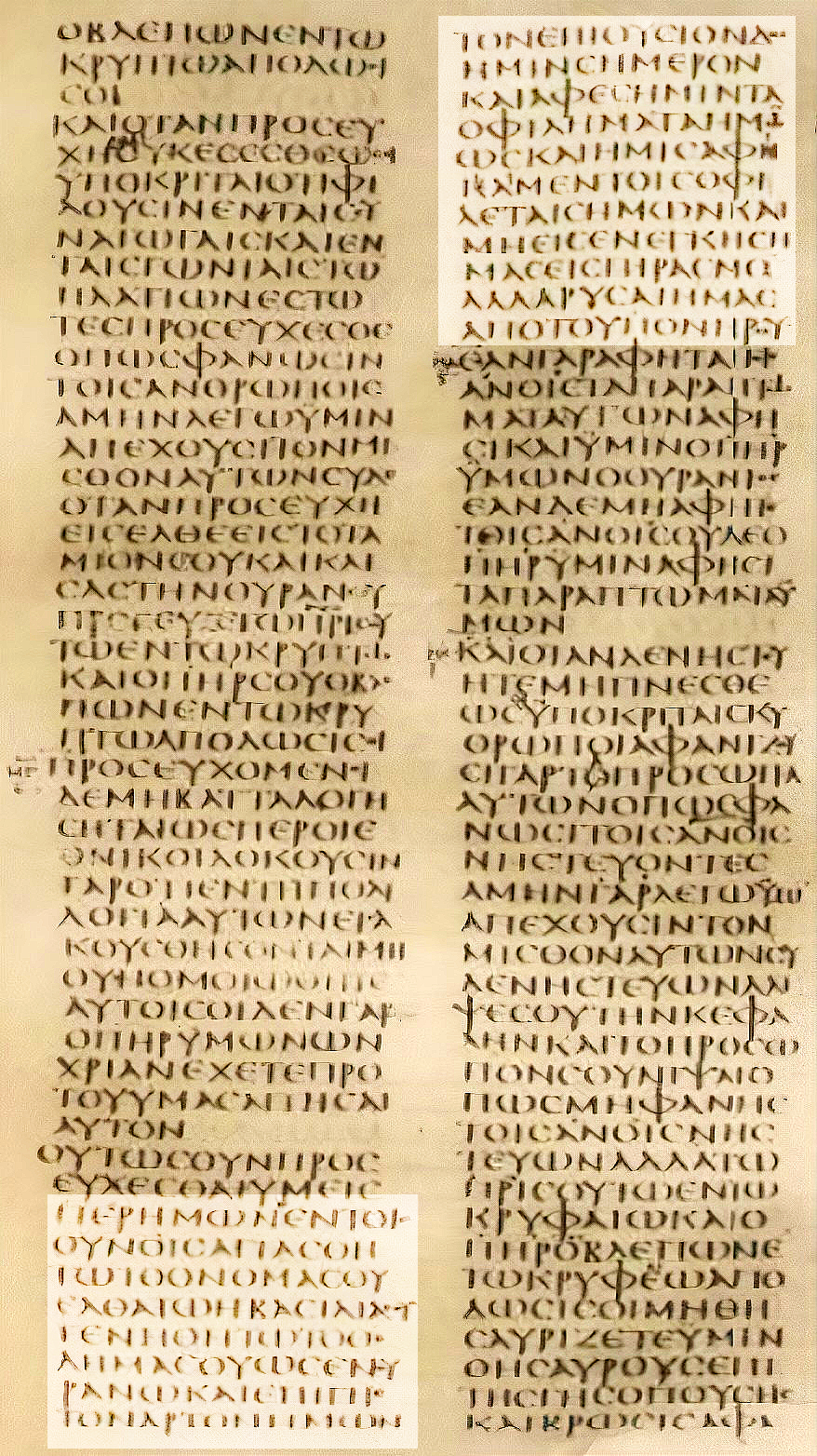
In its very first sermon, Acts shows the witnesses’ testimony leading into the command of Matthew 28:19-20. Peter proclaimed, Repent and be baptized, every one of you, in the name of Jesus Christ for the forgiveness of sins
(Acts 2:38, WEB), and Then those who gladly received his word were baptized. There were added that day about three thousand souls
(Acts 2:41, WEB). And the new disciples continued steadfastly in the apostles’ teaching and fellowship, in the breaking of bread, and prayer
(Acts 2:42, WEB).
Those who hear the testimony and believe are baptized and grow within a community where they are taught and keep what they are taught. Being a witness is not something that ends once the gospel has been announced; it belongs within the whole Great Commission to make disciples, baptize them, and teach them to observe all that Jesus commanded.
Application for Today: From Where I Stand to the Ends of the Earth
What, then, does this word ask of us today?
First, the life of a witness begins with depending on the Holy Spirit. There are times when sharing the gospel feels frightening and we feel powerless. Even then we can ask for the Spirit’s help. The disciples, too, first waited and prayed. What we need before eloquence is a heart that yields itself to the Holy Spirit. Try beginning your day with a prayer for the Spirit’s help as you think of the people you will meet today.
Second, witnesses are not a special few but all believers. It was not the apostles but the scattered believers who carried the gospel to Samaria. First Peter calls all Christians a royal priesthood
(1 Peter 2:9, WEB) and states the purpose: that you may proclaim the excellence of him who called you out of darkness into his marvelous light
(1 Peter 2:9, WEB). The place where I stand, my home, my workplace and my neighborhood, is my Jerusalem. To share honestly, right there, the grace of Jesus I have seen and heard is what it means to bear witness.
Third, witness must carry on into making disciples. The Great Commission goes as far as walking alongside those who have heard the gospel until they are baptized and learn to keep the Word. Invite the neighbor you shared with into the church community and into Bible study, and read Scripture together. At the same time, embrace in prayer and devotion the ends of the earth that have not yet heard the gospel. As Paul asks, How will they hear without a preacher?
(Romans 10:14, WEB) And how will they preach unless they are sent?
(Romans 10:15, WEB). Some go, some send, and all pray.
An Invitation to Prayer and Commitment
Acts 1:8 invites us not to anxiety but to hope. The gospel reaching the ends of the earth is accomplished not by our zeal but by the power of the Holy Spirit. God calls us to that work as witnesses and gives us the privilege of taking part in it.
Today, quietly pray like this: Holy Spirit, give me power to bear witness to Jesus where I stand, and let me hold in my heart the ends of the earth that have not yet heard the gospel. This short prayer becomes a first step in living out the Great Commission. We are not alone. The Lord who said Behold, I am with you always, even to the end of the age
(Matthew 28:20, WEB) is with us even now.
References
- bible.com — Acts 1, Korean Revised Version (KRV) (in Korean)
- bible.com — Matthew 28, Korean Revised Version (KRV) (in Korean)
- Bible Hub — Acts 1:8, Greek interlinear
- Bible Hub — Strong’s Greek 1411 δύναμις (dynamis)
- Bible Hub — Strong’s Greek 3144 μάρτυς (martys)
- Crossway — What Does Acts 1:8 Mean?