
What were the very last words Jesus left his disciples just before he passed through the cross and resurrection and ascended into heaven? Remarkably, they were neither a grand theological lecture nor a blueprint for church organization. They were a single charge: “You shall be my witnesses.” Acts 1:8 is short, yet this one verse holds the power of the Holy Spirit, the calling to be witnesses, and the journey of the gospel from Jerusalem to the ends of the earth. This word was the compass that moved the early church, and it still points us today toward living out the Great Commission.
The English Scripture quotations here are from the King James Version (KJV) and the World English Bible (WEB), both in the public domain.
The Last Command Before the Ascension
First, let us hear the text itself.
“But ye shall receive power, after that the Holy Ghost is come upon you: and ye shall be witnesses unto me both in Jerusalem, and in all Judaea, and in Samaria, and unto the uttermost part of the earth.” (Acts 1:8, KJV)
This word was not spoken in a vacuum. In the verse just before, the disciples asked, “Lord, are you now restoring the kingdom to Israel?” (Acts 1:6, WEB). Their eyes were still fixed on a political restoration of Israel — freedom from Roman oppression. Jesus turns the very direction of their question around. After saying, “It isn’t for you to know times or seasons which the Father has set within his own authority” (Acts 1:7, WEB), he immediately gives the commission of verse 8.
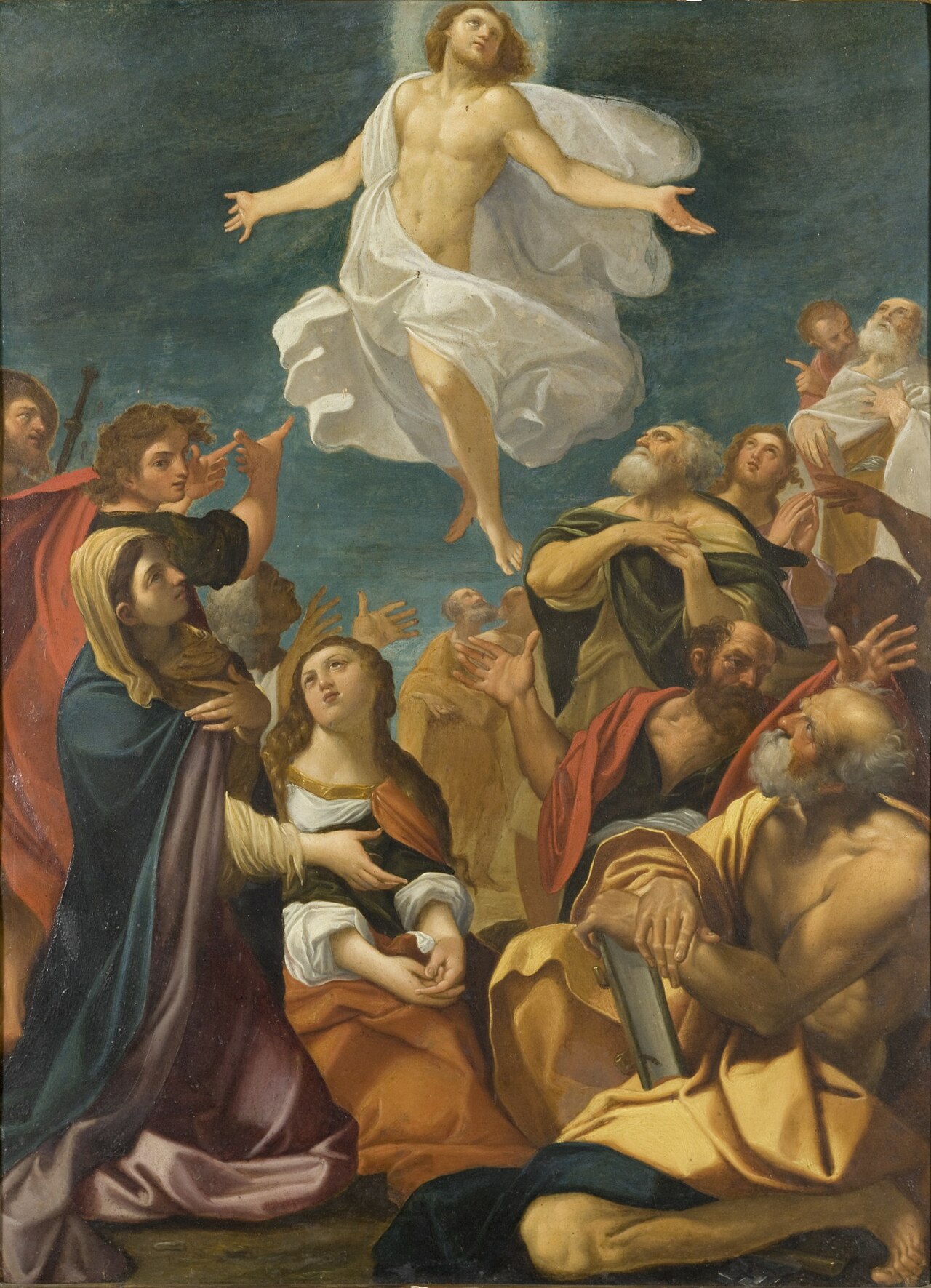
In other words, Jesus transforms the question “When will the kingdom come?” into the calling “How will you become witnesses?” And right after these words, the text continues: “When he had said these things, as they were looking, he was taken up, and a cloud received him out of their sight” (Acts 1:9, WEB). Because it is a final, testament-like command given just before the ascension, Acts 1:8 becomes the thesis statement of the whole book, telling us in advance how the entire narrative of Acts will unfold.

“Power”: The Witness Lives by the Spirit’s Strength
The first thing that stands out in this verse is the order. The coming of the Holy Spirit precedes being a witness. The clause “after that the Holy Ghost is come upon you” stands before the commission. The Greek word translated “power” here is dynamis (δύναμις), the root of the English word “dynamite.” Yet this power is not political might or military force; it is the power of the Holy Spirit that enables us to accomplish what God has entrusted to us.
Scripture itself makes this clear. Luke had already recorded the same promise at the end of his Gospel: “Behold, I send out the promise of my Father on you. But wait in the city of Jerusalem until you are clothed with power from on high” (Luke 24:49, WEB). “Until you are clothed with power from on high” and “ye shall receive power” in Acts 1:8 are two expressions of the same promise.
The fulfillment of that promise appears in the very next chapter: “Now when the day of Pentecost had come, they were all with one accord in one place” (Acts 2:1, WEB); “They were all filled with the Holy Spirit and began to speak with other languages, as the Spirit gave them the ability to speak” (Acts 2:4, WEB). Thus the promise of Acts 1:8 and the Pentecost event of Acts 2 are joined as one. The life of a witness begins not with our resolve or talent, but with the power of the Spirit who comes upon us.
“Witnesses”: From Eyewitness to Martyr
The next word is “witnesses.” The Greek martys (μάρτυς) originally refers to an eyewitness who testifies in court to what he has personally seen and heard. A witness is not someone who invents his own opinions but someone who faithfully reports what he has experienced. It is no accident that this word later became the root of the English word “martyr.” Testifying to the truth sometimes cost one’s very life.
This calling to be a “witness” is also deeply rooted in Scripture. Through Isaiah, God had already called his people, “‘You are my witnesses,’ says Yahweh, ‘…that you may know and believe me, and understand that I am he'” (Isaiah 43:10, WEB), and confirmed again, “‘…you are my witnesses’, says Yahweh, ‘and I am God'” (Isaiah 43:12, WEB). Just as Old Testament Israel was called to testify among the nations that the LORD is the true God, so now the disciples of Jesus are established as new witnesses testifying to the risen Christ. The witness-calling did not appear suddenly in the New Testament; it is the will of God running through the whole of Scripture.

“To the Ends of the Earth”: Concentric Circles from Jerusalem
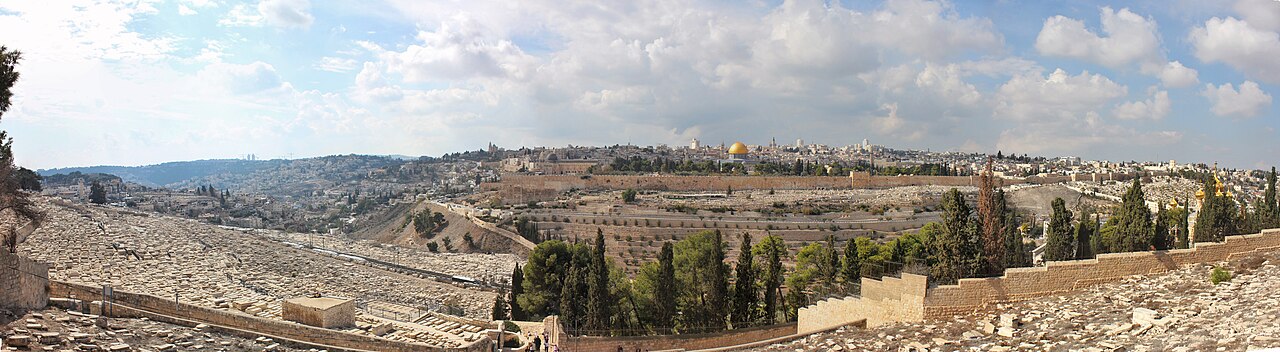
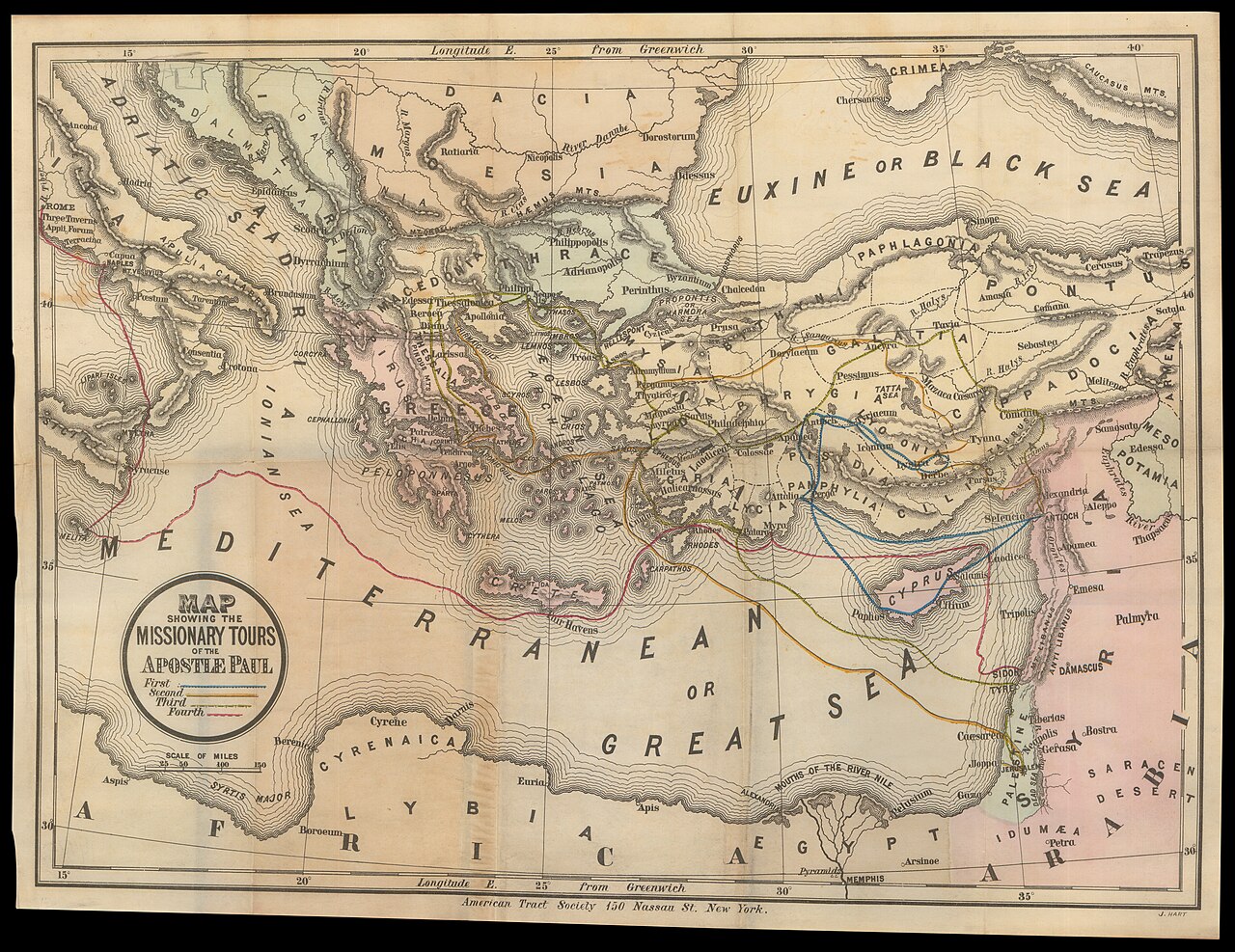
The verse maps the witness’s field of action as “Jerusalem, and in all Judaea, and in Samaria, and unto the uttermost part of the earth.” This is not a mere list of place names but a set of concentric circles spreading outward from a center. And this very order becomes the outline of Acts. The gospel that began in Jerusalem (Acts 1–7) widens into Judea and Samaria as believers are scattered by Stephen’s martyrdom (Acts 8–12), and finally, through Paul’s mission, reaches Asia Minor and Europe and comes even to Rome — the center of the world of that day and a symbol of “the ends of the earth” (Acts 13–28).
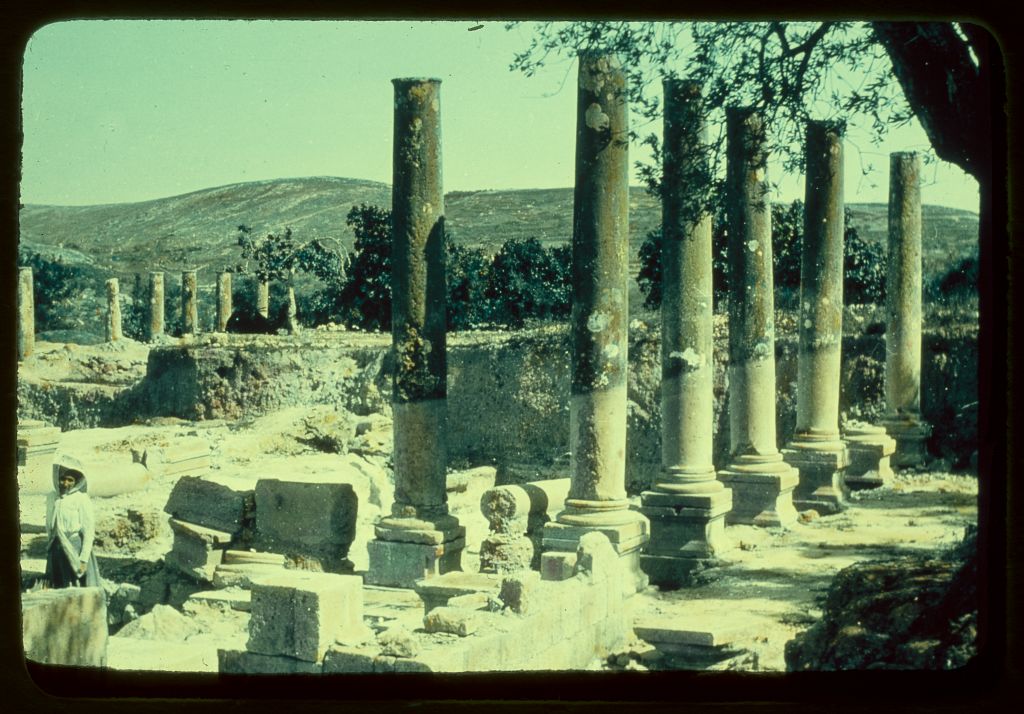
The explicit mention of “Samaria” deserves special notice. Samaria was a land Jews would not associate with. For the gospel to cross into Samaria was to tear down not only a geographical boundary but a boundary of ethnicity and prejudice. Indeed, Philip’s preaching of the gospel in Samaria (Acts 8) and Peter’s proclamation in the house of the Gentile Cornelius (Acts 10) are the decisive scenes where that wall comes down.
This phrase “to the ends of the earth” was also no spontaneous remark of Jesus. God had already promised through Isaiah, “I will also give thee for a light to the Gentiles, that thou mayest be my salvation unto the end of the earth” (Isaiah 49:6, KJV). In fact, the Apostle Paul directly cites this very word of Isaiah as the basis for his mission to the Gentiles (cf. Acts 13:47). The “to the ends of the earth” of Acts 1:8 was the channel through which an ancient promise — to be a light to the nations and bring salvation to all the earth — was at last fulfilled.
One Great Commission, Sounded in Many Voices
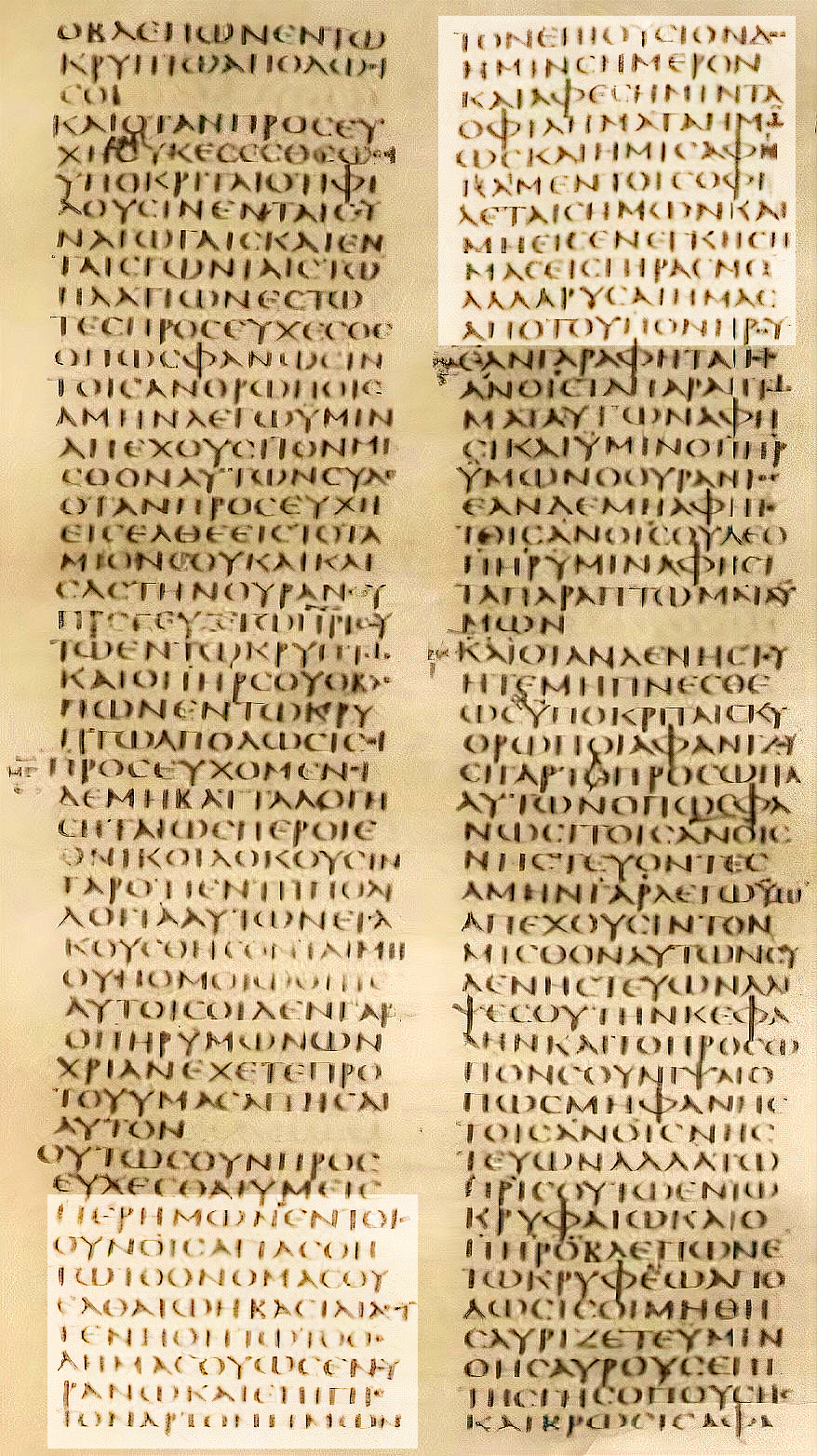
When we set Acts 1:8 side by side with the Great Commission texts across Scripture, its meaning becomes even clearer. Matthew conveys the substance of the mission: “All power is given unto me in heaven and in earth” (Matthew 28:18); “Go ye therefore, and teach all nations, baptizing them in the name of the Father, and of the Son, and of the Holy Ghost” (Matthew 28:19); “lo, I am with you alway, even unto the end of the world” (Matthew 28:20, all KJV). The heart of the Great Commission is to make all nations disciples.
Luke states its content as “repentance and remission of sins should be preached in his name to all the nations, beginning at Jerusalem” (Luke 24:47, WEB), and declares, “You are witnesses of these things” (Luke 24:48, WEB). John points to the source of the sending: “As the Father has sent me, even so I send you” (John 20:21, WEB). Thus Matthew’s “make disciples,” Luke’s “be witnesses,” John’s “I send you,” and Acts’ “to the ends of the earth” are not separate commands but one Great Commission sounded in many voices. This is how Scripture interprets Scripture.
Application Today: From My Jerusalem to the Ends of the Earth
So what does this word ask of us today?
First, the life of a witness begins with dependence on the Holy Spirit. Evangelism often feels frightening and powerless because we try to carry it in our own strength. But the verse says we become witnesses after we “receive power.” Before eloquent speech, what we need first is the availability that offers ourselves before the Spirit. Those who ask for the Spirit in prayer are the ones who become witnesses in the end.
Second, “Jerusalem” and “the ends of the earth” are not a sequence but simultaneous. The place names in the verse are joined by “and.” It does not mean to reach world mission only after we have thoroughly evangelized our own region. It is a call to be a witness where we now stand — the “my Jerusalem” of home, workplace, and neighbor — while at the same time embracing in prayer and devotion the “ends of the earth” that have not yet heard the gospel.
Third, the witness is not a special few but every believer. The power of Acts came not to the apostles alone but upon the whole gathered church. Scripture calls every Christian a “royal priesthood” (cf. 1 Peter 2:9). Not only pastors and missionaries, but everyone who has met Jesus is called to testify to the grace they have received.
The Apostle Paul sums up this truth: “How will they hear without a preacher?” (Romans 10:14, WEB); “How beautiful are the feet of those who preach the Good News” (Romans 10:15, WEB). Someone must go, and someone must send. Before that calling, each of us has a place.
An Invitation to Prayer and Devotion
Acts 1:8 invites us not to anxiety but to hope. The gospel will surely reach the ends of the earth, for its expansion is the work of the Spirit’s power, not of our zeal. Yet God calls us to be witnesses in that glorious work and grants us the privilege of gladly taking part.
Today, let us quietly pray: “Holy Spirit, grant me power to testify to Jesus where I stand. Beginning in my Jerusalem, let me embrace the ends of the earth that have not yet heard the gospel.” This short prayer becomes the first step in living out the Great Commission. We are not alone. The Lord who said, “lo, I am with you alway, even unto the end of the world” (Matthew 28:20, KJV) is with us still.
References
- Korean Revised Version of Acts — Wikisource (public-domain Bible text)
- Korean Bible Society — Bible text and translation guide
- Crossway, “What Does Acts 1:8 Mean?”
- Ligonier Ministries (R.C. Sproul), “Jerusalem, Judea, Samaria, and the Uttermost Parts of the Earth”
- Precept Austin, Acts 1:8 Commentary
- Bible Hub, Greek lexicon δύναμις (dynamis, G1411)
- Bible Hub, Greek lexicon μάρτυς (martys, G3144)
- OpenBible, Acts 1:8 cross-reference index