
The English Scripture quotations here are from the King James Version and the World English Bible (both public domain).
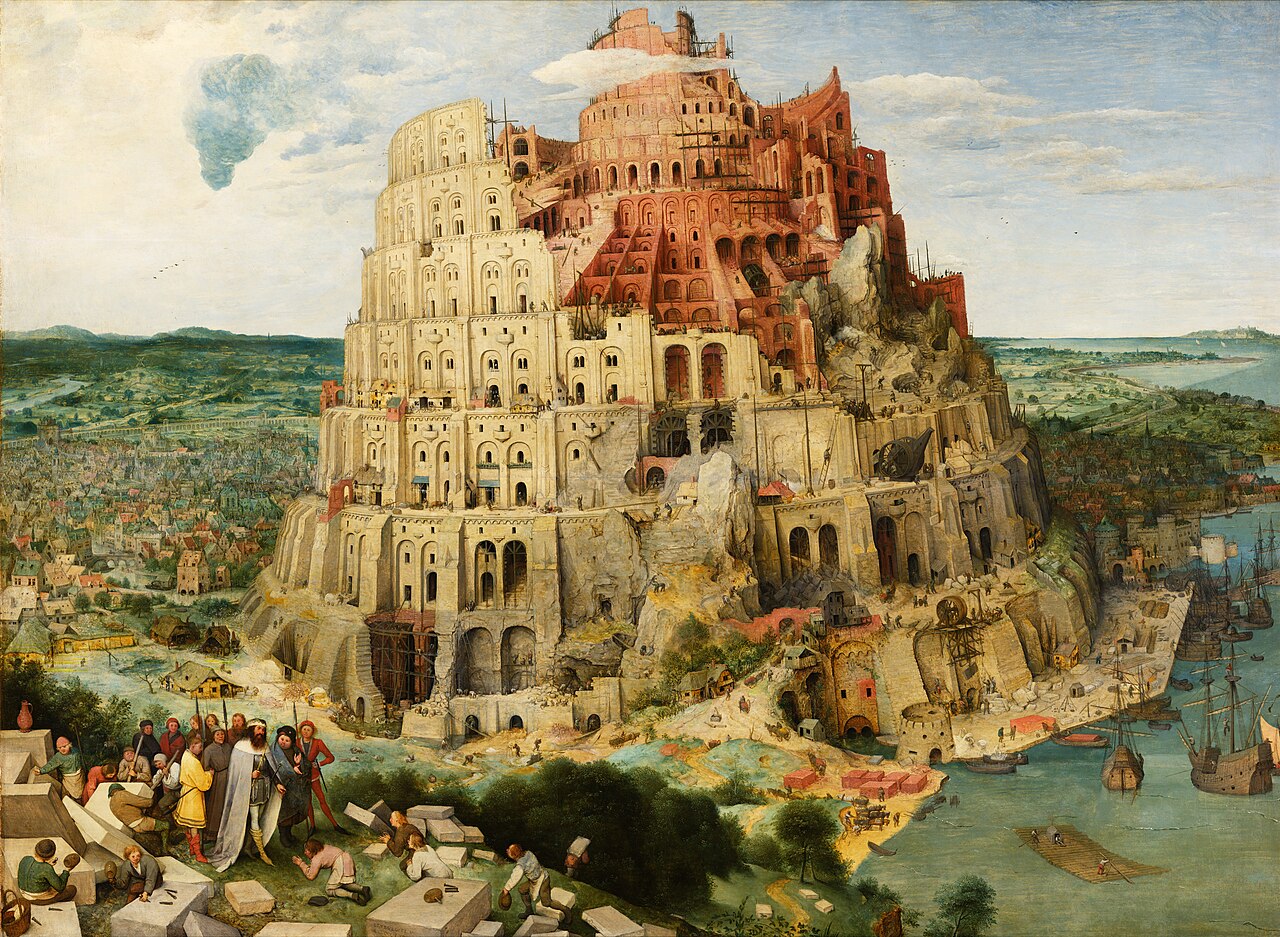
In the days when the whole earth spoke one language, people baked bricks and mixed tar to build a tower reaching to the sky. In the single phrase “let’s make a name for ourselves” lies the full shape of humanity’s intent to defy, head-on, the command the Creator had given from the beginning. Genesis 11 shows us both the whole account of that rebellion, and how, from the ashes of it, God resolved to make one man’s name ‘great.’
Text — Genesis 11:1-32 (WEB)
1 The whole earth was of one language and of one speech. 2 As they traveled east, they found a plain in the land of Shinar, and they lived there. 3 They said to one another, “Come, let’s make bricks, and burn them thoroughly.” They had brick for stone, and they used tar for mortar. 4 They said, “Come, let’s build ourselves a city, and a tower whose top reaches to the sky, and let’s make a name for ourselves, lest we be scattered abroad on the surface of the whole earth.”
5 Yahweh came down to see the city and the tower, which the children of men built. 6 Yahweh said, “Behold, they are one people, and they all have one language, and this is what they begin to do. Now nothing will be withheld from them, which they intend to do. 7 Come, let’s go down, and there confuse their language, that they may not understand one another’s speech.” 8 So Yahweh scattered them abroad from there on the surface of all the earth. They stopped building the city. 9 Therefore its name was called Babel, because there Yahweh confused the language of all the earth. From there, Yahweh scattered them abroad on the surface of all the earth.
10 This is the history of the generations of Shem: Shem was one hundred years old when he became the father of Arpachshad two years after the flood. 11 Shem lived five hundred years after he became the father of Arpachshad, and became the father of more sons and daughters. 12 Arpachshad lived thirty-five years and became the father of Shelah. 13 Arpachshad lived four hundred three years after he became the father of Shelah, and became the father of more sons and daughters. 14 Shelah lived thirty years, and became the father of Eber. 15 Shelah lived four hundred three years after he became the father of Eber, and became the father of more sons and daughters. 16 Eber lived thirty-four years, and became the father of Peleg. 17 Eber lived four hundred thirty years after he became the father of Peleg, and became the father of more sons and daughters. 18 Peleg lived thirty years, and became the father of Reu. 19 Peleg lived two hundred nine years after he became the father of Reu, and became the father of more sons and daughters. 20 Reu lived thirty-two years, and became the father of Serug. 21 Reu lived two hundred seven years after he became the father of Serug, and became the father of more sons and daughters. 22 Serug lived thirty years, and became the father of Nahor. 23 Serug lived two hundred years after he became the father of Nahor, and became the father of more sons and daughters. 24 Nahor lived twenty-nine years, and became the father of Terah. 25 Nahor lived one hundred nineteen years after he became the father of Terah, and became the father of more sons and daughters. 26 Terah lived seventy years, and became the father of Abram, Nahor, and Haran.
27 Now this is the history of the generations of Terah. Terah became the father of Abram, Nahor, and Haran. Haran became the father of Lot. 28 Haran died in the land of his birth, in Ur of the Chaldees, while his father Terah was still alive. 29 Abram and Nahor married wives. The name of Abram’s wife was Sarai, and the name of Nahor’s wife was Milcah, the daughter of Haran, who was also the father of Iscah. 30 Sarai was barren. She had no child. 31 Terah took Abram his son, Lot the son of Haran, his son’s son, and Sarai his daughter-in-law, his son Abram’s wife. They went from Ur of the Chaldees, to go into the land of Canaan. They came to Haran and lived there. 32 The days of Terah were two hundred five years. Terah died in Haran.
Context — What Chapter 10 Shows as Result, Chapter 11 Reveals as Cause
Genesis 10 first showed us the result: “the families of the sons of Noah, by their generations, according to their nations. The nations divided from these in the earth after the flood” (Genesis 10:32, WEB). Chapter 11 then rewinds the clock to explain how that division happened. Already scattered through chapter 10 is the phrase “by their families, according to their languages, lands, and nations” (Genesis 10:31, WEB — a similar phrase recurs at 10:5 and 10:20), yet Genesis 11:1 says the exact opposite: “The whole earth was of one language and of one speech” (Genesis 11:1, WEB). The world of many divided languages in chapter 10, and the single-language starting point of chapter 11, stand in chronological order with chapter 11 coming first. In other words, Genesis first lays out “what existed” (the list in chapter 10), then rewinds to explain “how it came to be that way” (the event in chapter 11).
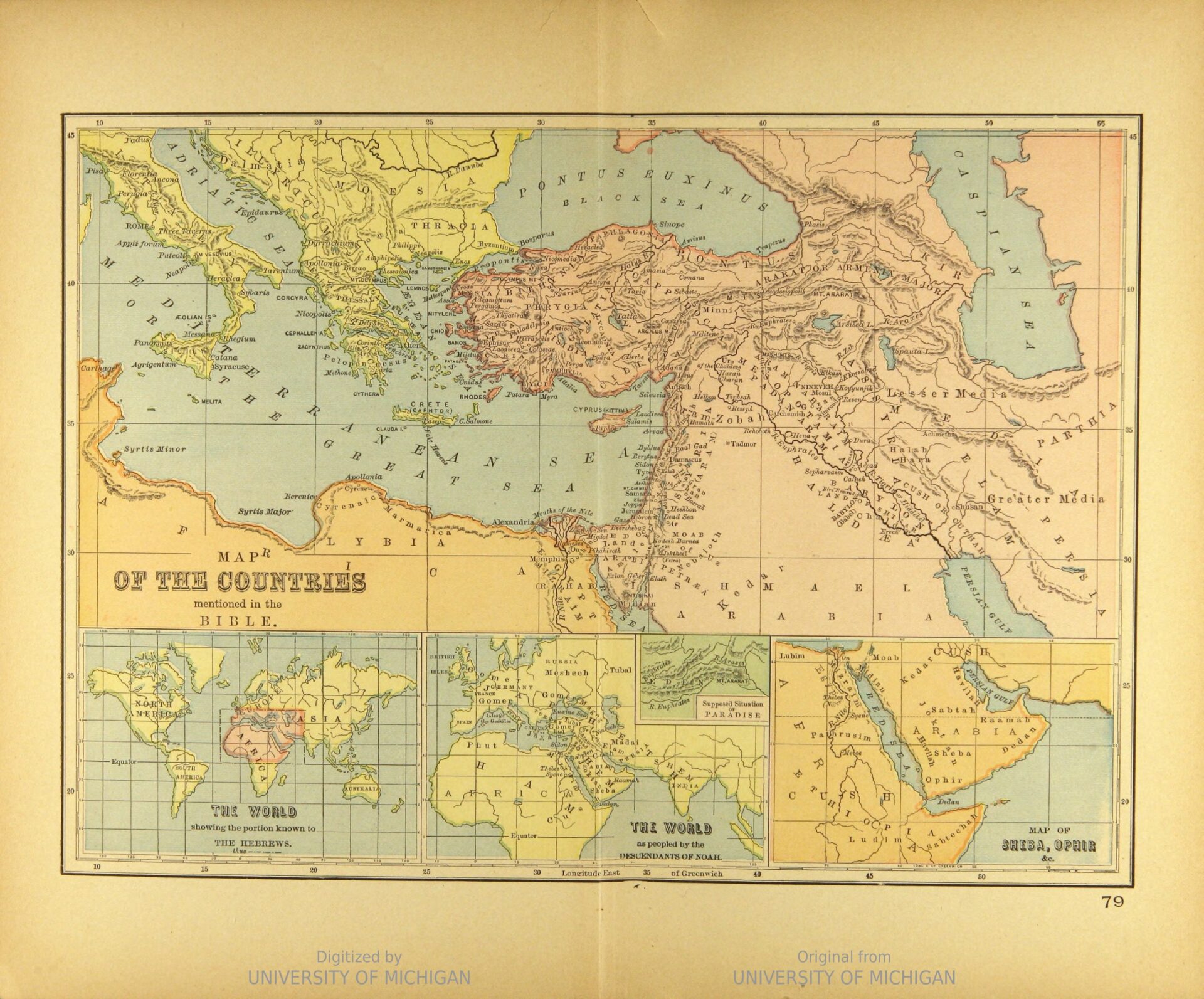
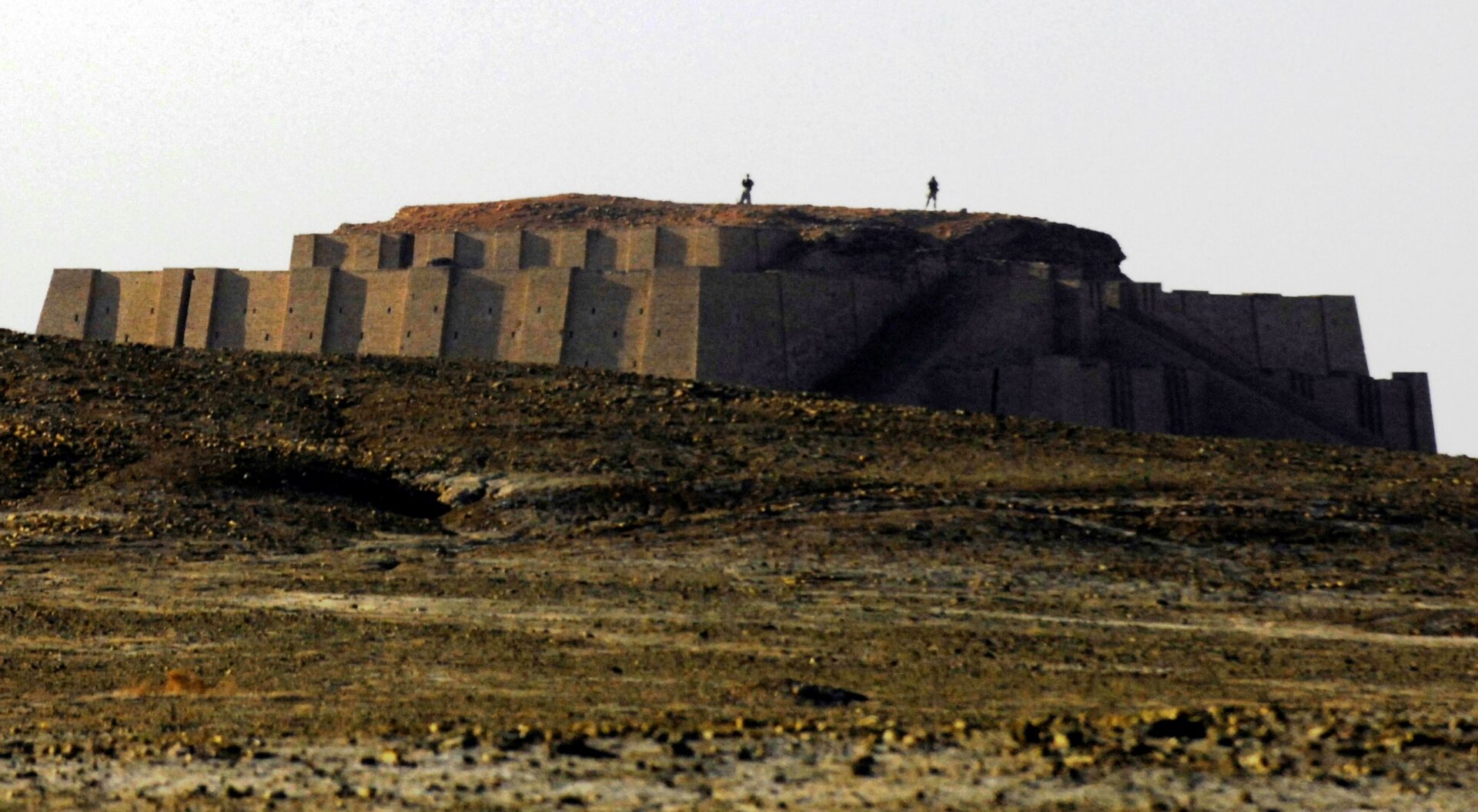
The setting of this passage is the “plain in the land of Shinar” (Genesis 11:2). This is the very land already named in Genesis 10:10 as where Nimrod’s kingdom began — southern Mesopotamia, the alluvial plain between the Tigris and Euphrates, where Babel, Erech, and Accad stood. Scripture points to this region twice (10:10, 11:2), overlapping it as the site of humanity’s first organized rebellion.
Exposition
One Language, One Rebellion — Building a City and a Tower (verses 1-4)
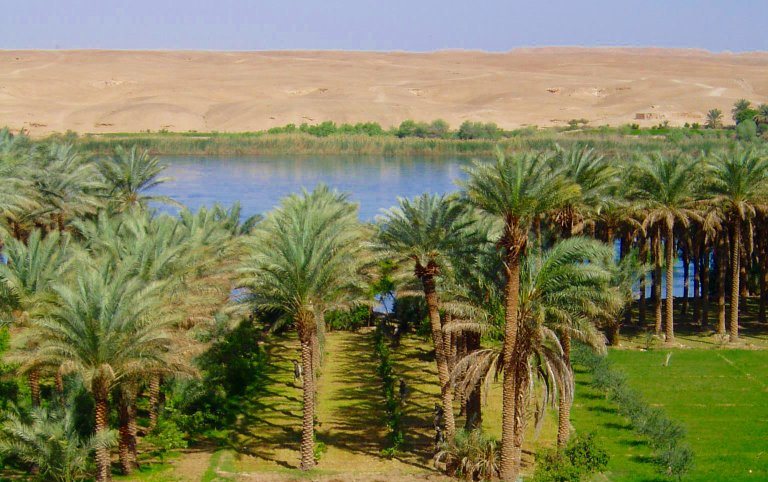
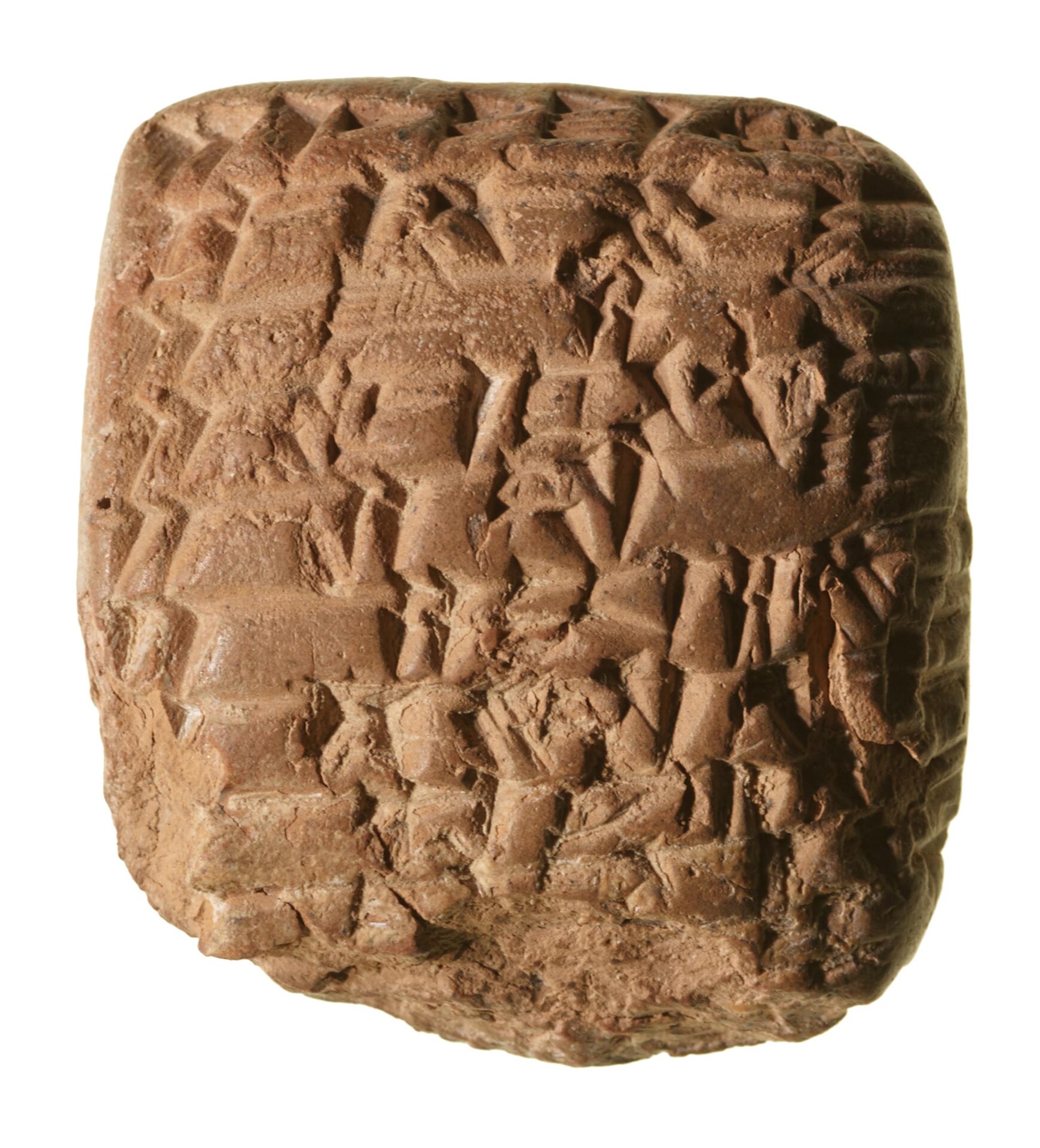
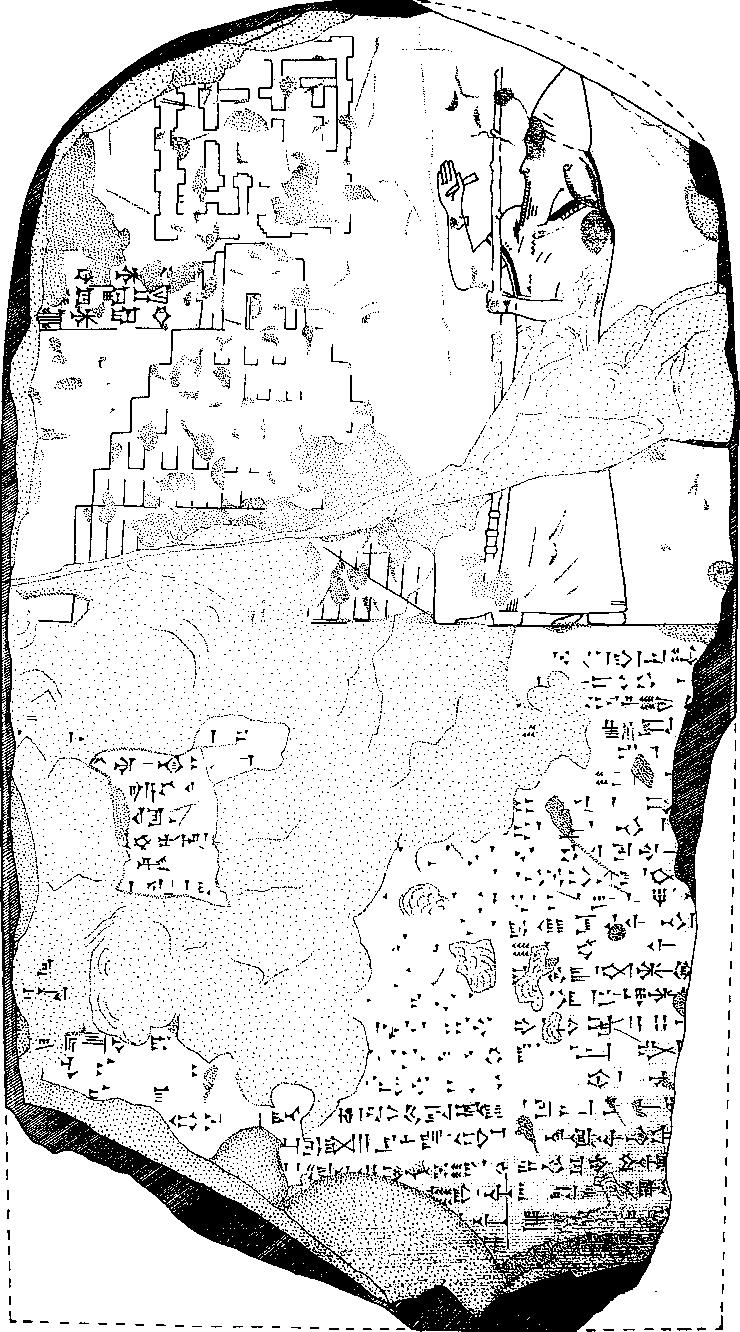
After traveling east and settling on the plain of Shinar, the first thing the people did was bake bricks (Genesis 11:3). In an alluvial Mesopotamian plain where stone was scarce, firing clay into brick and binding it with tar was, in fact, the standard construction method of the region — Scripture’s description matches the geography precisely. The problem was never the material, but the purpose. “Come, let’s build ourselves a city, and a tower whose top reaches to the sky, and let’s make a name for ourselves, lest we be scattered abroad on the surface of the whole earth” (Genesis 11:4, WEB).
Set this one sentence next to the command God had already given, and the true shape of the rebellion comes into view. From the day He made mankind on the sixth day, God blessed them and commanded, “Be fruitful, and multiply, and replenish the earth, and subdue it” (Genesis 1:28, KJV), and after the flood He repeated the same command to Noah and his sons twice over — “Be fruitful, multiply, and replenish the earth” (Genesis 9:1, WEB), “Be fruitful and multiply. Increase abundantly in the earth, and multiply in it” (Genesis 9:7, WEB). The heart of that three-times-repeated command was “fill the earth” — that is, scatter and fill the whole earth. Yet the people of the plain of Shinar declared exactly the opposite: “lest we be scattered abroad.” Scripture itself sets up this contrast explicitly. The Tower of Babel was not mere architectural ambition; it was organized disobedience to the Creator’s repeated command.
The phrase “let’s make a name for ourselves” (Genesis 11:4) is also worth noting. The people did not wait for God to give them a name; they tried to establish their own name through a tower they built with their own hands. How this longing is overturned by the end of the chapter is taken up again below, under “Theme.”
Yahweh Came Down, and the Mercy of Being Scattered (verses 5-9)
“Yahweh came down to see the city and the tower, which the children of men built” (Genesis 11:5, WEB). The people hoped their tower’s top would reach the sky, yet Yahweh had to “come down” merely to see it. This single verse tells us just how low what humanity had built truly was before God. Yahweh, seeing that “they are one people, and they all have one language” (v.6), knows how great the force of this rebellion could become, and He resolves to act. “Come, let’s go down, and there confuse their language, that they may not understand one another’s speech” (Genesis 11:7, WEB).
As a result, “Yahweh scattered them abroad from there on the surface of all the earth. They stopped building the city” (Genesis 11:8, WEB). The very thing the people had schemed to avoid — “lest we be scattered” — became exactly what happened to them. And its name came to be called Babel: “because there Yahweh confused the language of all the earth” (Genesis 11:9, WEB). The name the people had tried to make for themselves became, in the end, the name God gave them in judgment.
This scattering did not end as mere punishment. In Acts 17, Paul declares to the Athenians: “He made from one blood every nation of men to dwell on all the surface of the earth, having determined appointed seasons and the boundaries of their dwellings” (Acts 17:26, WEB). Even the scattering at Babel stood within the sovereign rule of the God who Himself determines the rise and fall of nations and the boundaries of where they dwell. Even after judgment, God’s hand remains over history.
The Genealogy of Shem — The Line of Promise That Follows Judgment (verses 10-32)
Immediately after the judgment of scattering is declared in verse 9, the text moves straight into the genealogy of Shem (verses 10-26). This genealogy takes the same “became the father of… became the father of” form as the genealogy of Adam in Genesis 5, but one thing is missing. Genesis 5 closes each name with the refrain “then he died” (for example, “All the days that Adam lived were nine hundred thirty years, then he died,” Genesis 5:5, WEB), but this refrain of death does not appear in the genealogy of chapter 11. The flow shifts from a genealogy that kept repeating death, to one that presses straight on toward the next name.
That genealogy runs from Shem through Arpachshad, Shelah, Eber, Peleg, Reu, Serug, and Nahor, arriving at Terah, who “became the father of Abram, Nahor, and Haran” (Genesis 11:26, WEB). Verses 27-32 that follow tell how Terah’s family left Ur of the Chaldees for the land of Canaan, but stopped and settled in Haran. The brief note in verse 30 that Sarai was barren is a quiet foreshadowing that, in the very next chapter, God will step into that seemingly impossible situation. In the midst of the “families of the sons of Noah” scattered from Babel (10:32), God was already preparing something new through one family.
Theme — From Babel to the Great Commission: A Redemptive History Where Scattering Is Completed by Gathering
The people of Genesis 11 wanted to “make a name for ourselves” (Genesis 11:4). But in the very next chapter, God establishes a name in an entirely different way. “I will make of thee a great nation, and I will bless thee, and make thy name great; and thou shalt be a blessing” (Genesis 12:2, KJV). The name that humanity tried to build for itself by its own strength, God chooses instead to give, freely and by grace, to one man, Abram. And that promise turns immediately toward the very people who had been scattered at Babel: “in thee shall all families of the earth be blessed” (Genesis 12:3, KJV).
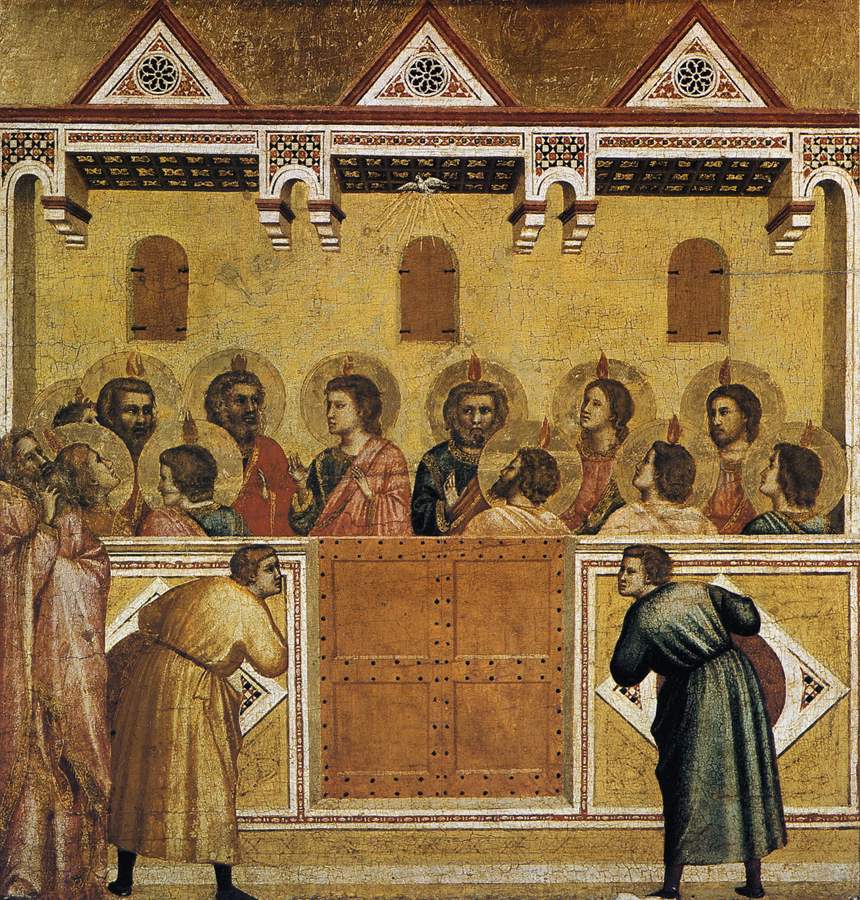
This phrase, “all families” (all nations), does not stop there. At Pentecost, when the Holy Spirit came upon the people gathered in Jerusalem, the disciples “were all filled with the Holy Ghost, and began to speak with other tongues” (Acts 2:4, KJV). Parthians, Medes, Elamites, and people from Mesopotamia, Judea, Cappadocia, Pontus, Asia, Phrygia, Pamphylia, Egypt, the parts of Libya around Cyrene, visitors from Rome, Cretans, and Arabians (Acts 2:9-11) — the descendants of scattered languages hear “everyone… in his own language” (Acts 2:6, WEB) the mighty works of God. The curse of language that made them “not understand one another’s speech” at Babel (Genesis 11:7, WEB) is, at Pentecost, entirely reversed. Where humanity once became one and tried to reach heaven, only to have language torn apart, now, where the Spirit rests on each person individually, one gospel is proclaimed through languages that remain distinct and scattered.
And the risen Lord commands His disciples: “Go ye therefore, and teach all nations, baptizing them in the name of the Father, and of the Son, and of the Holy Ghost” (Matthew 28:19, KJV). The “all nations” scattered at Babel, the “all families” God promised to bless through Abram — these now become the “all nations” the church is sent to make disciples of. This arc of redemptive history reaches its final, completed form in Revelation: “a great multitude, which no man could number, of all nations, and kindreds, and people, and tongues, stood before the throne, and before the Lamb, clothed with white robes” (Revelation 7:9, KJV). The very “tribe, language, people, and nation” scattered at Babel (Revelation 5:9, WEB) gathers again, still in all its scattered variety, before the throne. The scattering of Genesis 11 was not the end — it was the starting point of a redemptive history that, through the Great Commission, is finally made one.
Application
The sin of the people of Babel was not some grand act of wickedness. They simply wanted to live together and leave a name behind. But the moment that longing crowds out the calling God has given, a good desire becomes rebellion. We too often quietly drift toward wanting to “make a name for ourselves” through achievement and recognition. It is worth asking whose ‘name’ our labor and ambition are actually building today.
At the same time, Genesis 11 tells us there is no reason to fear being scattered. Even in the place where He scattered them in judgment, God was preparing, through one man, Abram, a blessing that would reach all nations, and at Pentecost He caused the gospel to be proclaimed through languages left exactly as scattered as they were. This world, divided by different languages and cultures, is not, for those who carry the Great Commission, a reason for fear but a map pointing the way forward. Praying for missionaries, and adding our own small acts of devotion to carrying the gospel across the boundaries of language and culture — this is how we take part in the story that began at Babel and will be completed before the throne in Revelation.
References
- Genesis 11 (KRV, the Korean source text) — Bible.com
- Genesis 11, Korean Revised Version text — Korean Wikisource (public domain)
- Korean Bible Society — Bible copyright information
- Tower of Babel — Wikipedia (historical and archaeological background)
- What is the meaning of the Tower of Babel? — GotQuestions.org
- Tower of Babel in art — Wikimedia Commons
- Acts 2 (KRV, the Korean source text) — Bible.com