
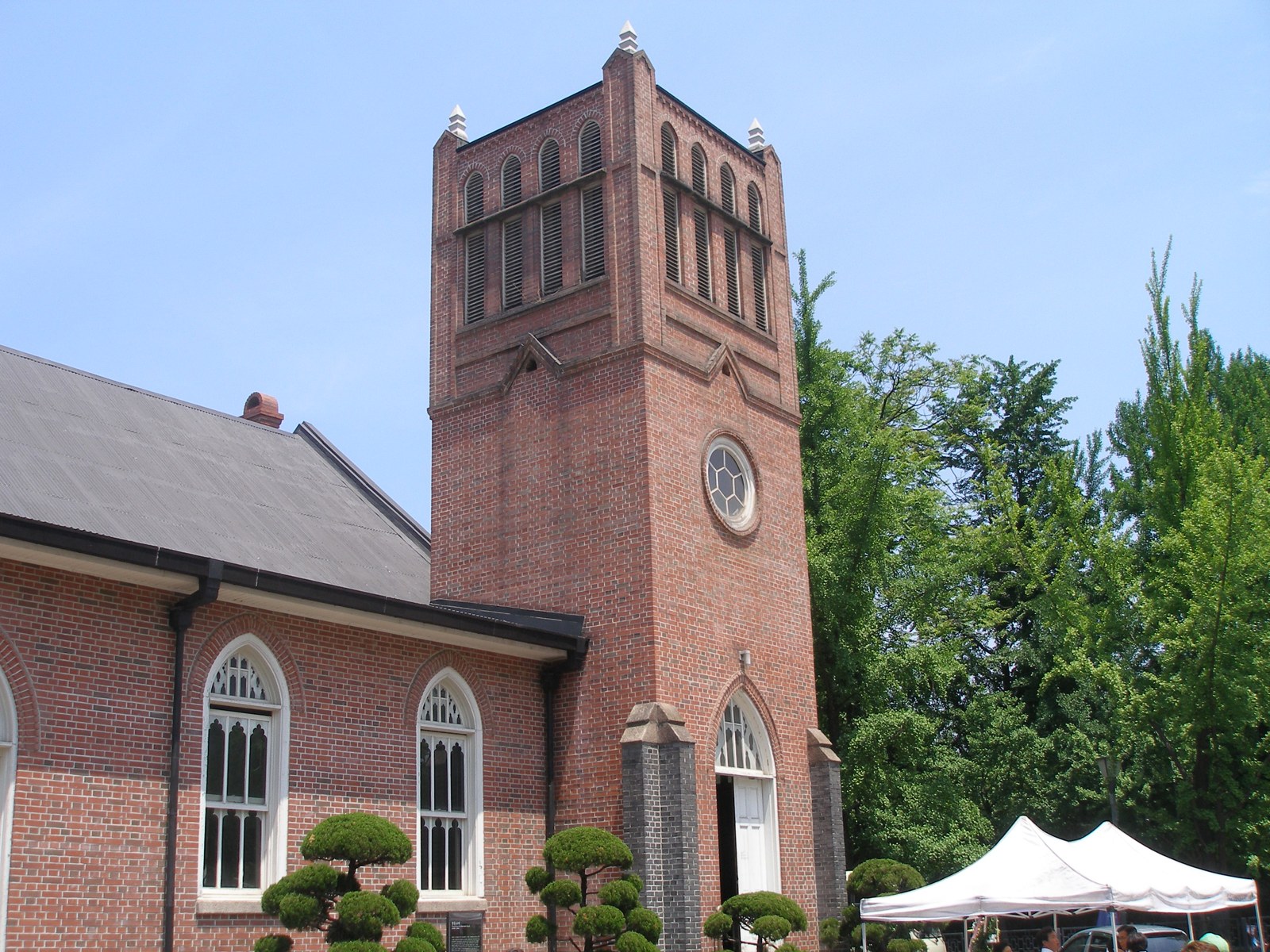
At 11 a.m. on Christmas Eve, 1950, there was not a single stove burning in the sanctuary of Chungdong Church in Seoul. Only about twenty worshippers gathered in the large, undecorated hall, and because there was no pastor, a layman led the service. When he read Matthew 10:29, everyone in the room wept.
Francesca Donner Rhee was there that morning. In her diary she wrote that, of all the services they had ever attended, this one moved them most and would stay with them longest.
Here is Matthew 10:29 and the words that follow it.
Aren’t two sparrows sold for an assarion coin? Not one of them falls on the ground apart from your Father’s will, but the very hairs of your head are all numbered. Therefore don’t be afraid. You are of more value than many sparrows.
Matthew 10:29-31, WEB
Francesca’s War Diary, published in Korean as 6.25 and Syngman Rhee: Francesca’s War Diary (Koreans name the Korean War after the date it began), is a book built out of scenes like this one, laid down day by day. This review does not use the book as material for a political verdict. It reads it as the record of one Christian who passed through the middle of a great tribulation.
What kind of book is this?
The book began as a diary that Francesca Donner Rhee (1900-1992), wife of South Korea’s first president Syngman Rhee, kept in English during the Korean War. It was known as her Confidential Notes, or the Mrs Rhee Diary, and it runs from the first day of the war to the following winter, when UN forces, having fallen back to the 37th parallel, were starting to push north again: roughly eight months.
The diary stayed out of public view for a long time. Beginning in the summer of 1983, Francesca drew on these notes for a 113-part series in the JoongAng Ilbo newspaper titled 6.25 and President Syngman Rhee. In 2010, the war’s 60th anniversary, that series was reorganized, supplemented and published as a book by Guiparang. The Korean translation is by her daughter-in-law, Cho Hye-ja. So what readers hold is a translated and edited memoir series based on an English diary, not the raw diary itself.

The woman who kept the record
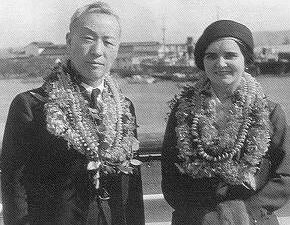
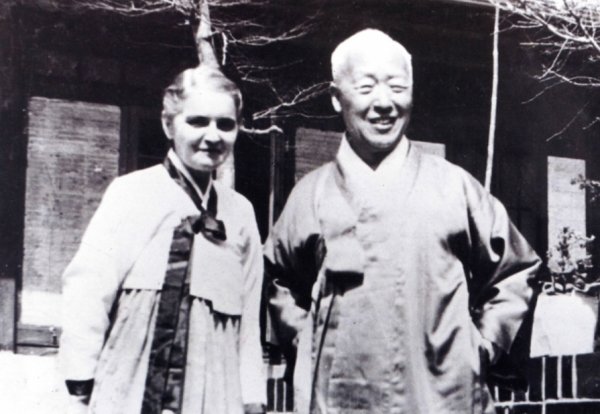
Francesca Donner was born in 1900 in Inzersdorf, on the outskirts of Vienna, Austria. She studied in Scotland, where she qualified as an English interpreter and as a typist and stenographer. She met Syngman Rhee in Geneva in 1933 and married him in New York in 1934. After arriving in Korea in 1946, she typed his letters and documents and worked much like his private secretary.
Once the war broke out, her typewriter hardly rested. One entry from the autumn of 1950 notes that her fingertips were burning after typing from the previous evening onward. A few days earlier she admitted how hard it was to catch up on days of missed entries, and recorded that the president had urged her to write something every day, even a single line. We can read this book today because those short daily records piled up.
Four scenes from the diary
An ordinary morning collapses. On the morning the war began, Francesca went to the dentist to have a molar treated, and the president went fishing at Gyeonghoeru Pavilion. Around 10 a.m. the defense minister hurried into the presidential residence, and the day turned upside down. The diary shows how great events always break into the middle of ordinary days.
A box of heat-rash ointment. In midsummer, some 70 people were living together at the temporary residence in Daegu. Water was so scarce that both of them broke out in heat rash all over, and Francesca managed to obtain a box of medicine from an American general. But as soon as the president saw the box, he handed the whole thing over to be sent to the soldiers at the front, the young men the couple always called our boys. Even the vitamins her family had mailed from Austria went with it. Francesca did not hide that she tried to hold back one tube of ointment and was caught, to her embarrassment.
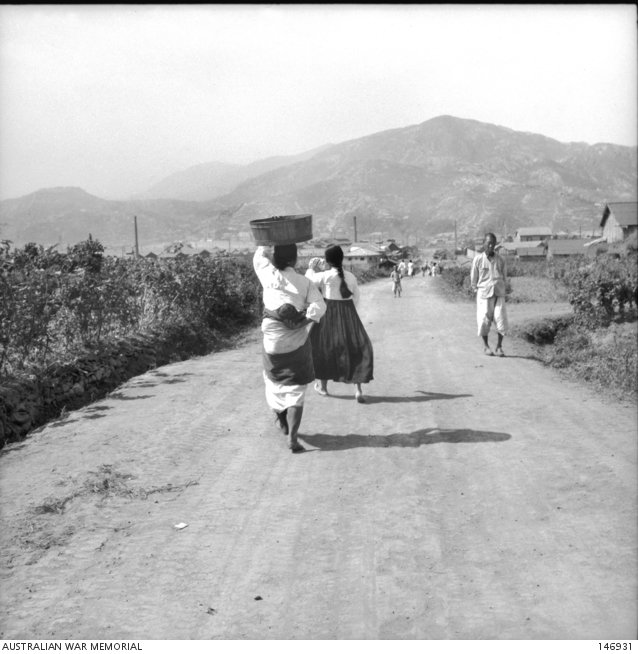
My pain is nothing. On a day when she was suffering from a fever of nearly 40 degrees Celsius and gastritis, she wrote that she at least had people caring for her and regular meals, and then thought of the people who had lost their homes and families and were sitting in the streets with nothing to eat. When she thought of them, she wrote, her own pain was nothing. It is a sentence that sets her suffering beside her neighbors’ suffering and measures it again.
A day that begins with thanks. Her entry for the day the president came back from Pyongyang opens by thanking God that the president had returned safely from Pyongyang. Unable to go with him, she had waited anxiously until he came back. In this passage, faith shows up not in a long confession but in brief words of thanks and anxious waiting.
Matthew 10, read on Christmas Eve
Let us go back to that sanctuary on the day before Christmas. Matthew 10, the chapter read that day, records what Jesus said as he sent out the twelve. He told them he was sending them out as sheep among wolves (Matthew 10:16), and warned them ahead of time that they would be hated because of his name (Matthew 10:22). The comfort of Matthew 10:29-31 is not a promise that there will be no suffering. It is a promise given to disciples who are being sent into the middle of suffering. If not even one sparrow falls apart from the Father’s will, then the people he sends are all the more under his care.
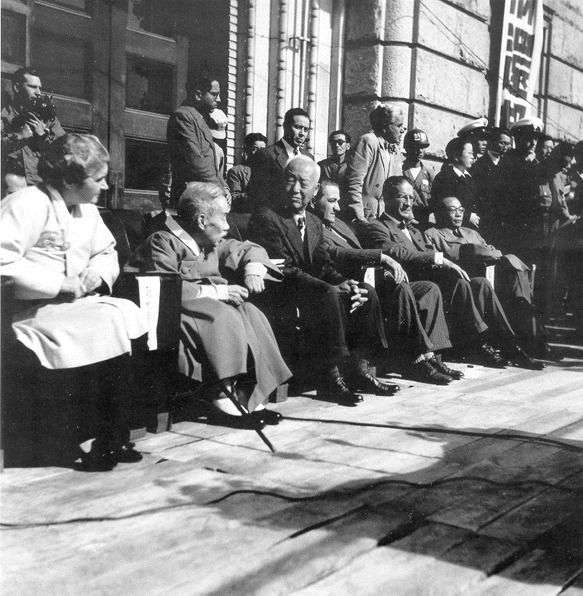
According to the diary, the president encouraged the congregation that day to believe that because God protects us, any enemy, however strong, can be driven back. It is the kind of encouragement one would expect in the middle of a war. But what the text itself promises is deeper than the outcome of a war: the Father knows each frightened disciple one by one. The psalmist points to the same place.
God is our refuge and strength, a very present help in trouble.
Psalm 46:1, WEB
How much she treasured the Bible can be glimpsed in her final requests. When she died in 1992, she left three requests with her daughter-in-law, and one of them was that her Bible be placed in her grave. Her funeral service was held at Chungdong First Methodist Church, the same church where the Christmas Eve service in her diary took place.
Reading it critically
Reading this book honestly means keeping a few things in mind. First, it is a personal record written from the place closest to the president. Its view of her husband is warm, and it cannot hold the suffering and judgments of people who lived through the same months in other places. Second, the book we have went through a newspaper series more than 30 years later, translation and editing. It is arranged by date, but we cannot assume every sentence is exactly what she wrote that day. Third, people who knew Francesca remembered her differently. Some recalled her as stingy and cold; others remembered her as remarkably frugal and careful.
So the book is best read not as history’s final verdict but as the voice of one witness. Read that way, one Christian’s faith actually looks more human. She wavered, she begrudged a single tube of ointment, and she blamed her own quick eye for other people’s faults. And that same person wept in a freezing sanctuary as Matthew 10 was read aloud.
Who should read this book
I recommend this book to readers who want to look at modern Korean history one person’s day at a time, and to anyone who wants to understand the faith of the generation that lived through war and displacement. Above all, for Christians passing through their own troubles today, the book raises one question: where am I holding on to the promise Jesus gave as he sent out his disciples? It does not have to be a grand confession. The life of a disciple who lives that promise begins in small choices: one line of record, one word of thanks, one portion given up for a neighbor.
References
- Aladin: 6.25 and Syngman Rhee: Francesca’s War Diary, original edition record (in Korean)
- Aladin: bibliographic record of the paperback edition (in Korean)
- New Daily (2010): publication background and diary excerpts (in Korean)
- Monthly Chosun (2019): review of the book (in Korean)
- Encyclopedia of Korean Culture: Francesca Donner (in Korean)
- Korean Wikipedia: Francesca Donner (final requests, funeral, contemporaries’ views)
- bible.com: Matthew 10 in the Korean Revised Version (KRV)
- bible.com: Psalm 46 in the Korean Revised Version (KRV)
- BibleHub: Matthew 10:29 parallel translations (WEB)
- BibleHub: Psalm 46:1 parallel translations (WEB)