
If you could memorize only one verse from the whole Bible, which would you choose? Many Christians name John 3:16 without hesitation. God’s love, the giving of his only Son, faith, eternal life — the heart of the gospel is held whole within a single sentence. That is why the Reformer Martin Luther is said to have called this verse “the gospel in miniature.” In this article we will meditate on John 3:16 verse by verse, look at the setting it came from, and share practical ways to treasure it in memory.
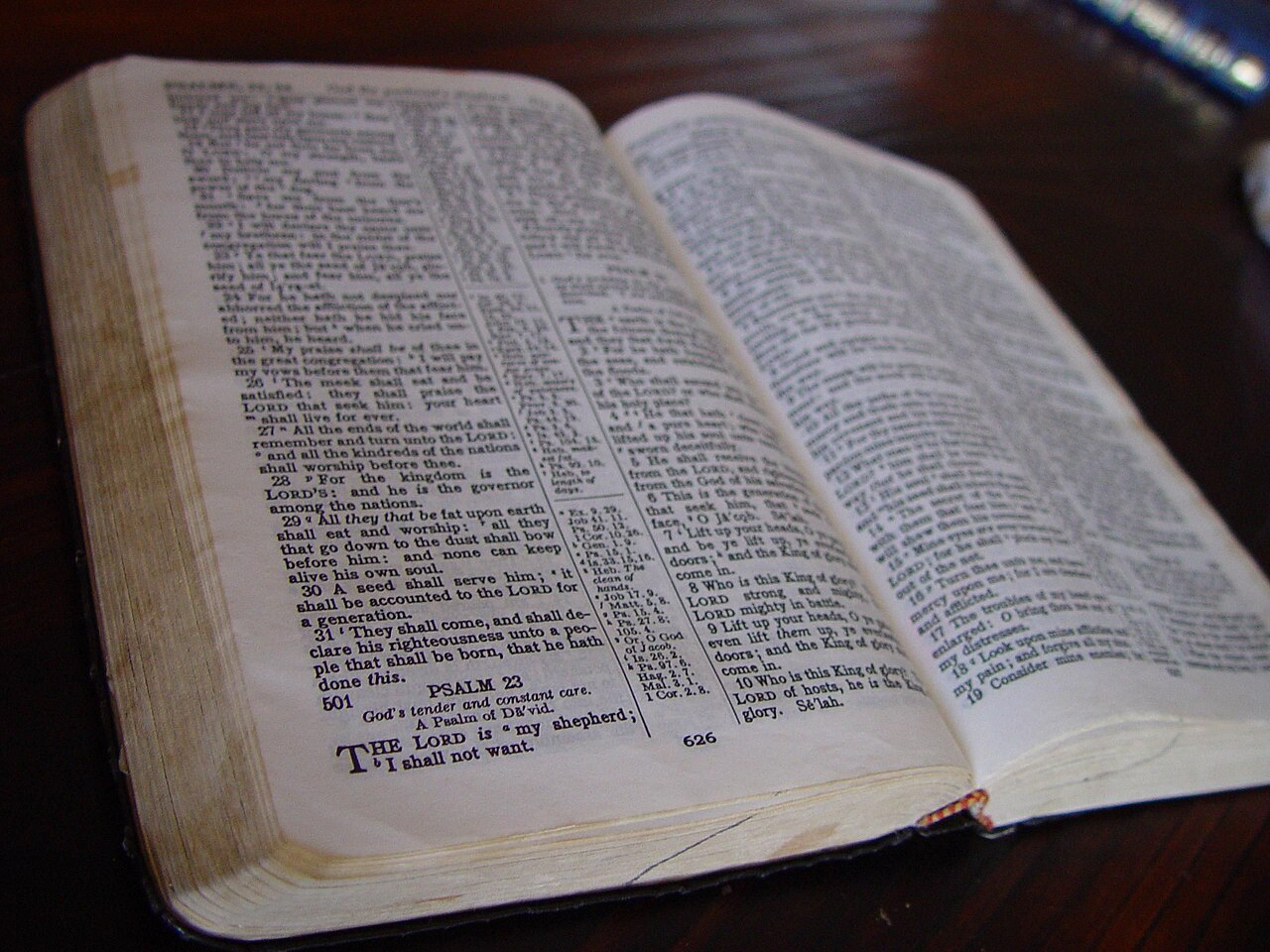

Today’s Memory Verse — John 3:16
For God so loved the world, that he gave his only begotten Son, that whosoever believeth in him should not perish, but have everlasting life.
— John 3:16 (KJV)
(The English Scripture quotations in this article are taken from the King James Version (KJV) and the World English Bible (WEB), both in the public domain.)
It reads in a single breath, yet within this short sentence stands the One who loves (God), the object of his love (the world), the proof of that love (the giving of his only Son), the way to receive it (faith), and the two possible endings (perishing or eternal life). This is why it is the first verse a child learning the gospel memorizes, and the verse a lifelong believer clings to even at the hour of death.
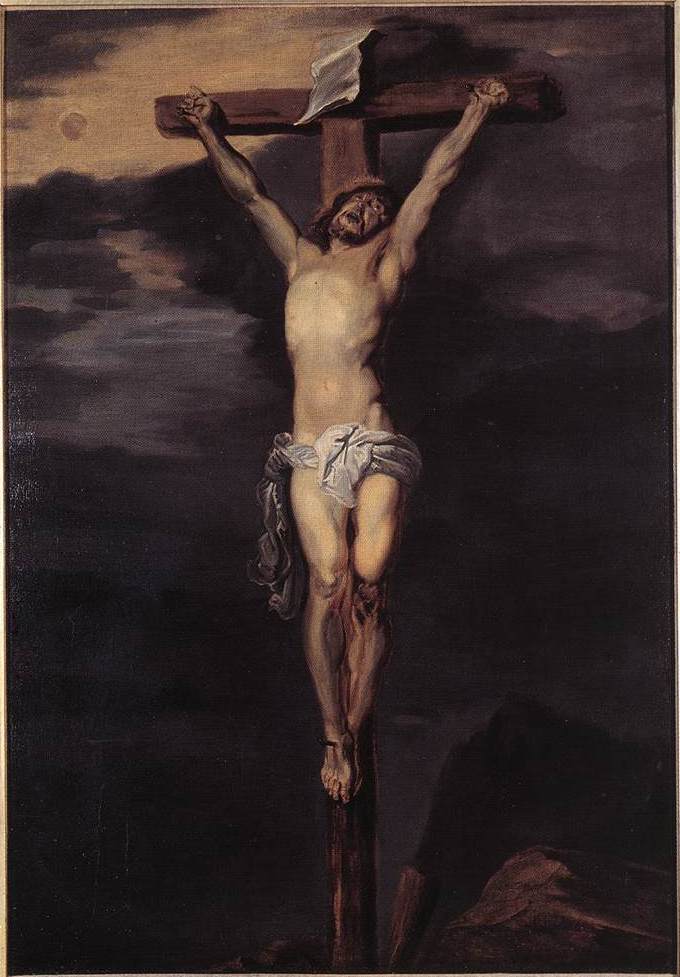
The Gospel in One Verse — Four Points for Meditation
John 3:16 falls naturally into four phrases. Chew on each one in turn, and memorizing becomes meditation.
1. “For God so loved the world” — Love begins with God
The subject of the sentence is ‘God.’ In the Greek as well, the one who loves is God, and the object of his love is ‘the world (κόσμος).’ Love, then, is not a reaction we drew out by first seeking God; it is an active love that flowed first from God. The verb here, ‘to love (ἀγαπάω, agapaō),’ does not mean an emotional attraction but a love that wills and chooses the good of another. The apostle Paul testifies to the same truth — “But God commends his own love toward us, in that while we were yet sinners, Christ died for us” (Romans 5:8, WEB). Love poured out ‘before’ we were qualified to be loved — that is where the gospel begins.
2. “That he gave his only begotten Son” — Love is proven by giving
The Greek word translated ‘only begotten Son,’ ‘monogenēs (μονογενής),’ means ‘one and only, the only one of its kind.’ God had a single Son beyond all comparison, and his love was shown precisely by ‘giving’ that Son. Love is proven not by words but by giving. John unfolds this same love in another letter — God sent his only Son into the world so that we might live through him, and love consists not in our having loved God but in his loving us and sending his Son as the atoning sacrifice for our sins (see 1 John 4:9-10). In the single word ‘gave’ lies the costly price of the cross.
3. “Whosoever believeth in him” — An invitation open to anyone
The way to receive salvation is not merit but ‘faith.’ The Greek ‘pisteuō (πιστεύω)’ means not merely acknowledging a fact, but ‘entrusting and committing’ oneself to him in trust. The word to watch even more closely is ‘whosoever.’ The original ‘everyone who believes (πᾶς ὁ πιστεύων)’ is a universal invitation that excludes no nation, no status, no past. John’s Gospel had already thrown that door wide open in its first chapter — “But as many as received him, to them he gave the right to become God’s children, to those who believe in his name” (John 1:12, WEB). Within ‘whosoever believes’ there is a place for you.
4. “Should not perish, but have everlasting life” — A parting of two roads
This verse sets two endings squarely face to face. ‘To perish (ἀπόλλυμι, apollumi)’ is not mere annihilation but a spiritual ruin, a being cut off from life with God. On the opposite side stands ‘eternal life (ζωὴ αἰώνιος).’ Eternal life is not merely time stretching on without end, but the ‘quality’ of life enjoyed in fellowship with God here and now. At the close of the same chapter John makes this parting even clearer — the one who believes in the Son has eternal life, while the wrath of God remains on the one who rejects him (see John 3:36). Before the invitation of love, there is no neutral ground.
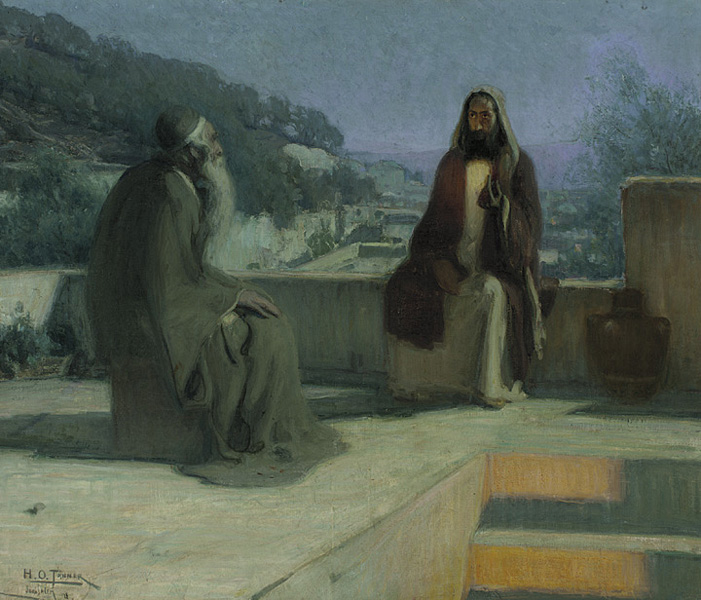
The Setting — A Night Conversation with Nicodemus
John 3:16 is not an aphorism floating in the air. These words flowed out from the middle of a night conversation with a man named ‘Nicodemus’ (John 3:1-21). Nicodemus was a Pharisee and a ruler of the Jews — a member of the Sanhedrin council. His coming to Jesus ‘by night’ was likely a cautious move to avoid being seen. Jesus immediately presses to the heart of the matter — unless a person is ‘born again,’ he cannot see the kingdom of God (see John 3:3). The word translated ‘born again’ carries the double sense of ‘again’ and ‘from above,’ pointing not to lineage or religious standing but to a spiritual birth ‘of water and the Spirit’ (see John 3:5).
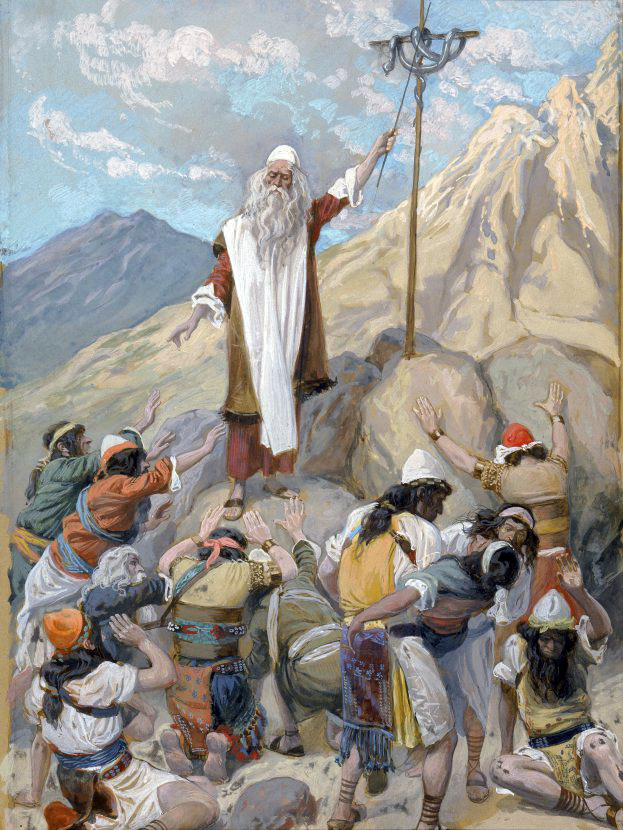
Within that conversation Jesus draws on an old picture — “As Moses lifted up the serpent in the wilderness, even so must the Son of Man be lifted up” (John 3:14, WEB). This points back to the event in Numbers 21. The Israelites, dying from the bite of venomous serpents, lived simply by ‘looking’ at the bronze serpent Moses lifted high on a pole (see Numbers 21:4-9). Jesus says that very serpent was a shadow pointing to himself. Whoever ‘looks’ in faith to the Christ ‘lifted up’ on the cross will ‘live’ — lifting up, looking, and life carry straight over into the love, faith, and eternal life of verse 16. And so verse 17 nails down the purpose once more — “For God didn’t send his Son into the world to judge the world, but that the world should be saved through him” (John 3:17, WEB).
Why Memorize This One Verse
John 3:16 has gathered several nicknames through church history: ‘the golden text of the Bible,’ ‘everyman’s text,’ and the ‘gospel in miniature’ we saw above. Because one sentence compresses the whole gospel, treasuring this single verse in the heart is to take in the entire framework of the gospel at once. In fact, in a digital survey by the relief organization World Vision, John 3:16 was found to be the most-searched Bible verse in the world. Across countless languages and nations, people are still searching out the love of God within this one verse.
Above all, this verse is the language of evangelism. When we share the gospel, we can begin not with a long theology lecture but with this single sentence. One memorized verse becomes a key that opens someone’s heart — treasuring this verse is the simplest first step in living out the Great Commission (Matthew 28:19-20).

How to Memorize It — In Four Pieces
Trying to swallow a long verse whole gives you indigestion. The mission organization The Navigators commends these principles for Scripture memory: start short, read it with its context, apply it to life, and review it regularly. John 3:16 memorizes naturally when broken into the following four pieces.
- For God so loved the world — who, and whom
- that he gave his only begotten Son — how
- that whosoever believeth in him — the way to receive
- should not perish, but have everlasting life — the result
Read one piece aloud, then add the next and read again, repeating as you go. Fix the ‘verse number (John 3:16)’ on your lips together with the text, and you will be able to cite it precisely when you need it. Repeat three times a day for just one week, and this verse becomes a lifelong treasure.

Questions for Reflection and Application
- “For God so loved the world” — have you ever read your own name into that ‘world’? Try reading it that way once today.
- Love was proven by ‘giving.’ What is one concrete act of ‘giving’ the love you have received to someone else?
- If you were to carry the ‘whosoever believes’ invitation to one person who does not yet know the gospel, to whom would you bring it first?
- This week, will you break John 3:16 into four pieces and memorize it completely?
References
- Korean Bible Society — Reading John chapter 3 (Korean text)
- Bible Hub — John chapter 3 in Korean (incl. the public-domain Korean Revised Version)
- Bible Hub — John 3:16 Greek interlinear (original language and grammar)
- Bible Hub — John 3:16 classic commentaries (Henry, Calvin, Pulpit, and more)
- BibleRef — Commentary on John chapter 3 (Nicodemus, the new birth, the bronze serpent)
- Wikipedia (Korean) — John 3:16 (translation comparison and the ‘gospel in miniature’ background)
- The Navigators — How to Memorize Scripture (practical methods for Scripture memory)
- Christian Today — John 3:16, the world’s most-searched Bible verse (World Vision survey)