
The English Scripture quotations here are from the King James Version (KJV) and the World English Bible (WEB), both public domain.
Genesis 1 closed with “it was very good,” and Genesis 2 ended with the man and his wife “naked, and they were not ashamed.” But as chapter 3 opens, a fracture runs through that good world. The one who knew no shame now covers himself with leaves; the one who walked with God now hides from His face. Genesis 3 records humanity’s deepest tragedy—the entrance of sin and death—yet in the very heart of that tragedy it shines the earliest promise of the gospel. This chapter not only explains “how did it come to this,” but for the first time whispers “and yet, how shall it be restored.”
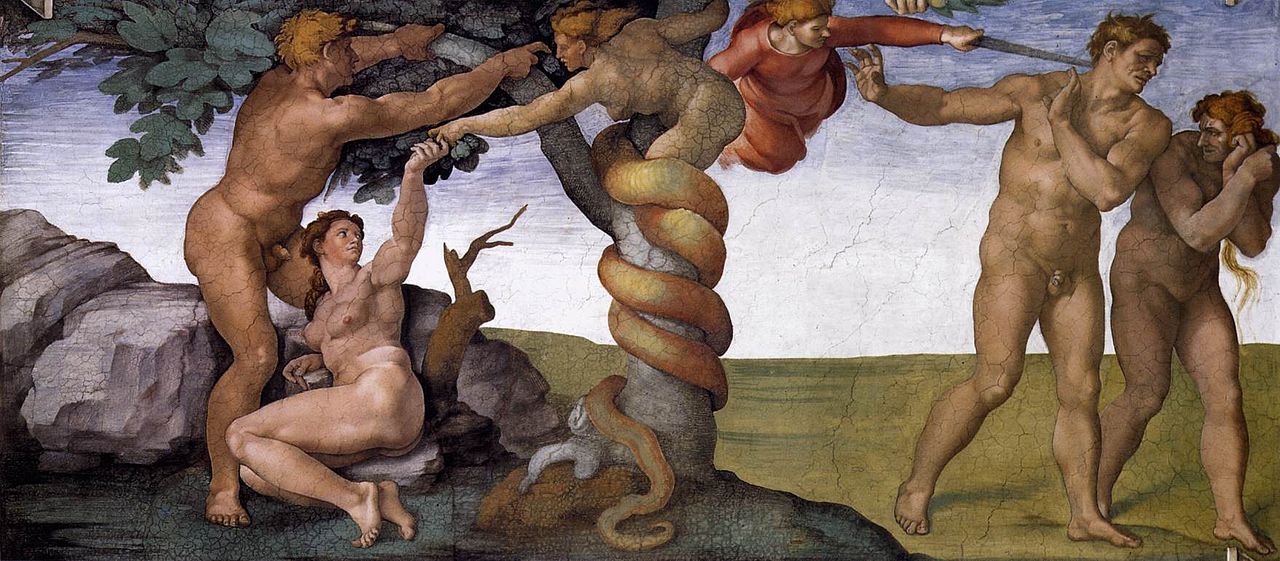
The Subtle Question of the Serpent (Gen 3:1-5)
The text introduces the serpent this way:
Now the serpent was more subtle than any animal of the field which Yahweh God had made. He said to the woman, “Has God really said, ‘You shall not eat of any tree of the garden’?” (Genesis 3:1, WEB)
The serpent’s first words are not a command but a question: “Has God really said?” The question does not deny God’s word outright—it merely shakes it. God had generously granted, “You may freely eat of every tree of the garden” (Gen 2:16, WEB); the serpent twists that abundance into a stingy prohibition. Temptation begins by making us suspect that God is one who withholds rather than one who gives.
Then the serpent moves to an outright lie:
The serpent said to the woman, “You won’t really die, for God knows that in the day you eat it, your eyes will be opened, and you will be like God, knowing good and evil.” (Genesis 3:4-5, WEB)
God had said, “you will surely die” (Gen 2:17, WEB); the serpent says, “You won’t really die”—a flat “No” planted directly against God’s word. Jesus exposed this serpent’s identity: “He was a murderer from the beginning, and doesn’t stand in the truth, because there is no truth in him. When he speaks a lie, he speaks on his own; for he is a liar, and the father of lies” (John 8:44, WEB). Revelation names that serpent “the old serpent, he who is called the devil and Satan” (Rev 12:9, WEB). The temptation in Eden was not merely an animal’s speech but the first assault of a spiritual power set against God.
Good for Food, a Delight to the Eyes, Desirable (Gen 3:6-7)
Once the temptation entered the heart, desire went to work:
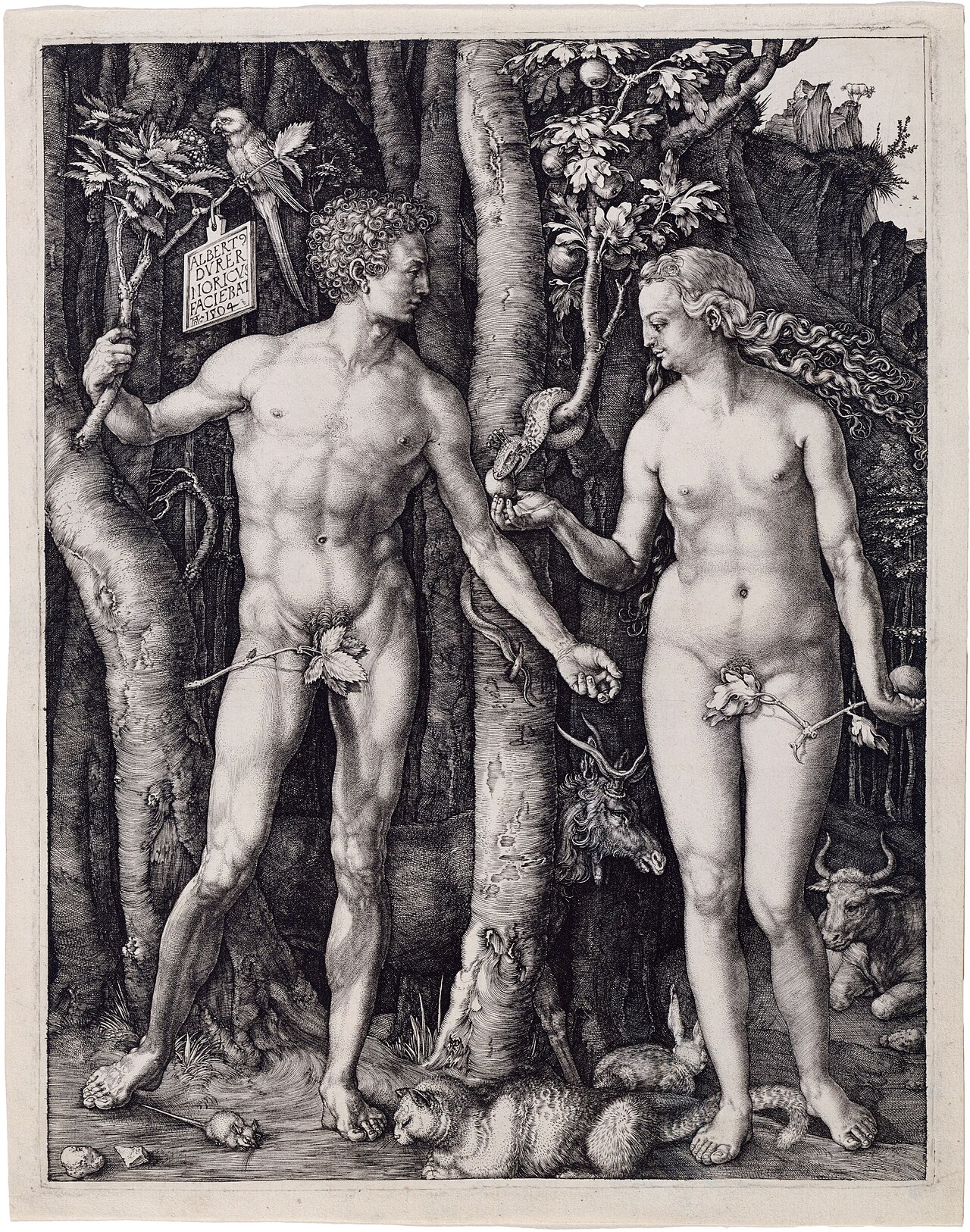
When the woman saw that the tree was good for food, and that it was a delight to the eyes, and that the tree was to be desired to make one wise, she took some of its fruit, and ate. Then she gave some to her husband with her, and he ate it, too. (Genesis 3:6, WEB)
“Good for food” speaks to the appetite of the body; “a delight to the eyes,” to the craving of the eyes; “desirable to make one wise,” to the urge to exalt the self. The apostle John summarized the structure of sin that grips the world in exactly these three:
For all that is in the world, the lust of the flesh, the lust of the eyes, and the pride of life, isn’t the Father’s, but is the world’s. (1 John 2:16, WEB)
That Genesis 3:6 (“good for food, a delight to the eyes, desirable”) overlaps so precisely with 1 John 2:16 (“the lust of the flesh, the lust of the eyes, the pride of life”) is no accident. Every sin has flowed down the same channel through which the first sin worked. Later, when the last Adam was tested in the wilderness, He met these same three temptations (turn stones to bread, throw yourself down, take the kingdoms—Matt 4:1-11) and overcame each by the word, retracing exactly the ground where the first Adam fell, and winning.
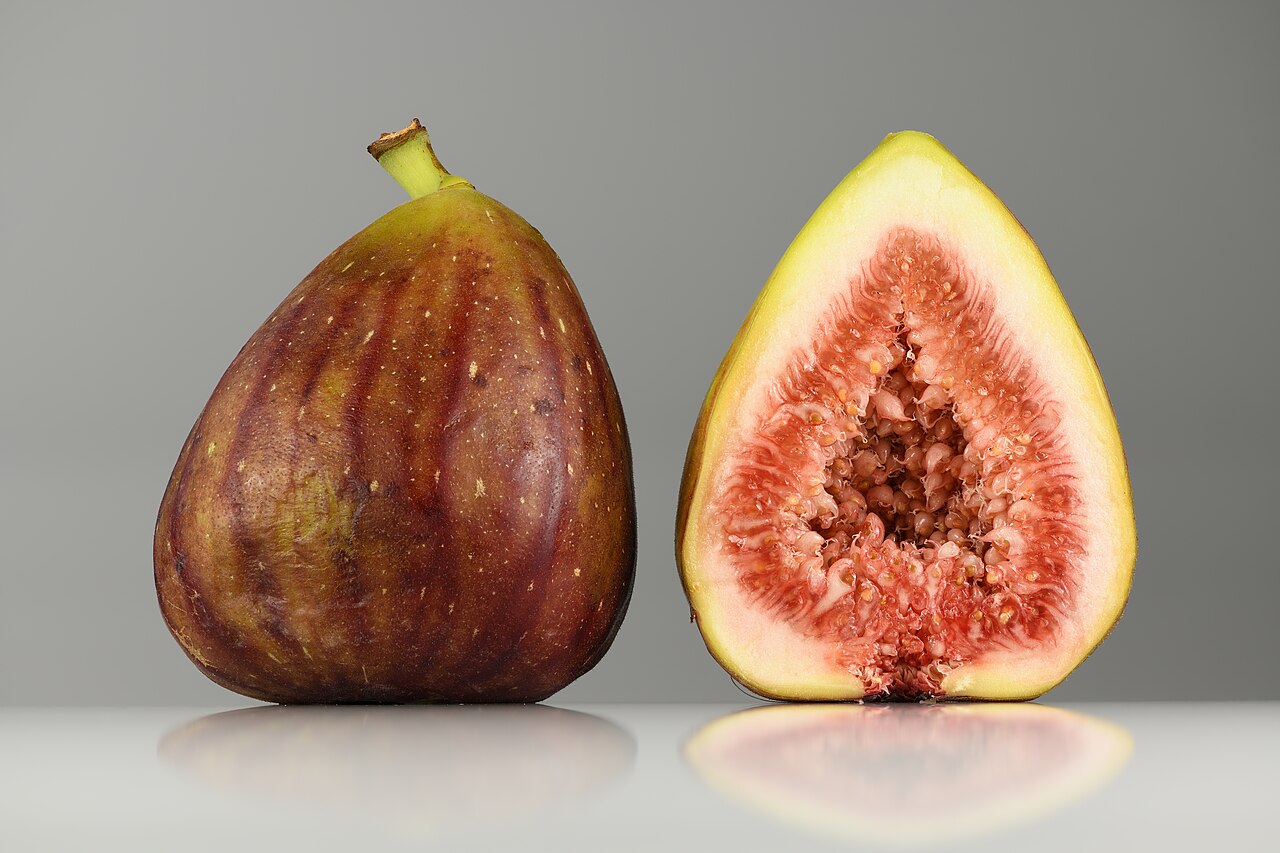
Their eyes were opened, and they both knew that they were naked. They sewed fig leaves together, and made coverings for themselves. (Genesis 3:7, WEB)
Just as the serpent had said, their “eyes were opened.” But what those opened eyes saw was not divine glory but their own nakedness—their shame. At once they tried to cover that shame themselves. The aprons of fig leaves are humanity’s first religion: the attempt to cover sin by one’s own strength. How insufficient that leaf-covering was becomes clear at the end of this chapter, set against the garment God Himself makes.
“Where Are You?” — The God Who Seeks the Hidden (Gen 3:8-13)
The first fruit of sin is fear and hiding:
They heard Yahweh God’s voice walking in the garden in the cool of the day, and the man and his wife hid themselves from the presence of Yahweh God among the trees of the garden. (Genesis 3:8, WEB)
The “cool of the day” that had once been time spent walking with God now became a time to avoid. Sin makes a person hide—from God, and from one another. Yet the one who comes seeking first is God:
And the LORD God called unto Adam, and said unto him, Where art thou? (Genesis 3:9, KJV)
God did not ask because He had lost track of Adam. The question is a gracious summons that draws the hidden one out to face himself. That God’s first act after sin entered—before pronouncing judgment—was to seek, sets the tone of the whole chapter. But the man’s reply is blame-shifting. Adam says, “The woman whom you gave to be with me… she gave me of the tree” (Gen 3:12), blaming both his wife and God, and the woman says, “The serpent deceived me” (Gen 3:13), passing it to the serpent. Sin shatters relationships, and broken relationships show themselves in fingers pointed at one another.
The Seed of the Woman — The First Gospel in the Heart of the Curse (Gen 3:14-15)
God judges the serpent first. Yet in the very middle of that word of judgment, a promise that will run through the whole of Scripture shines out for the first time:
And I will put enmity between thee and the woman, and between thy seed and her seed; it shall bruise thy head, and thou shalt bruise his heel. (Genesis 3:15, KJV)
The church has long called this verse the protoevangelium, the “first gospel.” Already in the second century the church father Irenaeus read “the seed of the woman” as Christ who would crush the head of Satan, and the Reformers too held this verse firmly as the first gospel pointing to Christ. In the very heart of the curse, the seed of redemption was already planted. The “seed of the woman” bruises the serpent’s head—a mortal blow—while the serpent bruises the heel of that seed—a place where it wounds but cannot kill. On the cross Christ’s heel was bruised (He died), yet by that very death He crushed the head of the devil.
The New Testament testifies again and again to the fulfillment of this promise. Paul proclaims the incarnation as being “born to a woman”:
But when the fullness of the time came, God sent out his Son, born to a woman, born under the law. (Galatians 4:4, WEB)
Hebrews makes clear how that seed bruised the serpent’s head: “that through death he might bring to nothing him who had the power of death, that is, the devil” (Heb 2:14, WEB)—the paradox that a heel-wounding death is what renders the devil powerless. At last Paul promises the church that this victory will extend to them:
And the God of peace will quickly crush Satan under your feet. The grace of our Lord Jesus Christ be with you. (Romans 16:20, WEB)
The promise of Genesis 3:15, “it shall bruise thy head,” echoes in Romans 16:20, “crush Satan under your feet.” The war of the seed that began in Eden is brought to cosmic completion in Revelation 12. A single verse of promise flows across the whole of Scripture.
Toil, Sorrow, and Return to Dust (Gen 3:16-19)
Judgment reaches the man and woman as well. To the woman come the pain of childbirth and the straining of relationship; to the man, the curse of the ground and toil.
In the sweat of thy face shalt thou eat bread, till thou return unto the ground; for out of it wast thou taken: for dust thou art, and unto dust shalt thou return. (Genesis 3:19, KJV)
“Unto dust shalt thou return”—this is the wage of sin, death (Rom 6:23). Through one man’s trespass death entered the whole human race: “as sin entered into the world through one man, and death through sin; and so death passed to all men” (Rom 5:12, WEB). Not only humanity but the ground itself was cursed, so that the whole of creation now groans together: “For we know that the whole creation groans and travails in pain together until now” (Rom 8:22, WEB). And yet that very sentence of “returning to dust” becomes the stage on which the resurrection of the last Adam will overturn it.
And He Clothed Them with Garments of Skin (Gen 3:20-21)
Right after the word of judgment, God does something unexpected:
Yahweh God made coats of animal skins for Adam and for his wife, and clothed them. (Genesis 3:21, WEB)
The man had covered himself with fig leaves (Gen 3:7), but that leaf-covering soon withered and fell short. Now God Himself makes “coats of skins” and clothes them. The contrast between the leaves and the skins is sharp. The leaves were made by the man; the skins were provided by God. The leaves came from a plant, but the skins presuppose the death of a living creature—the first death hinted at in Scripture, a beast dying in the place of the man to cover his shame.
The text does not dwell on that animal’s death. But the whole sweep of Scripture makes the meaning of this first garment plain: “without shedding of blood is no remission” (Heb 9:22, KJV). The first blood shed in Eden was the first drop in the stream of redemptive history that runs to Abel’s offering (Gen 4:4), to the Levitical sacrifices, and at last to the cross of Calvary. Human self-righteousness is as insufficient as fig leaves—“all our righteousness is like a polluted garment” (Isa 64:6, WEB)—but only the garment God provides covers our shame completely. This is fulfilled in the New Testament call to “put on the Lord Jesus Christ” (Rom 13:14). As God clothed them with His own hand in Eden, so the believer puts on Christ Himself like a garment.
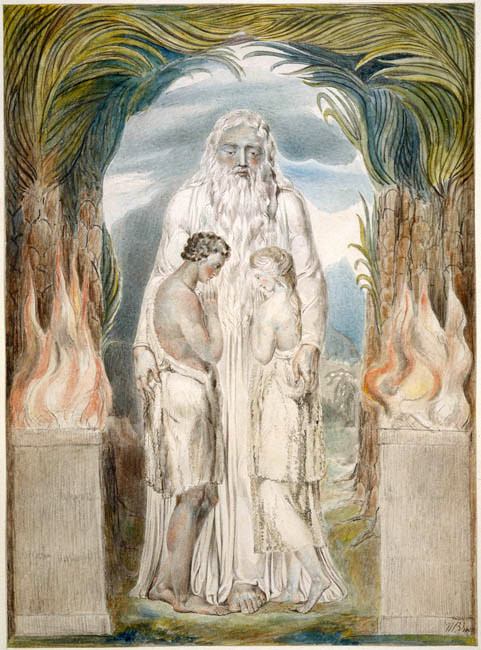
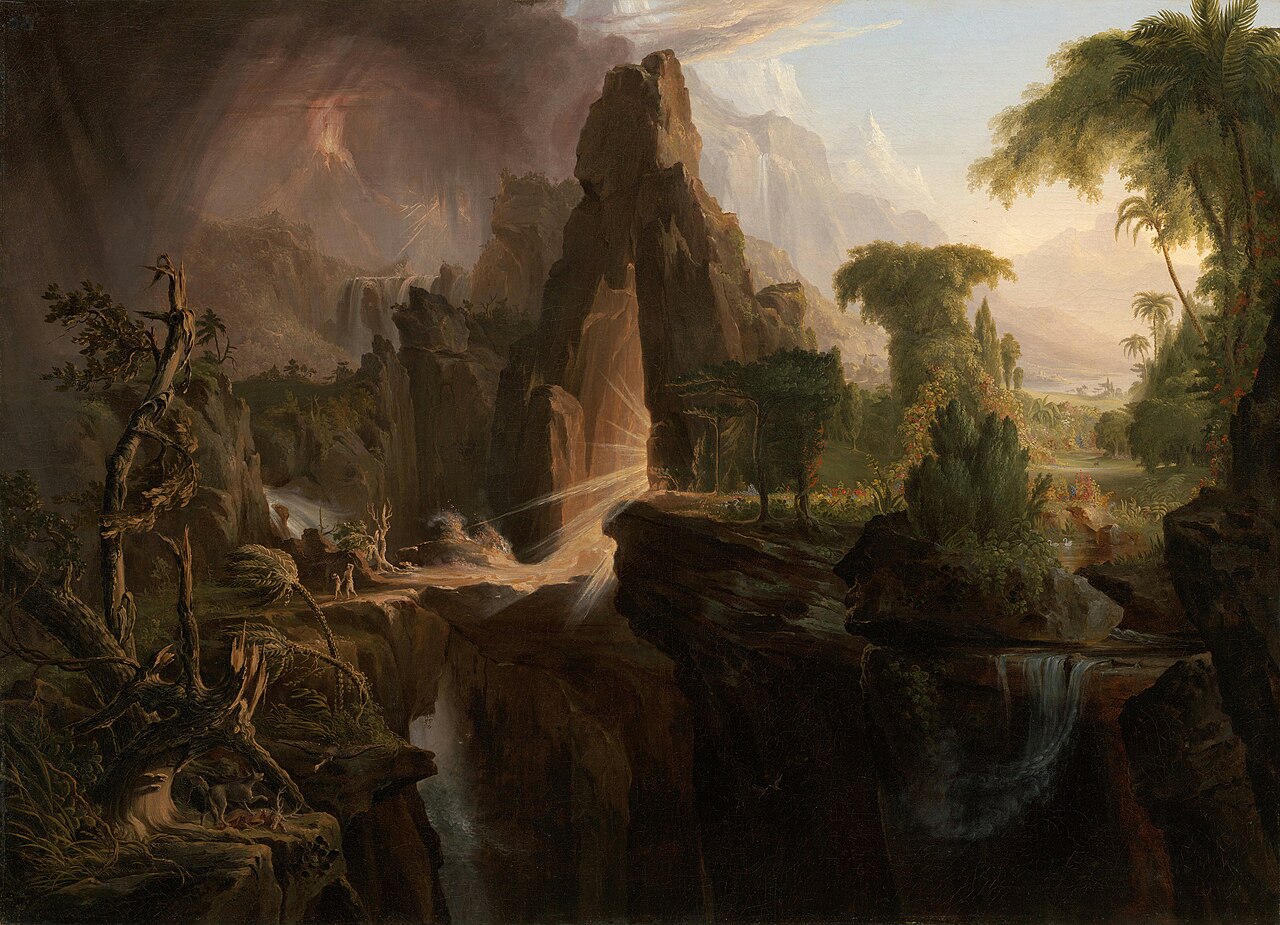
Guarding the Way to the Tree of Life — Driven from Eden (Gen 3:22-24)
Finally, God sends the man out of the garden:
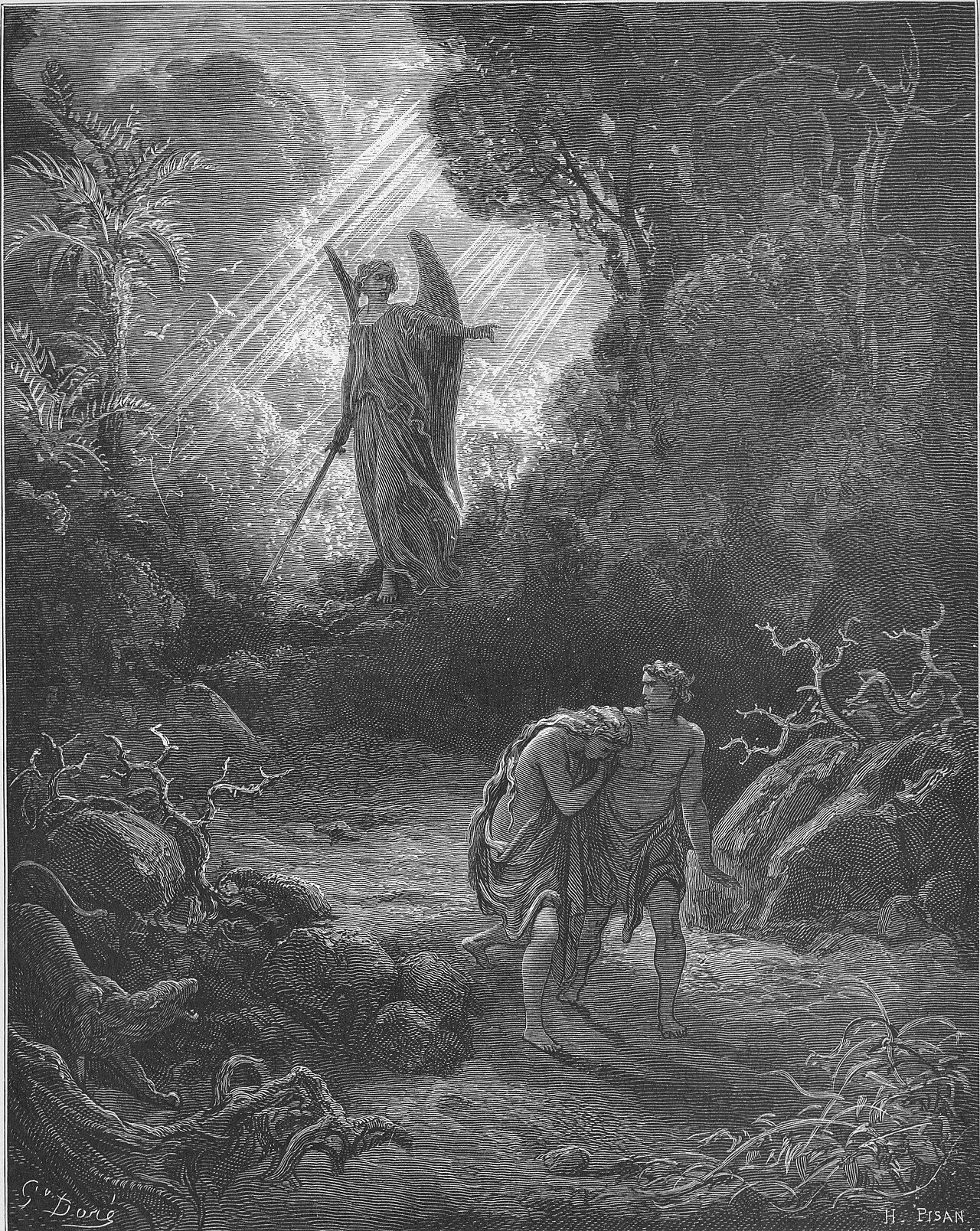
So he drove out the man; and he placed cherubim at the east of the garden of Eden, and a flaming sword which turned every way, to guard the way to the tree of life. (Genesis 3:24, WEB)
This expulsion is not only punishment. The text gives the reason: lest he “put out his hand, and take also of the tree of life, and eat, and live forever” (Gen 3:22). To be fixed forever in the state of sin and death—to live eternally while fallen—is the most hopeless fate of all. God’s barring of the way to the tree of life is a barring that holds a purpose: not to lock the man into eternal misery, but to restore life along another way. So the last book of Scripture promises that the closed tree of life will open again: “the tree of life… bearing twelve kinds of fruits” (Rev 22:2, WEB), “Blessed are those who do his commandments, that they may have the right to the tree of life” (Rev 22:14, WEB). The way to the tree of life, barred in Eden, opens again in the New Jerusalem to those who have washed their robes in the blood of the Lamb.
The First Adam and the Last Adam
Genesis 3 is the story of one man’s disobedience. Yet Scripture sets this story alongside another man’s obedience. Paul calls Adam “a foreshadowing of him who was to come” (Rom 5:14): as Adam’s act as the representative of humanity reached everyone, so what Christ did as the representative of a new humanity reaches everyone.
For as through the one man’s disobedience many were made sinners, even so through the obedience of the one, many will be made righteous. (Romans 5:19, WEB)
If Adam’s disobedience brought in sin and death, Christ’s obedience brought in righteousness and life. The sentence of Genesis 3:19, “unto dust shalt thou return,” receives its answer in the resurrection:
For as in Adam all die, so also in Christ all will be made alive. (1 Corinthians 15:22, WEB)
And so it is written, The first man Adam was made a living soul; the last Adam was made a quickening spirit. (1 Corinthians 15:45, KJV)
The first Adam was made of dust and received life; the “last Adam,” Christ, is the one who gives life. What was shut in Genesis 3 is opened in 1 Corinthians 15. The despair of Genesis 3 is overturned in the hope of the resurrection. So Genesis 3 records the fall of humanity and, at the same time, is a finger pointing to the “seed of the woman” who would restore that fall.
Disciples Who Rise from the Dust and Put On Christ
Genesis 3 is also our own story. We too are shaken by the question “Has God really said?”, reach out for what is good for food and a delight to the eyes, and—when our sin is exposed—cover ourselves with leaves or hide while blaming others. But this chapter teaches us four things clearly.
First, hold fast to God’s word as it is. Temptation always begins by twisting God’s word and making us doubt it. As Jesus overcame every test in the wilderness with “It is written” (Matt 4), the disciple’s first weapon is the word, undistorted.
Second, do not hide; come to the call, “Where are you?” When we sin, our instinct is to hide and to shift blame. But God is still the one who seeks. Confessing sin and coming into the light is the way of restoration (1 John 1:9).
Third, take off your own leaves and put on the garment God provides. The religious efforts we stitch together ourselves wither like fig leaves. Only the robe of righteousness God has prepared in Christ covers our shame: “put on the Lord Jesus Christ” (Rom 13:14).
Fourth, look to the seed of the woman. The deepest message of Genesis 3 is not “you are sinners” but “a seed is coming for you.” The Great Commission—to make disciples of all nations (Matt 28:18-20)—stands upon the fulfillment of this very promise. The gospel we proclaim is the story of that “seed of the woman,” beginning in Eden, completed at Calvary, and reaching its glory in the New Jerusalem.
References
- Korean Revised Version (1961, public domain), Genesis (Wikisource)
- Korean Bible Society — Bible translations and copyright information
- GotQuestions — The protoevangelium (Genesis 3:15)
- BibleHub — Genesis 3:21 commentaries (garments of skin, type of substitution)
- BibleHub — Romans 5:19 commentaries (the first and last Adam)
- BibleRef — Hebrews 9:22 (without shedding of blood there is no remission)
- Wikimedia Commons — Paintings of the Expulsion of Adam and Eve (expulsion scenes; individual image credits in each caption)