
Anyone who reads Matthew to the very end is stopped by one fact. The Gospel’s final scene is not the empty tomb but a command given on a mountain in Galilee. On that mountain the risen Jesus met the eleven disciples and left the words we usually call the Great Commission. Read this familiar passage slowly, and one center of gravity comes clearly into view. Going, baptizing, and teaching all belong to the command, but everything points to a single center: make disciples.
The Text: Matthew 28:18-20 (WEB)
Jesus came to them and spoke to them, saying, All authority has been given to me in heaven and on earth.
Go, and make disciples of all nations, baptizing them in the name of the Father and of the Son and of the Holy Spirit,
teaching them to observe all things that I commanded you. Behold, I am with you always, even to the end of the age. (Matthew 28:18-20, WEB)
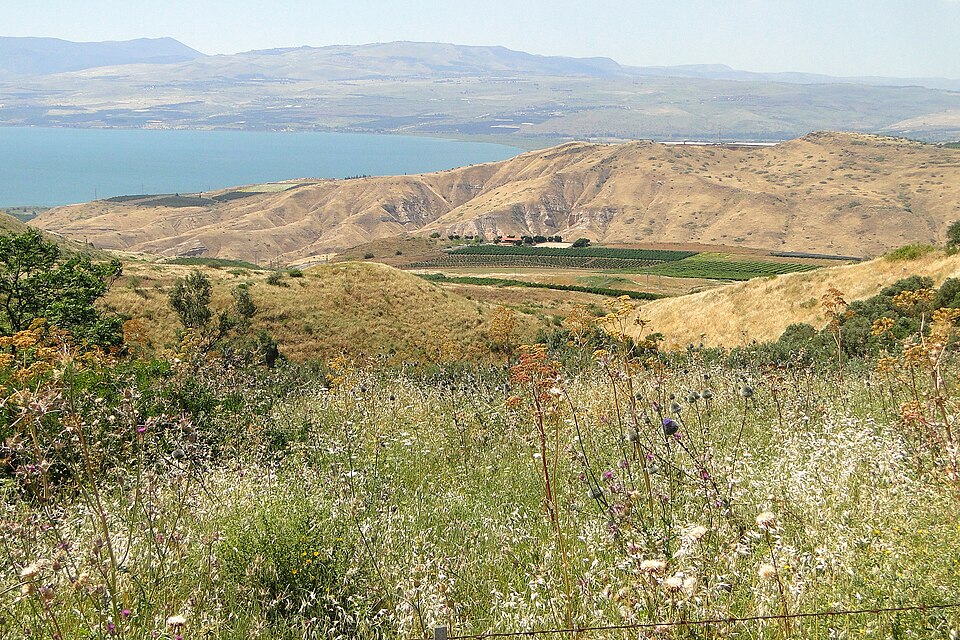
Start with the place where this command was given. “But the eleven disciples went into Galilee, to the mountain where Jesus had sent them” (Matthew 28:16, WEB). Scripture does not hide what that moment looked like: “When they saw him, they bowed down to him, but some doubted” (Matthew 28:17, WEB). Jesus did not hand his mission only to people already brimming with certainty. He came near to a group in which worship and hesitation were mixed together, and he spoke to them. The Great Commission does not begin with the achievements of finished people. It begins with the obedience of people who answer the Lord who comes to them.

One Command Revealed by the Greek: Make Disciples
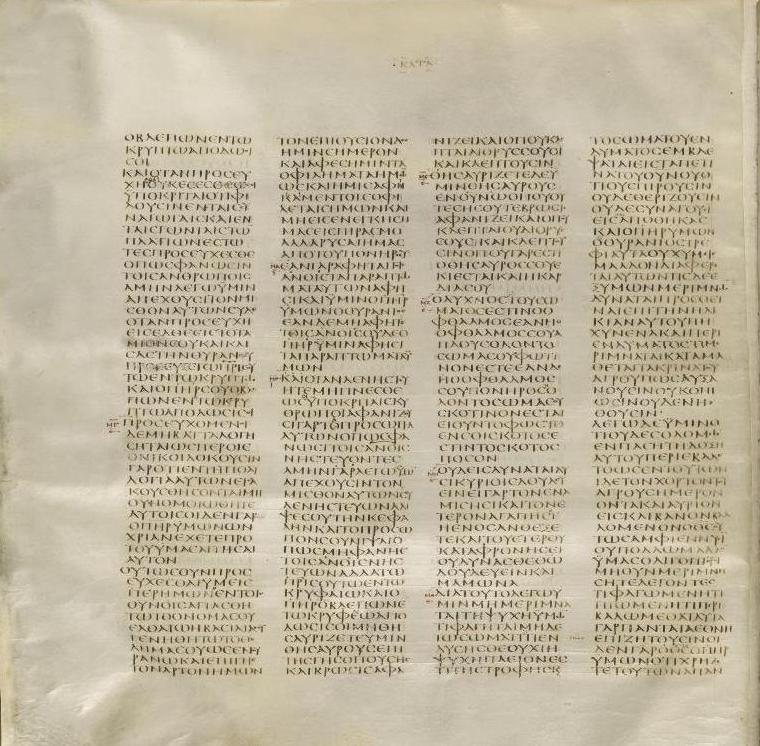
Read in translation, go, baptize, and teach them to observe sound like a row of equal commands. In the Greek text of Matthew 28:19-20, however, there is only one imperative verb: mathēteusate (μαθητεύσατε, make disciples). Poreuthentes (πορευθέντες, go), baptizontes (βαπτίζοντες, baptizing), and didaskontes (διδάσκοντες, teaching) are all participles attached to this main verb.
That does not make go a word we may drop. Matthew uses the same construction, go followed by a command, several times. Herod told the wise men, “Go and search diligently for the young child” (Matthew 2:8, WEB), and the angel at the tomb commanded the women, “Go quickly and tell his disciples” (Matthew 28:7, WEB). In neither case was going optional. Without going, no one could search and no one could tell. New Testament Greek grammarians Daniel Wallace and Bill Mounce likewise read the go of Matthew 28:19 as an attendant circumstance participle that shares the imperative force of the main verb. Yet, as Wallace adds, the weight rests on the main verb. Going without making disciples would miss the heart of the command.
So the goal of the Great Commission is neither leaving for somewhere as such nor increasing the number of decisions. It is building one person into a disciple of Jesus. The words Jesus spoke when he first called his disciples show what that looks like: “Come after me, and I will make you fishers for men” (Matthew 4:19, WEB). The one who follows Jesus becomes someone who leads others to Jesus. Now the risen Lord widens that call to all nations.
All Authority in Heaven and on Earth: The Ground of the Command
Before he commands, Jesus declares: “All authority has been given to me in heaven and on earth” (Matthew 28:18, WEB). The Greek word for authority, exousia (ἐξουσία), means the right and power to rule, and its reach is the whole of heaven and earth. This declaration recalls the vision Daniel saw. Of the one like a son of man it is written, “There was given him dominion, and glory, and a kingdom, that all the peoples, nations, and languages should serve him” (Daniel 7:14, WEB).
Within Matthew itself the contrast is sharp. In the wilderness the devil showed Jesus all the kingdoms of the world and their glory and tempted him: “I will give you all of these things, if you will fall down and worship me” (Matthew 4:9, WEB). Jesus refused that shortcut and walked the way of the cross. After his resurrection he declares the full authority his Father has given him.
That is why Matthew 28:19 begins with therefore. The ground of disciple-making is not our zeal or our eloquence but the authority already given to the risen Christ. Evangelism and mission are not something unconfident people are pushed into doing. They are obedience to the command of the King who holds all authority.
Of All Nations: A Widened Call
Notice also the reach of this command. When Jesus first sent out the twelve, he said, “Don’t go among the Gentiles, and don’t enter into any city of the Samaritans” (Matthew 10:5, WEB), but go to the lost sheep of the house of Israel. After the resurrection, however, he tells them to make disciples of all nations. This widening is not a sudden change of direction. Long before, God had promised Abraham, “All of the families of the earth will be blessed in you” (Genesis 12:3, WEB). Matthew, which opens with the genealogy of Jesus Christ the son of Abraham (Matthew 1:1), closes with a command aimed at all nations.
Baptizing and Teaching Them to Observe: Two Ways Disciples Are Made
How does disciple-making happen? The text answers with two participles. The first is baptism. Baptism in the name of the Father and of the Son and of the Holy Spirit is the public confession that a person now belongs to the triune God. Paul explains its meaning this way: “We were buried therefore with him through baptism to death” (Romans 6:4, WEB). Just as a person goes fully under the water and rises again, the one who is baptized is called to die to the old life and to walk in newness of life. We explore the meaning of baptism further in Baptism and New Life: Following Jesus in Matthew 28:19.
The meeting between Philip and the Ethiopian eunuch (Acts 8) shows this process vividly. Beginning from the words of Isaiah, “Philip opened his mouth, and beginning from this Scripture, preached to him Jesus” (Acts 8:35, WEB), and when the eunuch saw water, he asked to be baptized. Scripture records the scene this way: “they both went down into the water, both Philip and the eunuch, and he baptized him” (Acts 8:38, WEB). Explaining the Word to proclaim Jesus and baptism flowed together as one movement.

The second is teaching, and not teaching part of it but “teaching them to observe all things that I commanded you” (Matthew 28:20, WEB). The goal is not merely to know but to keep. As Jesus finished the Sermon on the Mount he said, “Everyone therefore who hears these words of mine, and does them, I will liken him to a wise man, who built his house on a rock” (Matthew 7:24, WEB).
The first church, born at Pentecost, followed the same path. “Then those who gladly received his word were baptized” (Acts 2:41, WEB) and were added to the community, and then “They continued steadfastly in the apostles’ teaching and fellowship, in the breaking of bread, and prayer” (Acts 2:42, WEB). Making disciples is not a one-time event that ends with a decision. It is a lifelong road that begins with baptism and continues as we learn the Word, obey it, and grow together. You can read more about turning what we learn into obedience in Teaching Them to Obey: Bringing the Great Commission into Daily Life.
With You to the End of the Age: The Promise That Surrounds the Command
The command ends with a promise: “Behold, I am with you always, even to the end of the age” (Matthew 28:20, WEB). In its first chapter Matthew introduces Jesus as Immanuel and explains the name as “God with us” (Matthew 1:23, WEB). In the middle of the Gospel Jesus promises, “For where two or three are gathered together in my name, there I am in the midst of them” (Matthew 18:20, WEB), and in its last sentence he declares his presence once more. From beginning to end, Matthew bears witness to the God who is with us.
So the structure of the Great Commission can be summed up like this: the declaration of authority (Matthew 28:18) → the central command to make disciples, with baptizing and teaching as its means (Matthew 28:19-20) → the promise of presence (Matthew 28:20). The promise given to eleven disciples who still had doubts is the same for us when we hesitate today. We do not go alone. The Lord goes with us. We reflected on this promise more deeply in Matthew 28:20: Jesus Is Always With Us in His Mission.
Today’s Application: A Command Given to Every Believer
The Great Commission does not belong only to missionaries or pastors. Jesus entrusted it to eleven ordinary disciples, and all that they were to teach others to observe includes this very command. Disciple-making, then, is not a special program of the church but the everyday life of every Christian.
That everyday stage begins close to home. Acts 1:8 shows the path the gospel will travel: “You will be witnesses to me in Jerusalem, in all Judea and Samaria, and to the uttermost parts of the earth” (Acts 1:8, WEB). It starts at home and at work, moves to familiar neighbors and to people we feel distant from, and reaches entirely different cultures (a reflection on Acts 1:8). Here are three steps you can begin this week.
- Choose one person and pray by name. Pick one family member, coworker, or neighbor, and pray for that person by name every day.
- Read the Word together and find one thing to obey. Read a passage of Matthew together and share one thing each of you will obey this week. Teaching others to observe begins this small.
- Connect people to baptism and church community. If someone has decided to trust Jesus, stay beside them so that they are led into baptism and into the teaching and fellowship of the church.
Go and Make Disciples: Footprints of the Church
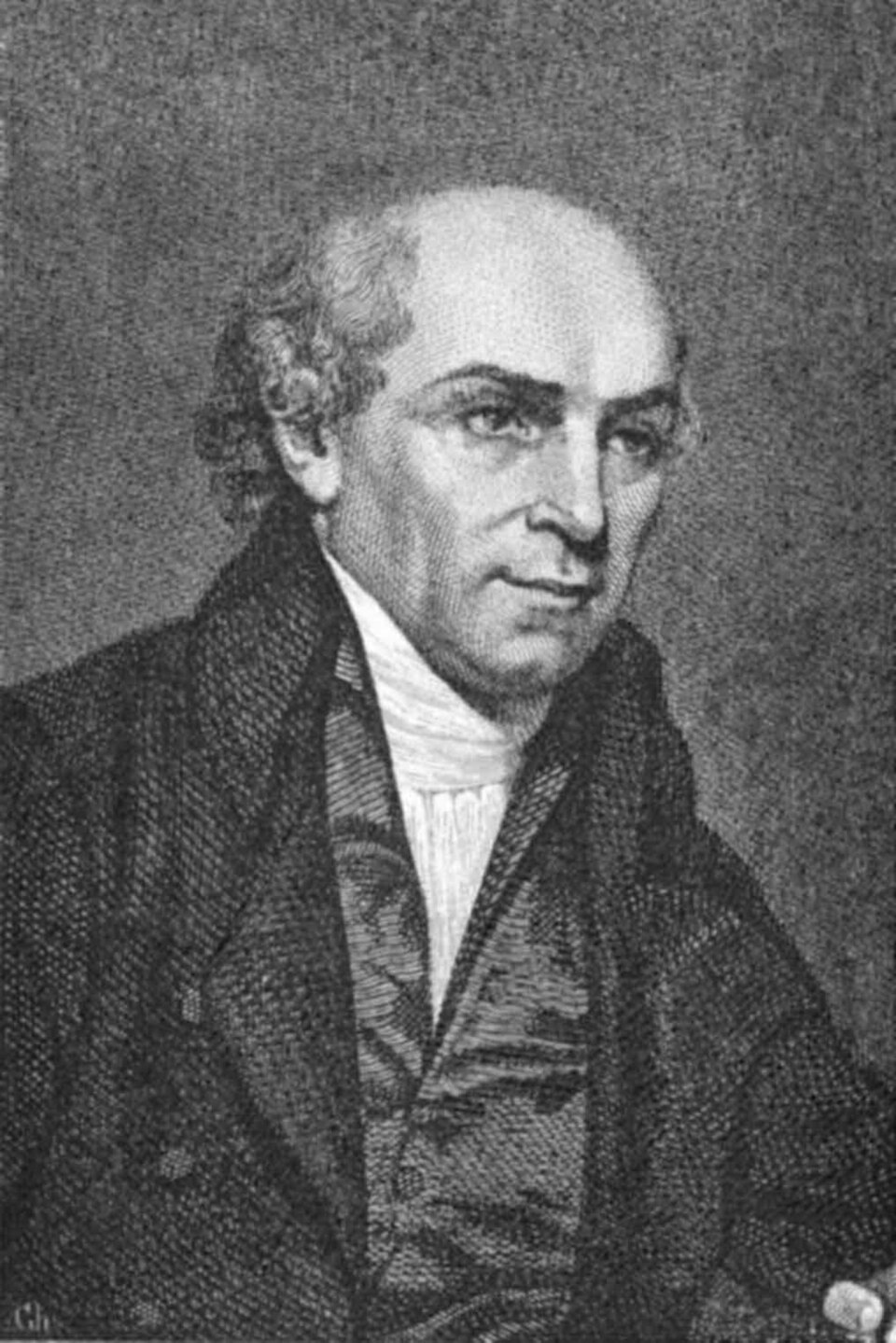
Church history has been carried forward by the stories of people who obeyed this command. William Carey (1761-1834), often called the father of modern missions, went to India in 1793 and gave his life to translating the Bible into many languages.
Hudson Taylor (1832-1905) founded the China Inland Mission (CIM) in 1865 and, adopting Chinese dress and ways of life, carried the gospel deep into the interior.
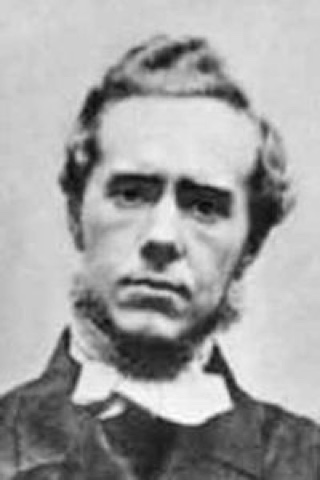
The same current reached the Korean church. The first Korean presbytery, organized in 1907, decided to send Yi Ki-pung, one of the first Korean pastors ordained that year, as a missionary to Jeju Island; he arrived in Jeju in 1908 and preached the gospel there. According to statistics released by the Korea Research Institute for Mission (KRIM) for the end of 2024, 21,621 long-term missionaries of Korean nationality are serving in 170 countries outside Korea. The command given to eleven people on one mountain has grown like this across two thousand years.
An Invitation to Prayer and Commitment
Before it is a heavy burden, the Great Commission is a gracious calling. The One who holds all authority gave the command, and he promised to be with those who follow it to the end of the age. It does not need a grand stage. Praying for the person beside you by name, drawing near to them with genuine care, opening the Bible together: these small acts of obedience are the first steps of making disciples.
Lord, thank you for coming near and speaking even to me, standing here with a heart mixed with doubt. Relying on you, who hold all authority in heaven and on earth, use me to build one person into a disciple right where I stand. Holding on to your promise to be with us to the end of the age, help me take one step today. I pray in the name of Jesus. Amen.
References
- YouVersion — Matthew 28, Korean Revised Version (in Korean)
- Bible Hub — Matthew 28:19 Greek Lexicon
- Bible Hub — μαθητεύω (mathēteuō, Strong’s 3100)
- Daniel B. Wallace — The Great Commission or the Great Suggestion?
- Daniel B. Wallace — The Great Commission, Part 2: Historical Setting
- Bill Mounce — Great Commission and Participles
- Korea Research Institute for Mission (KRIM) — Korean Mission Statistics 2024, as of the end of 2024 (in Korean)
- Kidok Shinmun — Missionaries to Remote Islands (6): Yi Ki-pung, Korea’s First Missionary, Goes to Jeju (in Korean)