
When the risen Jesus first came to his disciples — who had locked themselves away in fear — his opening word was not rebuke but “peace,” and what he entrusted to them next was a mission. We usually remember the Great Commission from Matthew 28, but John 20:21 shines the same commission from a very different angle: that of being sent. This article follows John 20:21’s picture of “the Great Commission of the one who is sent,” tracing it through the biblical text and its own cross-references within Scripture.
※ The English Scripture quotations here are from the King James Version (KJV) and the World English Bible (WEB), both in the public domain.
The Risen Lord’s First Command: “Even So Send I You”
Begin with the setting. On the evening of resurrection day, the disciples were gathered behind closed doors for fear of the Jewish leaders.
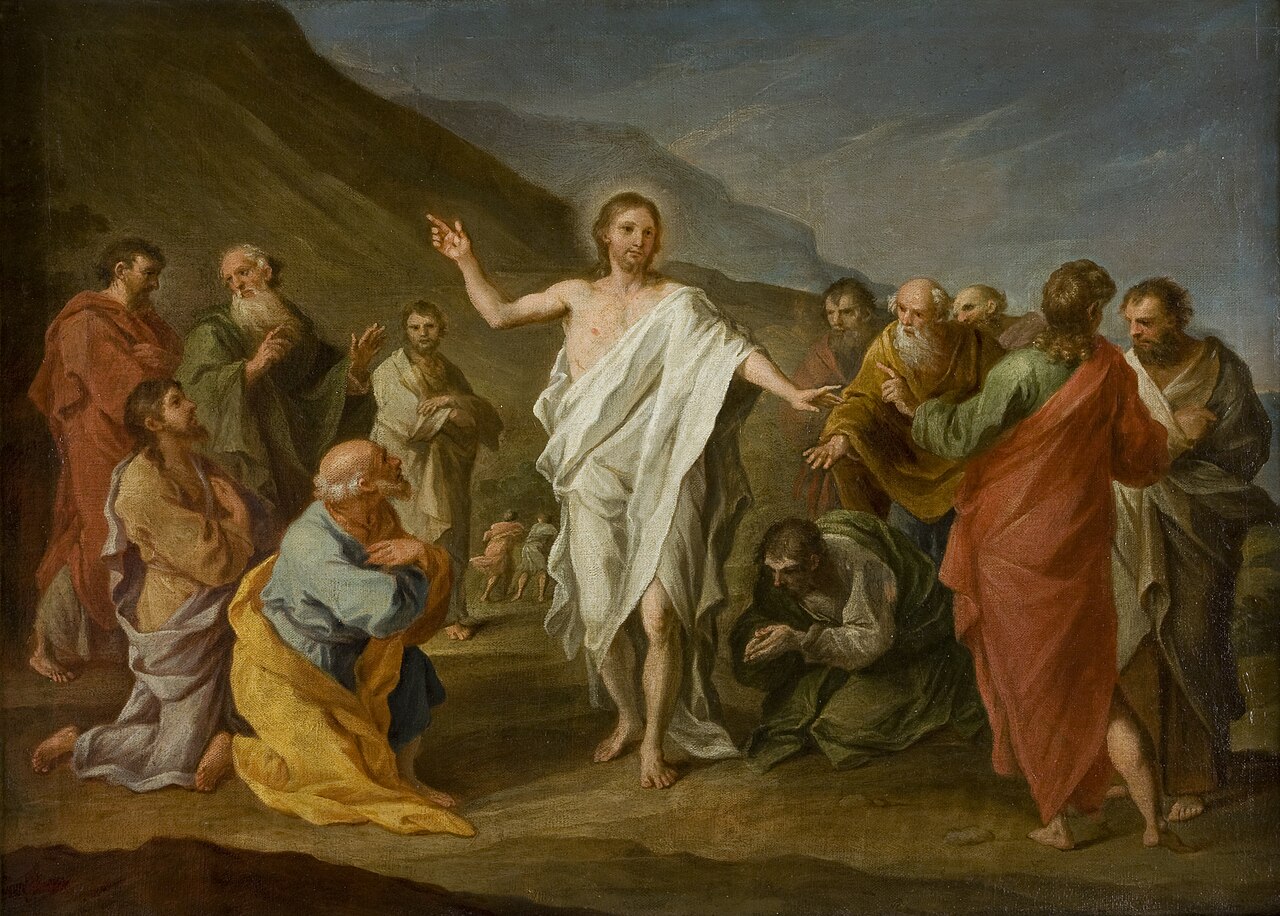
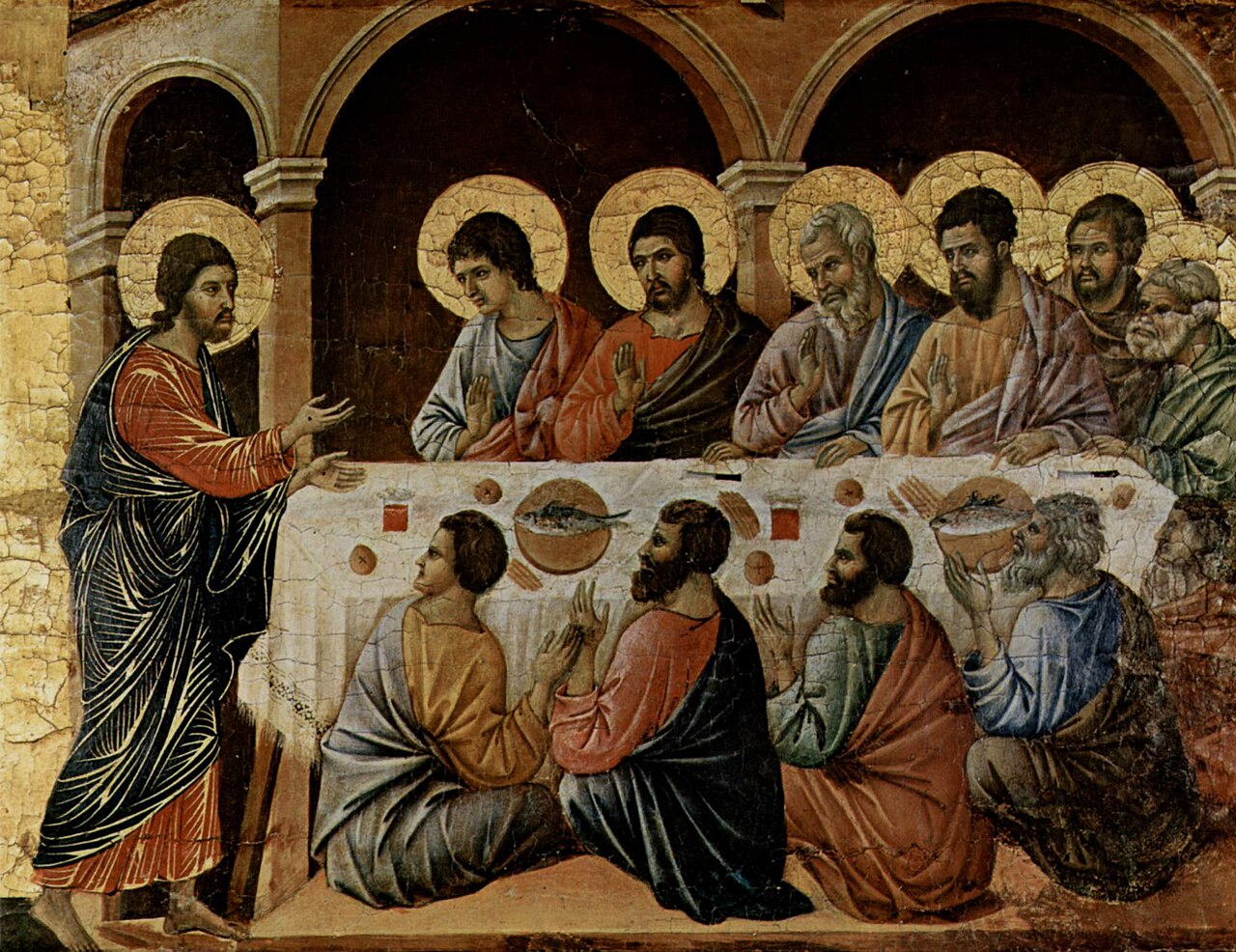
When therefore it was evening on that day, the first day of the week, and when the doors were locked where the disciples were assembled, for fear of the Jews, Jesus came and stood in the middle and said to them, “Peace be to you.” (John 20:19, WEB)
The risen Lord showed them his hands and side, confirming that he was the very one who had been crucified (v. 20), and then, repeating the same greeting of peace, he gave them their mission.
Then said Jesus to them again, Peace be unto you: as my Father hath sent me, even so send I you. (John 20:21, KJV)
Notice the order. Peace is proclaimed before the sending. The ground on which a sent disciple can stand boldly, even amid affliction, is not his own courage but the peace the risen Lord gives first. In the same upper-room discourse Jesus had already said, “In the world you have trouble; but cheer up! I have overcome the world” (John 16:33, WEB). The sending is always built on that peace.

The Chain of Sending: The Father Sent the Son, the Son Sends Us
The center of gravity in John 20:21 rests on one small word: “as.” Our sending is not a newly invented assignment; it is a mission grafted onto the very sending by which the Father sent the Son. The ground for this reading is not a theological theory but the text of John’s Gospel itself. On the eve of the cross, in his high-priestly prayer, Jesus had already foretold this sending.
As you sent me into the world, even so I have sent them into the world. (John 17:18, WEB)
The “I have sent” of chapter 17 is fulfilled as “I send you” in chapter 20. And here the character of the sending becomes clear. Jesus came not to do his own will but the will of the One who sent him (John 6:38), and the purpose of that sending was not judgment but the salvation of the world (John 3:17). If, then, our sending is the direct inheritance of the Son’s sending, it too must not be our own enterprise but must aim to do the will of the One who sends and to seek the salvation of the world. The chain of sending — from the Father to the Son, from the Son to us — carries its purpose all the way through.

A Sending Rooted in the Old Testament
This sending is not a concept that appeared suddenly in the New Testament. Isaiah prophesied the mission of the Anointed Servant like this:
The Lord Yahweh’s Spirit is on me, because Yahweh has anointed me to preach good news to the humble. He has sent me to bind up the broken hearted, to proclaim liberty to the captives and release to those who are bound, (Isaiah 61:1, WEB)
In the synagogue at Nazareth Jesus opened to this very passage, read it, and declared, “Today, this Scripture has been fulfilled in your hearing” (Luke 4:21, WEB; see Luke 4:18). The “he has sent me” that Isaiah prophesied was fulfilled in Jesus. The “sending” of John 20:21 stands in the line of this messianic mission, and we are called as the most recent chapter in that long story of redemption.
The Sending Comes with the Power of the Spirit
Sending and empowering are not separated. John’s Gospel joins the verse right after the sending of 20:21 with the words “When he had said this.”
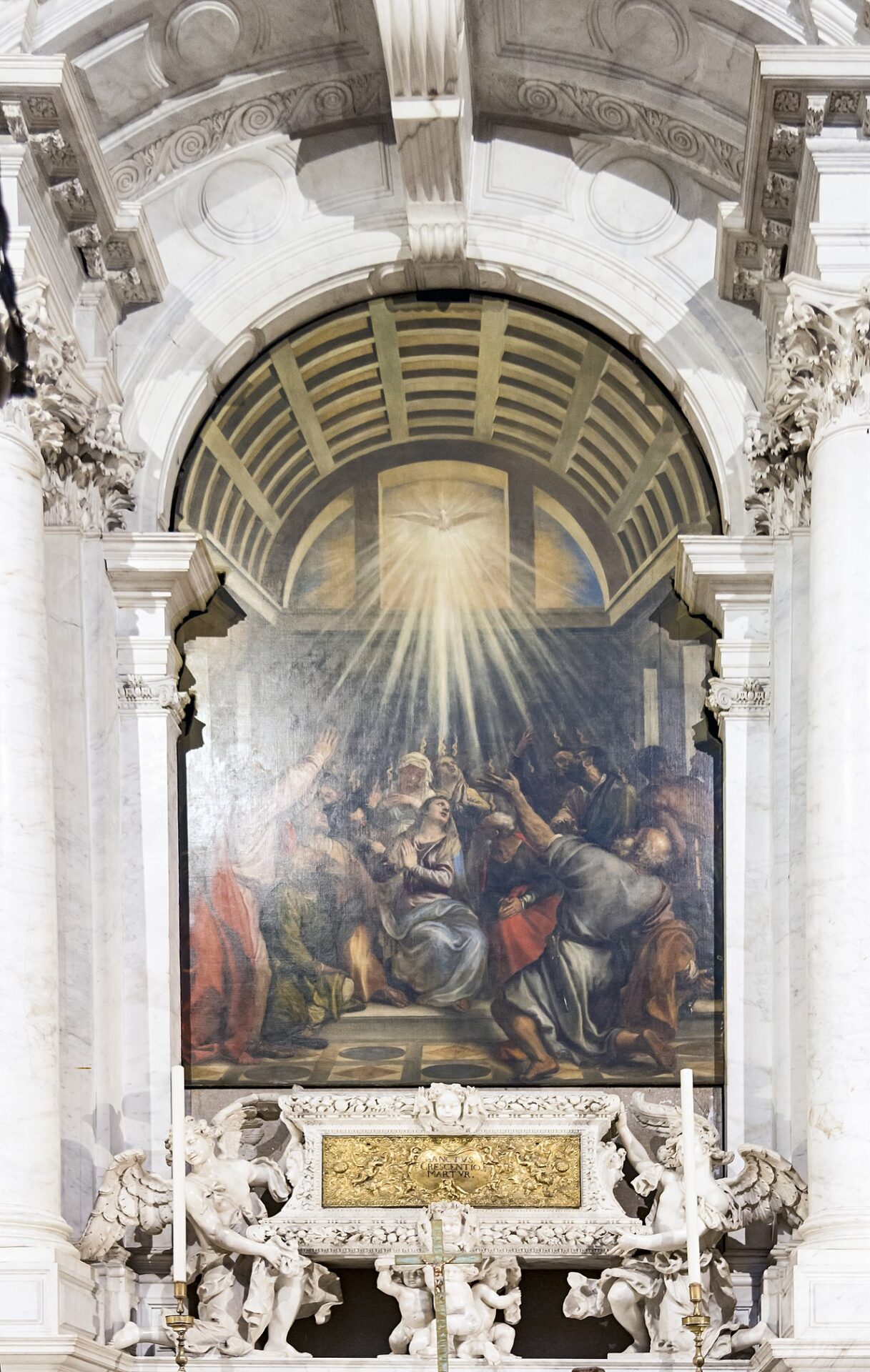
When he had said this, he breathed on them, and said to them, “Receive the Holy Spirit!” (John 20:22, WEB)
The image of “breathing on them” recalls Genesis 2:7, where God breathed the breath of life into the man he had formed from the dust. The sending is carried out within the power of a new creation. This pattern is confirmed in the other Great Commission passages as well. In Luke the Lord said, “But wait in the city of Jerusalem until you are clothed with power from on high” (Luke 24:49, WEB), and just before his ascension, “But you will receive power when the Holy Spirit has come upon you. You will be witnesses to me… to the uttermost parts of the earth” (Acts 1:8, WEB). What is required of the one who is sent is not outstanding ability but an openness to the Holy Spirit, the source of power.

The One Who Is Sent Is Christ’s Ambassador
So what is the one who is sent, out in the world? Scripture answers with two images. First, we are proclaimers.
And how will they preach unless they are sent? As it is written: “How beautiful are the feet of those who preach the Good News of peace, who bring glad tidings of good things!” (Romans 10:15, WEB)
Paul nails “being sent” down as the prerequisite of preaching. Without a sending, there is no preaching. Second, we are Christ’s ambassadors.
We are therefore ambassadors on behalf of Christ, as though God were entreating by us: we beg you on behalf of Christ, be reconciled to God. (2 Corinthians 5:20, WEB)
An ambassador does not deliver his own message but the message of the king who sent him. Here we may carefully add one theological term on top of the picture Scripture has drawn. Missiology calls this Missio Dei — “the sending of God.” The subject of mission is not the zeal of the church but the sending God, and the church is an instrument sent to participate in that sending. Yet the root and the test of this concept always lie in the biblical text. The witness of Scripture — that the Father sent the Son (John 3:17), that the Father and the Son send the Spirit (John 14:26), and that the Son sends the disciples (John 20:21) — is the true foundation of Missio Dei.

Today, Where Have You Been Sent?
The “you” of John 20:21 was not only a particular office-holder but the whole community of disciples who had met the risen Lord. This sending, therefore, is not limited to missionaries and pastors. Every Christian is someone sent to his or her own place.
- Sent to the home. The nearest and hardest mission field — the first place where the gospel is witnessed by life more than by words.
- Sent to the workplace. Working with faithfulness and integrity is itself the ground where “the feet of those who bring good news” tread.
- Sent to neighbors and relationships. Praying over a single name, and, when a natural door of conversation opens, boldly introducing Christ.
The place of sending is not far away. The very spot where you set your feet today is the place to which you have been sent, just as the Father sent the Son. What matters is not distance but direction — that a life turned only inward, upon itself, turns outward toward the world, standing on the peace of the risen Lord. That is the Great Commission of the one who is sent.
A Closing Prayer
Lord, thank you for giving me the peace of your resurrection first, and then sending me. With the same love and purpose by which the Father sent the Son, let me be, today and in the place where I stand, feet that bring good news. Relying not on my own strength but on the power of the Holy Spirit, let me live boldly as an ambassador of Christ. In Jesus’ name I pray. Amen.
References
- Gospel of John, Korean Revised Version (public domain) — Wikisource (Korean text source)
- John 20:21 — multiple English translations and Greek (Biblehub; KJV & WEB public domain)
- Hochma Commentary — John 20 (Korean exposition)
- What is the Great Commission? (GotQuestions, Korean)
- The Sending of Jesus in John’s Gospel — the theology of being sent (Holy Joys)
- Korean Bible Society — copyright guidance for the Revised/New Korean translations